
Listen to this article
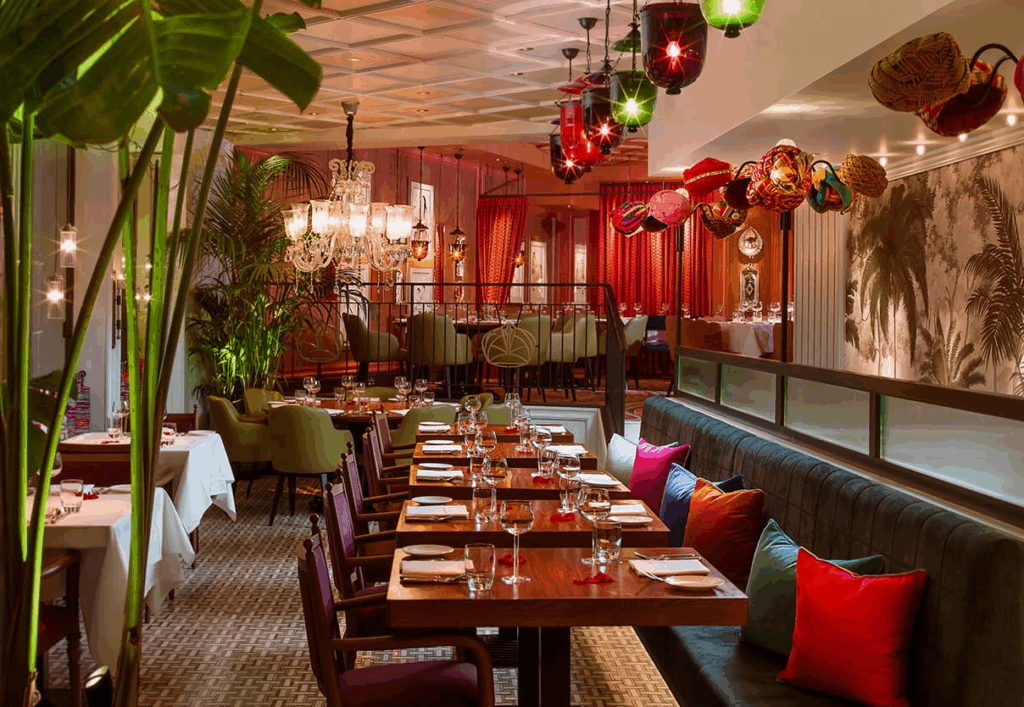
Nestled in the heart of London, Veeraswamy restaurant proudly holds the title of the city’s oldest Indian restaurant, having opened its doors in 1926. This Michelin-star Indian restaurant, located off Regent Street, has a rich history of serving dignitaries and celebrities alike, creating an irreplaceable legacy in London’s vibrant culinary landscape. As one of the most significant heritage dining spots in London, Veeraswamy is now at a critical juncture due to the controversial plans of The Crown Estate, which seeks to convert its historic building into modern office spaces. The impending 100th anniversary of this iconic restaurant emphasizes its cultural importance, making the stakes of this situation even higher. As passionate voices in the culinary community rally to save Veeraswamy, the call to preserve its exquisite dining experience reverberates through the city, highlighting the profound impact of such heritage establishments on London’s restaurant scene.
In the midst of a looming crisis, London’s beloved Veeraswamy restaurant grapples with the threat of closure amidst development plans proposed by its landlord, The Crown Estate. Known as one of the premier Indian dining experiences in the city, this esteemed establishment has been a significant part of London’s culinary heritage for nearly a century. As the oldest Indian restaurant in the capital, its legacy is intertwined with notable historical figures and countless memorable meals. The current debates surrounding its potential transformation into office spaces raise questions about the preservation of cultural landmarks in urban development. The situation reflects broader issues faced by long-standing restaurants across major metropolitan areas, emphasizing the need for sustainable solutions that honor tradition while accommodating modern demands.
The Significance of Veeraswamy Restaurant in London’s Culinary Landscape
Veeraswamy restaurant stands as an iconic establishment in London, representing not only the rich history of Indian cuisine but also the city’s vibrant cultural tapestry. Opened in 1926, it holds the title of London’s oldest Indian restaurant, making it a landmark among the many celebrated establishments along Regent Street. Over its nearly 100 years of operation, Veeraswamy has not only served delicious Indian dishes but has also been a gathering place for distinguished figures from various walks of life, including royalty and renowned personalities. This heritage dining venue serves as a testament to the enduring legacy of Indian gastronomy in London.
As the restaurant approaches its centenary, it symbolizes a significant chapter in London’s dining history. The Michelin-starred establishment is often recognized for its high-quality offerings, careful attention to detail, and innovative take on traditional Indian cuisine. This blend of rich heritage and modern excellence has attracted both locals and tourists, solidifying Veeraswamy’s role in enriching London’s culinary scene and contributing to its status as one of the world’s great dining cities.
Challenges Faced by London’s Historic Restaurants
Like many historic establishments, Veeraswamy is currently facing significant challenges stemming from its landlord’s commercial objectives. The recent announcement by The Crown Estate to turn Victory House into an office complex poses a serious threat not only to Veeraswamy but also to the preservation of heritage dining in London. As developments unfold, many are concerned that such transformations will lead to a homogenization of the dining landscape, with historical venues replaced by modern corporate spaces. The loss of Veeraswamy would represent not just a culinary loss, but a blow to London’s cultural heritage.
Efforts to preserve Veeraswamy echo a broader tension within the restaurant industry, particularly in prime locations such as Regent Street. The restaurant community, including eminent chefs, voices a shared concern regarding the impact of these changes on local tourism and the unique character that such longstanding institutions contribute to the city. The upcoming court hearing that will determine Veeraswamy’s fate serves as a critical moment for heritage dining in London, highlighting the need for discussions between landlords and restaurateurs about sustainability and cultural preservation.
The Role of The Crown Estate in London’s Restaurant Scene
The Crown Estate’s management of properties along Regent Street has significant implications for the city’s dining establishments, particularly those entrenched in London’s culinary history. With the power to reshape these iconic venues, The Crown Estate must navigate the delicate balance between commercial profitability and the preservation of cultural landmarks like Veeraswamy. The reported plans for converting historic buildings into modern office spaces have sparked concern among the public and industry professionals alike, suggesting a need for The Crown Estate to reevaluate its development strategies.
In their open letter, celebrity chefs emphasize the necessity for The Crown Estate to engage in meaningful dialogue that would honor the historic significance of places like Veeraswamy. There is a growing call for responsible stewardship of heritage properties, urging that maintaining the cultural fabric of London should take precedence over purely financial considerations. The ongoing discussions surrounding Veeraswamy highlight the critical role landlords play in shaping the city’s culinary landscape and the imperative to protect its historical narratives.
Preserving Heritage Dining Amid Modernization
As modernization continues to sweep through urban environments, preserving heritage dining experiences becomes increasingly vital. Restaurants like Veeraswamy offer not just meals but rich stories steeped in tradition, making them invaluable to London’s identity. The movement to save such institutions reflects a broader recognition of the importance of heritage in a rapidly changing world, where the risks of losing cultural landmarks loom larger with each new development project.
Efforts to preserve venues like Veeraswamy advocate for a more mindful approach to urban development, one that integrates the historical significance of a site with contemporary needs. Ensuring that places steeped in history remain operational can contribute to the diversity and character of a city’s dining scene. Thus, engaging in open discourse among stakeholders—restaurants, landlords, and the community—is essential to balance modernization with heritage conservation.
Celebrity Chefs Rallying for Veeraswamy
The support from renowned chefs in rallying for Veeraswamy signifies the restaurant’s cultural importance not only within London’s culinary framework but also across the globe. Chefs such as Raymond Blanc and Michel Roux Jr. highlight how significant these heritage dining establishments are to the fabric of the culinary arts. Their involvement in advocating for Veeraswamy demonstrates a united front among industry leaders who understand the impact of losing such an iconic venue.
This collective effort to save Veeraswamy underscores the pressure on The Crown Estate to reconsider its plans. The chefs argue for a collaborative approach that respects the restaurant’s legacy while also accommodating modern commercial needs. As they describe the potential loss of Veeraswamy as a ‘sacrilege,’ it emphasizes the broader implications that losing such an institution would have not only for local dining but also for London’s reputation as a culinary capital.
The Impact of Legal Challenges on Veeraswamy
Veeraswamy’s current legal battles highlight the complex relationship between longstanding businesses and modern development initiatives. As the restaurant heads to court to contest The Crown Estate’s plans, it reflects the larger struggle many historic venues face in a city increasingly dominated by corporate interests. The outcome of this legal dispute could set a precedent for how heritage sites are treated amidst the ongoing urban transformation in London.
Legal action, however, is a double-edged sword for the restaurant; it emphasizes their commitment to preserving their space, but it also brings uncertainty about their future. The high cost of legal proceedings combined with the prospect of a lengthy court battle poses considerable risks for Veeraswamy as they navigate these treacherous waters. The resolution of such disputes will have far-reaching implications for both the restaurant and the wider community it serves.
Heritage and the Future of Dining in London
The future of dining in London hinges on how well heritage establishments like Veeraswamy can adapt to changing urban environments while preserving their unique identities. The recent challenges faced by this historic restaurant serve as a catalyst for broader conversations about the value of heritage in the food industry. As new developments reshape the cityscape, the call for sustainable practices that support both modern growth and cultural preservation has never been more urgent.
Advocating for heritage dining aligns with a wider trend of consumers seeking authentic experiences that resonate with their cultural narratives. As London’s culinary scene continues to evolve, there is a growing expectation for both new and established dining venues to contribute to the city’s identity. Keeping places like Veeraswamy operational not only preserves historical narratives but also enriches the overall dining experience for locals and tourists alike.
Veeraswamy’s Legacy and Community Support
The legacy of Veeraswamy extends beyond its remarkable culinary offerings; it’s a testament to the resilience of communities dedicated to preserving their cultural heritage. The collective outrage and support surrounding the potential loss of the restaurant highlight the community’s deep-seated appreciation for establishments that contribute to the city’s unique character. Whether through petitions, social media campaigns, or public demonstrations, the returned activism around Veeraswamy exhibits a powerful consensus on the need to support heritage dining.
Community support also plays a crucial role in navigating the turbulent waters of real estate challenges. As patrons and culinary enthusiasts rally behind Veeraswamy, they bring attention to the broader implications of losing such establishments, reiterating how crucial it is for the culinary scene to maintain diversity and heritage. The outpouring of support for Veeraswamy serves as a call to action for collective responsibility in safeguarding the rich history that defines cities like London.
The Economic Value of Heritage Dining in London
Heritage dining establishments like Veeraswamy contribute significantly to London’s economy by attracting tourists and supporting local businesses. This economic impact is especially pronounced in prime locations such as Regent Street, where foot traffic is abundant. By preserving iconic venues, the city can ensure a continued influx of visitors eager to experience its distinctive culinary heritage, creating a ripple effect of economic benefits across the community.
The call to maintain Veeraswamy aligns with a broader understanding of the value of heritage dining in the context of tourism. The restaurant not only serves as a culinary beacon but also as a cultural touchstone that encapsulates stories of the city’s evolution. Thus, investments in preserving such establishments serve both economic and social purposes, cementing London’s reputation as a premier global dining destination.
Frequently Asked Questions
What is Veeraswamy restaurant known for in London?
Veeraswamy restaurant is known as London’s oldest Indian restaurant, having opened in 1926, and holds the prestigious title of a Michelin-star Indian restaurant. It offers a unique heritage dining experience on Regent Street that combines rich culinary traditions with a storied past.
Why is Veeraswamy restaurant at risk of closure?
Veeraswamy restaurant is at risk of closure due to the Crown Estate’s plans to convert its historic premises, Victory House, into office space. This proposed conversion threatens the restaurant’s continuation in its longstanding location.
What makes Veeraswamy restaurant a heritage dining experience in London?
Veeraswamy restaurant offers a heritage dining experience by preserving the rich history of Indian cuisine in London. It has hosted notable figures over its 99 years, adding to its cultural significance as one of the longest-serving restaurants on Regent Street.
What are some reactions to the Crown Estate’s plans involving Veeraswamy restaurant?
The Crown Estate’s plans to convert Victory House into office space have sparked reactions from renowned chefs like Raymond Blanc and Michel Roux Jr., who have voiced concerns, describing the move as a ‘sacrilege’ that would be a profound loss for London’s dining scene and tourism.
What legal actions is Veeraswamy restaurant considering?
As Veeraswamy’s 100-year lease approaches expiration, the restaurant is considering legal action against the Crown Estate to contest the redevelopment plans. A court hearing to determine its future is anticipated in spring or early summer.
How has Veeraswamy restaurant contributed to London’s culinary landscape?
As London’s oldest Indian restaurant, Veeraswamy has significantly contributed to the culinary landscape by introducing Indian cuisine to a broader audience and becoming a symbol of heritage dining in London, thereby enriching the city’s gastronomic diversity.
What iconic figures have visited Veeraswamy restaurant over the years?
Over its nearly century-long history, Veeraswamy restaurant has entertained a range of notable guests, including Charlie Chaplin, Princess Anne, Mahatma Gandhi, and King Abdullah of Jordan, adding to its rich legacy in London’s restaurant scene.
What efforts are being made to save Veeraswamy restaurant?
Efforts to save Veeraswamy restaurant include an open letter signed by famous chefs urging the Crown Estate to reconsider its plans. They emphasize the importance of preserving such a historical venue within London’s vibrant dining culture.
What impact would the closure of Veeraswamy have on London’s dining scene?
The closure of Veeraswamy restaurant would represent a significant loss for London’s dining scene, as it symbolizes the city’s rich culinary heritage and historical importance, further impacting tourism and the cultural identity of the area.
Where is Veeraswamy restaurant located?
Veeraswamy restaurant is located in Victory House on Regent Street, a prime area in London’s West End, renowned for its selection of heritage dining and vibrant culinary experiences.
| Key Point | Details |
|---|---|
| Historical Significance | Veeraswamy Restaurant, London’s oldest Indian restaurant, established in 1926, is preparing for its 100th anniversary. |
| Landlord’s Plans | The Crown Estate plans to convert Victory House into office space, jeopardizing the restaurant’s future. |
| Celebrity Support | Renowned chefs have signed an open letter urging the Crown Estate to reconsider the conversion plans. |
| Legal Action | Veeraswamy is taking legal action as its long lease ends, hoping to extend it for another 14 years. |
| Future Uncertain | A court hearing next spring will decide the restaurant’s fate. Until then, it will continue operations. |
Summary
Veeraswamy restaurant is at a critical juncture, facing the threat of closure due to plans by The Crown Estate to transform its historic premises into offices. With nearly a century of heritage, it holds a special place in London’s culinary landscape, cherished by both locals and tourists. The ongoing legal battle signifies the broader struggle for preservation amid modernization in the city. As the situation unfolds, it is imperative for stakeholders to recognize the importance of Veeraswamy, not only as a restaurant but as a cultural landmark.