
Listen to this article
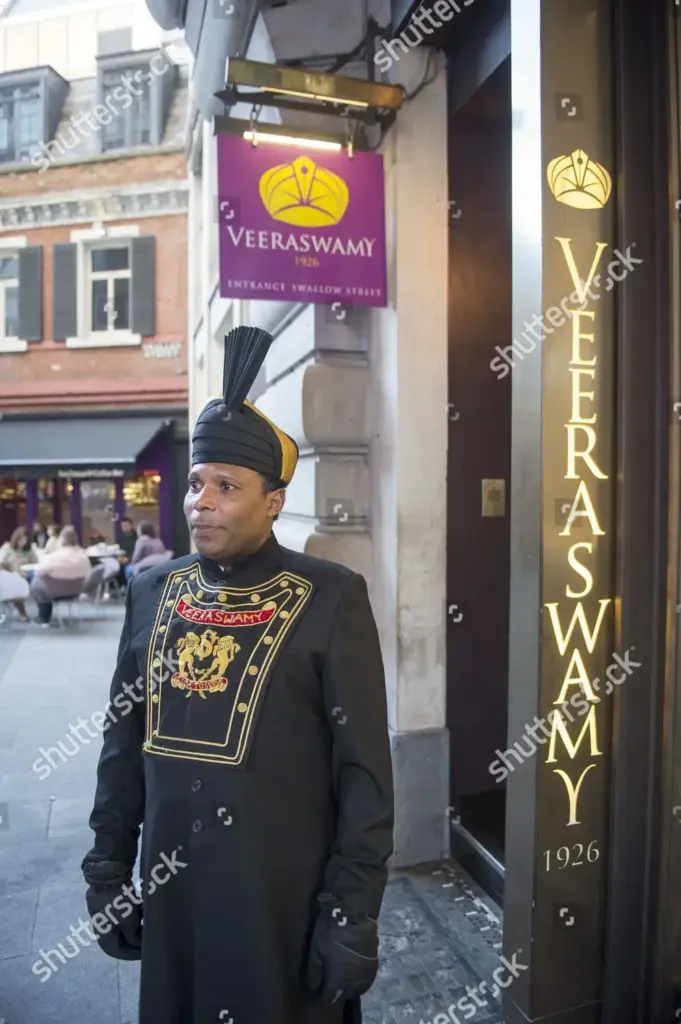
Veeraswamy, the UK’s oldest surviving Indian restaurant, stands as a testament to over 99 years of culinary excellence in London. Located on Regent Street, this historic Indian restaurant has served as a vibrant hub for Indo-British cultural connections since its establishment in 1926. As the restaurant approaches its centenary, the support from campaigners is growing, with calls for King Charles III to intervene in its potential closure, emphasizing its role in preserving cultural heritage in the UK. With more than 18,000 signatures in support, the significance of Veeraswamy is undeniable, as it is not just a restaurant but a cherished part of London’s gastronomic history. As the debate unfolds, the future of this iconic establishment hangs in the balance, with many hoping to see Veeraswamy thrive for another century.
The culinary landmark known as Veeraswamy has recently garnered attention as it faces possible closure after decades of operation. This cherished dining establishment, recognized as the oldest Indian restaurant in the UK, has been pivotal in celebrating Indian cuisine within the British cultural landscape. Advocates for its continuation are actively seeking royal intervention to ensure its survival, highlighting the importance of such venues in the community. As the restaurant approaches what could be its 100th year, discussions surrounding its future underscore broader themes of cultural preservation and historic significance within London. The efforts to safeguard Veeraswamy reflect a collective desire to maintain iconic institutions that contribute to the fabric of culinary arts in the country.
The Cultural Significance of Veeraswamy Restaurant
Veeraswamy, established in 1926, is not just a restaurant but a cornerstone of the Indo-British cultural heritage in the UK. As the oldest surviving Indian restaurant in the country, it embodies a rich history where culinary traditions intersect with significant historical narratives. The restaurant originally catered to Anglo-Indians who craved the flavors of home, providing a space where community and culture thrived. Many patrons reflect on how Veeraswamy served as the backdrop for numerous personal milestones—engagements, anniversaries, and even wartime gatherings—making it a living testament to the shared history and evolving relationship between Indian cuisine and British society.
From its vibrant beginnings to its Michelin-star recognition, Veeraswamy has played a pivotal role in introducing and popularizing Indian food across London. In an era when Indian restaurants were scarce, Veeraswamy emerged as a trailblazer by introducing innovative dishes like tandoori chicken, which became a staple in British dining culture. The restaurant’s unique place in culinary history not only preserves traditional recipes but also bridges cultural divides, demonstrating the broader impact of Indian cuisine on Britain’s food landscape.
With the threat of closure looming over Veeraswamy, campaigners emphasize the necessity of preserving such historical culinary landmarks. The restaurant has contributed significantly to the narrative of British multiculturalism, showcasing how diverse influences can coalesce to create a vibrant social tapestry. The call for King Charles to intervene underscores the importance of maintaining rich cultural institutions that foster community identity and pride. A petition with over 18,000 signatures signals a strong public sentiment towards saving this iconic establishment, asserting that Veeraswamy represents more than just a dining venue—it is a symbol of cultural continuity amidst modernization challenges.
King Charles’s Potential Role in Saving Veeraswamy
As the campaign to save Veeraswamy gains momentum, the involvement of King Charles III has sparked hopeful discussions among supporters of the restaurant. His historical advocacy for community cohesion positions him as a key figure who could influence the Crown Estate’s decision regarding the restaurant’s lease. Advocates believe that a royal endorsement could bring much-needed visibility to the plight of Veeraswamy and highlight the importance of preserving cultural heritage in the UK. Their appeal to the King aligns with his broader mission to nurture relationships that honor historical ties and promote cultural understanding within diverse communities.
The potential intervention from King Charles is not merely symbolic; it represents a chance to highlight the rich tapestry that restaurants like Veeraswamy create within the communities they serve. The King’s support could prompt a reevaluation of plans that threaten the restaurant’s existence, urging stakeholders to consider alternative solutions that respect the historical significance of such longstanding establishments. By prioritizing the preservation of Veeraswamy, the King would be championing the cause of cultural heritage, allowing this iconic institution to continue serving as a nexus for cultural exchange and community bonding.
Moreover, Veeraswamy’s plight is emblematic of a larger issue surrounding historic restaurants facing modernization pressures. The potential closure of such iconic establishments raises questions about the balance between development and preservation. King Charles’s intervention could extend beyond Veeraswamy to influence policies that protect other cultural landmarks that define the character of London’s diverse culinary scene. By emphasizing the importance of heritage in urban planning, the King’s involvement may pave the way for a more informed approach to modernity that honors the past while accommodating future growth.
Preserving Cultural Heritage: The Veeraswamy Campaign
The campaign to preserve Veeraswamy is fundamentally about maintaining cultural heritage within a rapidly changing urban landscape. Supporters argue that closing the restaurant would not only be a loss of a historic dining venue but also a diminishment of the cultural narratives tied to it. As one of the first Indian restaurants in the UK, Veeraswamy set a precedent for the culinary diversity that now defines British cuisine. It has been a place where generations have gathered to celebrate, share stories, and experience the flavors of India in a culturally meaningful setting. Advocates for the campaign are urging the Crown Estate and the local government to recognize the restaurant’s status as an asset of community value and not merely a commercial property.
By emphasizing the restaurant’s significant role in shaping London’s cultural identity, supporters are calling for a shift in perspective towards urban development. They argue that the loss of Veeraswamy would signify more than just a business closing; it would mark the erasure of a vibrant part of the city’s narrative regarding immigration, cuisine, and community. As such, the campaign is not only about saving a restaurant but preserving a cherished landmark that fosters understanding and appreciation of cultural heritage, which is essential in maintaining the rich diversity synonymous with London.
Veeraswamy’s remarkable journey is reflective of the evolution of Indian cuisine in the UK. From its modest beginnings serving Anglo-Indians to becoming a Michelin-starred dining institution, the restaurant has continually adapted while remaining true to its roots. The current campaign to save it draws attention to the broader issues facing historic restaurants threatened by modernization. It advocates for a future where such establishments can coexist with development while still honoring their rich legacies. The ongoing efforts to protect Veeraswamy underscore the collective desire for inclusivity, representation, and respect for cultural narratives that embody the essence of London’s spirit.
Celebrity Chefs Rally Behind Veeraswamy
The preservation of Veeraswamy has garnered significant attention from the culinary world, with renowned chefs like Raymond Blanc, Michel Roux, and Richard Corrigan voicing their support for the iconic restaurant. These culinary figures have underscored Veeraswamy’s importance as a pioneering establishment that has influenced countless chefs and restaurants across the UK. Their backing illustrates how essential it is to preserve landmarks that not only serve exquisite cuisine but also inspire future generations of culinary talent. By speaking out, these chefs lend their considerable influence to the campaign, amplifying calls for recognition of the historical and cultural significance of India’s oldest surviving Indian restaurant in London.
Celebrity chefs recognize that Veeraswamy is not merely a place to eat but a beacon of Indian culinary heritage that has shaped the landscape of British cuisine. By participating in the campaign, they emphasize that closing the restaurant would be a disservice to the cultural legacy it represents. Their engagement highlights a collective responsibility to protect such establishments that contribute so richly to the culinary fabric of the UK, reinforcing the idea that dining is a shared experience intertwined with history, tradition, and artistry.
Moreover, the engagement of these culinary luminaries can provide new avenues for promoting the campaign. Through their platforms and kitchens, these chefs have the ability to reach a wider audience, generating conversations around the preservation of cultural icons like Veeraswamy. Events featuring celebrity chefs can serve as powerful fundraisers or awareness-raising opportunities, shining a spotlight on the importance of heritage dining establishments. As the campaign to save Veeraswamy gains ground, the involvement of these chefs signifies a unified front within the culinary community to protect the past while championing the future of Indian cuisine in the UK.
The Importance of Community Support for Veeraswamy
The community’s support for Veeraswamy has been overwhelmingly positive, with many individuals signing petitions advocating for its preservation. With over 18,000 signatures gathered, the public sentiment demonstrates a strong desire to maintain this historic institution as part of London’s rich tapestry. Such grassroots support signifies not only a commitment to culinary heritage but also a broader recognition of the role restaurants play in creating social bonds and community identity. These collective efforts reflect how deeply Veeraswamy is woven into the lives of Londoners, who view it as a cherished gathering place for celebrating life’s significant moments along with cultural connections between India and Britain.
Communities thrive on shared experiences, and the attachment felt towards Veeraswamy accentuates the restaurant’s unique role in fostering connections across diverse backgrounds. The support from local residents, culinary enthusiasts, and patrons who cherish the restaurant’s offerings emphasizes its importance as a cultural hub. Advocates highlight the need for continued support to convert the restaurant from being just another establishment to a recognized historical asset that reflects the city’s global diversity and culinary evolution.
Engagement from the community can also lead to a deeper understanding between cultural groups within London, reinforcing the message that restaurants like Veeraswamy are vital in fostering unity amid diversity. The participation of local organizations and individuals in rallies and campaigns indicates a strong commitment to preserving the city’s cultural wealth. For many in the community, Veeraswamy symbolizes more than just food; it represents memories, traditions, and a collective identity that should be embraced and celebrated. Efforts to preserve Veeraswamy beautifully embody the spirit of community advocacy, focused on ensuring that future generations can enjoy and learn from the vibrant history of Indo-British culinary traditions.
Veeraswamy’s Historic Dining Experience
Dining at Veeraswamy is an experience steeped in historical significance, where each meal tells a story of the past. Established as a pioneering Indian restaurant in London, Veeraswamy set the benchmark for culinary experiences that blended traditional Indian flavors with British tastes. Its menus have evolved over the decades, showcasing the evolution of Indian cuisine in the UK while paying homage to its roots. Patrons can find a blend of authentic dishes alongside modern interpretations, creating a dining experience that is both nostalgic and innovative. As diners savor the fusion of flavors, they are not just enjoying a meal; they are participating in a rich narrative of cultural exchange that spans generations.
The ambiance within Veeraswamy further enhances this historic dining experience. Decorated with Indian art and traditional designs, it transports guests to a realm where history and culture intersect. The restaurant has welcomed notable figures, including political leaders and celebrities, all of whom have savored the culinary offerings that went beyond mere sustenance. The elegant atmosphere embodies the spirit of celebration and conviviality, making every visit a memorable occasion. This unique experience underscores the importance of preserving Veeraswamy, as it represents a blend of tradition and modernity, sending a clear message about the value of maintaining cultural heritage in a globalized world.
The dining experience at Veeraswamy goes beyond just food; it serves as a cultural touchpoint for many. With dishes passing down through generations, patrons often recount personal anecdotes tied to specific meals or celebrations held within its walls. The restaurant has also adapted over the years to include contemporary culinary trends while maintaining the authenticity of its Indian roots. This blend of tradition and innovation makes Veeraswamy a vital part of London’s culinary landscape, ensuring that it remains relevant to both newcomers and long-time patrons. As the restaurant approaches its centenary, its legacy stands as a reminder of the importance of preserving historic dining experiences that celebrate cultural diversity and shared narratives.
The Future of Veeraswamy: Challenges Ahead
As Veeraswamy faces the potential threat of closure, the future of this iconic restaurant hangs in the balance. The Crown Estate’s plans for refurbishment present significant challenges for the restaurant’s continued operation at its historic location. Advocates for Veeraswamy argue that such changes disregard the restaurant’s cultural significance, ultimately threatening its identity and legacy. The ongoing battle to secure its future is a stark reminder of the tensions between development and preservation, where historic institutions often find themselves at risk amidst modernization agendas. This situation highlights a growing concern among advocates about the sustainability of cultural landmarks within rapidly evolving urban environments.
However, the ongoing campaign to save Veeraswamy also provides hope for its future. The strong community backing and engagement from prominent figures in the culinary world strengthen the call for preservation. This collective support underscores the importance of protecting cultural heritage and ensuring that institutions like Veeraswamy continue to thrive for future generations. By navigating these challenges together, there is potential for compromise that honors the restaurant’s past while accommodating the needs of modern development. It is this hopeful outlook that fuels the determination of those committed to the preservation of Veeraswamy and the significant place it holds in London’s diverse culinary narrative.
Frequently Asked Questions
What is the significance of Veeraswamy restaurant in London?
Veeraswamy is the UK’s oldest surviving Indian restaurant, established in 1926, and it holds great historic significance as a cultural landmark on Regent Street. It symbolizes the merging of Indian cuisine with British dining and has been a favorite among notable patrons throughout its nearly 100-year history.
Why is there a campaign to save Veeraswamy restaurant?
The campaign to save Veeraswamy restaurant is driven by concerns over its lease non-renewal by the Crown Estate, which plans to refurbish the building where the restaurant has operated for decades. Supporters believe that preserving Veeraswamy is essential for maintaining cultural heritage in the UK and preventing the loss of a historical institution.
How is King Charles involved with the Veeraswamy restaurant’s future?
Supporters of Veeraswamy are petitioning King Charles III to intervene in the restaurant’s lease dispute, emphasizing its importance as a ‘living piece of shared cultural history’. The King, known for promoting community links, is being urged to help protect the restaurant as it nears its 100th anniversary.
What challenges does Veeraswamy restaurant face regarding its lease?
Veeraswamy restaurant faces the challenge of a non-renewed lease due to the Crown Estate’s intention to modernize the building it occupies. The estate claims that necessary refurbishments are incompatible with the continued operation of the restaurant, leading to a dispute over its future.
What role does Veeraswamy play in preserving cultural heritage in the UK?
Veeraswamy plays a crucial role in preserving cultural heritage in the UK as an iconic establishment that has served generations and showcased Indian culinary traditions. Campaigners believe that closing the restaurant would be a significant loss to London’s historical and cultural landscape.
How has Veeraswamy contributed to the growth of Indian cuisine in the UK?
As a pioneer among Indian restaurants in London, Veeraswamy introduced British diners to Indian cuisine, offering traditional dishes and even introducing the first tandoor oven in the UK. Its legacy has paved the way for the thriving Indian restaurant scene seen across the UK today.
What historic figures have dined at Veeraswamy restaurant?
Veeraswamy has hosted several historic figures, including political leaders like Mahatma Gandhi and Sir Winston Churchill, as well as celebrities like Charlie Chaplin and Marlon Brando. This illustrious guest list highlights the restaurant’s significance in both culinary and social history.
What is the petition campaign for Veeraswamy restaurant aiming to achieve?
The petition campaign for Veeraswamy is aiming to gather enough support to persuade King Charles III to advocate for the restaurant’s lease renewal and ensure it remains at its current location, thereby preserving its historical and cultural significance as it approaches its centenary.
What are the future plans for Veeraswamy restaurant if its lease is renewed?
If Veeraswamy’s lease is renewed, the restaurant plans to continue operating at its historic site on Regent Street, preserving its legacy and further contributing to London’s dining scene, especially as it celebrates its 100th anniversary.
Why is Veeraswamy considered a symbol of Indo-British cultural connections?
Veeraswamy is considered a symbol of Indo-British cultural connections due to its long history of serving Indian cuisine in the UK, fostering cross-cultural appreciation, and being a cultural touchstone where important historical events and figures intersect.
| Key Point | Details |
|---|---|
| Veeraswamy Restaurant | Founded in 1926, located on Regent Street, facing lease non-renewal. |
| Support from Campaigners | Petition to King Charles III with over 18,000 signatures to save the restaurant. |
| Cultural Significance | Recognized as a symbol of Indo-British cultural connections, serving as a historic landmark. |
| Celebrity Support | Chefs like Raymond Blanc and Michel Roux have publicly backed the restaurant. |
| Crown Estate’s Position | Claims the building needs refurbishment incompatible with restaurant operations. |
| Historical Value | Patrons include notable figures like Mahatma Gandhi and Winston Churchill; host of key events. |
| Future Plans | Potential court battle unless an agreement is reached; optimism for a compromise. |
Summary
Veeraswamy is a historic Indian restaurant under threat of closure after nearly a century of operation. As supporters rally for King Charles III’s intervention, the story highlights the importance of preserving cultural heritage and the culinary legacy in the UK. The potential loss of this iconic establishment would not only mean the end of a beloved dining experience but also the erasure of a significant chapter in the history of Indian cuisine in Britain.