Listen to this article
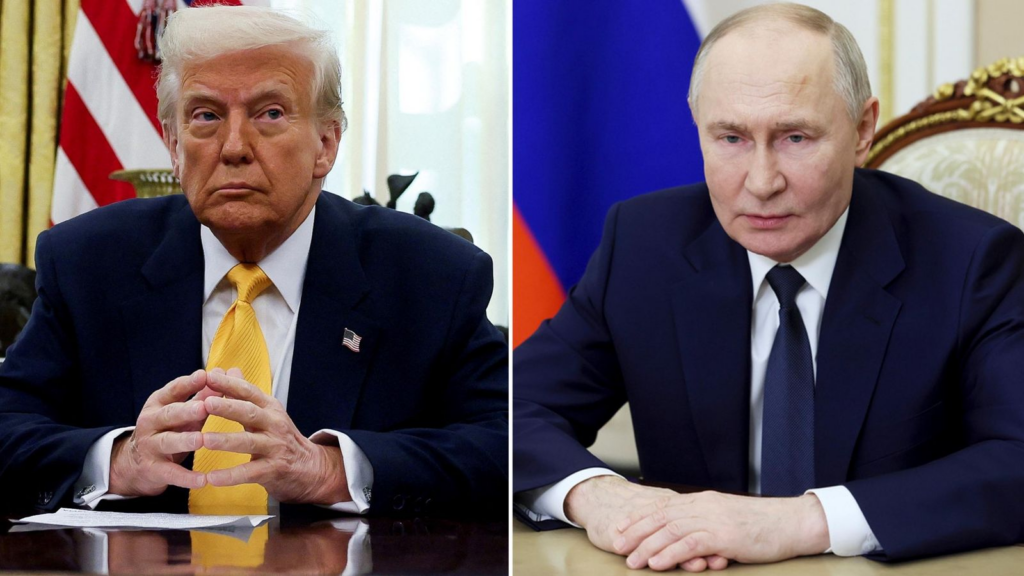
The ongoing US-Russia-Ukraine negotiations are crucial in the pursuit of peace amid the protracted Ukraine war, reflecting the complex dynamics of international diplomacy. US special envoy Steve Witkoff recently engaged in discussions with key Ukrainian officials, emphasizing the importance of de-escalating tensions that have gripped the region. The talks follow a highly publicized meeting with Russian President Vladimir Putin, which yielded little progress and underlined the challenges facing US diplomacy in the European theatre. While US efforts aim to revitalize Russia-Ukraine peace talks, discussions around Ukraine’s NATO membership remain contentious, potentially complicating the negotiation landscape. Amidst these diplomatic efforts, the urgency to end the bloodshed remains paramount, as leaders call for a swift resolution to restore stability in Ukraine and throughout Europe.
The complex dialogue involving the United States, Russia, and Ukraine centers on negotiations that could ultimately reshape the geopolitical landscape of Eastern Europe. Recent interactions, led by US envoy Steve Witkoff, highlight a delicate balancing act as world powers seek a resolution to the Ukraine conflict, which has drawn attention from various international stakeholders. With the specter of NATO’s influence looming over discussions, the stakes are high for all parties involved. The international community is increasingly focused on establishing a sustainable peace framework, one that addresses the underlying issues while ensuring security guarantees for Ukraine. As these talks progress, the hope for a transformative agreement becomes entwined with the pressing need to halt the ongoing violence in the region.
Current Status of US-Russia Ukraine Negotiations
The ongoing negotiations between the US and Russia concerning the Ukraine conflict have reached a crucial juncture. Recently, US special envoy Steve Witkoff met with key Ukrainian officials, highlighting the international effort to resolve the war that has drastically affected Ukraine and its people. While past discussions—including those at the Kremlin—reportedly yielded no substantial agreements, the continued dialogue signifies a commitment to explore possible resolutions. Witkoff’s visit to Moscow and his scheduled talks with Ukrainian officials speak volumes about US diplomacy’s role in mediating the situation.
The skepticism surrounding the ability to reach a peace agreement is palpable among negotiators and observers alike. Russian officials have emphasized their growing leverage due to recent military successes, which could complicate the landscape for US-Russia Ukraine negotiations. As diplomatic efforts proceed, the critical question remains whether both sides can reach a consensus on the contentious issues pertaining to territorial disputes and security guarantees, without allowing the discussions to become mired in further conflict.
The Role of NATO Membership for Ukraine in Peace Talks
The potential for Ukraine to gain NATO membership has emerged as a central theme in discussions surrounding the peace negotiations with Russia. Many experts posit that incorporating Ukraine into NATO could serve as a strong deterrent against future Russian aggression, bolstering their security posture. This proposition is viewed favorably among Ukraine and its European allies; however, Russia has consistently voiced staunch opposition to this idea, viewing it as a direct threat to their geopolitical interests. US President Trump’s reluctance to endorse NATO membership for Ukraine underscores the complexities of the negotiation landscape.
The assertion that NATO membership is crucial for Ukraine’s long-term security raises questions about the implications for US-Russia relations and the prospect of peace in the region. As discussed in high-level talks, ensuring Ukraine’s steady integration into Western defense structures may act as a double-edged sword—promoting military security while simultaneously intensifying tensions with Russia. Given the deep-seated historical grievances and ongoing territorial disputes, it is evident that the road toward peace negotiations involves navigating these precarious dynamics.
Steve Witkoff’s Diplomatic Efforts and Challenges
Steve Witkoff’s appointment as the US special envoy has placed him at the forefront of an increasingly complex geopolitical conflict. His recent discussions not only with Russian President Vladimir Putin but also with Ukraine’s National Security Council underline the critical nature of his role in facilitating dialogue. As he engages in these high-stakes negotiations, he faces multiple challenges, including reconciling the conflicting interests of the parties involved. Balancing humanitarian concerns with geopolitical strategies is paramount, as evidenced by Witkoff’s efforts to advocate for an end to the bloodshed and the return of displaced individuals.
Moreover, Witkoff’s involvement highlights the urgent need for a comprehensive understanding of the Ukraine conflict among US diplomats. His approach emphasizes the necessity of structured negotiations aimed at a sustainable peace that considers not just immediate outcomes, but also the long-term implications for regional stability. This approach requires nuanced diplomacy, public statements that resonate with international allies, and vital discussions around the potential concessions needed from both Ukraine and Russia.
Territorial Disputes: A Barrier to Peace
One of the most significant hurdles in the US-Russia Ukraine negotiations is the issue of territorial disputes. The status of regions captured by Russian forces remains a contentious topic that has stalled potential agreements. Reports indicate that these areas are not merely geographical points but symbolize national sovereignty for Ukraine, complicating any discussions for peace. Both sides must find a way to address these territorial claims without undermining each other’s national interests, which is a tall order amid ongoing military operations.
As negotiations continue, the importance of achieving a mutual understanding regarding territorial integrity cannot be overstated. Addressing these disputes is fundamental not only for the resolution of the current conflict but also for establishing a framework that prevents future escalations. The insistence of the Ukrainian government on reclaiming lost territories reflects its resilience and commitment to sovereignty, while Russia’s stance reveals its strategic interests in maintaining influence over these regions. Bridging this divide is essential for any serious forward movement in the peace process.
International Reactions to the Negotiation Process
Global reactions to the US-Russia negotiations concerning Ukraine have been predominantly cautious. While many countries support efforts to broker peace, they remain skeptical about the real intentions behind the talks. European leaders are keenly aware of Russia’s military posture and have expressed concern that negotiations could simply serve as a delay tactic for the Kremlin while they consolidate gains. As such, there is widespread advocacy for a sustained international pressure campaign to ensure that any peace discussions yield tangible outcomes rather than empty promises.
The involvement of various international powers signifies the far-reaching implications of the Ukraine conflict. Nations see the negotiation process as an opportunity to influence the eventual peace framework and to reassert their positions in geopolitical affairs. This underscores a complex interplay where the success or failure of these negotiations could not only shape the future of Ukraine but also redefine relationships between major world powers, including the US, Russia, and European nations.
Humanitarian Concerns Amidst Diplomatic Efforts
As the US-Russia negotiations progress, the humanitarian crisis unfolding in Ukraine cannot be overlooked. Reports of mass displacement, along with the recent accusations of child deportation by Russia, highlight the urgent need for immediate humanitarian assistance. Leaders from various countries have voiced their concern about the plight of refugees and the necessity for structured support aimed at addressing the needs of those forced to flee their homes. Such humanitarian efforts must be integrated into any diplomatic framework to ensure that peace is not merely a political agreement but a means to provide sanctuary and stability for affected communities.
Moreover, the interplay between diplomatic negotiations and humanitarian actions is critical in shaping public perception and international support for either side. As global audiences respond to the rhetoric surrounding these negotiations, tangible actions that prioritize humanitarian relief are essential. Any peace settlement that neglects the urgent humanitarian needs risks undermining its legitimacy. Thus, the necessity to marry diplomatic solutions with urgent humanitarian efforts will be paramount as negotiations unfold.
Energy Security and Its Role in the Negotiations
Energy security plays a crucial role in the negotiations surrounding the Ukraine conflict, especially given Europe’s reliance on Russian gas. Recent agreements reached by EU member states to significantly reduce dependence on Russian energy sources by 2027 illustrate the high stakes surrounding energy negotiations in relation to the broader peace talks. As the EU moves toward energy independence, questions arise about the leverage this may provide in dealing with Russia. The complexity of energy dynamics adds another layer to the already intricate negotiation landscape.
Discussions regarding energy policy have the potential to influence both military and diplomatic strategies on the ground. Russian assertions about its energy resources as a bargaining chip highlight the critical nature of energy negotiations within the peace process. For Ukraine, achieving energy security will also entail balancing engagements with Western allies and meeting the demands of Russia. Therefore, addressing these energy issues is pivotal in forming a comprehensive approach to achieving a lasting peace in Ukraine.
Future Implications of US-Russia Relations
The outcome of the US-Russia Ukraine negotiations holds significant implications for the future of US-Russia relations, alongside shaping the geopolitical landscape of Europe. Should a comprehensive peace agreement be reached that satisfies all parties, it may herald a new era of cooperation and mutual respect. Alternatively, failure to reach a consensus could entrench existing animosities, thereby perpetuating cycles of conflict and hostility. The delicate balance of diplomacy could lead to shifts in alliances, particularly if either side believes they are gaining or losing influence.
Moreover, how these negotiations unfold will inevitably influence perceptions and policies not just in Washington and Moscow, but across NATO and the EU. The potential for a reset in relations suggests that successful negotiations would require careful mediation and a willingness by both parties to prioritize collaboration over conflict. As tensions fluctuate, every diplomatic gesture will be scrutinized for its impact on not just Ukraine, but also the broader spectrum of international relations.
The Role of the International Community in the Peace Process
The international community’s involvement is integral to the success of the US-Russia Ukraine negotiations. Various nations and multilateral organizations have offered to mediate discussions, providing platforms for dialogue while presenting proposals aimed at fostering peace. According to countless global leaders, a collaborative effort is vital to apply pressure on both Ukraine and Russia to arrive at a resolution that fortified regional stability. This broad-based approach underscores the importance of concerted international action in both resolving current conflicts and preventing future crises.
Moreover, the diverse perspectives from different countries can broaden the negotiation framework, instilling a sense of shared responsibility for maintaining peace. By emphasizing a united front on the necessity for humanitarian aid and adherence to international law, the international community can influence the negotiations positively. Ongoing engagement from global powers not only enhances cooperative avenues for diplomacy but also reflects a collective commitment to peace that resonates with stakeholders across the board.
Frequently Asked Questions
What are the recent developments in US-Russia Ukraine negotiations as of October 2023?
Recent US-Russia Ukraine negotiations have seen US special envoy Steve Witkoff meeting with Ukraine’s National Security Council head, Rustem Umerov, following discussions with Russian President Vladimir Putin. These talks reportedly yielded no compromises on resolving the Ukraine war, with both sides facing significant contention regarding territorial issues and security guarantees.
How is US diplomacy affecting the outcome of the Russia-Ukraine peace talks?
US diplomacy has been crucial in facilitating dialogue between Russia and Ukraine, with envoys engaging in discussions to address outstanding issues from the ongoing conflict. The US’s involvement, including proposals for potential peace agreements, attempts to ensure that negotiations lead to a just resolution while applying pressure on Russia to end hostilities.
What role does NATO membership for Ukraine play in the ongoing US-Russia negotiations?
NATO membership for Ukraine has become a contentious issue in US-Russia Ukraine negotiations. US and European allies believe that granting Ukraine NATO membership could deter future Russian aggression, while Russia opposes this idea strongly, viewing it as a threat to its security interests.
What were the key points discussed in the latest US mission to Russia regarding Ukraine?
During the latest US mission, discussions focused on territory control in Ukraine and necessary security guarantees. Putin’s advisors have indicated that Russia’s military advancements have influenced their negotiating stance, impacting the conditions under which a peace agreement could be reached.
Why did President Trump say that ‘it takes two to tango’ in relation to the US-Russia Ukraine negotiations?
President Trump’s comment highlights the necessity of mutual willingness to negotiate for a successful outcome in the US-Russia Ukraine negotiations. It underscores that both Russia and Ukraine must be ready to compromise for any peace talks to progress effectively.
What has been Ukraine’s response to the US-Russia peace talks and the involvement of US officials?
Ukraine’s Foreign Minister has stressed the urgent need for Russia to ‘end the bloodshed,’ showcasing a clear frustration with the ongoing conflict. President Zelensky has also indicated optimism about potential peace discussions, but insists that these must be backed by international pressure on Russia.
How do recent battlefield successes influence Russia’s position in the negotiations?
Recent battlefield successes for Russia, including territorial gains, have reportedly strengthened their negotiating position in the US-Russia Ukraine talks. This military progress has led to a perception that Russia’s demands may need to be taken more seriously in the negotiations.
What consequences could arise from the ongoing US-Russia Ukraine negotiations if they fail?
If the ongoing US-Russia Ukraine negotiations fail to produce a satisfactory peace agreement, the conflict may escalate, leading to further military engagements and humanitarian crises. Additionally, it could complicate US-Russia relations and impact European security dynamics.
How is the international community, including the EU, responding to the US-Russia Ukraine negotiations?
The international community, particularly the EU, is actively pressing for an end to the war and has agreed on measures to reduce energy dependency on Russia. The EU’s stance reinforces the importance of a viable peace treaty while providing ongoing support to Ukraine in the face of aggression.
What humanitarian issues are affecting US-Russia Ukraine negotiations?
Humanitarian issues, including the forced deportation of Ukrainian children to Russia, are serious topics within the context of the US-Russia Ukraine negotiations. Calls from the US and international bodies for the immediate return of these children highlight the urgent need for addressing human rights concerns in the peace talks.
| Key Point | Details |
|---|---|
| US-Russia Negotiations | US envoy Steve Witkoff met with Russian President Vladimir Putin for nearly five hours to discuss the Ukraine conflict, but the Kremlin stated there was ‘no compromise’. |
| Meeting with Ukraine | Witkoff is scheduled to meet with Rustem Umerov of Ukraine’s National Security Council in Miami, highlighting ongoing negotiations. |
| Ukrainian Position | Ukrainian Foreign Minister emphasized the need for Russia to cease hostilities, while President Zelensky expressed optimism about the peace talks, calling for pressure on Russia. |
| Controversial Proposals | The US proposals have faced criticism for favoring Russia’s demands; key issues are the status of captured Ukrainian territories and security guarantees. |
| Military Developments | Russia claims territorial gains in eastern Ukraine and continues to assert that its military advancements change the dynamics of negotiations. |
| European Relations | Putin accused Europe of sabotaging peace efforts, juxtaposing the warming of US-Russia relations with a deepening rift with Europe. |
| Support for Ukraine | The EU is working towards reducing reliance on Russian gas and has proposed significant financial aid to support Ukraine. |
| Child Deportations | The US and other nations demanded the return of Ukrainian children forcibly taken to Russia, amid ongoing international scrutiny of this practice. |
Summary
The ongoing US-Russia Ukraine negotiations reflect the complexities and challenges in resolving the conflict, with key players engaging in discussions aimed at finding a peaceful solution. While meetings have taken place, including Witkoff’s discussions in Moscow, significant tensions remain, particularly around territorial disputes and military movements. As these negotiations unfold, the international community is closely monitoring the situation, emphasizing the importance of sustained pressure on Russia to facilitate genuine peace efforts.