Listen to this article
In recent years, US politics news has rapidly evolved, reflecting the dynamic nature of our democracy and the influence of technology on journalism. As we approach the 2024 election, understanding the current politics news trends becomes essential for citizens striving to stay informed. With an increasing focus on audience engagement in news, the future of political journalism is being shaped by the interplay of social media and traditional reporting. As platforms diversify, the impact of social media on politics is seen in both the immediacy of information dissemination and the challenges it presents, such as misinformation and polarization. This post will delve into the significant trends that define today’s political landscape and predict how they will influence the coverage and consumption of political news leading into the crucial year ahead.
Contemporary political reporting in the United States has transformed immensely, particularly with the rise of digital news platforms that cater to an evolving audience. The upcoming electoral season for 2024 influences how information is shared, drawing attention to critical developments in journalism and technology. Notably, the shift in audience dynamics requires a reconsideration of how we engage with political content, prompting conversations about the integrity and future of political journalism. The interplay between emerging media formats and established news outlets highlights a significant transition towards more engaging and instant news delivery, reshaping users’ expectations. As we analyze these shifts, we acknowledge the crucial role that responsible journalism plays in fostering an informed electorate.
The Impact of Social Media on US Politics News
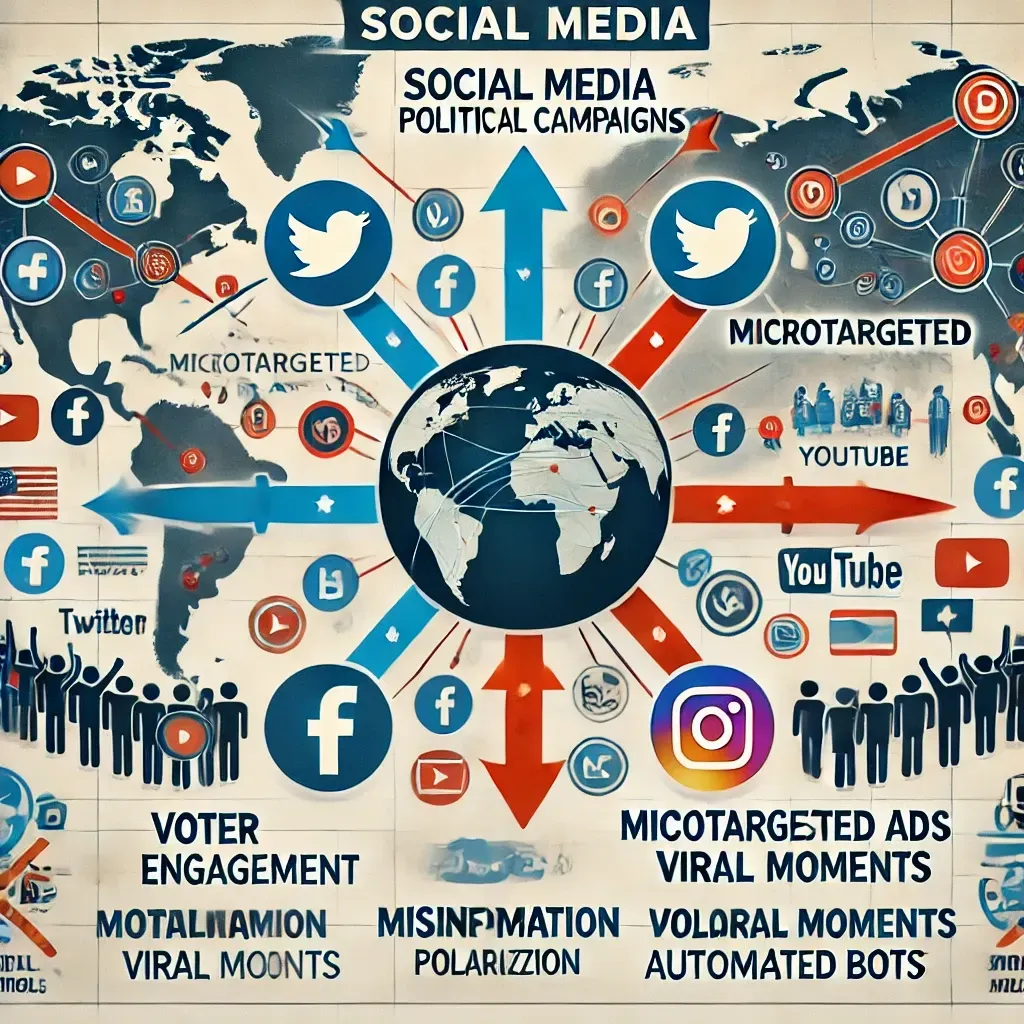
Social media has reshaped how political news is consumed and disseminated in the United States, dramatically changing the landscape of journalism. Platforms like Twitter and Facebook serve not only as channels for news delivery but also as stages for political discourse. This shift has allowed politicians to engage directly with their constituents, often on a personal level, which can enhance voter interaction. However, the immediacy of social media also carries the risk of spreading misinformation rapidly, making it essential for users to develop critical skills for discerning credible news.
Furthermore, the algorithms driving social media inevitably create echo chambers, where users are primarily exposed to views that reinforce their existing beliefs. This phenomenon deepens the divide in public opinion and creates challenges for traditional news sources striving to present balanced and factual political coverage. As we anticipate the 2024 elections, understanding the dynamics of social media will be crucial for both journalists and the public to navigate the swirling tide of political news.
Trends in Political Journalism Heading into 2024
As we approach the 2024 elections, several trends in political journalism are becoming increasingly prominent. One major trend is the rise of digital-native news outlets that provide realtime updates and in-depth analysis of political events. These platforms often combine journalism with advanced technology to offer interactive and visually engaging content, catering to younger, tech-savvy audiences that prefer quick access to digestible political news. This trend highlights how the landscape of political journalism is adapting to meet the needs of a rapidly changing media environment.
Additionally, the demand for transparency and credibility is at an all-time high. Audiences are becoming more selective about where they get their political news, leading many news organizations to invest in fact-checking initiatives and transparent sourcing of information. As the public becomes more aware of media biases and misinformation, the outlets that prioritize integrity and accountability in their reporting are more likely to build trust and loyalty among their audiences. This ongoing evolution suggests that the future of political journalism will be shaped by both technological advancements and an unyielding commitment to factual reporting.
Future Predictions for Political Engagement and News Consumption
Looking ahead to 2024, we can expect a significant evolution in how citizens engage with political news. An increase in audience engagement tools, like interactive polls and live discussions, will foster a stronger community among readers and viewers. As people seek out more substantive ways to connect with news about governance and policy, news outlets will need to create platforms that not only inform but also allow active participation. This engagement transforms passive observers into active participants in the democratic process.
Moreover, the integration of AI and journalism technology will likely reshape content delivery. AI-driven algorithms can help tailor news feeds to individual users, ensuring that they receive relevant information while also presenting opportunities for diverse viewpoints. These innovations may streamline how complex political issues are communicated, making them more accessible to the average citizen. As technology and audience preferences evolve, the political news landscape will need to remain responsive, ensuring that citizens are well-informed and prepared for their roles in shaping future governance.
Niche Journalism: Catering to Specific Audiences in Politics
As political issues diversify and become more nuanced, niche journalism is gaining traction within the realm of political news. Outlets focusing on specific demographic groups or areas of interest—such as environmental issues, social justice, or economic disparity—are emerging to cater to audiences who feel underrepresented in mainstream media. This approach allows for more comprehensive discussions around complex topics that may be overlooked by broader political coverage.
Niche journalism not only engages smaller but dedicated audiences but also fosters deeper connections among communities by addressing their unique challenges and interests. For instance, journalism that highlights grassroots movements can empower local voices and encourage civic participation. As we head into 2024, this trend is likely to expand, creating an opportunity for journalists to connect more personally with their readers and provide contextually relevant news that resonates with diverse populations.
The Crucial Intersection of Journalism and Technology in Political Reporting
The intersection of journalism and technology is crucial for the evolving landscape of political news. As advancements in technology continue to emerge, journalists are finding new ways to present political information through interactive formats, advanced data analytics, and multimedia content. These tools enable journalists to craft richer narratives that combine hard-hitting facts with captivating storytelling, ultimately enhancing audience engagement and comprehension of complex political issues.
Moreover, technology can play a pivotal role in ensuring the integrity of political news. With the rise of fact-checking services powered by artificial intelligence, journalism can enhance its accountability by verifying claims made by public figures in real time. As these technologies evolve, they will be essential in combatting misinformation and maintaining trust among audiences as the 2024 elections approach, ultimately leading to a more informed and engaged citizenry.
Frequently Asked Questions
What are the key politics news trends leading up to the 2024 election?
As we approach the 2024 election, key trends in US politics news include the rise of alternative media outlets, increased use of social media platforms for direct communication from politicians to voters, and the growing prominence of video content in news reporting. Traditional media must adapt to these changes to remain competitive and relevant.
How is social media impacting the future of political journalism?
Social media significantly impacts political journalism by facilitating immediate and direct communication between politicians and the electorate. However, it also poses challenges such as the spread of misinformation and polarized content, necessitating rigorous fact-checking and transparency from news organizations to maintain trust.
What role does audience engagement play in today’s US politics news landscape?
Audience engagement is crucial in the current US politics news landscape. Consumers are now active participants, seeking transparency and credible information. News outlets use interactive formats, like polls and live Q&As, to foster community engagement, which helps differentiate trustworthy journalism from misinformation.
What predictions can we make about US politics news in 2024?
In 2024, we can expect increased regulation of tech giants, a rise in fact-checking services, and an expansion of niche journalism aimed at specific audiences. Additionally, we may see enhanced integration of technology and AI in reporting, alongside a focus on local politics that resonates with voters’ daily lives.
How can readers find reliable US politics news amidst misinformation?
To find reliable US politics news, readers should seek out diverse, credible sources, prioritize outlets known for rigorous fact-checking, and engage critically with content. Staying informed about local issues and supporting responsible journalism helps foster a healthy democratic discourse.
| Key Trends in US Politics News | Description | Implications | |
|---|---|---|---|
| Shift to Digital Platforms | The decline of print media and the rise of online platforms have transformed how news is consumed. | ||
| Rise of Alternative Media | The emergence of blogs, podcasts, and independent sources challenges traditional news outlets. | ||
| Impact of Social Media | Social media allows real-time communication from politicians to the public but increases misinformation risks. | ||
| Video Content Dominance | Platforms like YouTube and TikTok drive news to be more engaging and bite-sized, appealing to younger audiences. | ||
| Need for Transparency | Increasing media literacy demands tougher standards for transparency from news outlets. | ||
| Building Trust | Fact-checking and unbiased reporting are crucial in regaining audience trust. | ||
| Audience Interaction | Interactive formats help engage audiences and enhance civic participation. | ||
| Increased Regulation of Tech Giants | Governments may impose stricter regulations on social media to combat misinformation. | ||
| Expansion of Fact-Checking Services | Higher demand for fact-checking services will lead to collaborations between media and fact-checkers. | ||
| Niche Journalism Growth | Niche outlets focused on specific audiences will become more prominent. | ||
| Technology and AI Integration | AI tools will enhance news reporting and data analysis. | ||
| Focus on Local Politics | More attention will be paid to local issues that affect daily lives. | ||
Summary
US Politics News is rapidly evolving as we approach the year 2024, influenced by technological advancements, audience engagement, and the demand for transparency. The shift from traditional media to digital platforms, coupled with the rise of social media, has changed how political news is consumed and disseminated. As audiences become more discerning and proactive, the emphasis on credibility and trust in journalism will only increase. Looking ahead to 2024, we anticipate significant developments such as stricter regulations on tech giants, the growth of niche journalism, and a stronger focus on local politics. These trends illustrate the necessity for responsible journalism and active civic engagement in maintaining a well-informed electorate.