
Listen to this article
Recent US military strikes on drug boats have sparked significant debate among lawmakers and military officials, igniting discussions about the legality and ethics of such actions. The US Navy, under the direction of Admiral Frank Bradley, has executed multiple targeted strikes aimed at combating drug trafficking operations in the Caribbean and Eastern Pacific. With the controversial involvement of Defense Secretary Pete Hegseth igniting controversy, lawmakers are grappling with the implications of military operations against alleged drug traffickers. Critics argue that these military strikes could infringe upon international law on military strikes, especially concerning rules of engagement with wounded combatants. This complex issue sheds light on the intersection of drug trafficking laws and the United States’ aggressive military tactics, raising critical questions about oversight and accountability in the fight against drug-related crime.
The recent military actions against vessels suspected of drug trafficking have intensified scrutiny over the US’s approach to international drug enforcement. By employing direct military strikes to deter narcotics smuggling, the US is advocating a hardline stance in combating drug cartels. This controversial strategy raises pivotal legal questions, particularly surrounding the treatment of alleged drug traffickers under established laws of war. Comprehensive discussions among military authorities and political figures underscore the challenges the US faces in balancing national security with compliance to international regulations. As the situation develops, both supporters and critics evaluate the implications of these militarized interdictions, assessing their effectiveness and morality in addressing the ongoing drug crisis.
Understanding US Military Strikes on Drug Boats
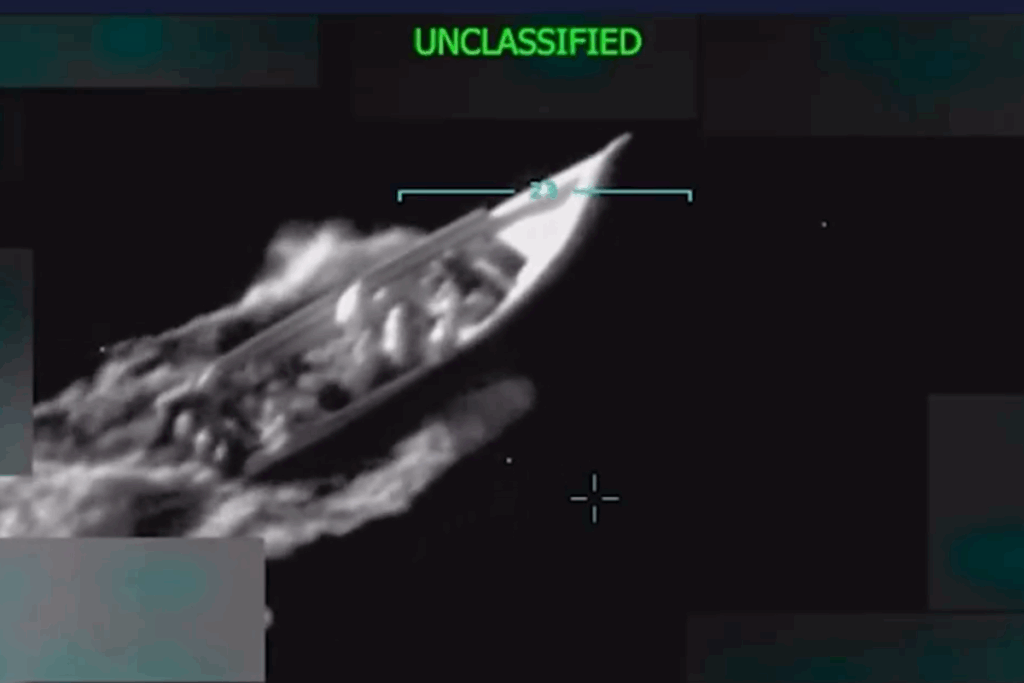
The ongoing US military operations targeting drug trafficking boats, particularly in the Caribbean and Eastern Pacific, have sparked decisive debates on their legality and effectiveness. These operations, spearheaded by the US Navy, aim to tackle the growing menace of drug trafficking that poses a threat to national security. However, incidents like the controversial double-strike on September 2 have raised eyebrows among lawmakers and human rights advocates alike, questioning whether such military tactics are justified under international law. With Admiral Frank Bradley asserting the legality of these strikes, the complexities surrounding drug trafficking laws and military interventions come to the forefront.
In light of the recent strikes, there have been calls for greater transparency and accountability regarding military actions against drug boats. Lawmakers from both parties have cautioned that the use of lethal force must adhere to established rules of engagement, especially in non-international armed conflicts. The legitimacy of officers like Admiral Bradley and the decisions made by military leaders need to be framed within the compliance of international law on military strikes against suspected civilians—such as drug traffickers.
Admiral Frank Bradley’s Role and Military Strategy
Admiral Frank Bradley’s testimony before Congress signifies a pivotal moment in the ongoing debate about the US military’s role in combating drug trafficking. As the admiral recounts events surrounding the strikes, he emphasizes that the operations were executed under his authority, aiming to protect US interests from drug-related threats. The incident has drawn attention to the broader military strategy employed in the Caribbean, which seems to prioritize aggressive engagement against drug smugglers over diplomatic solutions. This shift raises critical questions about the efficacy and moral implications of military action against individuals classified as criminals.
The strategic choices made by military leadership, particularly under the guidance of individuals like Admiral Bradley, are closely scrutinized by lawmakers and the public alike. Critics argue that the military’s current approach could escalate violence and might lead to further humanitarian crises. They echo concerns about collateral damage, especially after witnessing the harrowing footage of survivors from the initial September 2 strike. The continuing discussion on drug trafficking laws and their intersection with military engagement highlights the need for a strategic reevaluation of how the US addresses drug-related issues.
The Pete Hegseth Controversy and Legislative Fallout
The controversy surrounding Defense Secretary Pete Hegseth’s alleged directive during the September 2 strikes reflects a deeper unease within Congress regarding military oversight. Lawmakers have expressed significant concern about Hegseth’s purported comments, specifically the phrase to ‘kill them all,’ contrasting sharply with the lawful engagement rules that govern military conduct. This controversy could lead to greater scrutiny of Hegseth’s role and influence over operations, potentially reshaping how military actions against drug traffickers are perceived both domestically and internationally.
As lawmakers navigate the fallout from this incident, they are finding common ground in advocating for more stringent oversight and accountability regarding military strikes. Both Democrats and Republicans have expressed that familiarity with the military’s operations is crucial for informed legislative support. The ongoing discourse catalyzed by the Hegseth controversy is indicative of a larger pattern, where military actions abroad, especially those involving lethal force, demand rigorous evaluation against established drug trafficking laws and international legal standards.
Legal Challenges to Military Engagement in Drug Trafficking
The legal ramifications of the US military’s engagement against drug trafficking have garnered attention from international law experts. Various legal scholars point out that targeting suspected drug traffickers could breach international laws concerning armed conflict, specifically those outlined in the Geneva Conventions. With the growing number of civilian casualties resulting from US strikes, the conversation around these military actions continues to intensify, raising critical questions about the legality and morality of such interventions.
Advisors and former prosecutors have voiced their concerns, asserting that operations against drug boats must observe protocols that protect individuals not actively engaged in combat. The classification of drug traffickers as ‘combatants’ remains a contentious area in both legal and ethical discussions. This legal ambiguity surrounding military strikes on drug boats necessitates a more comprehensive and conscientious approach to addressing drug trafficking while upholding humanitarian standards.
Implications of Continuous Strikes on US-Venezuela Relations
The additional military presence in the Caribbean, particularly concerning strikes on drug traffickers, has not gone unnoticed by Venezuela, which has condemned these actions as a direct threat to its sovereignty. The country’s reaction raises broader concerns about escalating tensions in the region, as continuous US military operations could be seen as an opportunistic approach to destabilize the current Venezuelan government. This context underscores the need for careful consideration of geopolitical ramifications as US military strategies unfold.
Venezuela’s response to US maritime operations reflects the intricate relationship between military action and international diplomacy. With claims of increased regional instability stemming from US interventions, it becomes essential for US lawmakers and military leaders to navigate these waters with great care. The potential backlash from sustained military campaigns could hinder diplomatic efforts and complicate collaborative efforts to address drug trafficking and its broader consequences in Latin America.
The Response from Lawmakers and Calls for Transparency
The response from US lawmakers to the September 2 strikes has been one of mixed concern and approval, reflecting a divided stance on military intervention in drug trafficking operations. Calls for transparency are intensifying, as many representatives demand access to classified information regarding military actions against alleged drug boats. This push for clarity is fueled by apprehensions about accountability and the long-term implications of employing deadly force on civilian-targeted operations.
Prominent lawmakers, including members from both parties, are advocating for a stronger oversight mechanism to ensure that military engagements adhere to existing legal frameworks. The bipartisan urge for scrutiny highlights the significance of maintaining public trust in military operations. As the situation evolves, the combination of transparency, accountability, and adherence to legal standards will be critical to shaping future US military strategies in combating drug trafficking.
Challenges to the Legality of Military Strikes Against Civilians
The practicalities of executing military strikes on vessels suspected of drug trafficking present significant legal challenges. The recent incidents have reignited discussions regarding the distinction between combatants and non-combatants. Legal experts are raising alarms over the necessity of ensuring these operations comply with international laws that prohibit attacks on individuals who are not actively engaging in combat.
Many now question the ethics underpinning the military’s decisions, especially following reports of survivors attempting to salvage goods after an initial strike. Such situations blur the lines of lawful engagement and evoke concerns about the treatment of individuals traditionally categorized as civilians under international humanitarian law. Future military strategies must balance the urgency of combating drug trafficking with the obligation to respect and adhere to legal standards that protect vulnerable populations.
Addressing Public Perception of Military Campaigns
Public perception of the US military’s operations against drug trafficking has become increasingly complex and contentious. As footage of military strikes becomes publicly available, the narratives surrounding these operations are subject to scrutiny and debate. The release of such materials influences how the public views military ethics and accountability, making it crucial for military leaders to communicate effectively and transparently regarding the rationale for their actions.
Furthermore, the portrayal of drug traffickers in the media as either ‘criminals’ or ‘combatants’ complicates public perceptions of the military’s role. The necessity for clear communication about the objectives of military campaigns against drug trafficking is paramount, not only to secure public support but also to justify such engagements in the face of controversial humanitarian implications.
Potential Consequences of Military Escalation
As the US continues to escalate its military engagements against drug trafficking, the potential consequences could extend well beyond immediate operational objectives. Heightened military activities often lead to a surge in anti-American sentiments, especially in regions most impacted by these interventions. This backlash can further complicate efforts to establish collaborative measures with local governments and populations affected by the drug trade.
Moreover, the ongoing military campaigns can inadvertently create a cycle of violence that undermines the effectiveness of long-term solutions aimed at eradicating drug trafficking. The challenge will be to reassess military strategies that might not only produce short-term gains but also foster lasting stability in affected regions. As US policymakers consider future actions, they must take into account the broader implications such military decisions hold for both international relations and domestic security.
Frequently Asked Questions
What are the recent US Navy strikes related to drug trafficking laws?
The recent US Navy strikes involved military actions in the Caribbean against suspected drug trafficking boats. These strikes aim to enforce US drug trafficking laws in international waters, raising legal and ethical questions around the use of military force against civilian vessels.
Who ordered the US military strikes on drug boats and what was Admiral Frank Bradley’s role?
Admiral Frank Bradley has stated that he was responsible for the US military strikes on drug boats, acting within legal parameters. His testimony sought to clarify the chain of command and the legality of the strikes, especially following controversies surrounding Defense Secretary Pete Hegseth’s alleged involvement.
What does international law say about military strikes on drug trafficking boats?
International law, particularly based on the Geneva Conventions, typically prohibits military forces from targeting civilians or those who are no longer combatants. The legality of US military strikes on drug boats is under scrutiny, as experts argue that these types of operations may violate international conflict rules.
How did lawmakers react to the US military strikes on drug boats?
Lawmakers expressed mixed reactions to the US military strikes on drug boats. Some supported Admiral Frank Bradley’s decisions, while others raised concerns about the ethical implications and legality of the strikes, especially after viewing footage of the operations that showed survivors from the first strike.
What are the implications of the Pete Hegseth controversy related to US military strikes on drug boats?
The Pete Hegseth controversy centers around allegations that he ordered a second US military strike to eliminate survivors from an earlier attack on a drug boat. This claim has sparked debates over accountability and the legal justification of military force exercised against suspected drug traffickers.
Have US military strikes on drug boats been effective in reducing drug trafficking?
While President Trump has claimed that US military strikes on drug boats have led to a significant reduction in maritime drug trafficking, comprehensive evidence supporting these claims has not been publicly provided, leaving the effectiveness of such military operations in question.
What concerns have been raised regarding the deaths resulting from US military strikes on drug boats?
Concerns have been raised about the legality and morality of the deaths resulting from US military strikes on drug boats, especially regarding the treatment of survivors and whether they were legitimate targets. Critics argue that the strikes contravene established rules under international law regarding wounded combatants.
| Key Points | Details |
|---|---|
| Testimony from US Navy Admiral | Admiral Frank Bradley testified that Secretary Pete Hegseth did not give the order to “kill them all” during the second military strike on a drug boat. |
| Bipartisan Reactions | Both Democratic and Republican lawmakers expressed deep concern after viewing video footage of the strikes. |
| Legal Concerns | There are ongoing questions about the legality of military force used against suspected drug boats, especially following the second strike which targeted survivors. |
| Response from the White House | The White House claimed Admiral Bradley acted within the law, and not at the direction of Hegseth. |
| Military Statistics | The strikes have resulted in over 80 casualties in the Caribbean and Eastern Pacific. |
| International Law Perspective | Experts suggest that striking survivors may violate international law, framing the actions as potential crimes against humanity. |
Summary
US military strikes on drug boats have sparked significant controversy, particularly surrounding the legality and ethicality of targeting survivors of these operations. Testimonies from lawmakers indicate a deep divide in perspectives regarding the strikes’ justification, raising essential questions about military engagement rules under international law. As investigations continue, the implications of these strikes on US foreign policy and regional stability remain a focal point for both lawmakers and international observers.

