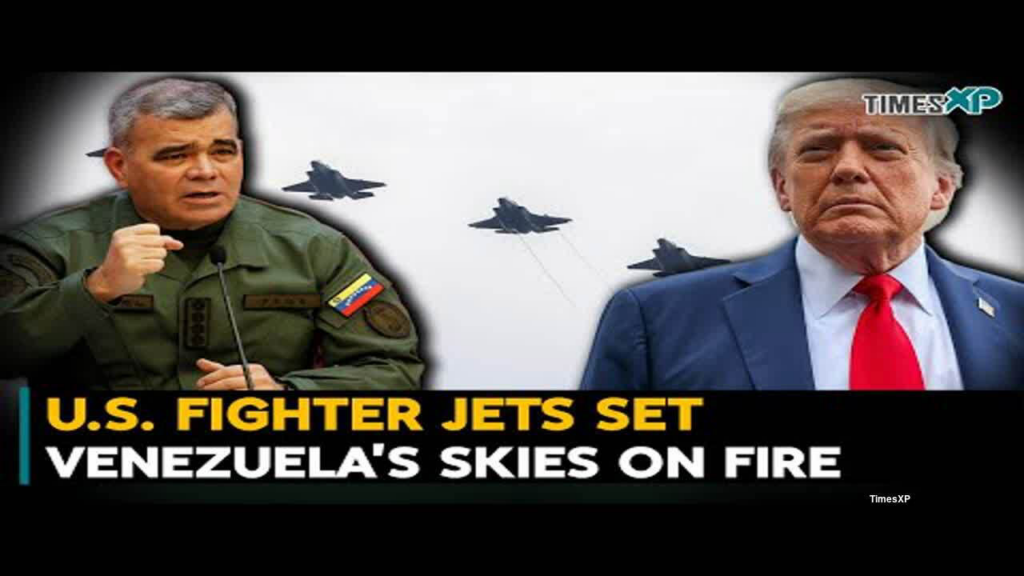
US jets Venezuela have become a focal point of international concern as tensions rise in the Latin American nation. Recently, two F/A-18 Super Hornets were spotted circling the Gulf of Venezuela, closely monitoring activities in a region fraught with geopolitical strife. Their presence underscores the US military operations aimed at countering threats amid ongoing Venezuelan tensions that have escalated due to accusations of drug trafficking Venezuela by local authorities. The deployment of these aircraft signals a commitment to scrutinize the airspace and bolster deterrence against illicit activities. As the diplomatic landscape shifts, the presence of US jets raises questions about the potential for increased military engagement in the region and its implications for regional stability.
In light of the recent activity involving American airpower near Venezuela, the situation showcases the complex dynamics of military strategy and international relations. The deployment of advanced aircraft like the F/A-18 Super Hornets, which have been operating over the Gulf of Venezuela, highlights the escalation of US military initiatives in response to heightened tensions and security concerns. With a focus on combatting issues such as narcotics trafficking, the maneuvering of these jets signifies a proactive approach by US forces. Furthermore, as the Venezuelan government faces internal and external pressures, the implications of these military exercises can offer insight into the broader geopolitical objectives at play. The strategic significance of the region is underlined by the ongoing need for vigilance against potential threats.
US Jets Venezuela: Escalating Tensions in the Gulf of Venezuela
The recent activity of US jets in the Gulf of Venezuela underscores a period of heightened tension between the United States and Venezuela. On Tuesday, two F/A-18 Super Hornets were tracked circling the Gulf, reflecting the ongoing US military operations aimed at monitoring and potentially addressing Venezuelan threats. These jets, flying just off the coast, not only demonstrate increased military presence but also signal a strategic maneuver by the US amidst concerning regional dynamics, particularly drug trafficking issues linked to Venezuela.
In addition to the routine training flights, the jets’ maneuvers are part of more extensive US efforts to exert pressure on the Maduro regime. US military operations have ramped up in response to accusations of Venezuela’s involvement in drug trafficking activities, seeking to destabilize the region and undermine US interests. The show of force with F/A-18 jets operating near Maracaibo and the Gulf of Venezuela is intended to send a strong message to both the Venezuelan government and the international community regarding US resolve in the face of such tensions.
Frequently Asked Questions
What is the significance of US jets operating near Venezuela?
The presence of US jets, specifically the F/A-18 Super Hornets, near the Gulf of Venezuela signifies heightened military activity in response to increasing Venezuelan tensions and drug trafficking concerns. These operations aim to monitor activities in the region and send a clear message regarding US military capabilities.
How do US military operations impact Venezuelan tensions?
US military operations, including recent flights of F/A-18 Super Hornets over the Gulf of Venezuela, contribute to rising tensions by demonstrating military readiness. Venezuelan officials view these actions as provocative, increasing the likelihood of conflict as the US aims to pressure the Maduro regime amid accusations of drug trafficking.
What role do F/A-18 Super Hornets play in US operations near Venezuela?
The F/A-18 Super Hornets are utilized for their versatility in air-to-air and air-to-ground combat, playing a critical role in US operations near Venezuela. They not only conduct reconnaissance but also provide air support and gather intelligence on Venezuelan defenses, crucial for understanding the military landscape in the region.
Why are US jets circling the Gulf of Venezuela?
US jets, including the F/A-18 Super Hornets, have been circling the Gulf of Venezuela as part of routine training flights, but with the added strategic objective of monitoring Venezuelan military responses and drug trafficking activities. This demonstrates the US’s commitment to maintaining influence in the region.
What implications do US jets have for drug trafficking in Venezuela?
The operations of US jets, particularly in monitoring the Gulf of Venezuela, are aimed at countering drug trafficking networks operating from the region. By tracking suspicious vessels and bolstering military presence, the US seeks to disrupt drug flows to American soil while simultaneously exerting pressure on the Venezuelan government.
Are the US jets near Venezuela a sign of potential military engagement?
While the presence of US jets such as the F/A-18 Super Hornets near Venezuela has raised concerns about potential military engagement, they are primarily focused on surveillance and intelligence gathering. However, the situation remains volatile, and any aggressive actions by either side could escalate tensions further.
How does Venezuelan leadership respond to US military operations?
Venezuelan leadership, under President Nicolás Maduro, perceives US military operations, including flights by F/A-18 Super Hornets, as attempts at destabilization and intervention. Maduro has publicly condemned these moves, claiming they threaten the sovereignty of Venezuela and are designed to undermine his administration.
What recent developments have involved US Air Force activity near Venezuela?
Recent developments include multiple flights by US Air Force assets, such as the F/A-18 Super Hornets and EA-18G Growlers, conducting loops over the Gulf of Venezuela. These activities represent a continuation of US military operations aimed at intelligence gathering and surveillance amidst increasing tensions with Venezuela.
| Key Points | Details |
|---|---|
| US Jets in Venezuela | Two US fighter jets, F/A-18 Super Hornets, tracked circling the Gulf of Venezuela. |
| Timing of the Event | The jets were observed around 1:00 PM local time, circling for about 40 minutes. |
| Purpose of the Flight | Reported as a “routine training flight,” amidst rising tensions. |
| Political Context | Coincided with US strikes against alleged drug-trafficking boats from Venezuela. |
| Legal and Political Accusations | Venezuelan President Maduro accused the US of destabilization efforts. |
| Previous Military Activity | Prior flights included B-52 and B-1 bombers in the area. |
| Potential Intelligence Gathering | Purpose may include probing Venezuelan defenses and gathering signals intelligence. |
| Military Assets in the Region | USS Gerald Ford was deployed, indicating heightened military readiness. |
Summary
US jets Venezuela are a focal point of international tension as evidenced by the recent tracking of F/A-18 fighter jets circling the Gulf of Venezuela. This incident illustrates the increasing military presence of the United States in the region, particularly in light of allegations of drug trafficking to the US from Venezuela and ongoing political conflicts. The aircraft were reportedly conducting routine operations, yet their proximity to Venezuelan airspace raises significant concerns over potential military escalation and intelligence operations in preparation for future actions. Overall, the situation reflects the broader geopolitical dynamics between the US and Venezuela.