Listen to this article
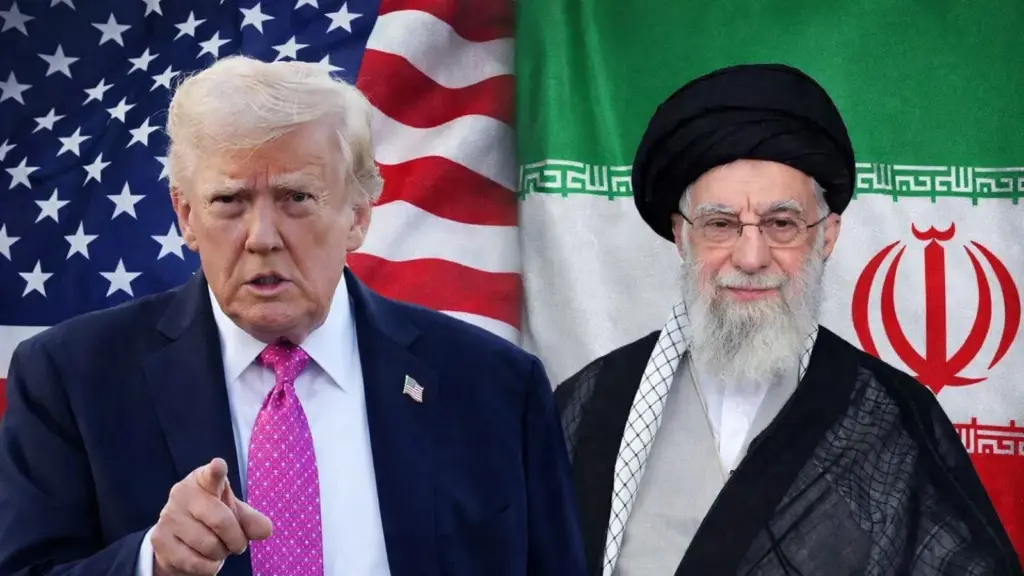
The recent US Iran talks have sparked global interest as they are seen as critical to de-escalating tensions in a region fraught with conflict. These discussions come amidst President Trump’s aggressive stance on the Iran nuclear deal, raising concerns over a potential military confrontation. Omani mediation has played a pivotal role, with diplomats exchanging innovative ideas in hopes of reaching a consensus before further regional tensions escalate. As the US military buildup in the Middle East intensifies, the stakes have never been higher for both nations to find common ground. The outcome of these talks could reshape diplomatic relations and influence the broader geopolitical landscape, particularly concerning nuclear proliferation and security in the region.
Engaging with the dynamics of US-Iran diplomacy reveals a complex landscape marked by years of animosity and strategic maneuvering. Recent negotiations, often characterized by indirect discussions, unveil the intricate efforts from both sides to address longstanding disputes surrounding Iran’s atomic ambitions and military posturing. The backdrop of heightened military presence in the Persian Gulf adds urgency to these interactions, compelling stakeholders to pursue a resolution that could stabilize the region. With Omani officials acting as intermediaries, new avenues for dialogue are emerging even as historical grievances loom large. Ultimately, the successful navigation of these conversations is paramount to mitigating the risk of conflict and fostering a diplomatic path forward.
The Importance of US-Iran Talks in Preventing Conflict
The recent indirect talks between the US and Iran are viewed as critical in the ongoing efforts to avert potential conflict in the region. With the backdrop of escalating tensions due to the US military buildup in the Middle East, these discussions are essential for fostering dialogue and understanding. The Omani mediation has introduced a fresh dynamic, allowing both sides to explore new ideas that could lead to a breakthrough in negotiations. Oman’s Foreign Minister, Badr Albusaidi, has emphasized the need for creativity in addressing complex issues, underscoring the importance of finding common ground.
Moreover, the significance of these talks extends beyond immediate diplomatic concerns; they also relate to broader regional security. The ongoing fears of nuclear proliferation in Iran have heightened anxieties among neighboring countries and the West. Thus, the US and Iran must navigate their historical grievances and current military posturing to establish a framework that allows them to coexist peacefully. By promoting such dialogue, there is potential not only to stabilize bilateral relations but also to contribute to the overall security architecture of the Middle East.
Challenges Surrounding the Iran Nuclear Deal
The revival of the Iran nuclear deal remains a contentious point in US-Iran discussions. While skepticism persists about Iran’s nuclear ambitions, the possibility of re-engaging in serious negotiations offers a glimmer of hope for resolving longstanding disputes. Both sides have issued conflicting statements regarding uranium enrichment and inspections, making it essential to address these topics head-on during talks. The US has pushed for stringent measures to prevent Iran from developing nuclear weapons, while Iran insists that its program is peaceful, complicating the landscape of potential agreements.
The challenge is further compounded by regional tensions and the implications of US military action. President Trump has hinted at military strikes, creating an atmosphere of uncertainty that could derail diplomatic efforts. The Iranian leadership, determined not to appear weak, is unlikely to concede significant ground without assurances of economic relief and the lifting of sanctions. This intricate dance between maintaining national security and pursuing diplomatic solutions is critical for both nations as they navigate the complex realities of the Middle East.
US Military Buildup and Its Impacts on Diplomacy
The substantial US military buildup in the Middle East, characterized by the deployment of troops and naval assets, has intensified fears of conflict with Iran. As President Trump has positioned the US as ready to respond to Iranian actions, these military maneuvers send a clear signal of deterrence but also raise the stakes for diplomatic negotiations. Iran has reacted strongly to the US presence, vowing to counter any perceived aggression, which could provoke a spiral of military escalation.
This precarious situation complicates the diplomatic landscape, where both countries must balance military readiness with the pursuit of stable negotiations. The presence of US forces serves as a double-edged sword: it can bolster negotiations by demonstrating resolve while simultaneously exacerbating tensions. For successful diplomacy, it will be crucial for the US to manage its military posture while encouraging Iran toward compliance with international norms surrounding nuclear weapons.
The Role of Omani Mediation in US-Iran Relations
Oman has emerged as a pivotal mediator in the ongoing US-Iran talks, effectively leveraging its neutral position to facilitate dialogue between the two nations. The Omani Foreign Minister’s contributions have been characterized by a focus on fostering communication and trust, which are essential for reaching a mutual understanding. His assertion of the parties’ openness to new ideas is a signal that despite historical animosities, there is room for innovative solutions to emerge.
The role of Oman highlights the importance of third-party involvement in international negotiations, especially in regions plagued by deep-seated rivalries. With its established diplomatic ties to both Washington and Tehran, Oman serves as a bridge that can promote an atmosphere conducive to dialogue. As the discussions advance, the effectiveness of Omani mediation could very well determine the trajectory of US-Iran relations and the prospects of achieving a lasting agreement.
Trump’s Strategy Towards Iran and its Implications
President Trump’s strategy towards Iran reflects a blend of diplomatic overtures coupled with military threats, creating a complex environment for negotiations. While the administration has expressed a commitment to pursuing a nuclear deal, the threat of military action looms large, placing additional pressure on Iranian officials. Trump’s approach appears to aim at compelling Iran to comply with US demands under the dual threat of diplomacy or the use of force, mirroring aspects of the Trump Iran strategy from previous years.
This duality poses risks; the more aggressive posturing may alienate Iranian negotiators, making them less willing to engage sincerely in talks. Analysts contend that without clarity on Trump’s intentions and demands, the potential for fruitful negotiations diminishes. In this high-stakes scenario, achieving a delicate balance between deterrence and diplomacy will be vital to prevent escalation and foster a more stable dialogue process.
Addressing Regional Tensions and Security Concerns
Regional tensions in the Middle East significantly impact the dynamics of US-Iran negotiations. As both nations navigate their complex relationship, the presence of proxy conflicts and regional instability complicate talks. Iran’s support for groups such as Hezbollah and the Houthis fuels anxieties not just for the US, but also for regional allies like Israel and Saudi Arabia. Consequently, the outcomes of US-Iran discussions are intricately tied to broader security concerns in the region.
To effectively address these regional tensions, negotiations must encompass not only Iran’s nuclear program but also its military activities and alliances. Diplomacy may require a comprehensive approach that integrates discussions on missile programs and support for proxies, alongside nuclear talks. By tackling these interconnected issues, there is a chance to forge a more stable peace that addresses mutual security concerns across the Middle East.
Potential Outcomes of US-Iran Discussions
As the US and Iran proceed with their talks, the potential outcomes remain uncertain but could reshape the geopolitical landscape of the region. Resolving key issues surrounding the nuclear program could lead to a resurgence in diplomatic relations, easing sanctions that have crippled Iran economically. Conversely, a failure to reach an agreement could result in increased military action, escalating tensions further and possibly leading to conflict.
Therefore, both sides have a vested interest in finding common ground. The establishment of verification measures and a mutual understanding of nuclear activities might foster a sense of security that encourages further cooperation. The outcome of these discussions will not only impact US-Iran relations but could also influence broader regional dynamics, either paving the way for reconciliation or deepening existing divides.
Iran’s Position on Nuclear Enrichment and Global Implications
Iran’s stance on nuclear enrichment poses a critical juncture in the ongoing discussions with the US. While Iran has repeatedly rejected demands to cease its uranium enrichment activities, there are indications that it may entertain certain concessions in the interest of reaching a diplomatic resolution. Achieving a compromise on enrichment levels and the monitoring of its nuclear facilities will be key to dispelling apprehensions held by the international community regarding Iran’s nuclear ambitions.
The implications of Iran’s position extend beyond its borders, as the outcomes of these talks could set precedents for nuclear negotiations globally. Balancing national sovereignty with adherence to international regulations will be essential for Iran as it navigates these complex negotiations. A successful agreement could reinvigorate multilateral approaches to nuclear non-proliferation, shaping global security dynamics for years to come.
The Impact of Sanctions on Iran’s Economic Landscape
Sanctions have severely impacted Iran’s economy, acting as both a catalyst for political change and a barrier to negotiations. The Iranian regime faces internal pressure as economic grievances mount among its populace, exacerbated by international isolation. As discussions advance, Iran is likely to link nuclear negotiations with the lifting of sanctions, viewing economic relief as essential to gaining public support for any deal.
Understanding the economic implications of sanctions must be a core element of the negotiations. For successful diplomacy, the US will have to find a way to navigate these economic issues while maintaining pressure on Iran to comply with international norms. Balancing these objectives will be crucial to any potential agreement that aims to stabilize the region and address the root causes of conflict.
Frequently Asked Questions
What is the current status of US Iran talks regarding the nuclear deal?
The US and Iran are currently engaged in indirect talks, mediated by Oman, to discuss the Iran nuclear deal and avert conflict. These talks are crucial in addressing regional tensions and finding a diplomatic solution to outstanding issues, including uranium enrichment.
How does the US military buildup relate to the US Iran talks?
The US military buildup in the Middle East coincides with the ongoing US Iran talks, creating an atmosphere of tension. The presence of additional military forces aims to pressure Iran into complying with demands related to its nuclear program, while officials seek a diplomatic resolution.
What role does Omani mediation play in the US Iran talks?
Omani mediation is significant in the US Iran talks, as Oman’s Foreign Minister Badr Albusaidi facilitates communication between both countries. His involvement aims to foster dialogue and explore creative solutions to persistent issues, particularly the Iran nuclear deal.
What are the implications of Trump’s Iran strategy on the US Iran talks?
Trump’s Iran strategy, which includes a combination of diplomatic engagement and military threats, influences the dynamics of the US Iran talks. His approach seeks to compel Iran to negotiate terms favorable to the US, especially concerning its nuclear program.
Why are US Iran talks essential for regional stability?
US Iran talks are critical for regional stability as they address contentious issues such as Iran’s nuclear ambitions and its support for militias across the Middle East. A successful dialogue could reduce tensions and avert potential military conflicts.
What are the main challenges facing the US Iran talks right now?
The primary challenges in the US Iran talks include Iran’s refusal to halt uranium enrichment, the US military buildup in the region, and differing expectations regarding sanctions relief. Achieving consensus on these key issues is vital for progress.
Can US Iran talks lead to a new nuclear agreement?
The ongoing US Iran talks have the potential to lead to a new nuclear agreement if both sides can find common ground on key issues, such as uranium enrichment limitations and sanctions. However, the success of these negotiations remains uncertain.
What has Iran stated about developing nuclear weapons amid US Iran talks?
In response to US accusations, Iran has repeatedly affirmed that it will never develop nuclear weapons. This stance is a key point of discussion in the US Iran talks, where verification and monitoring mechanisms could be proposed.
How do US Iran talks affect the broader geopolitical landscape?
US Iran talks significantly impact the broader geopolitical landscape by influencing relationships in the Middle East. Successful negotiations may ease tensions not only between the US and Iran but also among regional allies, including Israel.
What could happen if US Iran talks fail?
If US Iran talks fail, there is a heightened risk of military conflict, as indicated by President Trump’s military strategy. An escalation could result in retaliatory actions from Iran and further destabilization in the region.
| Key Point | Details |
|---|---|
| Talks Overview | US and Iran convene indirect talks in Geneva with Omani mediation. |
| Mediator | Oman’s Foreign Minister Badr Albusaidi facilitates discussions. |
| US Strategy | President Trump indicates willingness to use military action to pressure Iran. |
| Iran’s Position | Iran rejects US demands to cease uranium enrichment but may negotiate certain aspects of its nuclear program. |
| Regional Military Developments | US increases military presence with aircraft carriers and additional troop deployments. |
| Potential Outcomes | Discussions may lead to a regional consortium for uranium enrichment and lifting of sanctions. |
| Concerns and Risks | An attack on Iran could escalate into a broader conflict in the Middle East. |
Summary
The US Iran talks are critical in addressing escalating tensions and preventing conflict in the region. With both parties showing some openness to new ideas, yet significant hurdles remain. The outcome of these discussions could significantly influence the geopolitical landscape, and the continued military buildup by the US increases the urgency for a diplomatic resolution. The future of US-Iran relations hinges on these talks, as the world watches closely for any developments.