Listen to this article
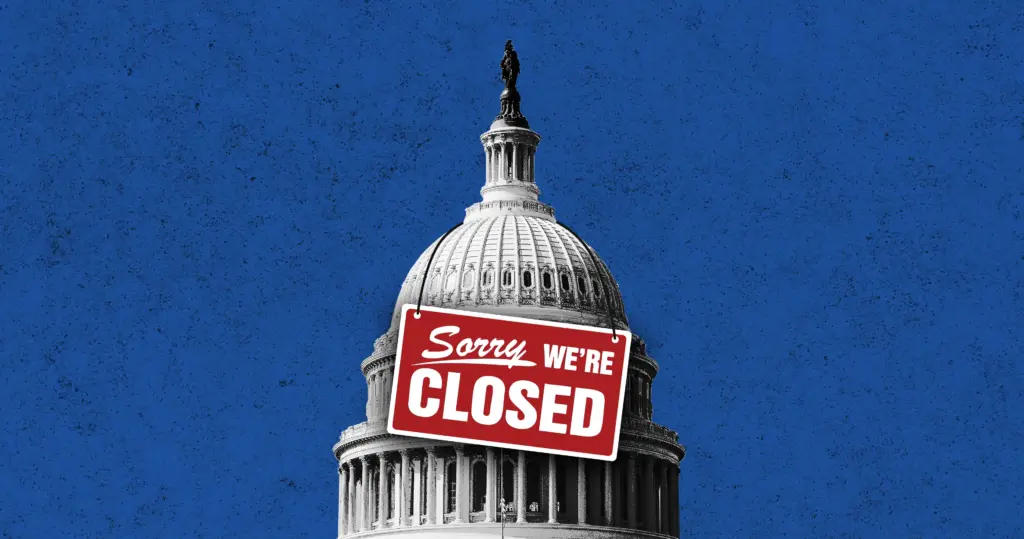
As discussions heat up in Washington DC, a potential US government shutdown looms, driven by the recent tragic events involving federal immigration agents. The fatal shooting of a nurse in Minneapolis has sparked outrage and intensified negotiations regarding the funding of the Department of Homeland Security (DHS). With Democrats demanding additional oversight measures, the impact of a government shutdown could ripple through various sectors, including healthcare and federal services. Government shutdown news indicates that the looming crisis has prompted lawmakers to push for a solution to ensure vital services remain uninterrupted. If an agreement is not reached soon, the implications could be severe, marking a second government shutdown in just a few months, with lawmakers scrambling to avert it before the impending deadline.
The impending federal funding crisis, often referred to as a government stoppage or budget impasse, poses significant risks to various agencies and public services. In the wake of recent incidents involving immigration enforcement, particularly a controversial shooting incident in Minneapolis, lawmakers are evaluating the future of federal spending, particularly with regard to securing financial support for the Department of Homeland Security. As negotiations progress, the ramifications of this budgetary freeze could extend far beyond politics, impacting essential services and public safety. Congress faces mounting pressure to reconsider funding allocations while addressing the broader safety concerns related to federal immigration agents. The urgency to find a resolution has never been more pressing as both parties navigate the complex landscape of fiscal responsibility and governmental oversight.
The Current State of Government Funding Amid Political Turmoil
As discussions escalate in Washington D.C. to avert a potential US government shutdown, the looming deadline has ignited intense negotiations centered around funding allocations. The recent unprovoked shooting incident involving federal immigration agents in Minneapolis has placed additional scrutiny on the Department of Homeland Security (DHS). Democrats are advocating for the introduction of new oversight measures that would reform the practices of federal immigration agents, demonstrating how significant political events can directly influence government spending bills. The negotiations are crucial for ensuring that critical functions of the government continue without interruption, especially in the face of such incidents.
Interestingly, while the House of Representatives has already passed the spending bill, the Senate faces a rocky path towards approval. With the requirement of 60 votes to move forward, bipartisan support seems necessary given the Republican majority’s limited numbers. This political maneuvering highlights a broader trend in contemporary governance where individual incidents, such as the Minneapolis shooting, can mobilize public and political pressure to reform governmental approaches, particularly concerning federal immigration enforcement and funding allocations.
Impact of Government Shutdown on Federal Services and Agencies
Should the government shutdown occur, it won’t affect every federal agency uniformly. Some sectors, like the Justice Department and the FBI, are already funded through to fiscal 2026, largely mitigating the impact on key law enforcement functions. However, sections of DHS that were part of the contentious spending bill, including Immigration and Customs Enforcement (ICE), would undoubtedly face significant disruptions. Several essential services could grind to a halt or see operational delays, directly impacting the public and federal employees alike.
Potential consequences of a prolonged shutdown extend into various sectors of government operations. For instance, delays in tax refund processing through the Internal Revenue Service (IRS) could cause financial strain for countless American taxpayers while also disrupting governmental functions’. In healthcare, critical medical research may be stalled, and public health initiatives could encounter disruptions. Understanding these ramifications is vital, as they reveal how interconnected different federal bodies are and the broader societal implications of a single spending bill.
Democratic Demands and the Future of DHS Oversight
In light of recent events, Democrats have rallied around a series of demands aimed at increasing oversight of the Department of Homeland Security (DHS). These measures call into question how federal immigration agents conduct their operations, specifically surrounding the processes involved in arresting individuals. The required changes emphasize a new standard of accountability in federal enforcement, reflecting a growing public demand for transparency in government practices. This push illustrates not only the urgency around DHS funding but also signifies a potential reshaping of immigration policies moving forward.
The proposed legislative changes could lead to more stringent requirements for law enforcement agencies, mandating federal agents to acquire warrants before carrying out arrests. Additionally, clearer identification protocols for these agents may cultivate a sense of trust within communities, often strained by past enforcement actions. As these discussions unfold, it becomes clear that the future of DHS funding and the trust between governmental agencies and the public will hinge on how effectively lawmakers can address and integrate these oversight measures.
Historic Context: Past Government Shutdowns and Their Outcomes
Drawing from the history of government shutdowns in the US, the ramifications of such an event can ripple through various facets of society and governance. The last recorded shutdown lasted 43 days and was characterized by significant disruptions for government employees and critical services. Approximately 1.4 million federal workers found themselves on unpaid leave, while millions faced delays in essential services, including food assistance. Understanding this historical context is paramount as it underscores the balancing act legislators must conduct while negotiating funding bills.
Since 1981, the phenomenon of government shutdowns has occurred 16 times, illustrating a trend of increasing partisan polarization that has significant impacts on governance. These events often act as litmus tests for public sentiment regarding political leaders and their effectiveness in managing the federal budget. Moreover, as history reveals, each shutdown brings with it a unique set of challenges and discussions that can either catalyze reform or exacerbate existing problems in the governmental structure.
Key Players in the Negotiation: Who’s Involved?
The ongoing negotiations around the spending bill and a potential government shutdown have brought several key figures into the spotlight. Senate Minority Leader Chuck Schumer takes a firm stance against funding for ICE unless significant reforms are implemented, signaling Democratic unity on this pressing issue. His statements resonate with a broader demand for accountability in immigration enforcement, showcasing the willingness of Democratic leaders to leverage critical funding talks to advance their policy objectives.
On the opposite side, Republican Senate Majority Leader John Thune has suggested that productive negotiations are essential, yet he is cautious about how changes in funding may coincide with avoiding a government shutdown. The dynamic between these political leaders emphasizes the challenges of reaching consensus; while Democrats push for reform, Republicans navigate the need to maintain governmental operations. This nuanced interplay of power and negotiation sets the stage for how the legislature might resolve this critical funding dilemma.
Understanding the Role of ICE in Government Operations
Immigration and Customs Enforcement (ICE) plays a pivotal role in the broader framework of federal law enforcement, handling immigration issues and deportations across the United States. Understanding ICE’s powers—especially concerning the use of force—has become increasingly important amid the call for oversight following controversial incidents. This complex relationship between federal enforcement and community safety continues to spark debate regarding the agency’s operations, particularly in light of the Minneapolis shooting incident.
The tension surrounding ICE’s operations is a reflection of broader societal debates surrounding immigration reform and public safety. As legislators propose measures to curtail ICE’s authority, conversations about the ethical implications of its practices come to the forefront. Considering the agency’s broad scope of powers, there is a necessity for transparency and strategic reform to ensure that enforcement aligns with the values of justice and equity within the community.
The Fallout from the Minneapolis Shooting Incident
The tragic shooting of Alex Pretti in Minneapolis has intensified the national discourse surrounding immigration enforcement and the operational standards of federal agents. This incident serves as a grim reminder of the potential consequences of unregulated enforcement actions. In the aftermath, public outcry and demands for accountability have rapidly emerged, compelling lawmakers to reassess federal immigration policies and practices, particularly in relation to funding allocations for agencies like DHS.
This evolving conversation embodies the complexities of managing public safety alongside individual rights. As anger and grief resonate within communities, the political landscape shifts, prompting both sides of the aisle to confront the implications of enforcement actions. The Minneapolis shooting underscores the pressing need for comprehensive reform that ensures oversight while addressing the root causes of such tragedies, demonstrating how individual events can catalyze larger legislative initiatives.
Navigating the Crucial Deadline: What Happens Next?
As the deadline for passing the spending bill looms closer, the stakes for lawmakers have never been higher. With a government shutdown potentially commencing at midnight on January 30, the urgency to reach an agreement has become palpable. This critical juncture illustrates the tension within Washington, balancing the need for sufficient funding for necessary services against the backdrop of rising calls for oversight in immigration enforcement. The implications of not reaching a deal resonate far beyond politics and directly affect millions of federal employees and ordinary citizens.
The negotiations in the coming hours will dictate whether a temporary measure can be put in place to prevent a shutdown and continue the vital discussions around DHS funding. Should the parties fail to reach a consensus, the ramifications could be substantial, highlighting the precarious balance that defines current governmental operations amidst an increasingly polarized political climate. Ensuring governmental functionality without compromising on necessary reforms is a challenge that lies ahead.
Public Perception and Government Accountability
Public perception plays a critical role in shaping government policy, especially in light of recent events that have drawn attention to the actions of federal immigration agents. The Minneapolis shooting has ignited a wave of backlash not only against ICE but against the broader immigration enforcement framework itself. It underscores the pressing need for government accountability and responsiveness to community concerns, which have been amplified through social media and public demonstrations.
As citizens demand change, there is a palpable shift in how lawmakers interact with their constituents. This atmosphere of heightened scrutiny and activism reflects an evolving public sentiment towards immigration enforcement and government transparency. In the wake of tragedies, the electorate’s voice becomes increasingly powerful, reminding officials that accountability is paramount to restoring faith in the institutions designed to serve them. How this will influence future legislative action is crucial to monitor in the days and weeks to come.
Frequently Asked Questions
What is the current status of the US government shutdown talks?
Discussions to avert a US government shutdown have intensified in Washington, with reports indicating that an agreement may soon be reached. The White House and Senate Democrats are negotiating a spending bill that addresses demands for oversight of federal immigration agents, particularly in light of recent events in Minneapolis.
How might the US government shutdown affect federal immigration agents?
If a US government shutdown occurs, federal immigration agents, including those from DHS, may face operational disruptions. Negotiations are ongoing to impose new restrictions on these agents, which are part of the discussions to prevent the shutdown.
What impact could a US government shutdown have on the Department of Homeland Security (DHS)?
A US government shutdown could significantly impact the Department of Homeland Security’s operations if funding is not secured. Current talks include potential cuts to DHS funding unless oversight measures for immigration enforcement are added, which could affect various DHS agencies.
What was the cause of the urgency in discussions to prevent a US government shutdown?
The urgency in the talks to prevent a US government shutdown stems from the tragic shooting of a nurse by federal immigration agents in Minneapolis. This incident has prompted Democratic leaders to demand stricter oversight of DHS operations as a condition for supporting the spending bill.
What would be the consequences of a US government shutdown for federal employees?
In the event of a US government shutdown, a large number of federal employees may either be furloughed or required to work without pay, impacting operations in various agencies including those within DHS. Essential personnel would continue to work but would not receive payment until funding is restored.
How can the recent Minneapolis shooting influence the negotiations for a US government shutdown?
The Minneapolis shooting, which involved federal immigration agents, has heightened tensions and influenced negotiations over the spending bill intended to prevent a US government shutdown. Democrats are leveraging this event to push for more stringent oversight of immigration enforcement agents.
What is the likelihood of the US government shutting down based on current negotiations?
While the talks to prevent a US government shutdown are ongoing, the likelihood hinges on bipartisan agreement regarding funding and oversight measures. With both parties involved in heated discussions, the outcome remains uncertain, but some reports suggest a potential resolution is close.
What agencies will be affected if a US government shutdown occurs?
If a US government shutdown takes place, agencies like the Defense Department, Health and Human Services, and the Treasury could face disruptions. However, many federal agencies already funded will continue operations, including the Justice Department and FBI, which are funded through the end of the fiscal year.
| Key Point | Details |
|---|---|
| Government Shutdown Discussions | Negotiations to prevent a US government shutdown have intensified following the shooting of a nurse by federal immigration agents. |
| Democrat Stance | Democrats demand cuts to DHS funding unless oversight is increased in the spending bill. |
| Potential Agreement | The White House and Senate Democrats may reach an agreement before the Friday deadline, which could involve a short-term extension for the DHS funding. |
| Impact of Shutdown | A shutdown would not affect all federal agencies; some, like the Justice Department and FBI, are already funded through 2026. |
| Previous Shutdown Details | The longest US government shutdown lasted 43 days in 2025, affecting 1.4 million federal employees. |
Summary
The potential for a US government shutdown looms, as intense negotiations are underway to resolve funding issues, especially in light of the recent Minneapolis shooting incident. With Democratic leaders steadfast against funding the Department of Homeland Security without additional oversight, both parties must find common ground to avert another crisis. It is crucial for lawmakers to reach a consensus soon, as failure to do so could lead to significant disruptions across various federal services.