
Listen to this article
Urban wildlife in London presents a fascinating and diverse tapestry woven into the fabric of city life. From the unexpected sight of a peacock in Holland Park to the thriving populations of peregrine falcons nesting in the skyscrapers, this bustling metropolis is home to an array of species that exemplify wildlife adaptation. London biodiversity thrives in its many unique environments, such as parks, gardens, and waterways, creating a vibrant ecosystem right beneath our feet. The city’s urban ecology showcases how nature can flourish even amid the concrete landscape, making it essential to acknowledge the importance of nature in cities. As residents and visitors alike explore the urban jungle, they witness firsthand the resilience of city wildlife that has made London their home.
The rich tapestry of city-dwelling fauna in England’s capital reveals how urban settings can support a surprising variety of organisms. The concept of wildlife thriving in a highly populated area, often termed as ‘urban fauna,’ highlights the remarkable adaptability of species to their surroundings. With a robust blend of habitats, London has become a case study in species survival and prosperity amidst human development. This remarkable phenomenon underscores the critical role that urban environments can play in enhancing biological diversity and supporting ecosystems. As we delve deeper into the lives of these city critters, it becomes clear that nature continues to carve out niches in the most unexpected places.
Urban Wildlife in London: A Diverse Tapestry
London might seem like a bustling metropolis devoid of nature, but in reality, it is a rich tapestry of urban wildlife. Across gardens, parks, and hidden spaces, an astonishing variety of species cohabitate within the city’s confines. From the majestic peregrine falcon soaring over skyscrapers to the playful otters in the Thames, urban wildlife in London exemplifies how biodiversity can thrive even in densely populated areas. This unexpected abundance of fauna contributes to the city’s unique ecology, with each species playing a vital role in maintaining the balance of urban ecosystems.
Moreover, London’s urban wildlife showcases impressive adaptability. Many species have modified their behaviors and habitats to flourish amidst the urban landscape. For instance, creatures such as red-eared terrapins and Aesculapian snakes have found refuge in urban ponds and parks, showing resilience against the odds. Urban wildlife not only enriches the city’s biodiversity but also offers residents an opportunity to engage with nature in their daily lives, promoting a deeper understanding of wildlife adaptation and urban ecology.
How London’s Biodiversity Thrives Amidst Concrete
The biodiversity found in London is remarkable, particularly when considering the challenges posed by urban development. Unlike the homogeneous agricultural fields found in the countryside, cities offer a mosaic of environments, including allotments, communal gardens, and wildlife parks. This incredible variety of habitats allows different species to thrive side by side, forging a unique connection between urban life and nature. Sam Davenport from the London Wildlife Trust emphasizes how having multiple habitat types increases the city’s ecological richness.
Moreover, London’s continued efforts to enhance its natural spaces lead to a growing awareness of the importance of wildlife conservation. Initiatives such as the creation of wildlife corridors and green roofs have proved essential in supporting London’s biodiversity. These efforts not only provide critical habitats for species like bats and bees but also foster a sense of environmental stewardship among city dwellers, reinforcing the idea that cities can be harmonious spaces for both people and wildlife.
The Role of Urban Ecology in Wildlife Adaptation
Urban ecology plays a crucial role in understanding how wildlife adapts to city life. Animals like the London Underground mosquito and other unique species highlight the seamless interaction between urban environments and natural behaviors. These adaptations can be seen in the foraging patterns of queen bumblebees that take advantage of the warmer city microclimate. By analyzing how these species modify their lifestyles, researchers gain insights into the resilience of nature amid urbanization, showcasing the intricate relationship between urban life and wildlife.
Furthermore, urban ecology not only recognizes existing adaptations but also encourages proactive measures to support wildlife. Strategies such as restoring native habitats and providing food sources promote biodiversity and enhance the survival of city fauna. The ability of various species, from seals to scorpions, to thrive within London’s urban landscape exemplifies the potential for nature to coexist alongside human development, consistently reminding us of the profound importance of preserving biodiversity.
Encounters with Uncommon Species in London
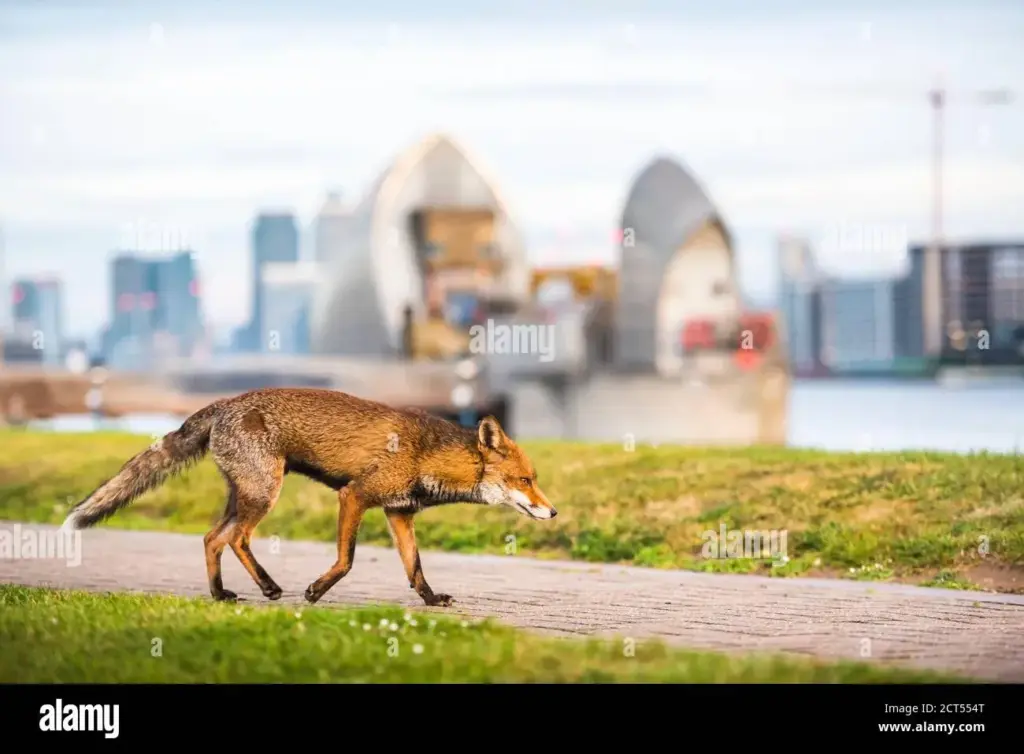
London is home to some truly astonishing and uncommon species that have found their footing within the urban setting. For instance, the presence of yellow-tailed scorpions and Aesculapian snakes challenges the perception that certain wildlife can only exist in rural areas. Much like the urban foxes adapted to city life, these species have carved out niches, proving that the urban environment can sustain a surprisingly diverse array of wildlife.
These encounters with uncommon species also highlight a need for increased awareness and conservation efforts. As nature aficionados explore parks and waterways, the visibility of such species can spark curiosity and interest in urban ecology. This awareness can lead to positive change, fostering a culture where residents advocate for wildlife habitats and take pride in urban biodiversity, ultimately contributing to a richer and more diverse city.
Waterways as Habitats: The Thames Ecosystem
The Thames, once declared biologically dead, has undergone an impressive transformation, now teeming with life. This shift demonstrates London’s remarkable capacity for ecological recovery, with various species returning to its waters, including otters and harbor seals. The river’s ecosystem serves as a vital indicator of urban health, showcasing the importance of clean waterways for sustaining biodiversity.
Moreover, the Thames supports unique aquatic species, such as short-snouted seahorses and demon shrimp, that contribute to the ecosystem’s complexity. These unexpected residents reveal the hidden wonders of London’s wildlife, attracting researchers and enthusiasts alike to discover and understand these delicate marine communities. The revival of the Thames illustrates not only the resilience of wildlife but also the impact that human-led environmental improvements can have on city biodiversity.
Behavioral Adaptations in Urban Animals
Many urban animal species exhibit remarkable behavioral adaptations that enable survival in a city setting. For example, peregrine falcons have adjusted their hunting habits to thrive near urban areas, preying on birds attracted to the city’s lights. These adaptations offer fascinating insights into how species can modify their behaviors to utilize new resources found in urban environments.
Similarly, bats navigate through London by following railway embankments, mirroring how commuters journey across the city. Such adaptive strategies highlight the ingenuity of nature, as wildlife utilizes the man-made landscapes to their advantage. Understanding these behaviors is vital for developing effective conservation policies aimed at protecting urban wildlife and ensuring their continued success in cities.
The Importance of Urban Green Spaces for Wildlife
Urban green spaces, such as parks and gardens, play an essential role in supporting wildlife populations in London. These areas act as crucial refuges for various species, allowing them to thrive amidst the surrounding urban landscape. Parks like Regent’s Park and Holland Park provide not only recreational opportunities for residents but also vital habitats for wildlife, contributing significantly to city biodiversity.
Additionally, the presence of green spaces fosters interaction between people and nature, promoting environmental education and stewardship. As individuals experience the wildlife within these areas, they gain appreciation for the diverse ecosystems that exist in their city. Effective management of urban green spaces can enhance the quality of life for residents while simultaneously supporting the critical role of wildlife in maintaining ecological balance.
Species Recovery Success Stories in London
The resurgence of certain species in London serves as a powerful reminder of successful recovery efforts. For instance, otters, once feared extinct in the area, have returned to the Thames due to improved water quality and habitat restoration projects. This resurgence not only signifies a positive environmental change but also inspires hope for future biodiversity initiatives across urban settings.
Moreover, the return of species like the common seal is an encouraging indicator of the health of London’s waterways. These success stories underscore the importance of ongoing conservation efforts within urban areas, empowering communities to engage in practices that promote sustainable ecosystems. By highlighting these achievements, we can further drive support for local wildlife conservation initiatives, ensuring that London’s urban wilderness continues to thrive.
The Fascinating Origins of Urban Residents in London
The origins of some urban wildlife in London tell captivating stories that reflect the interplay between human activity and nature. The introduction of the red-eared terrapin during the 1980s reflects a trend of pet ownership that resulted in unintended releases into urban ponds and rivers. While these terrapins may have begun as mere pets, they now contribute to the biodiversity of London’s aquatic ecosystems, illustrating the surprising effects of human choices on urban wildlife.
Similarly, the tale of the European eel, which journeys from the Sargasso Sea to the Thames, highlights the complex life cycles that many species endure. This journey symbolizes the resilience of wildlife in adapting to environmental changes and urban challenges. By heeding these stories of origin, residents can foster a deeper connection with the wildlife around them, understanding the impacts of their actions on the delicate web of life that permeates their city.
Frequently Asked Questions
What types of urban wildlife can be found in London?
London is home to a remarkable variety of urban wildlife including unique species such as Aesculapian snakes, peregrine falcons, and red-eared terrapins. This biodiversity is fostered by the city’s diverse habitats such as parks, gardens, and waterways that help support a mosaic of urban wildlife.
How does urban wildlife in London adapt to city life?
Urban wildlife in London demonstrates incredible adaptability. Species like queen bumblebees forage during winter, while bats utilize railways for navigation. Animals change their hunting behavior and habitat use, showcasing their resilience in urban ecology.
How do London’s waterways contribute to urban wildlife biodiversity?
The waterways of London, particularly the Thames, play a crucial role in supporting urban wildlife. They provide habitats for otters, harbor seals, and even invasive species like the demon shrimp. The recent recovery of the Thames has led to an impressive resurgence in biodiversity.
Why are some animals in London, like peregrine falcons, thriving in urban environments?
Peregrine falcons thrive in London due to the availability of nesting sites on buildings and the city’s abundant food sources, including migratory birds attracted to urban lights. Their ability to adapt to city life has made them one of the most successful urban wildlife species.
What is the role of green spaces in supporting wildlife adaptation in London?
Green spaces in London, such as parks and gardens, offer vital habitats for urban wildlife. They provide food, nesting sites, and refuge for many species, contributing to London’s biodiversity and enabling wildlife to adapt successfully to urban environments.
Can urban wildlife in London help improve the local ecosystem?
Yes, urban wildlife in London plays a significant role in enhancing biodiversity and ecosystem health. By serving as pollinators, controlling pest populations, and fostering genetic diversity, these species contribute to a balanced urban ecosystem that benefits both nature and residents.
What threats do urban wildlife face in London?
Despite the diversity of urban wildlife in London, threats such as habitat loss, pollution, and climate change pose significant risks. Urban development can disrupt habitats, while pollution can harm vulnerable species, making conservation efforts essential for protecting London’s biodiversity.
How has London’s historical context influenced its urban wildlife?
The historical context of London, including past industries and urban development, has shaped its urban wildlife. For example, the presence of species like red-eared terrapins stems from pet ownership trends in the 1980s, illustrating how human activities influence wildlife adaptation and diversity.
What can residents do to support urban wildlife in London?
Residents can support urban wildlife in London by creating wildlife-friendly gardens, participating in local conservation efforts, and promoting green spaces. Planting native flora, providing habitats, and reducing pesticide use can help maintain biodiversity and enhance urban ecology.
Are there any unique species of urban wildlife exclusive to London?
Yes, the ‘London Underground mosquito’ and the Aesculapian snake are examples of species closely associated with London’s unique urban habitats. These species have adapted to the specific conditions of the city, showcasing the adaptability of wildlife in urban settings.
| Species | Habitat | Adaptation | Interesting Facts |
|---|---|---|---|
| London Underground Mosquito | Urban transport networks | Adapted to urban environment | Not evolved underground, originates from the Middle East. |
| Yellow-Tailed Scorpion | London docklands | Thrives in urban masonry | Arrived in the 1800s in shipments of Italian masonry. |
| Aesculapian Snake | Regent’s Park | Preys on rodents and birds | One of Europe’s largest snake species, believed to be escapees from research facilities. |
| Otters | Thames and waterways | Adaptation to cleaner waters | Once endangered, now thriving in urban rivers such as the Thames. |
| Peregrine Falcons | Tower blocks in Central London | Hunting at night | Fastest birds in the world, nesting on city buildings. |
| Peacocks | Kyoto Garden, Holland Park | Survival in urban parks | Feral descendants of pets once held by the gentry. |
Summary
Urban wildlife in London is a fascinating subject that showcases the remarkable adaptability of nature amidst a bustling metropolis. The city’s unique microclimates, diverse habitats, and a range of species from scorpions to peregrine falcons highlight the resilience and ingenuity of wildlife. Despite urbanization, these animals thrive and contribute to the ecological richness of London, proving that even in cities, nature finds a way to flourish.