
Listen to this article
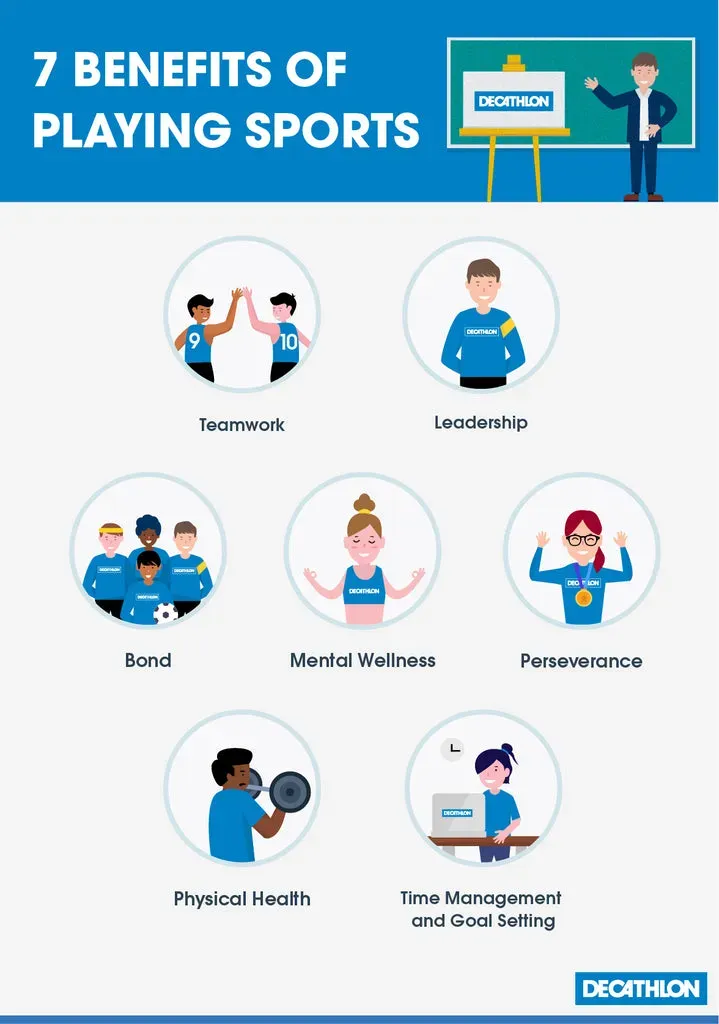
The benefits of playing sports extend far beyond just physical activity; they encompass essential aspects of health, discipline, and teamwork. Engaging in sports provides significant health benefits, such as improved cardiovascular fitness and enhanced mental health, allowing individuals to lead a more vibrant life. Moreover, participation in sports cultivates discipline, teaching players the importance of dedication and time management, skills that are crucial in everyday situations. In a collaborative environment, teamwork in sports fosters communication and conflict resolution skills, vital for building lasting relationships both on and off the field. As we delve deeper into these myriad advantages, it becomes clear that playing sports is an enriching experience that shapes individuals holistically.
Exploring the advantages of athletic participation reveals a rich landscape of opportunities for personal growth and wellness. Involvement in physical activities can significantly bolster one’s overall fitness, instilling rigorous habits that promote lifelong health. Moreover, individuals learn crucial character-building traits such as focus and perseverance, essential for success in various life endeavors. Team collaborations inherent in sports encourage social interaction and the development of empathy and respect for diverse perspectives. Ultimately, engaging in these active pursuits not only enhances physical condition but also fortifies mental resilience and interpersonal skills.
The Comprehensive Health Benefits of Sports Participation
Engaging in sports has profound health implications that extend well beyond simple physical fitness. Not only do sports activities contribute to weight management and enhanced cardiovascular health, but they also have the immense benefit of reinforcing bone strength. Studies have shown that regular participation in activities such as basketball and soccer can drastically reduce the risk of osteoporosis. Furthermore, sports create a foundation for a strong immune system, enabling better resistance to illnesses.
Additionally, the mental health benefits derived from participating in sports are significant. As physical activity releases endorphins, participants often experience reduced stress levels and improved mood. This is particularly valuable in today’s high-stress environments. People engaged in sports tend to report higher levels of happiness and satisfaction in life, making a compelling case for why integrating physical activity into routines is essential for holistic health.
Discipline in Sports: Building Strong Character
Discipline is a cornerstone of sports that profoundly influences an athlete’s character. Through regular training and commitment to improvement, athletes develop critical skills such as time management and goal-setting. These skills are essential not only in sports but across life pursuits, allowing individuals to strike a balance between various commitments and responsibilities. The relentless nature of training cultivates resilience and strong work ethic, which ultimately leads to personal and professional success.
Moreover, the practice of discipline in sports fosters a sense of commitment that is pivotal for achieving long-term goals. Athletes learn to adhere to strict training schedules and diet regimens which translate into greater self-control and determination in everyday life. This rigorous discipline instills a mindset of persistence, teaching individuals that success requires effort and consistent dedication.
The Power of Teamwork in Sports
Teamwork is an essential aspect of sports that equips individuals with critical social skills. Effective communication is vital in team sports, as athletes learn to express their ideas clearly and meaningfully. This skill not only enhances team performance but also translates seamlessly into personal and professional relationships outside of sports. The collaborative nature of team sports fosters a supportive environment that encourages participants to develop a sense of belonging.
Moreover, teamwork in sports teaches essential conflict resolution skills. Athletes often face disagreements and misunderstandings, and navigating these situations builds emotional intelligence and compassion. Learning to work with diverse personalities enhances tolerance and adaptability, preparing individuals for various social situations and professional environments where collaboration is key.
Mental Health Benefits Through Sports Participation
The relationship between sports and mental health is robust, as countless studies have demonstrated the positive effects of physical activity on emotional well-being. Regular participation in sports acts as a natural antidote to stress, anxiety, and depression. The biochemical processes triggered by physical exertion—like the release of serotonin and dopamine—help mitigate negative emotions, leading to an overall sense of calm and well-being.
Furthermore, engaging in sports often promotes better sleep patterns, contributing significantly to mental health. Good quality sleep is crucial for effective cognitive functioning, emotional regulation, and stress management. Athletes tend to have a heightened sense of alertness and mindfulness as their mental and physical states are optimally aligned, illustrating how sports facilitate a healthier and happier mind.
Importance of Physical Fitness in Sports
Physical fitness is arguably the most direct benefit of engaging in sports. Regular training not only improves personal athletic performance but creates lifelong habits of health and fitness. Engaging in sports significantly reduces risks associated with sedentary lifestyles, including obesity, heart disease, and diabetes. The diverse range of sports caters to various interests and abilities, making it accessible for everyone to improve their physical health.
Additionally, participating in sports fosters a healthy lifestyle that can lead to a community-driven fitness culture. Team sports encourage collective participation and motivation, leading to an environment where health and fitness thrive. This results in increased awareness of healthy living, ultimately promoting better quality of life in individuals of all ages.
Goal Setting: A Discipline Developed Through Sports
Goal setting is a critical skill that athletes hone through their sports experiences. In this context, athletes are often encouraged to establish SMART (Specific, Measurable, Achievable, Relevant, Time-bound) goals to enhance their performance. This practice not only aids their athletic endeavors but translates into effective goal-setting strategies in personal and professional life, fostering a mindset geared towards achievement and fulfillment.
By regularly assessing and adjusting their goals based on progress and performance, athletes cultivate a growth mindset. This discipline encourages self-reflection and adaptation, which are essential skills in any competitive field. Consequently, the goal-setting practices foster resilience and perseverance, attributes that are highly valued in successful individuals.
Coping with Failure: Resilience Learned Through Sports
Engaging in competitive sports inherently involves facing defeat, which teaches invaluable lessons in resilience. Athletes learn to navigate their feelings of disappointment and emerge stronger, which prepares them for the challenges they may face in life beyond the sports field. This ability to cope with and learn from failure instills a growth mindset, essential for personal development.
Additionally, understanding that failure is a part of the journey allows athletes to maintain motivation and commitment to their personal growth. Equipped with lessons learned from setbacks, individuals develop the fortitude to pursue their goals with renewed vigor. This resilience is a core component of success, transcending sports and influencing broader life achievements.
Building Strong Interpersonal Skills Through Team Sports
Playing sports, especially in a team setting, cultivates collaborative interpersonal skills. Athletes learn to work harmoniously towards a common goal, honing their abilities to negotiate, empathize, and communicate effectively. This collaborative spirit fosters rich relationships not only among teammates but also in personal and professional contexts.
Moreover, sports provide a platform for developing leadership skills. Athletes often take on leadership roles within their teams, guiding and motivating their peers. This experience translates into improved leadership qualities in various aspects of life, allowing individuals to inspire others and lead effectively in their future endeavors.
Health Promotion Through Sports Activities
Sports serve as a vital tool for health promotion, emphasizing the importance of an active lifestyle. Organizations and communities often promote sports activities to encourage populations to engage in healthy behaviors. By fostering a culture of fitness through sports, societies can reduce healthcare costs and improve the overall health of their communities.
Additionally, community sports programs provide inclusive environments for individuals of all ages and abilities, thereby enhancing participation rates. When sports are accessible and encouraged, they can effectively contribute to public health initiatives aimed at combating lifestyle-related diseases, paving the way for a healthier future.
Frequently Asked Questions
What are the main health benefits of sports participation?
The health benefits of playing sports include improved physical fitness, weight management, enhanced cardiovascular health, and increased bone strength. Regular participation in sports not only helps burn calories and build muscle but also reduces the risk of chronic diseases.
How does playing sports contribute to mental health?
Engaging in sports significantly boosts mental well-being by reducing stress, enhancing mood, and promoting better sleep patterns. The endorphins released during physical activity help alleviate symptoms of anxiety and depression.
What role does discipline play in sports and personal development?
Discipline in sports is crucial for building character. Athletes learn time management, goal setting, and commitment, which are essential skills that translate into academic and professional success.
Can playing sports improve teamwork skills?
Yes, teamwork in sports enhances communication skills, conflict resolution abilities, and trust among teammates. These skills are critical for successful collaboration in both sports and everyday life.
How does physical fitness through sports affect overall health?
Physical fitness through sports leads to a stronger body, better stamina, and improved heart health, all contributing to overall wellness and longevity.
What is the significance of goal setting in sports?
Goal setting in sports encourages athletes to strive for improvement and develop a growth mindset, which fosters discipline and resilience in the face of challenges.
In what ways can sports serve as a stress reliever?
Sports provide an effective outlet for stress relief by allowing individuals to release pent-up energy, focus on physical activity, and enjoy camaraderie, all of which reduce anxiety levels.
How does engaging in sports cultivate resilience?
Playing sports teaches individuals how to handle defeats positively, which helps build resilience and the ability to bounce back from setbacks in life.
What are the social benefits of playing team sports?
Team sports foster friendships and a sense of belonging, while also teaching valuable social skills such as teamwork, communication, and respect for diverse perspectives.
How can physical fitness through sports impact mental performance?
Physical fitness through sports enhances cognitive function, improves concentration, and boosts memory, leading to better academic and professional performance.
| Benefit Type | Key Points |
|---|---|
| Health | Physical fitness enhances weight management, cardiovascular health, and bone strength. Mental well-being is addressed through stress reduction, mood improvement, and better sleep patterns. |
| Discipline | Playing sports builds discipline through time management, goal setting, and commitment. It also fosters competitiveness and motivation while teaching resilience through success and failure. |
| Teamwork | Team sports promote communication skills and conflict resolution. Participants learn to trust peers and appreciate diversity, which enhances collaboration. |
Summary
The benefits of playing sports are extensive and impactful, transcending mere physical activity. Engaging in sports not only fosters physical fitness but also enhances mental health and instills essential life skills such as discipline and teamwork. Through sports, individuals learn to manage stress effectively, build resilience in the face of failure, and collaborate with others, which prepares them to navigate life’s challenges. As we continue to live in a world where physical activity is essential for overall well-being, recognizing and embracing the comprehensive benefits of playing sports becomes crucial for cultivating a healthier, more disciplined, and collaborative society.

