Listen to this article
Lower loan interest rates can significantly alleviate the financial burden faced by borrowers in the UK. With interest rates influencing monthly repayments, finding ways to reduce them is essential for improving overall loan savings strategies. By understanding the factors that affect your rates, such as your credit score impact and the terms offered by different lenders, you can position yourself for the best loan offers UK has available. Negotiating with lenders, exploring options with credit unions, and understanding secured versus unsecured loans are all vital components in your quest to lower interest rates. This guide will delve into effective methods that can help you navigate the borrowing landscape smartly, ensuring you keep more of your hard-earned money in your pocket.
When it comes to borrowing, reducing debt costs through lower interest rates is a goal for many borrowers in the UK. Understanding how to appeal to lenders and find favorable terms can lead to substantial financial benefits and smarter loan management. The impact of your creditworthiness, along with strategic loan shopping, directly influences the types of offers you receive. Small financial institutions or credit unions might provide more competitive options than conventional banks, while skillful negotiations can further enhance your position. This article will provide insights and actionable tips to help you secure better rates and optimize your loan repayment journey.
Maximizing Your Credit Score to Lower Loan Interest Rates
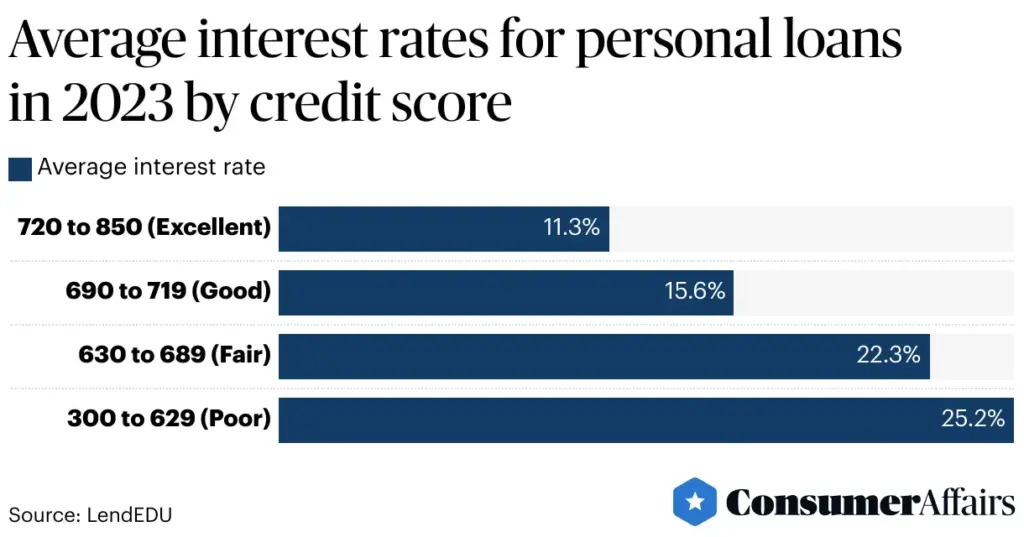
Your credit score is a crucial factor that lenders consider when determining your loan interest rates. The better your credit score, the less risk the lender perceives in lending you money, which often translates into lower interest rates. In the UK, a higher credit score can significantly decrease your overall loan costs, making it essential for borrowers to understand how to improve and maintain a healthy score.
To maximize your credit score, begin by reviewing your credit report for any inaccuracies that might unfairly lower your score. Regularly tracking your credit report also helps you identify trends and rectify issues promptly. Paying off existing debts and managing your financial obligations responsibly will gradually boost your score, allowing you to access better loan offers that can lead to substantial savings.
Comparing Loan Offers: Finding the Best Rates in the UK
One of the most effective strategies to lower loan interest rates is to shop around for the best offers available in the UK market. Not all lenders provide comparable rates, meaning that diligent research can uncover options that significantly reduce your borrowing costs. Utilizing various comparison websites can streamline this search, providing a clear overview of offers tailored to your needs.
When comparing loan offers, pay equal attention to the terms and conditions as you would to the interest rates. Some lenders may offer seemingly attractive rates but attach unfavorable terms, leading to higher overall costs. Thus, careful negotiation and a thorough understanding of your options are keys to securing the best loan terms available.
The Benefits of Secured Loans: Lower Rates and Greater Savings
Secured loans can often offer lower interest rates compared to unsecured loans, primarily because they involve backing by collateral, such as your home. If you have equity in your property, this can be an advantageous route to explore for those looking to lower their loan payments. The reduced risk for lenders translates to more favorable rates for borrowers, enabling them to save significantly over the loan duration.
However, while secured loans can provide lower interest rates, they come with inherent risks. Defaulting on a secured loan can lead to the loss of your asset, placing a significant burden on your financial situation. It’s crucial to weigh the potential for savings against the risks involved carefully, ensuring that your financial stability remains secure.
Enhancing Your Debt-to-Income Ratio for Better Loan Rates
Your debt-to-income (DTI) ratio is an essential measure that lenders use to assess your ability to manage monthly payments and repay debts. A lower DTI suggests that you have more disposable income available after servicing your loans, which can make you a more attractive candidate for lower interest rates. By demonstrating responsible financial management, borrowers can negotiate better terms.
To enhance your DTI ratio, focus on increasing your income or decreasing your outstanding debts. Strategies could include seeking promotions at work, obtaining higher-paying jobs, or consolidating smaller debts into larger loans with lower monthly payments. These techniques not only improve your borrowing capacity but also help secure better loan offers from lenders.
Exploring Credit Unions: A Path to Affordable Loan Rates
Credit unions are becoming an increasingly popular alternative for individuals seeking lower loan interest rates. Unlike traditional banks, credit unions operate on a non-profit basis and are often better positioned to offer competitive rates due to their lower operating costs. Many credit unions have community-based memberships, which can lead to more personalized service and additional incentives for members.
Joining a credit union allows you access to lower loan interest rates and often comes with fewer hidden fees than larger financial institutions. As part of a cooperative approach, credit unions aim to enhance the financial health of their members, providing unique loan offers tailored to individual circumstances. This potential for personalized financial support can be invaluable for borrowers on a budget.
Negotiating Loan Rates: Strategies for Successful Discussions
Negotiation is a powerful tool when it comes to securing better loan interest rates. After establishing a solid financial foundation, borrowers possess leverage when approaching lenders to negotiate rates. With evidence of a good credit score and a history of timely payments, you can effectively argue your case for more favorable terms.
When discussing your interest rates, research competitors’ offers as a point of negotiation. Presenting your lender with lower offers you’ve received from other financial institutions can be a compelling argument for securing a better deal. A prepared and confident approach enhances your chances of earning a reduced rate, translating into long-term savings.
Frequently Asked Questions
How can I improve my credit score to benefit from lower loan interest rates in the UK?
Improving your credit score is essential for obtaining lower loan interest rates in the UK. Start by checking your credit report for errors and disputing any inaccuracies. Regularly pay off outstanding debts on time and keep your credit utilization below 30%. Additionally, diversify your credit mix by responsibly using different types of credit, which can enhance your credit history.
What are some effective loan savings strategies to secure the best loan offers in the UK?
To secure the best loan offers in the UK, consider implementing loan savings strategies such as comparing multiple lenders using online comparison tools, negotiating directly with your lender for better rates, and opting for local credit unions that might offer lower interest rates due to their member-focused services. Also, maintaining a strong credit score can significantly impact the loan terms available to you.
How does my credit score impact the interest rates I can get on loans in the UK?
In the UK, your credit score is a critical factor that lenders use to assess your creditworthiness. A higher credit score typically results in lower loan interest rates, making borrowing more affordable. Conversely, a lower credit score may lead to higher rates or even loan rejection. Hence, it’s crucial to improve your credit score to enhance your chances of obtaining lower interest rates.
What role does negotiating loan rates play in reducing interest rates in the UK?
Negotiating loan rates can play a significant role in reducing interest rates in the UK. After receiving a loan offer, explore the possibility of negotiating with your lender by presenting any better offers you’ve found from competitors or showcasing improvements in your credit score. Many lenders are open to discussion and may offer more competitive rates to retain customers.
Can refinancing my loan help me achieve lower interest rates, and what should I consider?
Yes, refinancing your loan can help you achieve lower interest rates, especially if your credit score has improved or market rates have decreased since you originally took out the loan. When refinancing, consider the terms of your current loan versus potential new loans, and factor in any fees associated with refinancing to ensure that the long-term savings justify the costs involved.
What alternatives can I consider to secure lower interest rates instead of traditional banks?
In addition to traditional banks, consider alternatives such as credit unions or online lenders, which often provide lower interest rates due to fewer overhead costs. Credit unions are member-owned and typically focused on community benefits, which can make them a great option for securing better loan rates. Exploring these options can lead to significant savings on your borrowing costs.
| Strategy | Key Actions |
|---|---|
| Understanding Your Credit Score | Check credit report, pay off debts, rectify errors |
| Shop Around for the Best Loans | Compare offers, negotiate better rates |
| Consider Secured Loans | Assess asset value, understand risks of collateral |
| Improve Your Debt-to-Income Ratio | Increase income, reduce debt obligations |
| Opt for a Credit Union or Smaller Lenders | Research and join credit unions or local lenders |
| Negotiate Your Interest Rate | Prepare case and approach lender for better terms |
| Make Extra Payments | Commit to bi-weekly payments, apply windfalls |
| Refinance Your Loan | Evaluate current loan versus new options |
| Avoid Add-On Fees | Review loan terms carefully for hidden fees |
Summary
Lower loan interest rates in the UK can be achieved through several strategic measures that require effort and understanding of your financial situation. By focusing on improving your credit score, comparing loan offers, and carefully considering your borrowing options, you position yourself to secure lower rates. Each of these strategies plays a significant role in enhancing your financial health, enabling you to save on interest payments. Moreover, ongoing efforts such as negotiating terms, making extra payments, and remaining vigilant about potential fees can further contribute to lowering loan costs. In a fluctuating financial landscape, maintaining awareness and adapting your strategies can yield long-term benefits.