Listen to this article
UK mortgage rates are a critical component of the home-buying journey, especially in 2023, as potential homeowners navigate a rapidly changing financial landscape. With current mortgage rates in the UK being influenced by economic conditions, inflation, and government policies, understanding these rates is key to making informed decisions. The mortgage interest rates available today reflect the cost of borrowing and vary significantly among lenders, making it essential to compare the best mortgage rates UK has to offer. Alongside this, home buying tips for 2023 highlight the importance of understanding different mortgage types UK residents can choose from. As you embark on your home-buying adventure, being informed about how to get a mortgage in the UK can help you secure favorable terms and rates.
Navigating the realm of home loans in the UK requires a solid grasp of borrowing costs and market trends, particularly when it comes to securing favorable mortgage financing. The landscape for acquiring property is increasingly complex, influenced by fluctuating interest rates and economic shifts. As prospective buyers assess their options, grasping the current state of loan conditions, including interest rates and varied lending approaches, is essential. In 2023, understanding how to effectively shop for a home loan can significantly impact financial outcomes. Therefore, equipping oneself with knowledge on mortgage applications, the different varieties of loan products, and market dynamics is fundamental in achieving a successful property purchase.
Understanding Current Mortgage Rates in the UK
Current mortgage rates in the UK are shaped by various economic factors and market conditions. As we progress through 2023, many prospective buyers are observing a mix of fixed and variable mortgage rates that reflect the ongoing economic recovery. With the Bank of England’s recent rate adjustments in response to inflation concerns, average mortgage rates have seen a gradual uptick, leading to a greater need for homebuyers to understand these dynamics. Whether you are looking at a two-year or five-year fixed mortgage, understanding these current rates will help you make informed financial decisions.
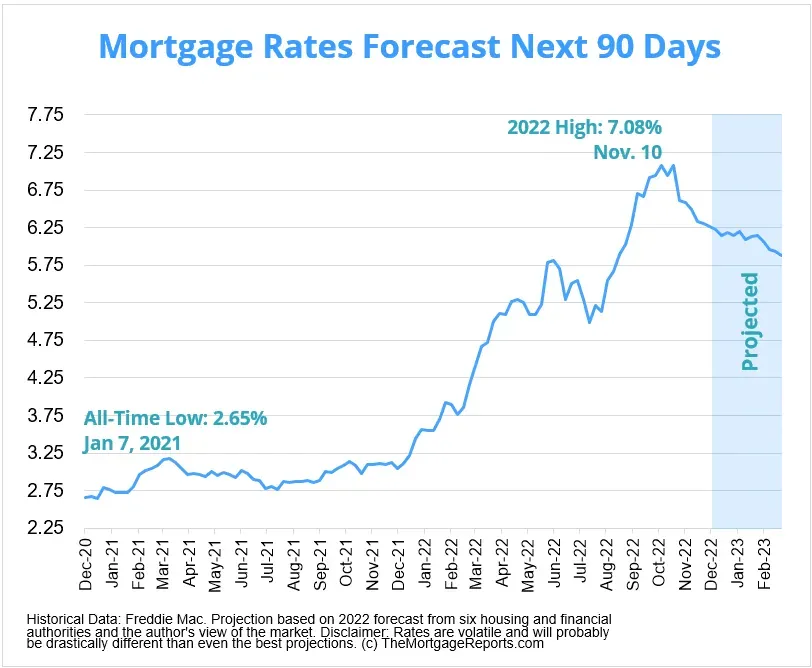
In addition to looking at current rates, it’s also beneficial for potential homeowners to compare these rates against historical data. By analysing trends over the past few years, buyers can gauge how current offers stack up in the broader context of the market. This also highlights the importance of understanding not just the specific rates, but also how the overall economic landscape may affect your mortgage options over time.
Key Factors That Affect Mortgage Interest Rates
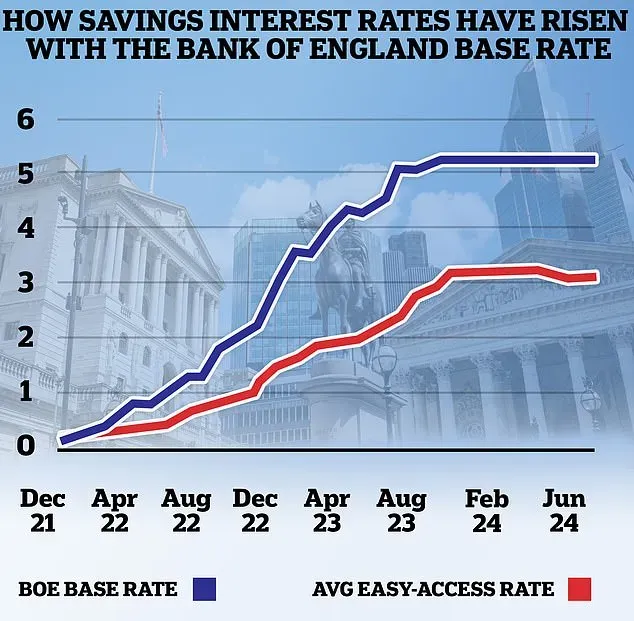
Several key elements influence mortgage interest rates in the UK, and understanding these factors can empower homebuyers. Primarily, the base rate set by the Bank of England plays a pivotal role in determining lending rates. When the Bank raises rates, lenders usually follow suit, making loans more expensive. Conversely, a stable economic environment can help keep mortgage rates low, providing buyers with better borrowing conditions.
Another major factor is inflation, which has a direct impact on the purchasing power of consumers and the overall cost of borrowing. If inflation rates rise, the Bank of England may increase interest rates to mitigate the decline in currency value. This often leads to an increase in mortgage rates. Homebuyers should not only be aware of these trends but also stay informed about economic forecasts to anticipate changes that could affect their mortgage options.
Different Types of Mortgages Available in the UK
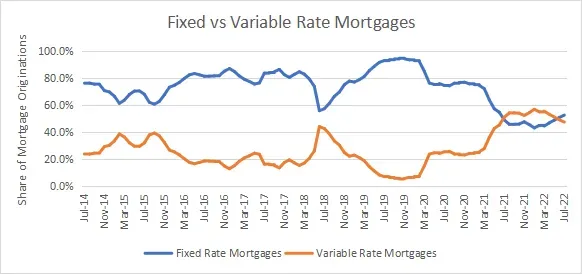
When navigating the mortgage landscape, it’s crucial to understand the various types available to you. Fixed-rate mortgages are popular among buyers who seek security and predictable monthly payments, as the interest rate remains constant throughout the term. On the other hand, variable-rate mortgages, while potentially offering lower initial rates, can fluctuate based on the market, leading to uncertainty in future payments.
There are also hybrid options, such as discounted and tracker mortgages. Discounted mortgages provide an initial reduction on the provider’s standard variable rate, while tracker rates align closely with the Bank of England’s base rate, adding a fixed margin on top. These variations allow homeowners to choose a mortgage type that aligns best with their financial situation and risk appetite.
How to Get a Mortgage in the UK: Essential Steps
Securing a mortgage in the UK involves a series of steps that can seem overwhelming for first-time buyers. The first and perhaps most critical step is to assess your credit score, as lenders use this to determine your eligibility and the rates you might qualify for. A strong credit history can significantly enhance your chances of securing favourable mortgage terms.
When applying for a mortgage, it’s equally important to gather documentation regarding your finances, such as proof of income, savings, and existing debts. Lenders will require this information to assess your affordability for the mortgage you are seeking. Additionally, consulting a mortgage broker can be a smart move, as they have access to a broader spectrum of mortgage products and can help guide you through the application process, ensuring you find the most suitable deal.
Tips for Finding the Best Mortgage Rates in 2023
As the mortgage market continues to shift in 2023, finding the best rates requires diligence and strategy. Start by carefully examining your financial circumstances, including how much you can afford as a deposit and ensuring you have an excellent credit score. Both factors significantly influence the interest rates offered to you, and investing time into improving your financial credentials can result in substantial savings over the life of your mortgage.
Moreover, it’s important to shop around before settling on a lender. Different financial institutions offer a variety of mortgage products and rates, so using comparison websites or working with a mortgage advisor can help you identify the best deals. Don’t hesitate to negotiate with lenders or ask if you can secure more favourable rates by offering a larger deposit or choosing a shorter mortgage term.
Navigating the Home Buying Process in 2023
Navigating the home buying process can be daunting, especially in a fluctuating market. In 2023, it’s essential for buyers to remain proactive and educated about market fluctuations, government policies, and economic indicators that can influence mortgage rates. Starting with a clear budget and understanding your financing options will serve as a solid foundation for your home buying journey.
Another important aspect is the need to have patience and to be prepared for potential obstacles along the way. The housing market can be competitive, and it’s crucial to act quickly once you find a suitable property. By staying informed through reliable resources and keeping communication open with real estate professionals, you can seamlessly navigate the complexities of buying a home in today’s environment.
Frequently Asked Questions
What are the current mortgage rates in the UK for 2023?
As of 2023, the average mortgage rates in the UK have seen fluctuations due to economic changes. Typically, the average rate for a two-year fixed mortgage ranges from 3.5% to 4.5%, while five-year fixed mortgages may be slightly higher. It’s crucial to stay updated with market trends to find the most advantageous rates.
How can I get a mortgage in the UK in 2023?
To get a mortgage in the UK, start by assessing your financial situation and checking your credit score. It’s advisable to save for a larger deposit, ideally over 20% of the property’s value, to secure better rates. Research different mortgage types and lenders, and consider consulting a mortgage broker for tailored guidance.
What factors influence mortgage interest rates in the UK?
UK mortgage interest rates are influenced by several factors including the Bank of England’s base rate, economic stability, inflation trends, and lender competition. A strong economy typically leads to lower rates, while higher inflation may prompt rate increases as the bank adjusts monetary policy.
What are the best mortgage rates currently available in the UK?
To find the best mortgage rates in the UK, compare offers from various lenders. Rates can vary based on factors like your credit score, loan-to-value ratio, and the type of mortgage you seek. As of now, some competitive fixed rates are available, but it’s wise to shop around and review your options regularly.
What should I know about home buying tips in 2023 regarding mortgage types in the UK?
When buying a home in 2023, understanding different mortgage types is essential. Fixed-rate mortgages offer stability, while variable-rate mortgages can fluctuate. Consider your financial plan and risk tolerance when choosing between fixed, variable, discounted, or tracker mortgages to ensure you select the best option for your situation.
How does inflation affect current mortgage rates in the UK?
Inflation plays a significant role in affecting current mortgage rates in the UK. High inflation typically leads the Bank of England to raise interest rates to stabilize the economy, which can result in increased mortgage rates. It’s important to monitor inflation trends to anticipate potential changes in mortgage costs.
| Key Point | Explanation |
|---|---|
| What Are Mortgage Rates? | Mortgage rates are the interest charged on loans for buying properties, influenced by various factors. |
| Current State in 2023 | Mortgage rates are currently rising, averaging between 3.5% and 4.5% for two to five-year fixed terms. |
| Factors Influencing Rates | Key factors include the Bank of England base rate, economic conditions, inflation, lender competition, and Loan-to-Value ratios. |
| Types of Mortgage Rates | Includes fixed-rate, variable-rate, discounted, and tracker rates, each with distinct characteristics and risks. |
| Getting the Best Mortgage Rate | Check credit score, save for a larger deposit, shop around, consider remortgaging, and stay informed. |
Summary
UK mortgage rates are a fundamental aspect of the home-buying process in 2023. With the current economic climate influencing interest rates, it is essential for prospective homeowners to understand how these rates are determined and the various factors that can affect them. By being aware of the current trends, types of mortgage rates available, and strategies to secure the best possible deal, buyers can navigate the housing market with confidence. Staying informed about UK mortgage rates will empower buyers to make informed financial decisions that can significantly impact their future.