Listen to this article
UK mortgage rates play a pivotal role in determining the financial landscape for homebuyers in 2023. Understanding these rates is essential for anyone looking to purchase a property, as they can directly influence monthly payments and overall affordability. With an array of mortgage options available, including fixed-rate, variable-rate, and tracker mortgages, navigating this market can feel overwhelming. This guide aims to simplify the process and help you comprehend the intricacies of mortgage rates in the UK. Whether you are striving to find the best mortgage rates UK or simply seeking to learn more about home financing, our insights will provide valuable information to assist your homebuying journey.
When discussing the nuances of mortgage lending in the UK, it’s crucial for potential homeowners to familiarize themselves with the current interest rates associated with real estate financing. These borrowing costs can fluctuate based on various economic indicators and lender policies, which significantly impacts the options available to buyers. Additionally, a comprehensive understanding of the different types of mortgage plans available, such as fixed or adjustable rates, will empower homebuyers to make sound financial decisions. Staying informed about emerging trends in the mortgage market also allows buyers to seize advantageous opportunities. In light of the evolving economic climate, understanding the conditions surrounding housing loans can set the foundation for a successful home purchase.
Understanding Mortgage Rates in the UK
Mortgage rates in the UK are the lifeblood of home financing, determining how much homeowners will pay over the life of their loan. The nuances of these rates can significantly influence the affordability of both new purchases and remortgaging efforts. Understanding the different types of mortgage rates available can equip potential buyers with the knowledge needed to make smart financial choices. Clarifying concepts such as fixed-rate, variable-rate, and tracker mortgages is essential, as these different structures offer varied levels of risk and reward depending on current economic conditions.
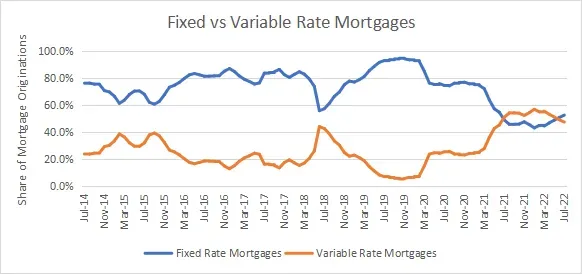
For potential homebuyers, the implications of UK mortgage rates stretch beyond mere monthly payments. The total cost of borrowing can vary greatly depending on whether one opts for a fixed-rate mortgage—offering stability through consistent payments—versus a variable-rate option that may capitalize on falling interest rates but comes with uncertainty. Lenders frequently advertise their best mortgage rates, but understanding the factors that influence these can help buyers decipher whether they are locked into a favorable position or if they might benefit from a different kind of mortgage structure.
What Types of Mortgages are Available in the UK?
Navigating the landscape of types of mortgages in the UK can initially feel overwhelming for aspiring homebuyers. The key types include fixed-rate mortgages, which provide predictability in repayments for a specified period, and variable-rate mortgages, which offer flexibility but come with the uncertainty of potential future rate changes. Additionally, tracker mortgages—a subtype of variable rates—align closely with the Bank of England’s base rate, providing a potentially lower cost if the base rate decreases.
Discount mortgages present another viable option for homebuyers, typically based on a lender’s standard variable rate. This choice can lead to substantial savings during the initial discount period but may require careful consideration as rates can revert to higher levels post-discount. It’s crucial for buyers to assess their financial situations and long-term plans when choosing among these mortgage types, ensuring they select the option that best aligns with their overall financial strategy.
Factors Influencing UK Mortgage Rates
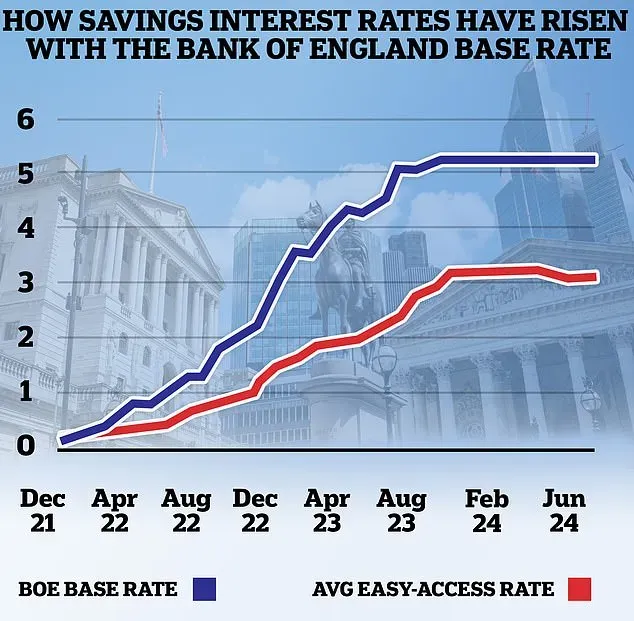
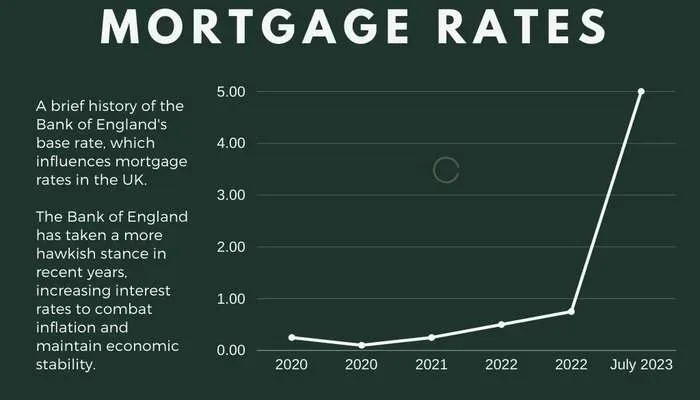
The landscape of UK mortgage rates is continuously shaped by several key factors that homebuyers should grasp. The Bank of England’s base rate is perhaps the most influential component, as it directly contributes to the interest rates lenders offer. A rise in the base rate can increase borrowing costs, especially for those with variable or tracker mortgages, resulting in greater monthly repayments. In contrast, sharp drops in the base rate can lead to reduced mortgage costs, creating opportunities for new borrowers.
Beyond central banking effects, individual lender policies also play a significant role in determining rates. Each lender may have a different approach to assessing risk and structuring products, so it’s vital for prospective homebuyers to shop around. Competitive forces in the UK mortgage market can lead to varied mortgage offerings, making it essential to consider not only the advertised rates but also the terms and conditions tied to each product.
Tips to Secure the Best Mortgage Rates
Securing the best mortgage rates is a top priority for many homebuyers in the UK, and several strategies can enhance one’s chances. A strong credit score often unlocks better rates, making proactive credit management and timely bill payments critical. Prospective buyers should review their credit reports carefully prior to applying, addressing any negative factors that could affect their scores and subsequent mortgage terms.
Additionally, saving for a larger deposit can significantly influence the mortgage rates offered. Lenders typically perceive applicants with substantial down payments as lower risk, which can translate to more favorable interest rates. Many lenders prefer deposits of at least 20%, and reaching this threshold can improve loan conditions, making a substantial difference in total long-term repayment costs.
Current 2023 Mortgage Trends in the UK
Keeping a finger on the pulse of current trends in UK mortgage rates is crucial for those looking to buy a home in 2023. This year has seen an uptick in mortgage rates, largely due to inflationary pressures and the Bank of England’s resultant monetary policy adjustments. As lenders adapt their offerings in alignment with these economic conditions, potential homebuyers must stay informed about the shifts in available mortgage deals to ensure they secure optimal terms.
In addition to the economic climate, the evolving preferences of homebuyers have also influenced mortgage trends. The demand for flexible lending options is rising, with homebuyers seeking mortgages that cater to their specific financial situations. This shift towards personalized mortgage products has prompted lenders to innovate their offerings, often leading to the introduction of more tailored deals. Being informed about these trends can arm buyers with the necessary context to negotiate effectively and find the best mortgage products available.
The Importance of a Comprehensive UK Mortgage Guide
For those venturing into the housing market, an expansive UK mortgage guide can serve as a valuable resource that demystifies the process. Such guides typically cover essential topics, from understanding mortgage types and rates to the factors influencing these rates. By compiling this information systematically, potential homebuyers can navigate their options with ease, avoiding common pitfalls associated with the mortgage application process.
Moreover, a thorough mortgage guide should provide insight into the market’s current dynamics, equipping buyers with knowledge about pricing trends, economic conditions, and lender policies that could impact their decisions. By leveraging these resources, buyers not only gain confidence in their mortgage choices but also enhance their ability to secure the best mortgage rates and terms. Always remember that a well-informed decision can lead to substantial long-term savings on your property investment.
Frequently Asked Questions
What factors affect UK mortgage rates in 2023?
UK mortgage rates in 2023 are influenced by several factors, including the Bank of England base rate, economic conditions, individual lender policies, and your personal financial circumstances. An increase in the base rate typically leads to higher borrowing costs, while a strong economy may push rates up as well. It’s essential to stay informed about these factors when considering homebuyers mortgage options.
What are the different types of mortgages available in the UK?
In the UK, there are several types of mortgages available to homebuyers, including fixed-rate, variable-rate, tracker, and discount mortgages. Fixed-rate mortgages offer stability with set payments for a specified period, while variable-rate mortgages can fluctuate based on market conditions. Tracker mortgages are tied to the Bank of England’s base rate, and discount mortgages provide temporary savings compared to the lender’s standard rate.
How can I secure the best mortgage rates in the UK?
To secure the best mortgage rates in the UK, improve your credit score by managing your debts effectively, save for a larger deposit, and compare mortgage offers from various lenders. Additionally, consider consulting a mortgage broker who can help you navigate the competitive market and find the most suitable rates for your situation.
What are current mortgage trends in the UK for 2023?
Current mortgage trends in the UK for 2023 indicate a rise in fixed-rate deals due to increasing inflation and adjustments by the Bank of England. Homebuyers need to be aware that rates are prone to change; hence, tracking mortgage market trends continuously is crucial for making informed decisions.
How do personal circumstances affect UK mortgage rates?
Personal circumstances, such as your credit score, income level, and deposit size, play a significant role in determining the UK mortgage rates offered to you. Higher credit scores and larger deposits typically result in more favorable mortgage rates, allowing borrowers to save money over the loan term.
What should homebuyers consider when choosing types of mortgages in the UK?
When choosing types of mortgages in the UK, homebuyers should consider their financial situation, risk tolerance, and long-term plans. Fixed-rate mortgages provide stability, while variable or tracker rates may offer lower initial costs but come with the risk of fluctuating payments. Evaluate your budget and future plans to select the mortgage type that best meets your needs.
| Key Point | Description |
|---|---|
| Understanding UK Mortgage Rates | Crucial for homebuyers to navigate mortgage complexities. |
| Types of Mortgage Rates | Fixed-rate, variable-rate, tracker, and discount, each with unique pros and cons. |
| Factors Affecting Rates | Bank of England Base Rate, lender policies, economic conditions, and personal circumstances. |
| Tips for Securing Best Rates | Improve credit score, save for a larger deposit, shop around, consider mortgage term, and use a mortgage broker. |
| Current Trends | Rising inflation influences higher mortgage rates as lenders adjust offerings. |
Summary
UK mortgage rates are pivotal for homebuyers aiming to secure their desired property. A thorough understanding of the types of mortgage rates available, as well as the factors that influence these rates, can empower consumers to make informed choices. As the market evolves, with trends such as rising inflation impacting rates, it is essential to remain proactive in research and comparison. By applying the practical tips outlined in this guide, homebuyers can improve their chances of obtaining the best mortgage rates and realizing their homeownership dreams.