Listen to this article
UK mortgage rates play a pivotal role in the home-buying process, influencing how much you will pay over time. With the varying mortgage interest rates UK offers, potential homeowners must navigate the landscape carefully to secure favorable terms. Whether you are considering a fixed rate mortgage UK, which provides stability, or a variable rate mortgage UK, which may offer lower initial payments but comes with uncertainty, understanding the nuances is key. In this guide, we will uncover how to secure mortgage rates UK effectively, highlighting the mortgage process UK and what factors impact these rates. By staying informed, you can make strategic decisions that align with your financial goals.
When delving into the realm of home financing, comprehending mortgage rates in the UK is essential for anyone anticipating a property purchase. These interest rates dictate how much borrowers will ultimately pay, making it imperative to familiarize oneself with the various options available, such as fixed or adjustable-rate mortgages. Exploring effective strategies to obtain competitive mortgage rates can significantly ease the home-buying journey. It’s critical to be aware of the mortgage application process in the UK, as several components influence the offers you receive from lenders. Understanding these dynamics helps buyers make informed decisions, paving the way towards securing their dream home.
Understanding the Basics of UK Mortgage Rates
UK mortgage rates are the cornerstone of home financing, dictating how much you’ll ultimately pay for your property over time. When you take out a mortgage, the lender applies an interest rate to the amount you’re borrowing, which is influenced by several factors. Home buyers need to understand that the mortgage rates available can fluctuate significantly based on the economic climate and the type of mortgage chosen. This means it’s crucial to stay informed about current mortgage interest rates in the UK to find the best deal.
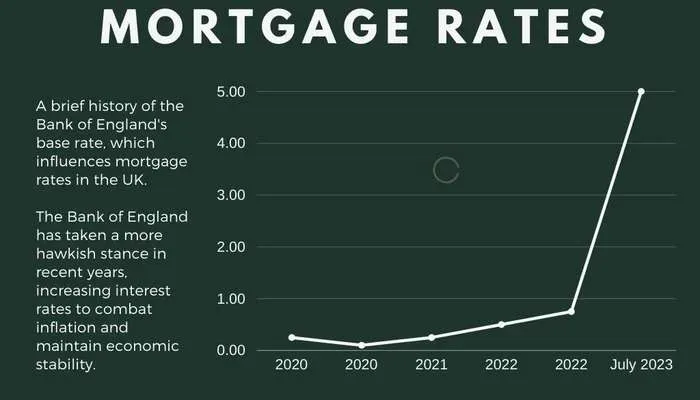
Typically, mortgage rates are influenced by the overall economic environment, including inflation levels and the decisions made by the Bank of England. Borrowers should note that these rates can vary widely depending on individual circumstances such as credit history, income, and property value. Understanding these foundational aspects allows prospective buyers to navigate the market more effectively and make informed decisions regarding their mortgage applications.
Exploring Fixed-Rate Mortgages in the UK
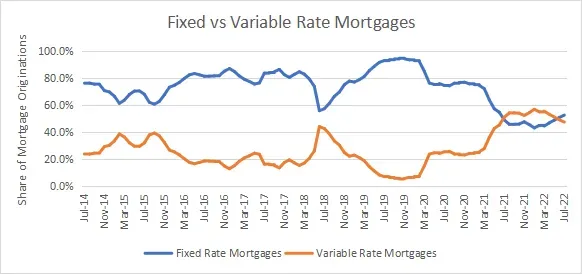
Fixed-rate mortgages are a popular choice for many home buyers in the UK, as they provide certainty and stability over your mortgage term. When you opt for a fixed-rate mortgage, your interest rate stays the same regardless of changes in the market, which means your monthly payments remain predictable. This stability is particularly advantageous in times when mortgage rates are expected to rise since locking in a low rate can lead to significant savings over the life of the loan.
However, borrowers should carefully consider how long they want to fix their mortgage rate. Typically available terms are between two to ten years, and while longer terms offer security, they may start at higher interest rates compared to shorter options. By weighing the pros and cons of fixed-rate mortgages, buyers can align their financial plans with the current mortgage landscape and make the best choice for their needs.
Understanding Variable-Rate Mortgages in the UK
Variable-rate mortgages offer a different approach compared to their fixed-rate counterparts. With variable-rate mortgages, the interest rate can fluctuate based on market conditions, often tied to the Bank of England’s base rate. This means that while you may benefit from lower initial rates, you also face the risk of increases that could lead to higher monthly payments. This mortgage type is often popular among those who can handle unpredictability in their finances.
A common type of variable-rate mortgage is the Standard Variable Rate (SVR), which can change at the lender’s discretion, meaning your payments could go up or down. Additionally, Tracker mortgages follow the Bank of England base rate, providing possible cost advantages when rates are low. Understanding the implications of choosing a variable-rate mortgage is essential for buyers, as it can significantly impact their long-term financial health.
Key Factors Influencing UK Mortgage Rates
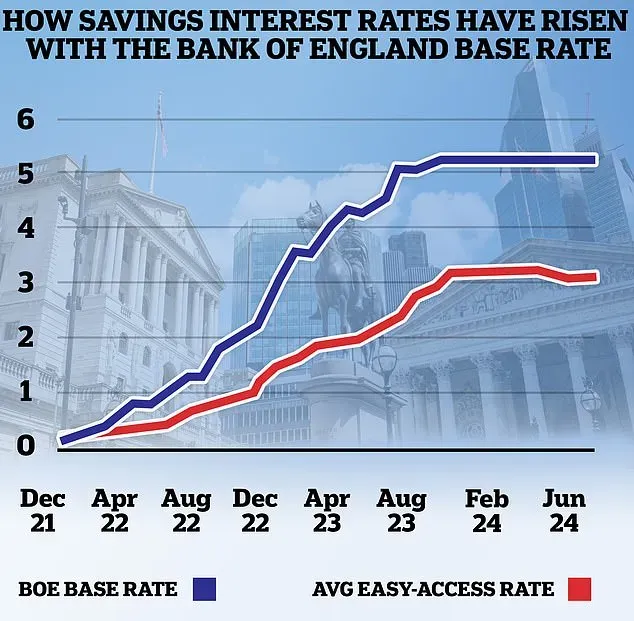
The factors that influence UK mortgage rates are both numerous and complex. One of the most significant is the Bank of England’s base rate, which directly impacts how lenders set their mortgage rates. When the base rate rises, banks often pass on this increase to consumers in the form of higher mortgage rates. Conversely, a decrease in the base rate can lead to falling mortgage rates, which is good news for borrowers looking to refinance or take out new loans.
Another critical factor is the borrower’s credit score, which plays a significant role in determining the rate offered. Lenders assess the risk of lending to an individual based on their credit history and overall financial stability. Those with better credit ratings are typically rewarded with lower interest rates, making it crucial for potential borrowers to monitor and improve their credit scores prior to applying for a mortgage.
How to Secure the Best Mortgage Rates in the UK
Securing the best mortgage rates in the UK requires careful preparation and a strategic approach. First and foremost, prospective buyers should undertake thorough research, comparing offers from various lenders to identify the most competitive options available. This can include utilizing online comparison tools that allow you to assess multiple mortgage offerings side by side.
Enhancing your credit score is another essential step in obtaining more favorable rates. Potential borrowers should plan ahead by paying down existing debts and ensuring all bills are paid on time to positively influence their credit ratings. Additionally, consulting with a mortgage broker can provide invaluable insights into the mortgage process and access to deals that may not be readily available through direct applications to lenders.
What to Expect When Applying for a Mortgage in the UK
Applying for a mortgage in the UK can often seem like an overwhelming task, but knowing what to expect can alleviate some of the stress involved. The first step usually involves obtaining a pre-approval, which provides an estimate of how much you can borrow and what rates you may expect. This pre-approval makes you a more attractive buyer to sellers, confirming your seriousness in making a purchase.
Throughout the application process, you’ll need to supply the lender with documentation detailing your finances, including proof of income, bank statements, and identification. The lender will thoroughly evaluate your financial background, and once your application is processed, a property valuation will be conducted to confirm its worth. Understanding these steps and being prepared can streamline the mortgage process, enabling you to navigate towards homeownership more smoothly.
Frequently Asked Questions
What factors influence mortgage interest rates in the UK?
Several factors affect mortgage interest rates in the UK, including the Bank of England base rate, your credit score, the loan-to-value ratio (LTV), and overall economic conditions. When the base rate fluctuates, lenders often adjust their rates accordingly. Additionally, borrowers with higher credit scores and lower LTVs typically secure better mortgage rates.
How do I secure the best fixed rate mortgage in the UK?
To secure the best fixed rate mortgage in the UK, start by shopping around and comparing rates from various lenders. Improve your credit score, consider the length of your fixed term carefully, and consult with a mortgage broker for better options. These steps will help ensure you find a competitive fixed-rate deal.
What are the advantages of a variable rate mortgage in the UK?
Variable rate mortgages in the UK offer the potential for lower initial payments since they can be linked to the Bank of England’s base rate. If rates decrease, your payment may also fall, making it a cost-effective option in a stable or declining interest rate environment. However, borrowing comes with uncertainty, as rates may increase over time.
How can I prepare for the UK mortgage process?
To prepare for the UK mortgage process, gather necessary documents like proof of income, bank statements, and identification. Consider getting pre-approved to understand your borrowing capacity and secure favorable mortgage rates. Additionally, ensure your credit score is in good shape to enhance your chances of approval.
What is the difference between fixed rate and variable rate mortgages in the UK?
Fixed-rate mortgages in the UK maintain a consistent interest rate for a set term, offering stability and predictability in monthly payments. In contrast, variable rate mortgages can fluctuate based on market conditions or lender policies, potentially leading to lower initial payments but increased risk if rates rise.
What should I know about discounted mortgages in the UK?
Discounted mortgages in the UK offer a temporary reduction off the lender’s standard variable rate (SVR) for a set period, typically between 2 to 5 years. While this can provide lower initial repayments, borrowers should be wary of potential rate increases once the discount period ends, which could elevate their monthly payments.
| Key Point | Details |
|---|---|
| What Are Mortgage Rates? | Interest rates charged by lenders when borrowing money for a home purchase. |
| Types of Mortgage Rates: Fixed-Rate Mortgages | Interest rates remain the same throughout the loan term, providing stability. |
| Types of Mortgage Rates: Variable-Rate Mortgages | Interest rates may fluctuate; includes SVR and Tracker mortgages that adjust with bank rates. |
| Types of Mortgage Rates: Discounted Mortgages | Offers a discount off the lender’s SVR for a limited time, with potential changes after the discount. |
| Factors Influencing Rates: Bank of England Base Rate | Lenders adjust mortgage rates based on changes in the base rate set by the Bank of England. |
| Factors Influencing Rates: Your Credit Score | Higher credit scores usually yield lower mortgage rates due to perceived lower risk. |
| Factors Influencing Rates: Loan-to-Value Ratio (LTV) | Calculated by dividing the loan amount by property value; lower LTV often leads to better rates. |
| Factors Influencing Rates: Economic Conditions | Inflation and demand can cause rates to rise or fall based on economic sentiment. |
| How to Secure the Best Rates: Shop Around | Compare rates from different lenders using online tools to find the best deal. |
| How to Secure the Best Rates: Improve Your Credit Score | Work on improving your credit rating before applying for a mortgage. |
| How to Secure the Best Rates: Consider Length of Fixed Term | Longer fixed terms may offer security but might start at higher rates. |
| How to Secure the Best Rates: Use a Mortgage Broker | Brokers can access a variety of products and may find better rates than individual searches. |
| What to Expect When Applying: Pre-Approval | Pre-approval shows your borrowing capacity and strengthens your position as a buyer. |
| What to Expect When Applying: Gathering Documentation | Prepare necessary documents, including income proof and identification for lender review. |
| What to Expect When Applying: Valuation and Offer | Lender conducts property valuation; upon approval, a mortgage offer is made. |
| What to Expect When Applying: Completion and Moving In | Finalizing paperwork and funds transfer leads to completion date and moving in. |
Summary
UK mortgage rates are a pivotal aspect for home buyers as they significantly affect overall home purchasing costs. Understanding the different types of mortgage rates, such as fixed, variable, and discounted options, is essential for securing the best deal. Various factors influencing UK mortgage rates, including the Bank of England’s base rate, credit scores, and economic conditions, can shape the options available. By shopping around and improving individual creditworthiness, prospective buyers can enhance their chances of obtaining favourable mortgage terms. It’s crucial to stay informed and seek professional advice when navigating the mortgage application process, ensuring a smoother journey towards homeownership.