Listen to this article
The recent UK state pension changes have stirred considerable interest among current and future retirees alike. As advances in life expectancy continue to reshape retirement landscapes, understanding the latest updates to the UK state pension scheme is vital for effective retirement planning. From adjustments in the state pension age to the introduction of flat-rate payments, these changes hold significant implications for individuals relying on government-backed income during their golden years. Staying informed about the evolving UK pension rules, including the impacts of National Insurance contributions, ensures that you’re equipped to make wise financial decisions for a secure future. Whether you’re nearing retirement or just starting your career, these developments will play a pivotal role in your financial stability during retirement.
Navigating the intricacies of the UK pension reform is crucial not just for those close to retirement, but also for younger generations laying the groundwork for their future. Updates regarding pension eligibility age and the flat-rate system are essential components of effective retirement preparation. By understanding the landscape of state-funded retirement benefits and how National Insurance contributions influence potential earnings, individuals can strategically plan for long-term financial health. Moreover, as retirement policies continue to evolve, the necessity of proactive retirement planning becomes increasingly apparent. Therefore, familiarizing yourself with the recent changes in the state pension structure will greatly benefit anyone looking to secure their financial future.
The Impact of UK State Pension Changes on Retirement Planning
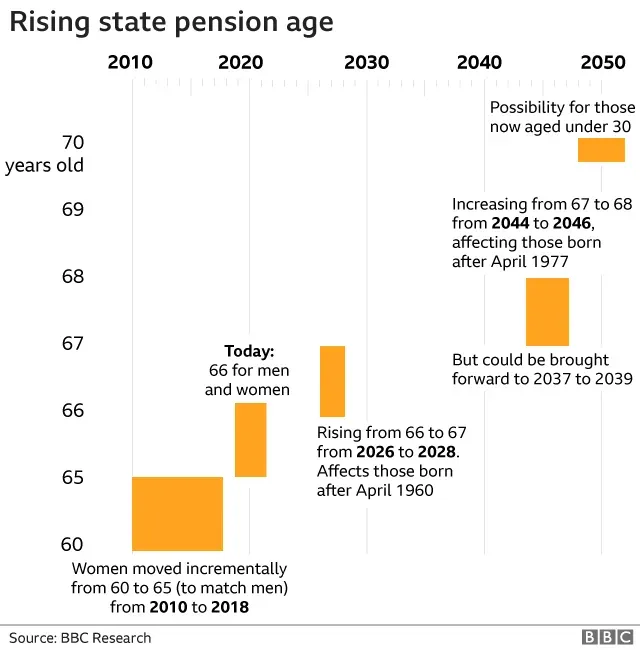
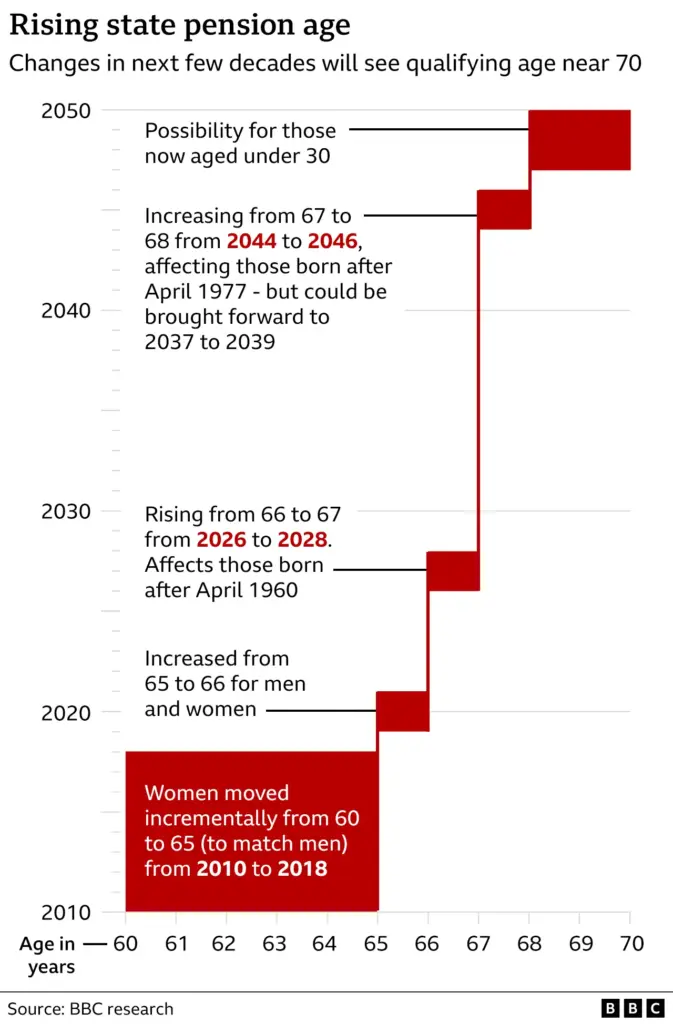
The recent changes to the UK state pension system have significantly impacted how individuals approach their retirement planning. Many potential retirees now need to re-evaluate their financial strategies to ensure they can meet the new eligibility requirements, particularly concerning the increasing state pension age and the number of National Insurance contributions required. With the state pension age moving towards 67, it’s essential for those nearing retirement to understand how these alterations will affect their timing and savings strategy.
Additionally, the flat-rate payment of £203.85 per week for those qualifying under the new pension scheme might not cover all living expenses for many individuals. Therefore, it’s increasingly important for future retirees to consider diversifying their income sources. This means looking into workplace pensions, personal savings, and other investment opportunities to augment their potential income during retirement.
Understanding National Insurance Contributions for State Pension Eligibility
National Insurance contributions play a crucial role in determining eligibility for the UK state pension. Under the current rules, individuals need to have made at least 35 years of contributions to qualify for the full state pension amount. This requirement emphasizes the need for individuals to check their National Insurance records regularly to ensure that they are on track to meet this benchmark. Missing or incomplete years of contributions can lead to a significant reduction in benefits.
Moreover, understanding how different employment types affect National Insurance contributions is vital. For instance, self-employed individuals may have different contribution responsibilities compared to employees. By knowing the intricacies of their contribution requirements, individuals can better plan for funding their retirement and avoid unexpected financial shortfalls when they reach their state pension age.
The Importance of Staying Informed About UK Pension Rules
With the UK’s pension landscape constantly evolving, staying informed about the latest rules and regulations is essential for effective retirement planning. Changes in pension policies can have significant implications for individuals, particularly concerning age limits and contribution levels. For instance, the recent move to increase the state pension age highlights the necessity for prospective retirees to be proactive about their pension planning. Understanding these rules can empower individuals to make informed decisions that will positively influence their retirement.
Furthermore, keeping abreast of changes in the UK pension system can help individuals leverage available resources effectively. Tools such as pension forecasts provided by the government can assist in estimating future income based on current National Insurance contributions. By actively seeking updates and understanding the implications of changes in pension rules, individuals can navigate their retirement planning more strategically.
Strategies for Optimizing Your Retirement Income
To ensure a comfortable retirement, it’s crucial to adopt strategies that optimize your retirement income. While the UK state pension provides a foundational income, it may not be sufficient for all retirees. Therefore, diversifying your income sources is essential. This could involve contributing to workplace pensions, setting up personal savings accounts, or investing in other financial products that yield returns over time that supplement the state pension.
Moreover, individuals should consider increasing their annual contributions where possible. The earlier you begin to save and the more you contribute, the greater the potential for compounded growth on your investments. By strategically planning and saving, retirees can enhance their financial security and enjoy a better standard of living during their retirement years.
Preparing Financially for Changes in the UK State Pension Age
As the state pension age in the UK continues to increase, preparing financially for this transition has become even more critical. Understanding that retirement may come later than expected is important for adjusting financial plans accordingly. This adjustment may include extending working years or, alternatively, finding ways to generate additional income through part-time work or side ventures.
In anticipation of future pension age changes, individuals should also consider their savings strategies now to cushion the financial impact of delayed pension payments. By starting to save early and engaging with financial advisors or utilizing government resources for pension planning, individuals can create a robust financial foundation that accounts for the shifts in the state pension landscape.
The Role of Workplace Pensions in Securing Your Retirement
Workplace pensions play a significant role in retirement planning in the UK. With automatic enrolment now a standard practice, many employees are contributing to their workplace pension schemes without even realizing the long-term benefits. These pensions, often matched by employer contributions, can significantly enhance an individual’s total retirement income, supplementing the state pension even further.
It’s vital for employees to understand their workplace pension scheme options. Engaging with HR or pension managers can provide insights into the best way to maximize these benefits. Moreover, individuals should consider increasing their contributions when feasible, looking for opportunities such as salary sacrifice options that can impact both immediate tax liabilities and long-term savings.
Frequently Asked Questions
What are the recent UK state pension changes that I should be aware of?
Recent UK state pension changes include the gradual increase in the state pension age, which is currently 66 and is set to rise to 67. Additionally, the introduction of the new flat-rate state pension offers a single payment structure, which is £203.85 per week as of 2023, subject to inflation adjustments.
How has the state pension age changed in the UK?
The state pension age in the UK has been raised due to increasing life expectancy. It has now reached 66, with plans to further increase it to 67 in the near future. This change affects when individuals can claim their state pension and requires careful retirement planning.
What are the National Insurance contribution requirements for the new UK state pension?
To qualify for the full new UK state pension, individuals must have made 35 years of National Insurance contributions. This emphasizes the need for strategic retirement planning to ensure adequate contributions throughout one’s working life.
How do the changes in UK pension rules affect current retirees?
Current retirees may not experience drastic changes due to the recent UK pension reforms, but they should monitor any increases in their state pension amounts, as adjustments based on the triple lock system can enhance their financial security.
What should future retirees know about UK state pension changes?
Future retirees need to be aware that the state pension age is increasing and the requirements for National Insurance contributions have changed, necessitating earlier and more proactive retirement planning to ensure a secure financial future.
How can I prepare for my state pension under the new UK pension rules?
To prepare for your state pension, start planning early by assessing your National Insurance contributions through the pension forecast tool. Additionally, consider supplementing your state pension with workplace or personal pensions to ensure a more comfortable retirement.
| Aspect | Details |
|---|---|
| Overview of the UK State Pension | A government-backed income for eligible adults upon reaching state pension age. |
| Old vs. New State Pension | The new state pension introduced in 2016 simplifies the system and provides a flat-rate payment. |
| Increase in Age of Eligibility | The state pension age has gradually increased to 66, with plans to rise to 67. |
| Flat-Rate Amount | As of 2023, the weekly amount is £203.85, adjusted annually based on the triple lock system. |
| National Insurance Contributions | Full payment requires 35 years of National Insurance contributions. |
| Advice for Current Retirees | Stay informed about potential state pension increases and plan accordingly. |
| Advice for Future Retirees | Understand the changes and consider additional savings plans to ensure adequate retirement income. |
Summary
The UK State Pension Changes are vital for both current and future retirees to understand. With increasing eligibility ages, a flat-rate payment structure, and stricter National Insurance contribution requirements, it is essential to stay informed and plan ahead. Individuals must start saving early and explore supplementary pension options to secure a comfortable retirement. By taking proactive steps now, you can navigate the new landscape of the UK state pension effectively and ensure financial stability in your retirement years.