Listen to this article
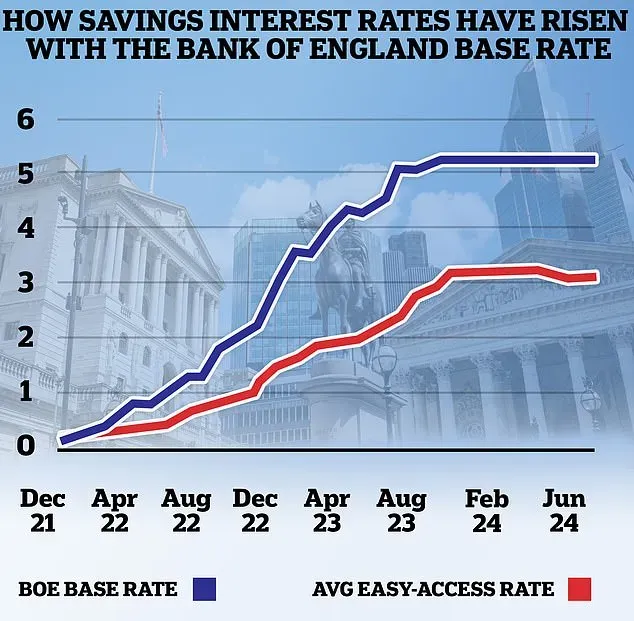
In recent times, the Bank of England interest rate changes have sparked significant discussions among potential homebuyers in the UK. These adjustments have meaningful implications on a wide array of financial decisions, particularly for those looking to purchase property. With fluctuations in interest rates UK affecting mortgage rates, the impact is felt most intensely by first-time homebuyers who are navigating the complexities of the housing market. As the Bank of England makes critical decisions regarding rates, understanding how these changes translate into financial stability or strain is crucial for prospective buyers. Ultimately, these alterations could either facilitate new opportunities for homeownership or pose considerable challenges that require careful navigation.
The adjustments in the monetary policy by the Bank of England play an indispensable role in shaping the UK’s economic environment. This central bank, responsible for the nation’s financial stability, frequently modifies interest rates to address economic conditions, a factor that directly influences homeowners and potential buyers alike. Specifically, the ongoing changes in mortgage interest rates can either ease the process for first-time homebuyers or complicate their journey toward securing a home. As these pivotal decisions unfold, the repercussions are felt throughout the housing market, affecting everything from buying power to overall market activity, making it vital for individuals to stay informed and proactive.
The Bank of England’s Monetary Policy and Its Implications for Homebuyers
The Bank of England (BoE) is the cornerstone of the UK’s monetary policy and plays a critical role in setting interest rates that affect the economy at large. For homebuyers, the BoE’s decisions directly impact mortgage affordability and market dynamics. When the BoE lowers interest rates, it is often in response to economic challenges, aiming to stimulate growth and enhance financial stability. Such decisions can lead to lower mortgage rates, which may entice more individuals to consider buying a home, thereby increasing competition and potentially driving up property prices.
Conversely, when the Bank of England decides to increase interest rates, it typically signals that the economy is overheating and inflation is a concern. Higher rates result in increased borrowing costs, making mortgages less affordable. This can force potential homebuyers to reevaluate their financial capabilities and, in many cases, postpone their home purchase plans. For first-time homebuyers, particularly, rising interest rates can create significant barriers, limiting their options in an already challenging housing market.
Interest Rates UK: The Broad Effect on the Housing Market
Interest rates play a pivotal role in the UK’s housing market, acting as a double-edged sword for buyers. Lower interest rates often lead to more favorable mortgage conditions, resulting in increased buying activity. As interest rates drop, so do mortgage payments, allowing potential buyers to stretch their budgets further and potentially buy more expensive properties. This influx of buyers can lead to a competitive market, pushing property prices higher as demand outstrips supply.
However, when the Bank of England raises interest rates, the ripple effects can reduce market activity substantially. Higher mortgage costs might deter potential buyers who are unwilling or unable to meet increased monthly payments. This reduction in demand can stabilize, or even lower, property prices, benefiting those still able to purchase. Equally, existing homeowners with variable-rate mortgages may find their finances strained, which can lead to an uptick in property listings as they seek to sell before costs escalate.
The Effect of Mortgage Rates on Homebuyers’ Financial Decisions
Mortgage rates are one of the most crucial factors influencing homebuyers’ financial decisions. In an environment where the Bank of England has lowered interest rates, mortgage rates typically follow suit, making homeownership more accessible. Buyers can secure favorable terms, reducing their overall lifetime loan costs significantly. A notable interest rate reduction can encourage an increase in home purchases, especially among first-time buyers who are particularly sensitive to monthly payment amounts.
On the flip side, if the BoE decides to raise rates, mortgage costs will likely climb. This scenario prompts potential buyers to reevaluate their purchasing power, often leading them to either seek lower-priced homes or reconsider their financial commitments. The rising costs of borrowing can also result in buyers needing to navigate tighter lending standards, where lenders may increase requirements for down payments and credit scores, thus complicating the buying process for many.
First-Time Homebuyers and Interest Rate Fluctuations
For first-time homebuyers, fluctuations in interest rates can present unique challenges and opportunities. When interest rates are low, it can be an ideal time for these buyers to enter the housing market, as lower mortgage payments make homes more affordable. This is particularly crucial for first-time buyers who are often working with limited budgets and tight financial constraints. An initial lower interest rate can significantly boost their purchasing power, allowing them to secure properties that may otherwise be out of reach.
However, an increase in interest rates poses heightened challenges for first-time homebuyers. Not only do higher rates mean increased monthly payments, but they can also lead to stricter lending criteria from banks. Banks may require larger down payments or a higher credit score, making it more difficult for new entrants into the market to obtain financing. As financial stability becomes paramount in a rising rate environment, many first-time homebuyers may find themselves needing to adjust their plans, prolonging the journey to homeownership.
Staying Ahead: Preparing for Changes in Interest Rates
In an economic climate characterized by fluctuating interest rates, proactive preparation is essential for prospective homebuyers. Understanding one’s financial situation is the first step in navigating potential changes. By analyzing budgets and calculating what mortgage amounts are affordable at various interest rates, buyers can prepare more effectively for market shifts. Additionally, establishing a solid financial base can help mitigate the impact of rising rates when the time comes to purchase a home.
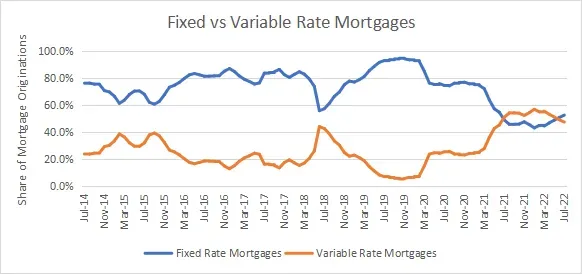
Moreover, considering fixed-rate mortgages as a strategy can provide advantageous predictability amidst uncertain interest rate environments. Although these loans might carry slightly higher initial costs, they shield homeowners from future rate increases, creating financial security over the long term. Keeping informed about the Bank of England’s rate policies and economic indicators can also aid buyers in timing their purchase optimally, leading to better decision-making and greater financial well-being.
Conclusion: The Complex Interplay of Interest Rates and Homebuying
The relationship between interest rates and homebuying in the UK is complex and multifaceted. Decisions made by the Bank of England regarding interest rates have critical implications for potential homeowners, affecting everything from mortgage affordability to market activity. Homebuyers must recognize that as rates shift, so too will the landscape of the housing market, opening up both challenges and opportunities.
As prospective homeowners navigate the intricacies of buying property, staying informed is crucial. By understanding how interest rates impact their financial decisions, buyers can position themselves better in a fluctuating market, whether they are seasoned investors or first-time entrants. Keeping abreast of the Bank of England’s policies and economic indicators will empower buyers to make informed choices and effectively achieve their homeownership goals.
Frequently Asked Questions
How do Bank of England interest rate changes affect mortgage rates in the UK?
When the Bank of England adjusts interest rates, mortgage rates typically mirror these changes. A decrease in interest rates often leads to lower mortgage rates, making homeownership more affordable, while an increase can raise borrowing costs, impacting the housing affordability for UK buyers.
What impact do Bank of England decisions on interest rates have on first-time homebuyers?
Bank of England interest rate changes can significantly impact first-time homebuyers. Rising rates may restrict their borrowing power and increase monthly payments, making it harder to enter the housing market. Conversely, lower rates can enhance affordability and encourage more first-time buyers to secure a mortgage.
How do interest rate changes by the Bank of England affect the UK housing market?
Interest rate changes by the Bank of England play a crucial role in the UK housing market. Lower rates tend to increase demand and home prices as more individuals can afford mortgages, while higher rates can slow down the market by reducing buyer activity and potentially leading to lower home prices.
What should homebuyers know about Bank of England interest rate changes?
Homebuyers should understand that Bank of England interest rate changes directly influence mortgage affordability and the overall housing market. By monitoring these changes and their implications on interest rates, buyers can better prepare for purchasing decisions and budget accordingly.
Are current Bank of England interest rates affecting existing homeowners?
Yes, current Bank of England interest rate changes are impacting existing homeowners, particularly those with variable-rate mortgages. An increase in rates leads to higher monthly payments, which can strain finances and prompt some homeowners to sell, subsequently affecting market dynamics.
What are the best strategies for managing mortgage affordability amid Bank of England interest rate changes?
To manage mortgage affordability amid Bank of England interest rate changes, homebuyers should assess their finances, consider fixed-rate mortgages for stability, stay informed about economic trends, and seek professional advice to navigate potential market fluctuations effectively.
| Key Point | Explanation |
|---|---|
| The Role of the Bank of England | The Bank of England manages the economy through interest rate adjustments, impacting homebuyers by influencing mortgage costs. |
| Impact of Low Interest Rates | Lower interest rates lead to reduced mortgage payments, making homes more affordable and stimulating market activity. |
| Impact of High Interest Rates | Higher rates increase monthly payments, potentially cooling market activity and reducing home prices, which can benefit certain buyers. |
| Challenges for First-Time Buyers | Increased rates strain budgets and make securing mortgages harder, forcing first-time buyers to adjust their home search. |
| Preparing for Rate Changes | Homebuyers should analyze finances, consider fixed-rate mortgages, stay informed, and seek professional advice to navigate changes. |
Summary
Bank of England interest rate changes play a crucial role in shaping the financial landscape for homebuyers. Understanding how these changes affect mortgage affordability, market activity, and the financing process is essential for prospective homeowners. Lower rates typically enhance homebuying power, encouraging market activity, while higher rates can lead to financial strain and reduced demand. For first-time buyers in particular, the challenges posed by rising rates necessitate careful planning and informed decision-making. By monitoring the economic indicators and considering various mortgage options, homebuyers can better navigate the complexities of interest rate fluctuations and achieve successful homeownership.