Listen to this article
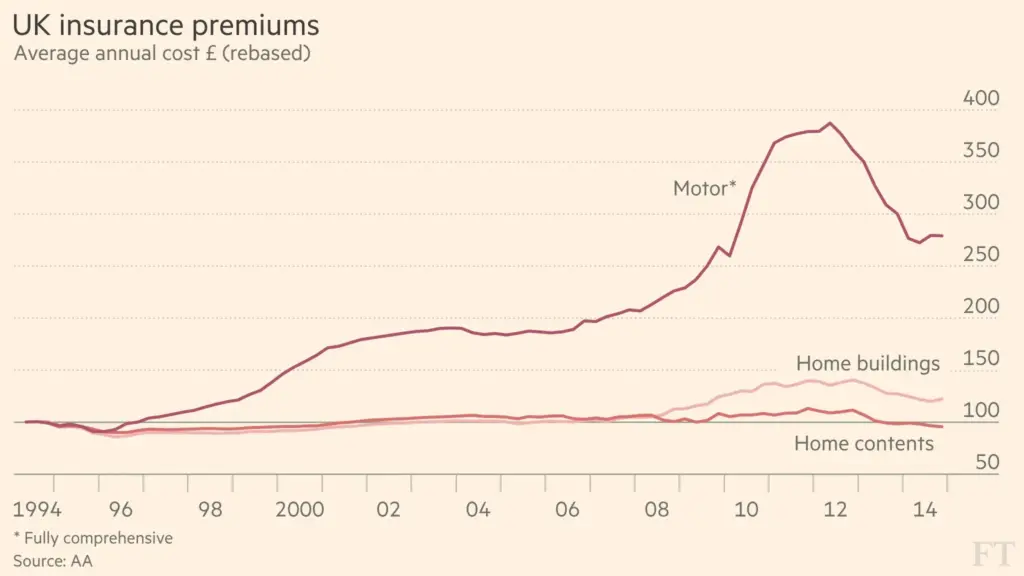
In recent years, the UK has seen notable increases in insurance premiums, leaving many consumers wondering about the underlying reasons. These hikes affect various sectors, including car insurance premiums and home insurance costs, prompting discussions around the overall UK insurance market dynamics. Key factors affecting insurance rates such as inflation, changing consumer behaviors, and regulatory shifts have come into play, complicating the landscape for policyholders. As insurers adjust their pricing strategies in response to operational costs and claim frequency, understanding how these elements interact becomes vital for consumers. By staying informed on the trends in insurance premium increases in the UK, individuals can make better financial decisions and explore options to manage their costs effectively.
The recent surge in insurance costs across the United Kingdom has prompted significant attention and concern among policyholders. As many grapple with rising auto insurance prices and elevated home insurance expenses, it’s crucial to comprehend the elements driving these changes. Various factors such as economic inflation, market conditions, and shifts in consumer behavior contribute collectively to modifying premiums. The ongoing evolution in the insurance landscape, characterized by pricing adjustments in response to competing market forces, is reshaping how individuals engage with their insurance providers. A thorough understanding of these developments not only aids in navigating the complexities of insurance expenses but empowers consumers to advocate for better rates and coverage.
The Impact of Inflation on Insurance Premiums
Inflation is a significant factor influencing the rise in insurance premiums across the UK. As the general cost of living escalates, insurance companies must adjust their pricing to accommodate the increased expenses associated with operations and claims. For instance, the cost of repair services, material prices, and labor wages all contribute to the overall expense of underwriting policies. This economic pressure often leads insurers to pass these costs onto consumers, reflecting in higher premiums for auto, home, and health insurance.
Furthermore, the effects of inflation are not limited to immediate operational costs; they seep into long-term planning and financial strategies for insurance companies. With the rising expenses, insurers might reserve larger amounts to cover future claims, which can justify an increase in premiums. Thus, consumers need to stay aware of broader economic trends and how inflation affects not just their purchasing power, but also their insurance premiums.
Factors Affecting Car Insurance Premiums in the UK
Several factors can lead to fluctuations in car insurance premiums in the UK. One of the most prominent determinants is the driver’s personal risk profile, including their driving history, age, and location. Young drivers or those living in high-crime areas typically face higher premiums due to perceived higher risks. Moreover, the type of vehicle plays a crucial role; high-performance cars often incur steeper premiums due to the potential cost of repairs and likelihood of accidents.
In addition to personal factors, external influences such as regulatory changes and market conditions are crucial in shaping car insurance costs. For instance, following a series of severe weather events, insurers may reassess their risk models, resulting in higher premiums across the board. Therefore, keeping informed about these variables can assist consumers in making more strategic choices regarding their car insurance policies.
Understanding Home Insurance Pricing Strategies
Home insurance costs reflect a complex interplay of various pricing strategies employed by insurers. Typically, these costs are determined by factors such as the property’s location, its age, and building materials used. Insurers analyze the risks associated with insuring a property in a particular area, including flood risks or crime rates, to set appropriate premiums. Additionally, changes in local market conditions, like property values and neighborhood safety, can influence premiums as insurers adjust their pricing strategies to remain competitive.
Moreover, the impact of home renovations cannot be overlooked; improvements can either increase or decrease premiums based on the added value or risk. Insurers may offer discounts for certain safety features, like burglar alarms or fire detection systems, which reduce the likelihood of a claim. Therefore, homeowners should consider how different aspects of their property influence insurance costs and explore opportunities for savings through enhanced safety measures.
The Role of Regulatory Changes in Insurance Rates
Regulations affecting the UK insurance market play a significant role in determining premium rates. Changes in laws, such as updates to consumer protection statutes or adjustments in tax policies, can prompt insurers to rethink their pricing structures. For instance, if new regulations impose stricter standards for claims handling or customer service, insurers might increase premiums to maintain profitability while complying with these requirements.
Additionally, regulatory bodies may implement reforms aimed at fostering competition in the insurance landscape. While this can lead to lower rates in certain segments, increased compliance costs might lead some insurers to raise premiums in others. Understanding the ongoing regulatory changes can help consumers adapt their insurance choices and anticipate potential shifts in premium pricing.
How Personal Risk Profiles Impact Premiums
An individual’s personal risk profile is a critical factor that insurers consider when determining premium rates across the UK. Key components such as credit rating, occupation, and prior claims history play a substantial role. For example, individuals with a history of frequent claims are often viewed as higher risk, resulting in elevated premiums. On the other hand, individuals who demonstrate responsible behavior, such as maintaining good credit, can benefit from lower rates.
Furthermore, personal circumstances like age and driving experience also contribute to the assessment. Younger drivers typically face higher premiums due to a lack of experience, while older, more experienced drivers may qualify for lower rates. Insurers utilize these profiles to tailor their pricing strategies, highlighting the importance of consumers understanding what factors influence their specific insurance costs.
Mitigating Insurance Costs Through Smart Strategies
To effectively manage increasing insurance costs, consumers can adopt various strategic approaches. One key method is to shop around and compare quotes from different providers. With the rise of online comparison tools, it has become easier than ever to evaluate different policies based on coverage and cost. This practice not only allows consumers to find better rates but also encourages healthy competition among insurers, potentially leading to lower prices.
Another effective tactic is bundling multiple policies, such as auto and home insurance, with the same insurer. Many companies offer discounts for bundled policies, helping consumers to secure more comprehensive coverage at a lower overall cost. Individuals can also consider adjusting their deductibles; raising the deductible can lower the premium, provided they are prepared to cover higher out-of-pocket expenses if a claim arises. Implementing these strategies enables consumers to mitigate the impact of rising premiums while ensuring adequate coverage.
Frequently Asked Questions
What are the common reasons for insurance premium increases in the UK?
Insurance premium increases in the UK can be attributed to various factors including inflation, an increase in the frequency and severity of claims, regulatory changes, and personal risk profiles. For instance, extreme weather events have led to higher home insurance costs due to increased claims, while changes in legislation can compel insurers to adjust their pricing strategies.
How does inflation affect car insurance premiums in the UK?
Inflation significantly impacts car insurance premiums in the UK as rising costs of repairs and operational expenses drive insurers to pass these costs onto consumers. This means as inflation rises, car insurance premiums are likely to increase to maintain profitability.
What factors influence home insurance costs in the UK?
Home insurance costs in the UK are influenced by several factors, including property location, local crime rates, claim history, and broader economic conditions such as inflation and natural disasters, which could lead to rising premiums due to increased claims.
How can individual circumstances impact insurance premium increases in the UK?
Individual circumstances such as your claims history, credit score, and the type of coverage you select can directly affect insurance premium increases. Insurers view those with a history of frequent claims as higher risk, leading to higher premiums.
What role do regulatory changes play in insurance pricing strategies in the UK?
Regulatory changes can significantly influence insurance pricing strategies in the UK by mandating compliance with new legislation, which may result in higher operational costs for insurers. In turn, companies may raise premiums to maintain their profit margins while adhering to these regulations.
What strategies can help mitigate increases in insurance premiums in the UK?
To combat increases in insurance premiums in the UK, consumers can shop around for better rates, bundle policies for discounts, raise deductibles to lower costs, maintain good credit scores, and consider usage-based insurance options for cars.
| Factor | Description |
|---|---|
| Inflation and Rising Costs | Operational costs for insurers rise due to inflation, leading to increased premiums for policyholders. |
| Increased Frequency and Severity of Claims | Higher claim frequency and severity from events like natural disasters inflate premiums as insurers mitigate risks. |
| Regulatory Changes | Changes in legislation can lead to increased insurer costs, which may be passed onto consumers as higher premiums. |
| Competition and Market Dynamics | Market competition may drive premiums up when financial stability is threatened by mergers or financial losses. |
| Your Personal Risk Profile | Personal factors such as claims history and credit score directly influence premium rates by assessing risk. |
| Changing Consumer Behavior | New consumer habits, like increased home insurance claims due to remote work, can prompt insurers to adjust premiums accordingly. |
Summary
Insurance premium increases in the UK are primarily driven by a blend of economic factors, personal circumstances, and market dynamics. Understanding these causes helps consumers manage their insurance budgets more effectively. Factors such as inflation, claim frequency, regulatory changes, competitive market conditions, individual risk profiles, and shifting consumer behaviors all contribute to the rising costs of insurance premiums. By being informed about these influences and adopting smart strategies—like shopping around for better rates and maintaining good credit—consumers can navigate the landscape of insurance more effectively and achieve better financial control.