Listen to this article
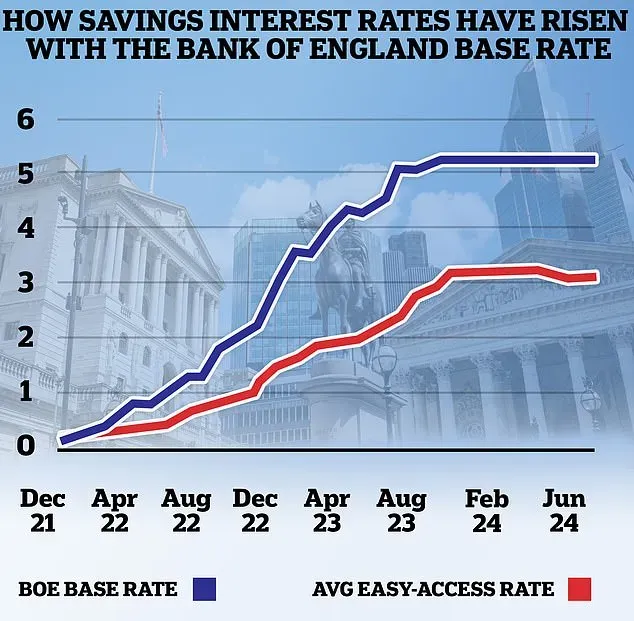
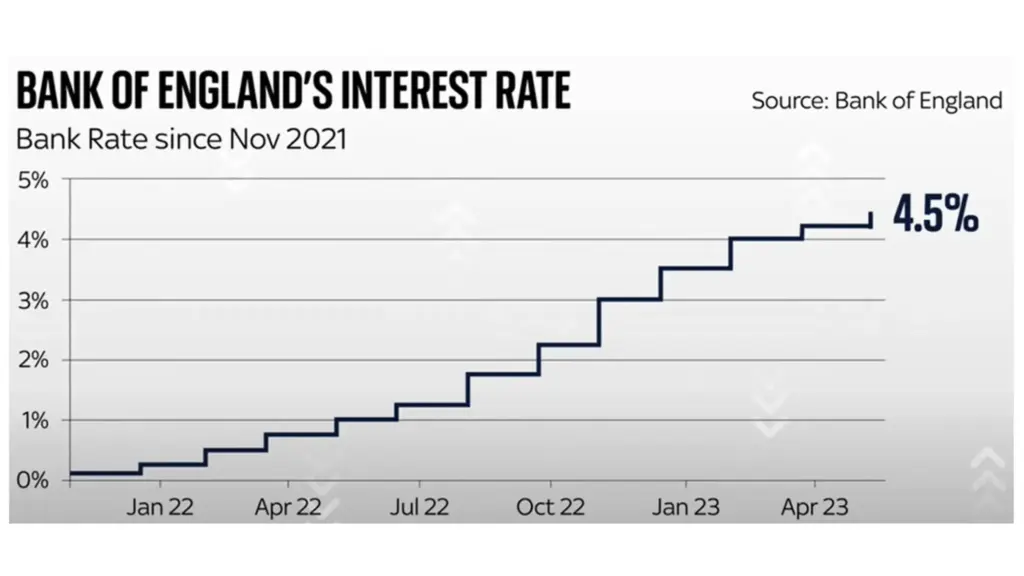
The Bank of England interest rate changes significantly influence the financial landscape across the UK economy, especially for homeowners and prospective buyers navigating the mortgage market. As this central bank adjusts its base interest rate, various mortgage products, including fixed-rate and variable-rate mortgages, experience direct effects, shaping the costs of borrowing. With rising interest rates often leading to increased monthly payments, understanding these changes is crucial for anyone involved in remortgaging or looking to secure a new mortgage. This interplay between interest rates and financial stability is vital, as fluctuations not only impact household budgets but can also ripple through the broader economy. In this blog post, we will explore how Bank of England interest rate changes affect mortgages and what you can do to prepare for potential economic impacts.
When we discuss the adjustments made by the central bank in the UK concerning its lending rates, it’s essential to consider their repercussions on home financing structures, particularly mortgages. The dynamics of interest rates govern the cost of borrowing, which can be pivotal for both individuals and families looking to invest in property or refinance their existing loans. As the Bank of England modifies its policy rates, these shifts can create a cascade of effects, impacting everything from loans and mortgages to the affordability of housing. Understanding this complex relationship helps borrowers navigate the treacherous waters of economic changes, remaining proactive about their financial commitments. Throughout this article, we will unpack the nuances of how these interest rate alterations play a critical role in shaping the mortgage landscape.
The Influence of Bank of England Interest Rate Changes on Fixed-Rate Mortgages
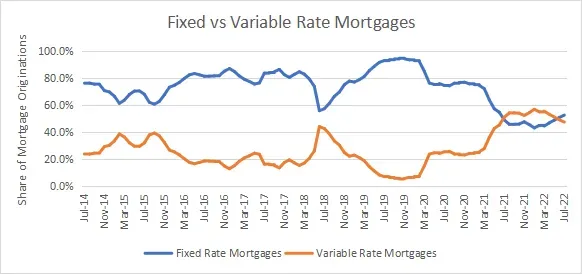
Fixed-rate mortgages provide homeowners with stability and predictability in their mortgage payments. Since the interest rate is locked in for a fixed period, fluctuations in the Bank of England’s base rate do not directly impact monthly obligations for the duration of the fixed term. This stability can be particularly advantageous during times of economic uncertainty, as borrowers can effectively plan their finances without worrying about sudden increases in monthly payments due to rising interest rates.
However, the implications of Bank of England interest rate changes become a consideration when a fixed-rate mortgage matures. At the end of this term, homeowners may face a new interest rate environment based on the current base rate at that time. If the BoE raises rates during the fixed term, borrowers remortgaging could find themselves applying for loans at higher rates, which may significantly affect their overall cost of borrowing and make home ownership less affordable upon renewal.
Understanding Variable-Rate Mortgages in the Context of Interest Rates
Variable-rate mortgages are directly impacted by the Bank of England’s interest rate adjustments, making them a more dynamic option for borrowers. When the BoE raises its base rate, lenders follow suit by increasing the interest rates on variable-rate mortgage products. This adjustment causes monthly payments to rise, which can strain household budgets, especially for those on tight financial margins.
The unpredictability of variable-rate mortgages introduces an element of risk that borrowers must be prepared to manage. While these mortgages can offer lower initial rates compared to fixed options, homeowners need to be financially equipped to adapt to potential increases in repayment amounts that accompany rate hikes from the Bank of England. Therefore, it’s critical for prospective borrowers to understand their financial capacity and how these changes might affect their long-term budget plans.
In a fluctuating economy, some borrowers may consider switching to fixed-rate products to lock in a more predictable rate. This strategic decision can provide security amid uncertainty, but requires staying informed about when it’s advantageous to make this shift.
The Impact of Economic Growth on Bank of England Interest Rates
Economic growth is a significant factor in the Bank of England’s decisions regarding interest rates. During periods of expansion, increased spending can lead to rising inflation, prompting the Bank to raise interest rates to keep economic growth in check. This process aims to maintain equilibrium, as too much liquidity can trigger undesired inflationary pressures.
These interest rate increases can affect mortgage holders, particularly those with variable-rate mortgages that directly respond to the base rate. Higher rates may result in increased monthly repayments, ultimately affecting spending habits and even leading to a slowdown in the housing market as potential buyers retreat due to higher borrowing costs.
How Inflation Affects Bank of England’s Interest Rate Policy
Inflation plays a key role in shaping the interest rate policies of the Bank of England. When inflation rises above the target of 2%, the bank often takes preemptive measures to cool down the economy by increasing interest rates. The rationale behind this approach is to discourage excessive borrowing and spending, which can exacerbate price increases.
For mortgage holders, a hiking interest rate environment fueled by inflation can lead to elevated costs, especially for those on variable-rate loans. As borrowers grapple with higher monthly repayments, the overall financial stability of households may come into question, necessitating careful financial planning to accommodate these changes.
The Role of Economic Indicators in Interest Rate Predictions
A plethora of economic indicators, including employment rates and consumer spending, provide insights into the Bank of England’s potential interest rate decisions. By monitoring these indicators, borrowers can better anticipate shifts in the market. For instance, rising employment rates may signal economic strength, prompting the BoE to consider rate hikes.
Understanding these nuances equips homeowners and potential borrowers with the knowledge needed to navigate mortgage options in a changing interest rate landscape. Those considering mortgages might find it beneficial to engage with financial experts who can help analyze these indicators for strategic mortgage planning and remortgaging options.
Preparing for Future Bank of England Interest Rate Changes
Being proactive about potential interest rate changes can provide homeowners with a financial edge. Those with variable-rate mortgages, in particular, should be vigilant about monitoring the Bank of England’s decisions, as these will have direct implications for their monthly payments. Staying ahead means budgeting accordingly and preparing for possible fluctuations in debt obligations.
Additionally, borrowers nearing the end of their fixed-rate mortgage should consider exploring remortgaging options before anticipated hikes occur. By locking in a lower rate ahead of time, borrowers can safeguard themselves against future increases while securing favorable terms that enhance financial stability.
Frequently Asked Questions
How do Bank of England interest rate changes influence fixed-rate mortgages?
Bank of England interest rate changes do not directly impact existing fixed-rate mortgages since these loans have locked-in rates for a specified term. However, if homeowners plan to remortgage after their fixed term ends, higher interest rates may lead to increased costs when securing a new mortgage.
What is the impact of Bank of England interest rate changes on variable-rate mortgages?
Variable-rate mortgages are directly affected by Bank of England interest rate changes. When the BoE raises interest rates, lenders typically pass these costs onto borrowers, resulting in higher monthly mortgage payments for those with tracker or standard variable rates.
Why does the Bank of England adjust interest rates and how does this relate to the UK economy?
The Bank of England adjusts interest rates to manage inflation and stimulate or cool economic growth. By raising rates, it can help reduce spending and control inflation, while lowering rates can stimulate borrowing and spending to support economic growth.
How can homeowners prepare for changes in mortgage payments due to Bank of England interest rate changes?
Homeowners can prepare by reviewing their mortgage type to understand susceptibility to rate changes, considering remortgaging options before fixed-rate agreements expire, budgeting for potential increases, and consulting financial advisors for personalized guidance.
What are the consequences of Bank of England interest rate changes for buy-to-let mortgage holders?
Buy-to-let mortgage holders may face increased costs if the Bank of England raises interest rates. This could lead landlords to increase rent to cover higher mortgage payments, thereby impacting rental affordability for tenants.
How does remortgaging relate to Bank of England interest rate changes?
Remortgaging refers to the process of switching to a new mortgage, often to secure a better rate. Homeowners should consider remortgaging in light of Bank of England interest rate changes, especially if they anticipate rates rising, to lock in lower rates before their current fixed-term mortgage ends.
| Key Point | Explanation |
|---|---|
| Role of the Bank of England | The BoE sets the base interest rate, which affects all other interest rates in the economy. |
| Base Interest Rate Explained | This is the rate at which the BoE lends to banks. Changes impact borrowing costs for consumers. |
| Reasons for Rate Changes | Factors include inflation control, economic growth, employment rates, and external global conditions. |
| Impact on Fixed-Rate Mortgages | Payments remain stable during the term but may increase upon remortgaging if rates rise. |
| Impact on Variable-Rate Mortgages | Payments fluctuate with the BoE’s rates, leading to potential increases in monthly costs. |
| Effect on Buy-to-Let Mortgages | Higher rates can increase costs for landlords, potentially raising rents. |
| Considerations for Borrowers | Understanding your mortgage type and preparing for potential changes is crucial. |
| Consult a Financial Advisor | Seek professional advice tailored to your financial situation regarding mortgage decisions. |
Summary
The Bank of England interest rate changes are a critical factor that can significantly affect mortgage costs for both current homeowners and prospective buyers. Understanding how these changes influence the financial landscape is essential for anyone dealing with mortgages. The BoE adjusts interest rates based on various economic indicators, including inflation and employment rates, to maintain economic stability. Having a clear grasp of whether you have a fixed or variable-rate mortgage can prepare you for fluctuations in your monthly payments. By staying informed about the Bank of England’s decisions, individuals can make more strategic financial choices and mitigate the risks associated with potential rate hikes.