Listen to this article
Loan interest rates UK are a crucial aspect of borrowing money, influencing everything from personal loans to mortgage rates in the country. Understanding these rates can significantly impact your total loan repayment and overall financial health. In the UK, borrowers face choices between fixed and variable loan rates, each with distinct advantages and implications for long-term budgeting. As the interest rates UK fluctuate, it’s essential to grasp how these changes affect your borrowing power and financial commitments. This guide aims to demystify loan interest rates, helping you make savvy decisions in an increasingly complex lending environment.
Exploring the landscape of borrowing in the United Kingdom requires a clear insight into the various factors that determine loan rates and conditions. When discussing the nuances of financing options such as personal loans and mortgages, one encounters terms like fixed versus variable rates and the fluctuations in market rates influenced by the Bank of England’s decisions. Understanding these key concepts not only prepares you for navigating monthly repayments but also enhances your ability to select the most favorable loan terms. With a firm grasp on the mechanics of loan rates, individuals can confidently approach their lending needs, securing competitive rates that align with their financial goals. This guide will offer a thorough breakdown of how loan interest operates within the UK financial system, aiding consumers in making informed choices.
Understanding the Basics of Loan Interest Rates in the UK
Loan interest rates are pivotal in determining how much borrowers will ultimately pay for their loans. In the UK, consumers encounter various types of loans, each with unique interest structures tailored to different needs. Understanding these rates begins with recognizing their calculation based on several factors, including the loan’s nature, lender policies, and borrower creditworthiness. For instance, personal loans and mortgages often have differing rates, affecting affordability and repayment plans.
Moreover, various forms of interest rates exist, such as fixed and variable rates. Fixed interest rates maintain a consistent percentage throughout the loan’s duration, providing borrowers with a sense of reliability in budgeting their repayments. In contrast, variable interest rates fluctuate based on market activity. This variability can be beneficial in a declining interest rate environment, but could lead to increased costs during economic upswings.
The Importance of Interest Rates in Loan Repayment
The interest rate applied to a loan significantly impacts the total repayment amount, influencing both monthly payments and the overall cost of borrowing. For instance, securing a personal loan at a lower interest rate can lead to substantial savings over time. As borrowers repay their loans, a high interest rate directly correlates to elevated monthly obligations, which can create financial strain, particularly for larger sums.
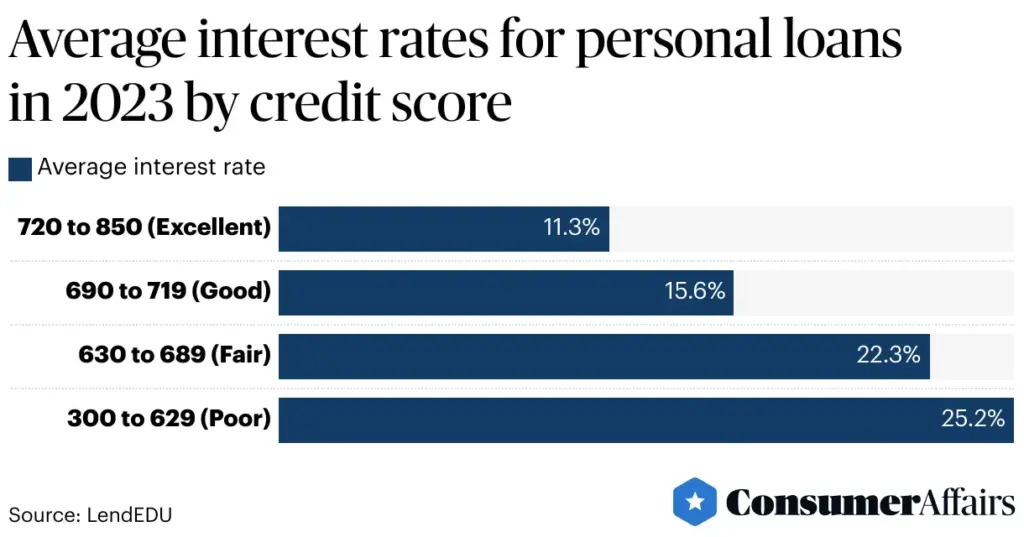
Additionally, understanding how differing interest rates influence loan eligibility is crucial for potential borrowers. Many financial institutions assess a consumer’s credit score to determine which rates they qualify for. A higher credit score enhances access to better rates, while a lower score may result in higher costs, limiting borrowing options. Thus, borrowers must understand how their financial profiles relate to the current interest rate landscape.
Fixed vs Variable Loan Rates: Which is Better?
When considering loan options, borrowers must often choose between fixed and variable rates. Fixed interest rates offer stability; once set, they do not change, making it easier for borrowers to budget their payments. This can be particularly advantageous in a rising interest rate environment, as it protects borrowers from sudden cost increases.
Conversely, variable interest rates can initially appear enticing due to their potential for lower starting costs. They typically adjust based on market conditions or central bank rates, implying that borrowers may benefit from decreased payments if rates fall. However, the risk lies in rising costs during periods of economic growth, where borrowers could face significantly higher repayments if they are unprepared.
Influences on Loan Interest Rates in the UK Market
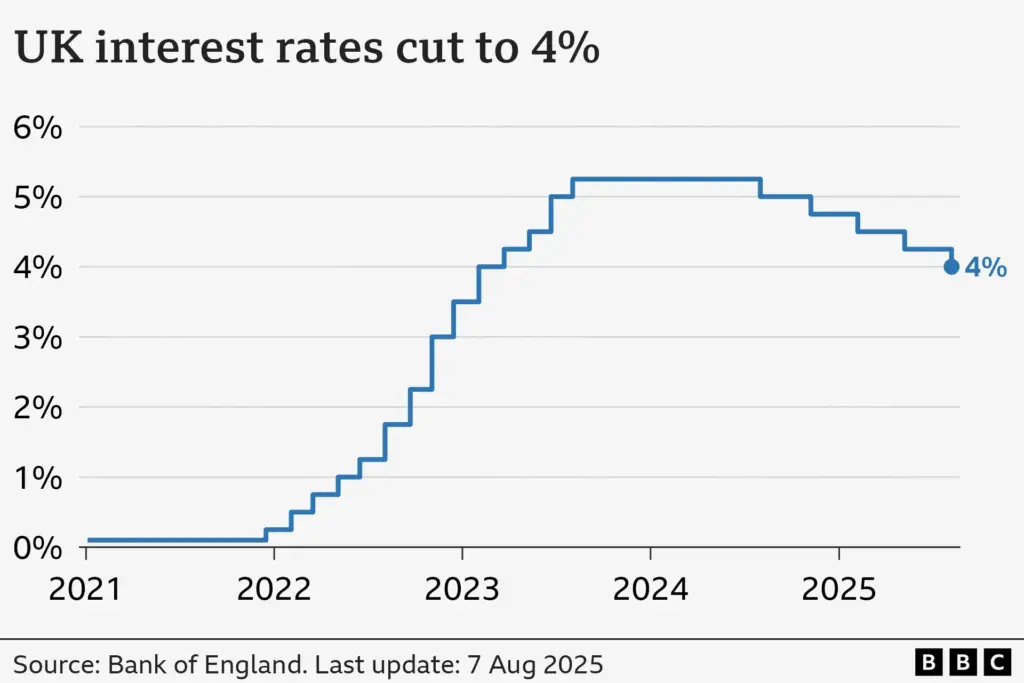
Various elements shape loan interest rates in the UK, making it essential for borrowers to stay informed. Central bank rates play a critical role, impacting the cost lenders offer to consumers. When the Bank of England adjusts its base rate, lenders typically respond by altering their loan interest rates. This correlation underscores the need for borrowers to monitor economic news, as even minor shifts in central bank policy can influence borrowing costs.
Economic indicators such as inflation and employment figures also contribute to interest rate fluctuations. A robust economy often results in increased loan demand, leading lenders to raise rates to mitigate risk. Understanding these underlying factors helps borrowers make informed decisions about the timing and type of loans they pursue, ultimately affecting their overall financial health.
Strategies for Managing Loan Interest Rates
Effectively managing loan interest rates involves several proactive strategies that prospective borrowers should consider. Firstly, conducting a thorough comparison of rates across different lenders can yield significant savings; varying terms and conditions mean lower rates are often available from competing institutions. Additionally, prospective borrowers should work on enhancing their credit scores prior to applying for loans. Improving financial health through timely payments and minimal debt can open the door to lower interest rates, ultimately reducing overall loan costs.
Engaging in negotiation discussions with lenders can also bear fruit; many are willing to adjust fees or terms that can lead to a more favorable interest rate. Furthermore, borrowers should explore all borrowing options, including considering secured loans, which may offer lower rates but require collateral. Understanding market conditions and utilizing online calculators to model repayments under differing rate scenarios can help borrowers make the most informed choices regarding their financing.
The Long-term Effects of Loan Interest Rates on Finances
Loan interest rates are not merely a short-term concern; they can have lasting implications on one’s financial future. For instance, an individual selecting a loan with a high interest rate may find themselves struggling with larger monthly payments for years, leading to restricted cash flow for other essential expenses. Over time, this can affect savings plans and exacerbate financial stress.
Moreover, understanding the long-term effects of interest rates applies to all borrowing types, from personal loans to mortgages. A minor interest rate differential can result in thousands of pounds over the life of a loan. Therefore, comprehensive awareness of interest rate trends, coupled with strategic financial planning, can empower consumers to mitigate long-term financial burdens.
Frequently Asked Questions
What are the current loan interest rates in the UK for personal loans?
As of now, loan interest rates for personal loans in the UK vary significantly based on the lender and the borrower’s credit profile. Typically, interest rates can range from around 3% to 30%, with lower rates generally available to those with higher credit scores.
How do fixed vs variable loan rates work in the UK?
Fixed loan rates in the UK provide predictable monthly payments that remain unchanged for the life of the loan, making budgeting easier. In contrast, variable loan rates can fluctuate based on the Bank of England’s base rate, which means payments may increase or decrease over time, affecting overall loan repayment.
What factors influence interest rates UK borrowers should consider?
Interest rates in the UK are influenced by several key factors, including the Bank of England’s base rate, economic indicators, lender policies, and individual credit scores. Borrowers should consider these elements when seeking loans to secure the best rates.
When is the best time to lock in mortgage rates in the UK?
The best time to lock in mortgage rates in the UK often coincides with lower base rates set by the Bank of England, typically during periods of economic stability. Keeping an eye on market trends and economic forecasts can help borrowers decide when to secure favorable mortgage rates.
What is the impact of loan repayment terms on interest rates UK borrowers face?
Loan repayment terms significantly affect the overall interest paid on loans in the UK. Generally, longer repayment terms may lead to lower monthly payments but can accrue more interest over time, while shorter terms can increase monthly payments but reduce the total interest paid.
How can borrowers improve their chances of getting lower interest rates UK?
To secure lower interest rates in the UK, borrowers can improve their credit scores by paying off debts, reducing credit utilization, and ensuring timely payments. Additionally, comparing rates from multiple lenders and choosing loans with favorable terms can enhance chances of approval for better rates.
| Key Point | Description |
|---|---|
| What are Loan Interest Rates? | The cost of borrowing money, expressed as a percentage of the loan principal. |
| Types of Rates | – Fixed Interest Rates: Constant throughout the loan. – Variable Interest Rates: Change based on market rates. – Tracker Rates: Follow the Bank of England’s base rates. |
| Factors Influencing Rates | – Central Bank Rates – Economic Indicators – Lender’s Policies – Credit Score |
| Impact of Rates | – Higher interest rates increase monthly payments and total repayment amounts. – They also affect loan eligibility. |
| Tips for Managing Rates | – Shop around for better deals. – Improve your credit score. – Negotiate fees. – Stay informed about market conditions. |
Summary
Loan interest rates UK are a significant factor in the borrowing process that can greatly influence your total financial obligation. Understanding what these rates mean, how they are determined, and their implications for your finances is essential for making informed choices when seeking loans. By recognizing how to navigate different rate types and factors that influence them, individuals can better manage their loans, optimize repayment strategies, and ultimately improve their financial health. Staying proactive in assessing options and remaining knowledgeable about market trends can set you on a path toward more favorable borrowing experiences.