Listen to this article
Loan interest rates in the UK play a crucial role in determining the affordability of borrowing money, whether for mortgages or personal loans. Understanding these rates is essential for anyone looking to make informed financial decisions, as they directly influence monthly repayment amounts and overall loan costs. Factors such as the Bank of England’s base rates, individual credit scores, and the type of loan all contribute to the variability of interest rates available in the market. With a keen eye on UK loans, borrowers can strategically choose between fixed vs variable rates to find the best financing option that aligns with their financial goals. In this guide, we will explore the intricate details of UK interest rates, helping you navigate the complex landscape of borrowing in the UK.
The dynamics of borrowing in the UK are heavily influenced by the costs associated with loan acquisition, commonly expressed as interest rates. These rates, essentially the price you pay for borrowing, fluctuate based on a spectrum of factors including lender policies and economic conditions. Whether you are looking into mortgage rates in the UK or considering personal loans, understanding how these costs are determined is vital. Additionally, potential borrowers must weigh their options between fixed and variable interest rates, as each offers distinct advantages and disadvantages. This comprehensive examination will shed light on the various elements that affect lending rates and provide insights for making the best borrowing choices.
The Importance of Understanding Loan Interest Rates in the UK
Having a solid grasp of loan interest rates in the UK is vital for any prospective borrower. Understanding these rates helps consumers make informed financial decisions not only about the loan they wish to secure but also about their long-term financial health. If borrowers miscalculate or misunderstand how interest rates function, they could find themselves in unfavorable debt situations due to high repayment costs. Therefore, being well-informed about rates can empower borrowers to negotiate better terms and ultimately save a significant amount of money.
Moreover, an understanding of loan interest rates influences one’s choice between fixed and variable rates. Fixed rates provide stability and predictability, allowing borrowers to plan their finances without worrying about fluctuating rates. On the other hand, variable rates may offer lower initial costs, but the risk of future rate increases can lead to financial strain. This knowledge allows borrowers to align their financial capabilities with the type of interest rate that best suits their needs.
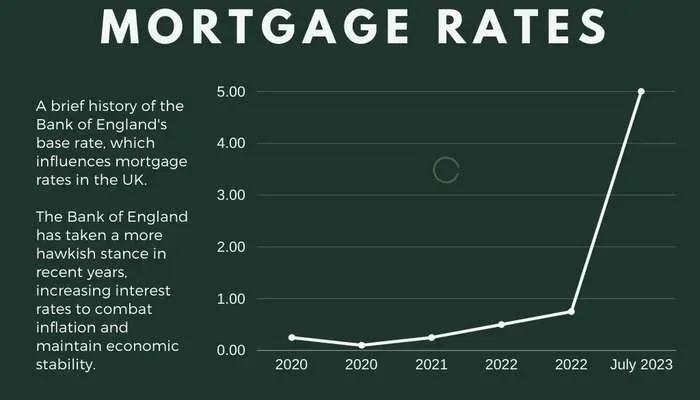
A comprehensive understanding of loan interest rates also includes knowledge of other economic factors influencing these rates. For example, the Bank of England’s base rate can affect interest rates on personal loans and mortgages significantly. Thus, keeping an eye on economic indicators can prove beneficial for borrowers looking to time their application for the most favorable rates.
Ultimately, understanding these concepts is crucial not only for selecting appropriate financial products but also for cultivating responsible borrowing habits that can lead to lasting financial well-being.
Frequently Asked Questions
What factors influence loan interest rates in the UK?
Loan interest rates in the UK are influenced by several factors, including the Bank of England base rate, the lender’s risk assessment and policies, the borrower’s credit score, and the type and term of the loan. Understanding these can help borrowers make informed decisions.
How do fixed vs variable rates affect UK loans?
In the UK, fixed interest rates provide stability by remaining unchanged for the loan duration, helping borrowers budget better. Conversely, variable rates fluctuate based on the Bank of England’s base rate, which can lead to increased monthly payments if rates rise.
What are the current trends in mortgage rates in the UK?
Mortgage rates in the UK tend to fluctuate in response to economic conditions and changes in the Bank of England’s base rate. Keeping an eye on these trends can help potential homeowners decide the best time to secure a mortgage.
How can I compare personal loans in the UK effectively?
To compare personal loans in the UK, check multiple lenders for loan offers, use financial comparison websites, and focus on the Annual Percentage Rate (APR), which includes both the interest and any additional fees associated with the loan.
What role does credit score play in determining UK interest rates?
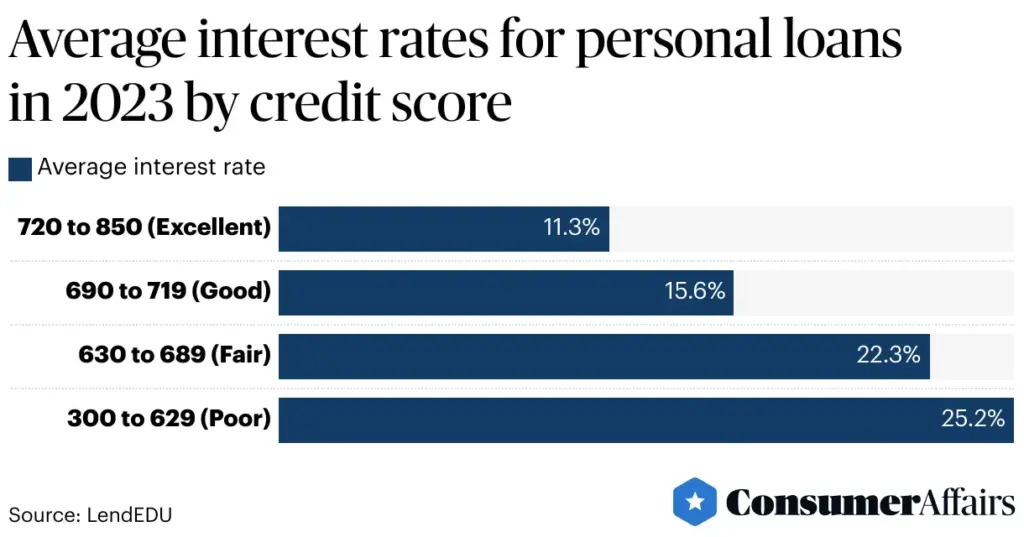
Your credit score is crucial in determining loan interest rates in the UK. A higher credit score typically leads to lower interest rates due to the perceived reliability of the borrower, while a lower score may result in higher rates.
Are there additional costs associated with UK loans apart from interest rates?
Yes, in addition to loan interest rates, borrowers in the UK should consider arrangement fees, potential early repayment charges, and insurance costs like payment protection insurance (PPI) when calculating the total cost of the loan.
| Aspect | Details |
|---|---|
| Loan Interest Rates Definition | The cost of borrowing money expressed as a percentage of the loan amount. |
| Types of Loan Interest Rates | 1. Fixed Interest Rate – Remains unchanged throughout the loan duration. 2. Variable Interest Rate – Fluctuates according to the Bank of England’s base rate. |
| Factors Affecting Rates | 1. Bank of England Base Rate 2. Lender’s Policies 3. Borrower’s Credit Score 4. Loan Type and Term |
| Comparing Loan Interest Rates | – Check multiple lenders – Use comparison websites – Look for APR (includes interest + fees) |
| Other Costs to Consider | – Arrangement Fees – Early Repayment Charges – Insurance Costs |
| Tips for Securing Best Rates | 1. Improve your credit score 2. Consider a larger deposit 3. Negotiate with lenders 4. Seek professional advice |
Summary
Loan interest rates in the UK are a crucial factor for those looking to borrow money. By understanding how these rates are determined, including the base rate set by the Bank of England and the credit score of the borrower, individuals can make more informed lending choices. It’s essential to compare different loans, not only based on the interest rates but also including associated fees, using various sources and lenders to ensure that you secure the most favorable terms. With these insights, borrowers can better navigate their options and potentially save significant amounts in interest over the life of their loans.