Listen to this article
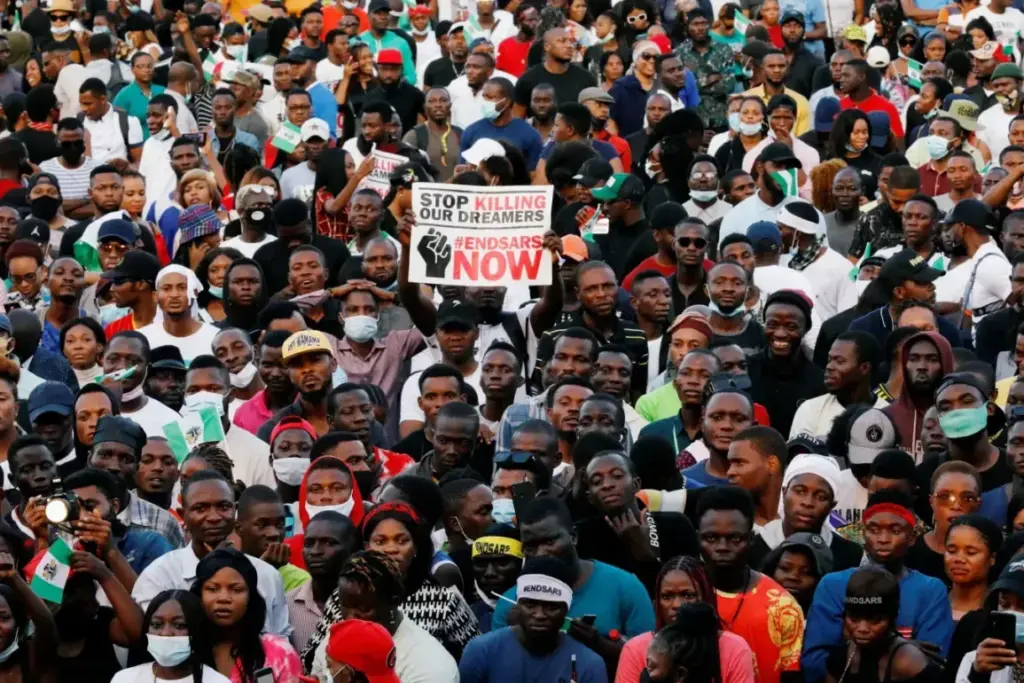
Social movements in Africa have emerged as a powerful force, catalyzing change and advocating for human rights across the continent. From the historic anti-apartheid struggles to contemporary African protests like the #EndSARS campaign in Nigeria, these movements reflect the growing desire for democracy in Africa and the urgent need for justice and equality. Youth activism in Africa is at the forefront, mobilizing community efforts and harnessing technology to amplify their voices against oppression. As these movements shape Africa’s sociopolitical landscape, they address systemic issues, such as poverty and corruption, that impact millions. Therefore, understanding social movements in Africa is essential for comprehending current events and the continent’s ongoing journey toward a more equitable future.
In examining grassroots activism across the African continent, we uncover a tapestry of efforts aimed at societal reform and justice. This dynamic landscape of advocacy signifies a collective struggle for rights and representation, marked by significant upheaval and transformation. Through protests and organized campaigns, citizens are challenging the status quo and demanding accountability from their governments. The fervor of these movements, bolstered by the youth’s energy and technological innovations, underscores a profound commitment to forging a brighter path. As we delve into the history and current circumstances of activism in Africa, it’s crucial to recognize its pervasive influence on local and global narratives.
The Evolution of Social Movements in Africa
The evolution of social movements in Africa can trace its roots back to the tumultuous periods of colonial rule. During this era, numerous resistance movements emerged as the indigenous populations sought to reclaim their lands and autonomy from foreign powers. Iconic leaders such as Nelson Mandela and Kwame Nkrumah became pivotal figures in the struggle for independence, galvanizing national pride and unity among oppressed people. The end of colonialism ushered in a new era where the focus transitioned towards nation-building and addressing the injustices wrought during the colonial period.
After achieving independence, however, many African nations encountered new challenges, such as authoritarian regimes that stifled democratic ideals and perpetuated widespread human rights abuses. The disillusionment of citizens fueled the rise of grassroots organizations and movements in the late 20th century, demanding accountability and governance reform. These movements, characterized by their peaceful protests and relentless advocacy, set the stage for contemporary youth-driven movements focused on democracy and justice.
Youth Activism: The Driving Force of Change
In recent years, youth activism has emerged as a powerful catalyst for social change across Africa. With approximately 60% of the population under the age of 25, young Africans are not only the most affected by socio-economic issues but are also at the forefront of movements advocating for human rights and democracy. The rise of digital platforms has enabled this demographic to organize, mobilize, and raise awareness about critical issues such as unemployment, corruption, and police brutality. Movements like #EndSARS in Nigeria exemplify the profound impact of youth-led initiatives, utilizing social media to draw international attention to local grievances.
Furthermore, youth activism in Africa goes beyond mere protest; it encompasses advocacy for policy changes, community engagement, and innovative approaches to tackling societal problems. Activists leverage their knowledge of technology to create digital campaigns that resonate with both local and global audiences. The emergence of youth coalitions signifies a collective realization of their power as changemakers, thereby fostering greater participation in political dialogues and decision-making processes.
Impact of Technology on African Protests
Technology has transformed the landscape of social movements in Africa, facilitating rapid dissemination of information and enabling widespread grassroots mobilization. The rise of social media platforms, such as Twitter and Facebook, has allowed activists to organize protests, share experiences, and build solidarity among various groups. Events like the Arab Spring highlighted the potential of technology to spur political change, demonstrating how digital tools can galvanize people towards a common cause, as seen in the thriving #EndSARS movement that challenged police brutality in Nigeria.
Moreover, technology serves as both a weapon and a shield for activists. It provides an avenue for amplifying their voices and brings international attention to local struggles, while also posing risks of surveillance and repression by state actors. Social movements increasingly leverage digital content, such as videos and graphic visuals, to convey their messages effectively. This ability to transcend geographical boundaries empowers African protests, creating a global network of support that is vital for their success.
Challenges Facing Social Movements in Africa
Despite the resilience and dynamism of social movements in Africa, they face numerous challenges that impede their progress. Repressive tactics employed by various governments often aim to stifle dissent and curb freedom of expression. Activists routinely encounter hostility, including harassment and violence, as authorities attempt to maintain the status quo. This atmosphere of intimidation discourages participation and sows fear among potential supporters, hindering the effectiveness of movements striving to achieve social justice and reform.
Additionally, fragmentation within movements often weakens their collective power. Diverging objectives, lack of cohesive leadership, and infighting can lead to a dilution of efforts, reducing the impact of advocacy campaigns. To combat these challenges, it is crucial for activists to forge alliances, establish clear goals, and maintain open channels of communication, ensuring that the movement remains united in its pursuit of democracy and human rights across the continent.
Looking Ahead: The Future of Social Movements in Africa
The future of social movements in Africa appears promising, particularly as younger generations become increasingly engaged in advocating for their rights. This generation, equipped with technology and a strong sense of injustice, is poised to lead the charge for political and social reforms. Their determination, combined with international solidarity, has the potential to drive substantial change in governance, accountability, and human rights. The voices calling for democracy in Africa will continue to grow louder as new issues emerge and old grievances resurface.
As social movements evolve, they must also adapt to the changing socio-political landscape. Embracing innovative strategies and fostering collaboration both regionally and globally will be essential in achieving their goals. The challenges of repression and fragmentation remain significant, yet the resilience and creativity of activists across Africa signal a future where justice and equity stand at the forefront of democratic progress.
Frequently Asked Questions
What are some significant social movements in Africa that advocate for human rights?
Social movements in Africa, such as #EndSARS in Nigeria and the Sudan Uprising, have prominently advocated for human rights. These movements address issues like police brutality and government corruption, highlighting the urgent need for accountability and justice across the continent.
How are youth activism and social movements in Africa shaping democracy?
Youth activism is a driving force behind social movements in Africa, significantly impacting democracy. Young activists utilize social media to mobilize support and advocate for transparency and reforms, as seen in movements like Hello We Are Dead in Uganda, which demands political accountability.
What challenges do social movements in Africa face today?
Social movements in Africa encounter various challenges, including government repression, fragmentation within movements, and the potential co-optation of their goals by international entities. These factors can hinder their effectiveness in advocating for change.
How has technology influenced social movements in Africa?
Technology, especially social media, has revolutionized social movements in Africa by enabling rapid information sharing and organizing protests. For instance, the #EndSARS movement effectively used Twitter and Facebook to mobilize thousands against police brutality, showcasing the power of digital activism.
What role do historical contexts play in contemporary social movements in Africa?
Historical contexts are crucial for understanding contemporary social movements in Africa. The legacy of colonialism and subsequent struggles against authoritarian regimes have inspired current movements, which seek to fulfill the aspirations for democracy, justice, and human rights championed by earlier leaders.
| Aspect | Details |
|---|---|
| Importance of Social Movements | Advocate for rights, equality, and justice; inspired by historical struggles against colonialism and authoritarianism. |
| Historical Context | Originated from colonial struggles leading to independence; post-independence movements fight against authoritarian regimes. |
| Role of Technology | Social media platforms are crucial for organizing protests and disseminating information; examples include #EndSARS movement in Nigeria. |
| Recent Movements | Examples include #EndSARS in Nigeria, Hello We Are Dead in Uganda, and Sudan Uprising, all advocating for democracy and justice. |
| Challenges Faced | Repressive government tactics, fragmentation within movements, and co-optation by international interests hinder effectiveness. |
| Future Outlook | Youth-led movements, empowered by technology, continue to push for social change in Africa’s political landscape. |
Summary
Social movements in Africa have played a critical role throughout history, shaping societies and advocating for change. Beginning with the fight against colonialism, these movements evolved through the struggle for independence and the fight against authoritarianism. The 21st century has seen a resurgence of activism, particularly with the influence of technology and social media, allowing movements like #EndSARS and the Sudan Uprising to gain traction. Despite facing significant challenges such as government repression and internal fragmentation, social movements remain a vital force in advancing democracy, justice, and equity across the continent. With the youth at the forefront, the future of social movements in Africa looks promising as they continue to challenge systemic issues and fight for a better future.