Listen to this article
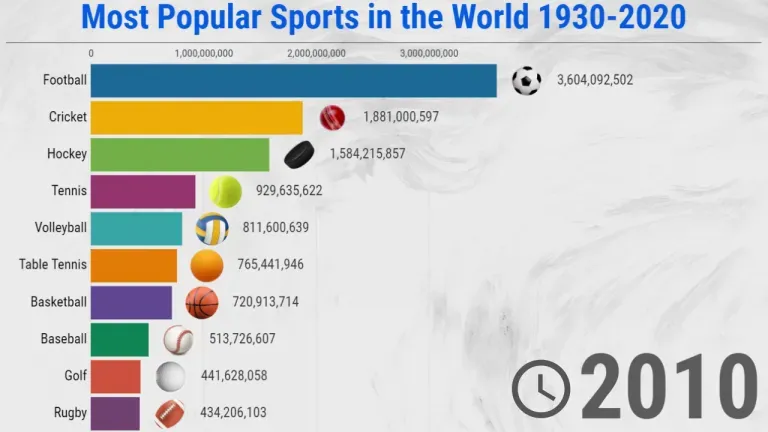
Popular sports worldwide have a unique capacity to unite people from diverse backgrounds, igniting passion and enthusiasm that transcends cultural barriers. From the exhilarating matches of soccer, which boasts an impressive following of over 4 billion fans, to the captivating excitement of basketball that has rapidly gained traction around the globe, these sports form the backbone of recreational entertainment. Cricket, field hockey, tennis, and American football each bring individual flair and a dedicated fan base, showcasing the rich variety of athletic prowess available to spectators. This article delves into the factors contributing to the widespread appeal of these popular sports, offering insight into what fuels their global dominance. Join us as we explore the cultural significance and the thrilling competitions that have captivated millions.
Engaging in sports is a universal language that resonates across continents, and the allure of athletic competition captivates audiences everywhere. The realm of sports, encompassing Team Soccer, Basketball, and Cricket, offers thrilling entertainment that fosters community spirit and pride. Additionally, sports like Field Hockey, Tennis, and American Football represent distinct legacies and traditions, appealing to a wide range of enthusiasts and participants. The interplay of individual skill and teamwork in these games creates narratives that fans passionately rally behind, further solidifying their popularity. As we investigate the global sports landscape, it becomes clear that these activities are more than mere pastimes; they are woven into the fabric of our lives.
The Universality of Soccer: A Global Phenomenon
Soccer, or football as it is known outside North America, stands as the most universal sport, recognized and played in nearly every corner of the globe. With its roots in ancient cultures, soccer’s evolution into a professional sport has garnered a following of over 4 billion fans worldwide. Its simple premise—two teams competing to score goals—means that anyone, regardless of background, can grasp the rules and engage with the game. As a result, soccer has transcended language and cultural barriers, allowing multi-national ties to form among fans.
This sport’s global appeal is not merely because of its accessibility, but also due to its cultural significance in various nations. In countries like Brazil, Argentina, and England, soccer is a way of life, with local clubs serving as symbols of community pride and identity. Major tournaments like the FIFA World Cup are celebrated like national holidays, uniting fans from different cultures under the shared banner of their favorite teams.
The influence of soccer can be seen not just in stadiums but also in the streets, where children play the game with makeshift balls. Such grassroots movements have contributed to soccer’s immense popularity, creating a culture of participation that often leads to professional careers. Additionally, the sport’s regulatory body, FIFA, has taken steps to promote soccer globally through youth programs and women’s leagues, assuring that the sport continues to evolve and expand its reach. This commitment to growth, combined with local enthusiasm, has solidified soccer’s status as the world’s favorite sport.
Basketball’s Explosion on the Global Scene
Basketball’s rise on the international stage has been nothing short of phenomenal. Initially popularized in the United States, the sport has transcended geographical boundaries and captured the hearts of fans across continents. Today, over 2.4 billion people engage with basketball, thanks in part to the proliferation of the NBA and its star players. Leagues around the world now mirror the competitive level of the NBA, with players from various nations showcasing their skills, which further fuels interest in the sport.
The accessibility of basketball also enhances its popularity. With just a hoop and a ball, individuals can partake in the sport almost anywhere, making it an inclusive choice for fans and aspiring athletes alike. Moreover, youth programs and school competitions foster local talent, encouraging young players to pursue basketball as a serious endeavor. The high-energy gameplay, coupled with the influence of popular players who have become global icons, creates an attractive sports culture that resonates with many.
Major international events, such as the Olympics and the FIBA World Cup, serve as platforms for basketball to showcase its best talents and promote its growth further. The excitement surrounding draft picks, rivalries between national teams, and global tournaments fosters a lively community among fans. In recent years, basketball has also made strides in women’s competitions, significantly increasing visibility and engagement in women’s sports on a global scale. As more countries invest in basketball infrastructure, its popularity will undoubtedly continue to expand.
Cricket: The Game of Nations and Cultural Identity
Cricket, a game steeped in tradition and heritage, emerges as a unifying sport in countries like India, Pakistan, Australia, and England. With an audience of roughly 2.5 billion enthusiasts, the passion for cricket often transcends mere sport, embedding itself in the cultural fabric of these nations. The sport’s various formats—Tests, One Day Internationals (ODIs), and T20s—cater to a wide array of viewers, ensuring there is something for everyone, be it casual fans or ardent followers.
The thrill of international competitions such as the ICC Cricket World Cup not only elevates the sport but also deepens national pride among fans. These tournaments are often viewed as a stage where nations compete for glory, sparking intense rivalries and fostering community spirit. The atmosphere surrounding a cricket match is electric, with fans passionately supporting their teams, often creating a festival-like environment that attracts thousands.
Furthermore, cricket’s deep-rooted traditions, such as the tea break in Test matches and the ceremonial aspects of the game, add to its charm, appealing to a sense of nostalgia and reverence for the sport’s history. The rise of leagues like the Indian Premier League (IPL) has also revolutionized the way cricket is played and consumed, incorporating commercial elements that attract global audiences. As cricket continues to adapt and grow, its cultural significance in various regions remains a dominant force, ensuring that it will thrive for generations to come.
Field Hockey: A Sport with Global Reach
Field hockey, often overshadowed by its more popular counterparts, boasts a dedicated following, particularly in countries like India, Pakistan, the Netherlands, and Australia. This fast-paced team sport is known for its exhilarating gameplay and demands both endurance and strategy, captivating fans and players alike. Field hockey’s global reach can be attributed to its presence in schools and local clubs, where young athletes are encouraged to participate, thus cultivating a sense of community and teamwork.
Major competitions like the Hockey World Cup and the Olympic Games play a key role in promoting the sport internationally. These events not only showcase the best teams from across the globe but also inspire future generations to take up field hockey. The passion surrounding such tournaments generates excitement and anticipation, further embedding field hockey into the wider sports culture of the participating countries.
The sport’s accessibility and inclusivity are vital factors contributing to its popularity. Similar to soccer, field hockey can be played virtually anywhere with basic equipment, allowing communities with diverse socio-economic backgrounds to engage. The ongoing efforts from organizations to promote women’s field hockey and increase participation at all levels signal a promising future for the sport. As more viewers tune into international matches, the admiration for field hockey grows, paving the way for it to emerge as a significant player in the global sporting landscape.
Tennis: A Grand Sport for All
Tennis occupies a unique position in the world of sports, blending individual skill with strategic gameplay. With a dedicated following of approximately 1 billion enthusiasts, tennis attracts fans of all ages and backgrounds. Major tournaments like Wimbledon, the US Open, and the French Open not only highlight the sport’s athletic excellence but also create an atmosphere filled with prestige and tradition. This allure is further fueled by the legendary careers of players like Serena Williams and Roger Federer, whose incredible achievements inspire both fans and aspiring players alike.
The sport’s dual format—singles and doubles events—provides diverse viewing options for audiences, fostering different types of excitement depending on the match. Tennis also benefits from extensive media coverage, ensuring that news, match highlights, and player interviews are accessible to fans around the world. This comprehensive exposure helps cultivate a new generation of tennis lovers, as aspiring young players find motivation in the success of seasoned champions.
Additionally, tennis communities thrive across the globe, with local clubs offering programs for children and adults alike. Grassroots initiatives are crucial for establishing strong participation rates, turning fans into players and creating lifelong connections to the sport. As tennis continues to evolve, with innovations like mixed-gender competitions and adaptive tennis, its ability to engage diverse communities is seamlessly expanding, embracing a truly global audience.
American Football: More Than Just a Game
American football is deeply ingrained in the cultural identity of the United States, capturing the hearts of millions. It is a sport that stirs emotions, bringing families and communities together during games, especially during the epic Super Bowl, which stands as one of the most watched sporting events globally. The Super Bowl is not merely a competition for the championship; it is a cultural event characterized by extravagant halftime shows, celebrity appearances, and advertisements that often become topics of conversation themselves. This broad appeal encompasses much more than the game itself, effectively connecting non-fans to the spectacle of American football.
Youth programs dedicated to American football lay the groundwork for future players, as they engage children in team sports and develop a love for the game from an early age. High school competitions further enhance local community involvement and spirit, fostering strong rivalries and friendships through shared experiences at games. As fans rally behind their teams, American football reinforces principles of teamwork, discipline, and community, solidifying its place in American culture.
Moreover, the sport’s tactical complexity adds to its allure. The strategic planning involved in plays and formations attracts fans who appreciate the mental aspects of the game alongside the physical ones. The NFL’s ongoing commitment to developing young athletes through initiatives like camps and training programs ensures that American football will continue to thrive and adapt. As the league expands its reach into international markets, the growing influence of American football as a global sport becomes more evident, and its narrative continues to evolve.
Understanding the Cultural Impact of Popular Sports
Exploring the popularity of various sports reveals not just a passion for competition but significant cultural implications as well. Sports like soccer, basketball, and cricket serve as expressions of national pride, with fans often rallying behind their teams in displays of loyalty that transcend demographics. These sports act as unifiers in times of celebration and even adversity, creating a shared identity among supporters that reinforces their cultural ties. For instance, during the FIFA World Cup or the Olympics, nations come together to support their athletes, often fostering a sense of camaraderie that is felt on a global scale.
Moreover, sports have the ability to bridge cultural divides by promoting values of teamwork and fair play. As nations compete, they share their unique styles and traditions, creating a rich tapestry of cultural exchange. The excitement of global tournaments encourages fans to explore and appreciate different cultures, enhancing mutual understanding and respect among individuals from diverse backgrounds.
Additionally, popular sports often serve as platforms for social change. Athletes use their visibility to champion causes, whether tackling social injustices or promoting health and education initiatives. This influence extends past the field or court, enabling sports figures to become role models who inspire positive change within their communities. As the world becomes increasingly interconnected, the significance of sports in shaping cultural narratives and encouraging social responsibility cannot be overlooked.
The Future of Globally Popular Sports
As we look toward the future, the landscape of popular sports is poised for transformation. With technology advancing at a rapid pace, sports are evolving in ways that were once unimaginable. From virtual reality experiences that allow fans to immerse themselves in games to enhanced broadcasting that brings real-time engagement to viewers, the way we experience sports is changing drastically. Furthermore, platforms like social media are redefining how fans interact with athletes and teams, cultivating global fanbases and making sports more accessible than ever before.
Additionally, the push for diversity and inclusion within sports is gaining momentum. With a growing emphasis on women’s leagues in soccer, basketball, and cricket, organizations are recognizing equal opportunity as crucial for the growth of the sport. Initiatives aimed at including underrepresented communities ensure that sports remain a reflection of our diverse world and continue to engage new audiences. As we celebrate the successes of popular sports today, it’s essential to embrace and foster these innovations that will carry them into the future.
In conclusion, as we reflect on the deep cultural ties sports have, it is clear they hold immense power in shaping communal identities and fostering global connections. From soccer’s worldwide appeal to the unique traditions of sports like cricket, their ability to garner enthusiastic followings must be acknowledged. As sports continue to evolve and adapt to modern influences, the potential for future growth remains vast, promising exciting developments that could redefine the cultural paradigms surrounding athletic competition.
Frequently Asked Questions
What is the reason behind soccer’s popularity worldwide?
Soccer, known as football outside the United States, enjoys immense popularity due to its accessibility, minimal equipment requirements, and significant cultural relevance. Major global events like the FIFA World Cup captivate billions, making it the world’s most played sport.
How has basketball gained such a huge international following?
Basketball has gained global popularity thanks to its fast-paced action, the rise of international stars, and the NBA’s worldwide reach. Competitive leagues and events like the Olympics further contribute to its status as a favorite sport globally.
What makes cricket a dominant sport in countries like India and Australia?
Cricket’s popularity in countries like India and Australia stems from its diverse formats, high-stakes tournaments like the ICC Cricket World Cup, and its deep-rooted traditions. These factors create a significant cultural connection among fans.
Why is field hockey considered one of the most played sports in the world?
Field hockey is widely played due to its global competitions, such as the Hockey World Cup, and its accessibility in schools and local clubs. This inclusivity encourages participation across various demographics.
What are the most significant events in tennis that attract global audiences?
Major tennis tournaments like Wimbledon, the US Open, and the Davis Cup draw huge audiences. The presence of legendary players, comprehensive media coverage, and a mix of singles and doubles events keep tennis popular worldwide.
How does American football maintain its status as America’s favorite sport?
American football is deeply embedded in American culture, with events like the Super Bowl becoming major social gatherings. Its entertainment factor, including halftime shows, adds to its allure, attracting both fans and non-fans alike.
What role do global tournaments play in popular sports like soccer and cricket?
Global tournaments, such as the FIFA World Cup for soccer and the ICC Cricket World Cup for cricket, elevate the sports’ visibility and fan engagement by showcasing elite talent, fostering national pride, and creating memorable moments.
Can you explain the appeal of basketball’s international players?
International players in basketball have become global icons, with stars like Dirk Nowitzki and Yao Ming contributing to the sport’s appeal in their home countries and beyond, highlighting basketball’s universal nature and promoting cross-cultural connections.
How does soccer foster community engagement across different cultures?
Soccer fosters community engagement by uniting fans regardless of background. Local clubs and international teams often reflect community identities, while global tournaments create unique cultural exchanges that connect diverse populations through shared passion.
What factors contribute to tennis’s unique position among global sports?
Tennis’s unique position is influenced by its blend of individual and team competitions, cultural prestige, and the presence of iconic athletes. This combination attracts a wide audience, making it a continuing favorite sport worldwide.
| Sport | Estimated Global Fans (Billions) | Key Reasons for Popularity |
|---|---|---|
| Soccer (Football) | 4 | Accessibility, Major Global Events, Cultural Significance |
| Basketball | 2.5 | Fast-Paced Action, Global Icons, International Participation |
| Cricket | 2.5 | Format Variety, High-Stakes Competitions, Deep-Rooted Traditions |
| Field Hockey | 2 | Global Competitions, Accessibility and Inclusivity |
| Tennis | 1 | Individual and Team Events, Legendary Players, Media Coverage |
| American Football | 0.4 | Cultural Identity, Entertainment Factor, Youth Involvement |
Summary
Popular sports worldwide exhibit diverse characteristics that appeal to billions, creating a unique global culture. These sports not only engage fans but also foster a sense of community and identity among players and supporters. Soccer reigns supreme with billions of fans due to its accessibility and cultural significance. Basketball’s rise reflects the impact of fast-paced gameplay and global icons that resonate with younger audiences. Cricket’s various formats and deep-rooted traditions appeal to passionate fans across nations. Meanwhile, field hockey thrives with its inclusivity, tennis captivates through monumental tournaments and legends, and American football cements a cultural identity in the U.S. As we explore these sports, we understand their profound ability to unite individuals, transcending borders and celebrating shared experiences.