
Listen to this article
The recent Ulez camera explosion in southeast London has ignited significant media attention and raised critical questions about public safety. Witnesses describe a harrowing scene as an improvised explosive device detonated near the ultra-low emission zone camera on Willersley Avenue, resulting in a dramatic display of smoke and chaos. Retired electrical engineer Kevin Rees is currently on trial at Woolwich Crown Court, facing charges related to this incident. This event, which occurred on December 6, has not only become a focal point in London crime news but has also sparked discussions surrounding the accountability and security of urban surveillance technologies. As the trial unfolds, details from the CCTV footage explosion and testimonies from Rees create a complex narrative of uncertainty and denial around the incident.
In the wake of the explosion involving the Ulez camera, questions loom large regarding accountability in urban safety measures. The incident, characterized by the use of an improvised explosive device, highlights ongoing concerns around public security in metropolitan areas like London. Accused Kevin Rees finds himself at the center of this controversy, drawing attention from both the media and local communities. The events have captured public interest not only as an example of urban crime but also as part of a broader discourse on the implications of surveillance technology. As the trial continues, the court is meticulously examining evidence, including CCTV footage related to this alarming incident.
The Incident: Ulez Camera Explosion Details
On December 6, 2023, an ultra-low emission zone (Ulez) camera in Sidcup, south-east London, was the focal point of a significant incident that caused public outcry. The camera exploded, raising concerns about safety and security in a city that has already been grappling with various crime issues. The explosive device reportedly used in this incident was described as a low-sophistication improvised explosive device (IED), pointing towards an alarming trend of increasing vandalism of public property. This explosion coincided with the rise in London crime news highlighting issues around public safety and the effectiveness of surveillance technologies.
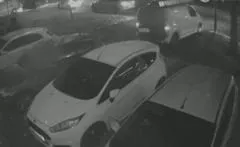
The Metropolitan Police responded swiftly, releasing CCTV footage that captured the moments surrounding the blast. This footage is crucial as it provides evidence of the suspect, Kevin Rees, who has been charged with the destruction of the camera. The incident has sparked significant media interest, including headlines related to the Kevin Rees trial and ongoing deliberations about urban safety amidst London’s increasing crime rates.
CCTV Footage and Its Importance in the Trial
The role of CCTV footage in criminal trials has become ever more critical, especially in the case surrounding the Ulez camera explosion. The imagery released by the Metropolitan Police shows Kevin Rees allegedly carrying a ‘bag of tools’ just before the explosion, with vital timestamps set at 18:45 GMT. This footage not only serves as critical evidence against him but also raises questions about the reliability of witness accounts compared to technological verification. The jurors have been informed about the discrepancies between Rees’s claims and the reality depicted in the CCTV footage, emphasizing the importance of such recordings in modern legal proceedings.
As the trial progresses, the implications of the footage extend beyond just this case, reflecting broader concerns over surveillance, civil liberties, and crime prevention strategies in London. With law enforcement increasingly relying on technology to aid in investigations, the evidentiary value of CCTV footage becomes paramount. This case is a prime example of how such footage can support or undermine a defendant’s narrative, forcing courts to navigate the intricate boundaries between technological evidence and human memory.
Kevin Rees’s Alibi and Testimony
During his trial at Woolwich Crown Court, Kevin Rees has maintained that he cannot recall his whereabouts on the evening of the Ulez camera explosion. This lack of memory has raised eyebrows, particularly given the strong circumstantial evidence against him. Prosecutor Simon Denison KC has carefully dissected Rees’s claims, revealing inconsistencies that could suggest a deliberate attempt to obscure his actions. Testimony regarding him checking local news sites shortly after the blast adds a layer of complexity, as the defense struggles to counter the narrative being built by the prosecution.
The defendant’s assertion that he had been visiting a friend before the explosion has been disputed by the very CCTV footage that tracks him throughout the day. With a timeline that starkly contradicts his claims, jurors are faced with compelling evidence that may determine the outcome of the case. Rees’s inability to provide a coherent explanation or credible alibi only deepens the mystery surrounding the explosion and raises questions about his credibility.
The Community’s Reaction to the Explosion
In the aftermath of the Ulez camera explosion, the local community in Sidcup has expressed concern and unease about the safety of public infrastructures. Many residents have taken to social media platforms to share their experiences and discuss the implications of such vandalism within their neighborhoods. Comments about loud noises and the resulting panic highlight a community on edge, grappling with the realities of living in an area where such dangerous acts can occur. As the trial of Kevin Rees unfolds, local crime news continues to serve as a reminder of the potential threats that can arise from urban conflicts regarding environmental legislation, such as the Ulez initiative.
Furthermore, the explosion has ignited conversations around the purpose and effectiveness of Ulez cameras, raising questions about their role in enforcing environmental policies versus their vulnerability to targeted attacks. As London reflects on these issues, the need for a balanced dialogue regarding crime prevention, public safety, and environmental policy becomes increasingly urgent. Community leaders are left to address the concerns voiced by residents, all while keeping a close eye on developments in the courts concerning the Kevin Rees trial.
The Role of Social Media and Public Discourse
In current times, social media plays a critical role in shaping public discourse surrounding criminal cases, and the Ulez camera explosion is no exception. Following the incident, numerous local Facebook groups filled with comments and speculations emerged, depicting a community grappling with the ramifications of such an explosion. Rees’s actions and his interactions on social media were scrutinized during the trial, particularly the timing of his screenshots shortly after the blast. This illustrates how digital platforms can foster discussions and disseminate information quickly, often before the full details emerge through formal channels.
Moreover, the online sentiment can influence perceptions of justice and public safety, with residents actively engaging in conversations about what they believe should happen next. The explosion has not only become a talking point for local crime news but also has raised broader issues about personal accountability and the societal impact of environmental regulations in London. How these narratives play out online may have lasting ramifications on public perception and policies in the city, especially as more incidents demand attention in an increasingly complex urban landscape.
Legal Implications of Using Improvised Explosive Devices
The use of improvised explosive devices (IEDs) carries severe legal ramifications, especially in urban settings like London. The trial of Kevin Rees brings to light the serious nature of such actions and the potential punishment for utilizing low-sophistication explosives against public property. As laws evolve in response to increased acts of vandalism and terrorism, the judicial system faces the challenge of delivering justice while deterring future incidents involving IEDs. Public safety remains paramount as the implications of allowing such behavior go unchecked could lead to further hazardous situations in cities.
Legal experts now emphasize the need for stringent penalties accompanied by appropriate rehabilitation measures for those convicted of offenses involving explosives. This case shines a spotlight on the judicial process related to IEDs and sets a precedent for how similar incidents may be prosecuted in the future, particularly as urban crime continues to rear its head in various forms. The outcome of Rees’s trial not only impacts him personally but potentially sets the tone for how such cases are handled moving forward.
Impact on Urban Safety Policies Post-Incident
Following the Ulez camera explosion, city officials and community leaders are faced with the pressing need to reassess urban safety policies. This incident underscores the vulnerabilities in public safety measures and asks whether current strategies are adequate to protect against future acts of vandalism. As discussions around enforcement and safety protocols gain traction, the community’s voice may become instrumental in advocating for changes in policy that address both environmental and security concerns. The desire for safer, more secure urban spaces is a topic that resonates deeply within London, drawing attention to the need for comprehensive strategies that encompass various facets of public life.
Moreover, the fallout from the incident may encourage an examination of how technology is utilized for surveillance and crime prevention. If citizens are to support initiatives like the Ulez cameras, there must be assurances regarding their security and past effectiveness in deterring crime. The explosion has rekindled debates on the balance between environmental initiatives and the potential risks they pose, particularly concerning public infrastructure. As we await the verdict of Kevin Rees, the resulting discussions will undoubtedly shape urban safety policies for years to come.
Continuing Developments in the Kevin Rees Trial
As the trial of Kevin Rees progresses, several developments are being closely monitored to gauge their potential impact on the verdict. Key testimonies, such as his interactions with law enforcement and responses to evidence presented, will play a critical role in determining his guilt or innocence in the Ulez camera explosion. The prosecution maintains a robust argument bolstered by video evidence, while the defense highlights Rees’s lack of memory, causing jurors to weigh the reliability of technical evidence against human recollection.
The courtroom dynamics and the narratives constructed by both sides provide a glimpse into the complexity of modern trials, especially with cases involving serious allegations. As public interest remains high, updates surrounding the trial will likely continue to appear in local news outlets and online discussions, intensifying scrutiny over the legal process and the implications for those accused of similar crimes. The eyes of London are on Woolwich Crown Court as the outcome unfolds, signaling a pivotal moment in addressing urban crime and safety.
Frequently Asked Questions
What happened in the Ulez camera explosion incident in London?
On December 6, 2023, a Ulez camera located on Willersley Avenue, Sidcup, was reportedly damaged by a low-sophistication improvised explosive device (IED). The explosion was captured on CCTV footage released by the Metropolitan Police, depicting the moment the camera exploded.
Who is Kevin Rees in relation to the Ulez camera explosion?
Kevin Rees, a 63-year-old retired electrical appliances engineer, is on trial at Woolwich Crown Court for allegedly causing the Ulez camera explosion using an improvised explosive device. He has stated he has no recollection of the events surrounding the explosion.
What evidence has been presented in the Kevin Rees trial regarding the Ulez camera explosion?
The trial has seen the presentation of CCTV footage showing Kevin Rees leaving his home with a ‘bag of tools’ shortly before the Ulez camera explosion, and returning empty-handed. Additionally, evidence includes screenshots taken by Rees shortly after the explosion, showing local news reports and Facebook comments about the incident.
What was Kevin Rees’s explanation for the Ulez camera explosion incident?
Kevin Rees claimed he was at a friend’s house on the evening of the Ulez camera explosion but could not provide details to support his alibi. He described his memory of that evening as ‘almost a blank’, contradicting the evidence presented to the court.
How did the Ulez camera explosion impact the local community, according to reports?
The Ulez camera explosion led to a loud bang that disturbed local residents, prompting comments on social media. Witnesses reported that the explosion was so loud it set off dogs in the vicinity and raised concerns about safety in the community.
What are the implications of the Ulez camera explosion trial for London crime news?
The ongoing trial of Kevin Rees for the Ulez camera explosion highlights the larger issue of crime involving improvised explosive devices in London. It draws attention to the risks posed by low-sophistication explosive devices used in urban areas, potentially influencing public perception of safety and reported crime rates.
What is the legal status of Kevin Rees regarding the Ulez camera explosion?
Kevin Rees denies all charges related to the Ulez camera explosion. His trial is currently ongoing at Woolwich Crown Court, where the prosecution is presenting evidence against him, including CCTV footage and his interactions with local news following the explosion.
What should the public know about Ulez camera safety following the explosion incident?
The Ulez camera explosion incident raises awareness about public safety concerning urban infrastructure and the potential for criminal activities involving improvised explosive devices. Authorities encourage residents to report any suspicious activity and remain vigilant regarding local safety measures.
| Key Point | Details |
|---|---|
| Incident Date & Location | December 6, 2023, Willersley Avenue, Sidcup, South-East London |
| Accused Individual | Kevin Rees, 63, a retired electrical appliances engineer |
| Nature of the Incident | Explosion of an ultra-low emission zone (Ulez) camera using an improvised explosive device (IED) |
| CCTV Evidence | Rees was filmed carrying a bag of tools around the time of the explosion and returning without it shortly after. |
| Witness Testimony | Rees claims no memory of the incident but mentioned he was at a friend’s house although CCTV contradicted this. |
| Prosecution Claims | Screenshots taken by Rees on local news and Facebook regarding the explosion raised suspicions about his whereabouts. |
| Legal Proceedings | Trial ongoing at Woolwich Crown Court; Rees denies all charges. |
Summary
The Ulez camera explosion has sparked significant legal proceedings, with the accused, Kevin Rees, denying all allegations linked to the destruction of the camera in Sidcup. Despite his lack of recollection regarding the incident, compelling evidence such as CCTV footage and screenshots from social media raises questions about his claims. As the trial unfolds in Woolwich Crown Court, the prosecution is poised to challenge Rees’s version of events, emphasizing the contradictions in his statements and the technical evidence against him. This case highlights the complexities surrounding public safety measures like the Ulez scheme and the severe repercussions of resulting violence.