
Listen to this article
Ukrainian peace talks are gaining momentum as French President Emmanuel Macron hosts a crucial meeting with Ukraine’s President Volodymyr Zelensky and key allies. With over 30 countries participating in this diplomatic effort, including US security guarantees for Ukraine on the table, the stakes are high as they aim for a resolution to the ongoing conflict with Russia. Central to discussions are the notorious territorial disputes in the Donbas region, where Ukraine is being urged to make difficult concessions. As Macron and Zelensky explore strategies within the Coalition of the Willing, the potential for a Russia-Ukraine ceasefire comes closer to fruition. However, with challenges and skepticism lingering, the success of these talks will ultimately depend on the willingness of all parties involved to compromise and seek lasting peace.
The negotiations regarding peace in Ukraine have reached a pivotal juncture as international leaders convene to deliberate on critical agreements that could reshape the region’s future. Macron has taken the lead in facilitating discussions that include significant figures like Zelensky and representatives from the US, tasked with ensuring compliance is upheld in case of any Russian aggression. These peace discussions are not only centered on military ceasefires but also on securing long-term safety for Ukraine amidst ongoing territorial issues in the eastern regions. The upcoming deliberations promise to address complex geopolitical dynamics and the urgent need for coordinated responses from a collective of nations determined to support Ukraine. The world watches closely as these dialogues unfold, anticipating a resolution to decades of conflict and instability.
Understanding the Macron-Zelensky Meeting: Key Insights
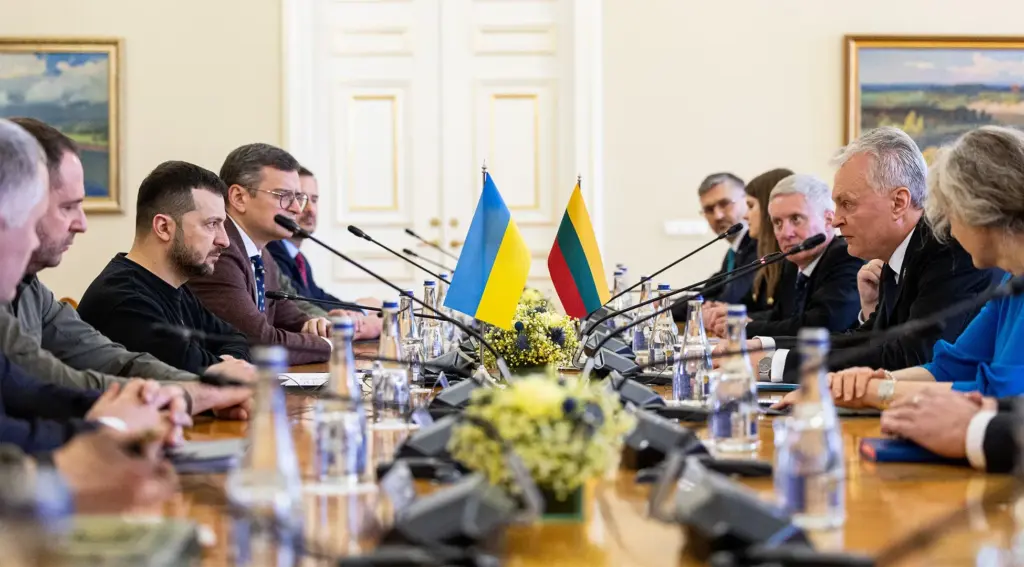
The recent meeting between French President Emmanuel Macron and Ukrainian President Volodymyr Zelensky marked a significant step in addressing the ongoing conflict with Russia. This gathering not only assembles leaders from over 30 nations but also reflects a united front among the Coalition of the Willing to support Ukraine. The agenda is clear: to secure firm guarantees for Kyiv should a ceasefire with Russia come into play. Macron’s leadership in this context emphasizes France’s commitment to ensuring that Ukraine’s security needs are aligned with international support.
During the discussions, Zelensky highlighted his readiness to present a plan for peace, indicating that 90% of the agreement is settled with the remaining issues focused on territorial concessions. This meeting is pivotal, as it showcases the importance of international dialogue in resolving the Russia-Ukraine conflict and provides a platform for discussing how power dynamics in the region can shift with diplomatic engagement.
The Coalition of the Willing: Strengthening Ukraine’s Defense
The Coalition of the Willing is central to establishing a robust defensive posture for Ukraine amidst the ongoing conflict. Comprising leaders from various nations, including significant players like the US and European allies, the coalition is poised to develop a framework for ensuring Ukraine’s security against potential Russian aggression. Leaders are expected to deliberate on the establishment of a multinational force that would provide reassurance to Kyiv during the transition toward a possible peace agreement.
As the conflict has highlighted the vital need for unified support, the Coalition is also discussing long-term frameworks for military and economic assistance to Ukraine. The intent is clear: to bolster Ukraine’s capabilities to deter any future incursions and further establish the need for reliable security guarantees in light of the tensions surrounding the Donbas territorial disputes.
US Security Guarantees for Ukraine: A Path to Stability
The potential security guarantees offered by the US pose a critical element in stabilizing Ukraine’s geopolitical landscape. Following Zelensky’s productive discussions with Trump, a possible commitment for 15 years of security support was proposed. However, clarity regarding the immediate implementation of these guarantees remains a pressing concern, especially given the current dynamics of the conflict.
These assurances could serve as a significant deterrent against Russian actions, particularly in light of Moscow’s control over crucial regions like Donetsk and Luhansk. A firm, coherent strategy from the US is fundamental to instilling confidence in Ukraine and reassuring its allies of a decisive response should Russia violate the peace terms agreed upon.
Analysis of the Russia-Ukraine Ceasefire Prospects
The prospects for a ceasefire in Ukraine are fraught with challenges, especially as Russia has consistently resisted any proposals for a temporary truce. This resistance raises critical questions about the future of negotiations in Paris and how they can effectively address ongoing hostilities. As both sides continue to engage militarily, the potential for a meaningful cessation of hostilities seems dim.
However, with the Coalition of the Willing meeting in Paris, there is perhaps a glimmer of hope for diplomatic resolutions. The discussions around a ceasefire are paramount, considering the current humanitarian impact on civilians caught in the crossfire. The roadmap for peace not only involves military considerations but also entails addressing the deep-seated issues surrounding territorial integrity, notably in the Donbas region.
The Role of European Leaders in Ukraine’s Future
European leaders play a crucial role in shaping the strategic direction of Ukraine’s approach to the ongoing conflict with Russia. As seen in the Paris meeting, key figures such as UK Prime Minister Keir Starmer and NATO Secretary General Mark Rutte are involved in forging a comprehensive strategy that emphasizes collective security and economic support. Their participation underscores a recognition of the importance of European unity in the face of Russian aggression.
The collaboration between European nations illustrates a commitment to reinforcing Ukraine’s stance against Russian expansionism. Continued engagement and the backing of Ukraine’s sovereignty are essential, and European leaders are acutely aware that any misstep could embolden Moscow to exploit divisions among the allies.
Exploring the Territorial Disputes in Donbas
The territorial disputes in the Donbas region remain one of the most contentious issues in the ongoing conflict between Russia and Ukraine. With approximately 75% of the Donetsk region currently under Russian control, the stakes are incredibly high as international negotiations strive to address these disputes. The challenge lies not only in reaching an agreement on territorial claims but also in ensuring any decisions made respect Ukraine’s sovereignty and integrity.
As discussed in the Paris talks, navigating these disputes will require a delicate balance of diplomatic strategy and military readiness. Ukraine’s aspirations for peace must be reconciled with the realities of the ground situation, and any proposed solutions must be carefully weighed to avoid further escalation of hostilities.
US’s Military Focus: Implications for Global Order
The recent US military actions in Venezuela have raised concerns about the implications for global order and how they may inadvertently overshadow the urgent discussions surrounding Ukraine. As leaders from the Coalition of the Willing convene, the necessity for a cohesive strategy that focuses on Ukraine must remain undistracted by other geopolitical maneuvers. The US’s commitment to addressing issues in Latin America illustrates the complexities of maintaining global security priorities.
In this context, European leaders have expressed apprehension about the potential fallout from US actions abroad affecting their collective response to the situation in Ukraine. A unified front is essential not just for Ukraine’s immediate defense but for reinforcing the transatlantic alliance against aggressive state behaviors globally.
Paris Meeting: A Turning Point for Ukraine’s Future
The Paris meeting represents a pivotal moment in the pursuit of peace for Ukraine. With key leaders from multiple nations participating, the focus is on crafting a comprehensive approach to ensure Ukraine’s future security. The urgency of these discussions is underscored by the ongoing challenges posed by Russia, which has intensified its military actions against Ukraine, further complicating potential agreements and peace talks.
If successful, the outcomes of this meeting could lead to a more stable environment for Ukraine, shaping the trajectory of international responses to Russian aggression. The collaboration among allies in Paris is crucial for formulating actionable strategies to support Ukraine in reclaiming control over its territories and securing a lasting peace.
The Importance of Multinational Forces Post-Peace Deal
Establishing a multinational force in Ukraine post-peace deal is a vital aspect of ensuring that any agreement remains intact and that Ukraine’s sovereignty is respected. Such forces could act as peacekeepers, helping to monitor ceasefire agreements and deter potential aggression from Russia. The discussions in Paris aim to outline the specifics of this multinational force, ensuring it can effectively respond to any violations of the peace terms.
The inclusion of diverse military capabilities from various nations will not only enhance the deterrent effect but also foster a sense of collective security among Ukraine’s allies. By establishing this multinational presence, Ukraine can gain confidence in the international community’s commitment to its sovereignty and territorial integrity.
Future Challenges for Ukraine Amidst Ongoing Negotiations
As Ukraine navigates the currently tumultuous environment of international negotiations, future challenges loom on the horizon. The tension between seeking peace and addressing territorial concessions remains a delicate balancing act, especially considering much of the Donbas region is under Russian control. The debates surrounding these issues could create significant internal and external pressures, potentially hindering the collective efforts for a sustainable resolution.
Moreover, Ukraine must contend with ongoing military engagements that complicate the negotiation landscape. Despite progress in talks, the reality on the ground may shift rapidly, necessitating adaptive strategies. The international community must remain vigilant and proactive in supporting Ukraine as it charts its course amidst these multifaceted challenges.
Frequently Asked Questions
What are the key outcomes expected from the Macron Zelensky meeting regarding Ukrainian peace talks?
The Macron Zelensky meeting aims to strengthen security guarantees for Ukraine in potential peace talks with Russia. Key outcomes include establishing a multinational force to support Ukraine post-ceasefire and clarifying US security guarantees for Ukraine in the event of renewed aggression by Russia.
How do US security guarantees for Ukraine fit into the ongoing Ukrainian peace talks?
US security guarantees for Ukraine play a vital role in the ongoing Ukrainian peace talks. Following discussions with President Trump, President Zelensky revealed that Washington has proposed security commitments lasting up to 15 years, which could significantly bolster Ukraine’s defense against future Russian aggression.
What is the significance of the Coalition of the Willing in the context of Ukrainian peace talks?
The Coalition of the Willing consists of over 30 countries participating in discussions to ensure support for Ukraine during peace talks with Russia. This coalition aims to provide military assistance, economic support, and establish a framework for long-term security guarantees, critical for Ukraine’s stability post-conflict.
What are the challenges in achieving a Russia Ukraine ceasefire during the current peace talks?
The challenges in reaching a Russia Ukraine ceasefire during the current peace talks include Russia’s reluctance to entertain a ceasefire without territorial concessions from Ukraine, particularly regarding the Donbas regions, where Moscow currently holds significant control. Additionally, ongoing military hostilities complicate negotiations.
What territorial disputes in Donbas are being discussed during Ukrainian peace talks?
Territorial disputes in Donbas, particularly concerning the Donetsk and Luhansk regions, are critical topics during Ukrainian peace talks. As Russia occupies considerable portions of these areas, discussions are focused on potential concessions Ukraine may need to consider for a peace agreement, although this remains a contentious issue.
| Key Points |
|---|
| French President Emmanuel Macron is facilitating talks with Ukraine’s President Zelensky and allies to secure guarantees for Ukraine during a ceasefire with Russia. |
| Leaders from over 30 countries are present, including US mediators Steve Witkoff and Jared Kushner. |
| Zelensky claims a 90% agreement with Trump on a war-ending plan, with unresolved territorial concessions. |
| Russia currently controls 75% of Donetsk and 99% of Luhansk, indicating strong military presence in the Donbas region. |
| Russia resists ceasefire talks and has intensified assaults on Ukraine, especially targeting infrastructures. |
| Attendees like UK Prime Minister Keir Starmer aim to establish security guarantees for Ukraine following a potential peace deal. |
| Ongoing US military actions in Venezuela and Trump’s remarks about Greenland are influencing the context of the discussions. |
| Macron is focused on preventing other political issues from overshadowing the paramount concerns of the Ukrainian peace talks. |
Summary
The Ukrainian peace talks being hosted by Emmanuel Macron play a crucial role in determining the future security and stability of Ukraine amid ongoing conflict with Russia. With a focus on establishing strong guarantees for Ukraine and solidifying international unity, the ongoing negotiations aim to address critical territorial concessions while ensuring a resilient response to any renewed aggression from Russia. Macron’s leadership in these discussions is essential in maintaining global attention on Ukraine’s plight, as the international community rallies to find a viable path toward peace.

