Listen to this article
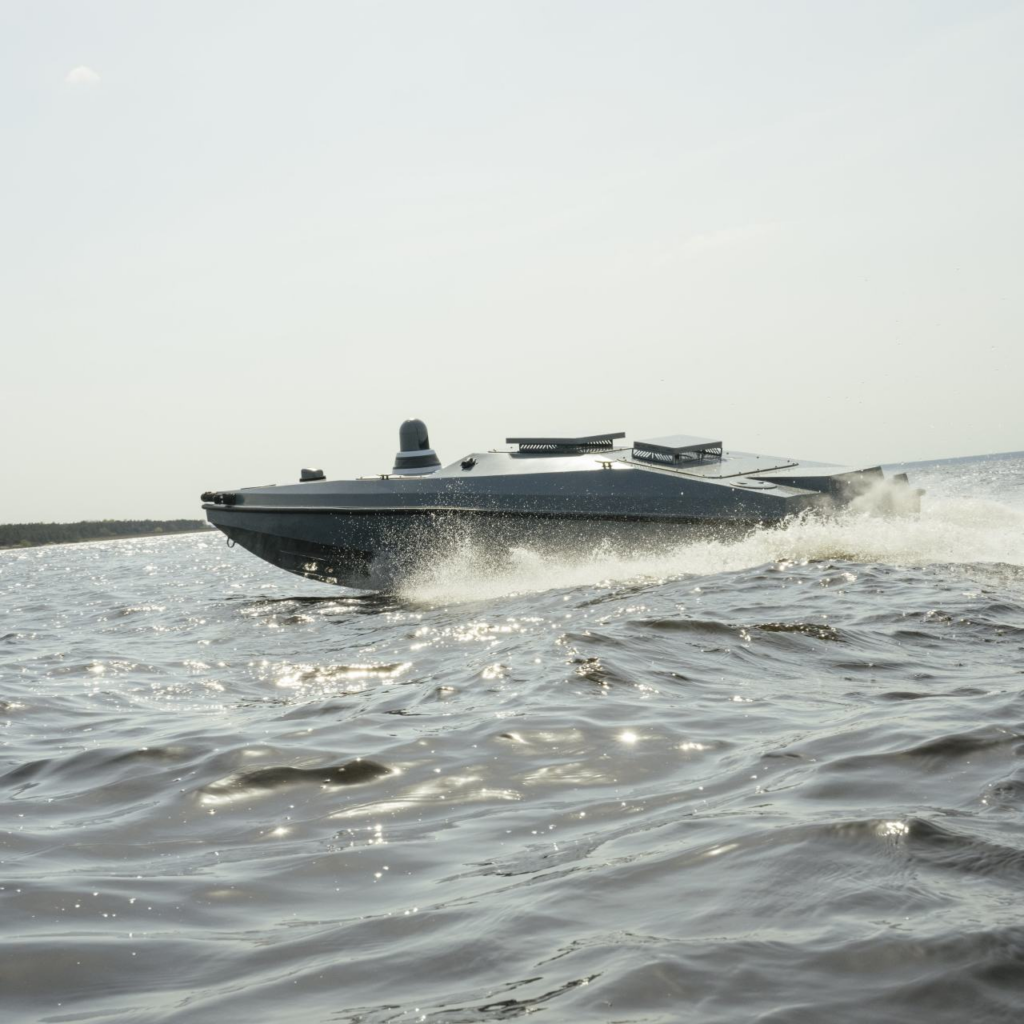
Ukrainian naval drones have made headlines recently after successfully targeting two oil tankers from Russia’s so-called “shadow fleet” in the contested waters of the Black Sea. These unmanned vessels, designed by Ukraine’s security services, played a pivotal role in the strikes, showcasing a bold aspect of the Ukrainian military strategy aimed at undermining Russia’s crucial oil revenues. Verified footage reveals the drones slicing through the waves, culminating in a series of fiery explosions that highlight the emerging dominance of naval drone warfare. As tensions escalate, these oil tanker attacks signal a direct threat to ships transporting Russian oil, indicating that Ukraine is willing to employ innovative tactics to challenge the status quo. This new chapter in maritime conflict not only threatens Russia’s oil exports but could also reshape the dynamics of naval operations in the region throughout the ongoing war.
The recent innovations in naval combat technology have led to a new era of maritime engagements, particularly exemplified by the deployment of Ukrainian maritime drones. These unmanned watercraft have gained notoriety for executing daring strikes on Russian oil carriers, part of a larger strategy to hit back against Moscow’s naval assets. The implications of these attacks in the Black Sea speak volumes about the anti-access area denial (A2AD) tactics being explored by Ukraine as they adapt to the realities of modern warfare. Moreover, targeting vessels allied with the Russian oil trade represents a significant pivot, shifting the focus from traditional combat to strategic maritime disruption. As both sides navigate this new landscape, the role of technology and innovative warfare tactics will likely be a defining factor in the ongoing conflict.
Ukrainian Naval Drones: A Turning Point in Warfare
The recent attacks by Ukrainian naval drones on Russian oil tankers mark a significant shift in the dynamics of naval warfare. These unmanned vessels, specifically the Sea Baby drones, have been employed with precision to disrupt Russia’s ability to transport oil amidst ongoing sanctions. The strategic use of naval drones by Ukraine not only enhances their maritime capabilities but also represents a decisive approach in the defense of their maritime borders. By targeting oil vessels, Ukraine is effectively undermining the financial foundation of the Russian military’s operations.
The attacks on the Kairos and Virat illustrate Ukraine’s tactical shift towards asymmetric warfare in the Black Sea. This evolution in military strategy underscores how Ukraine is adapting its operations to modern warfare realities, utilizing innovative technologies to counteract a traditionally stronger naval force. Moreover, this approach opens up discussions on international maritime law as Ukraine raises the stakes against Russian oil exports, which have been a lifeline for the Kremlin amid Western sanctions.
Impact of Black Sea Attacks on Russian Oil Fleet
The recent Black Sea attacks have sent shockwaves through the Russian oil fleet, identifying vulnerabilities in a system that has long evaded the full brunt of international sanctions. By striking directly at Russia’s ‘shadow fleet’, Ukraine is spotlighting the inherent risks involved in transporting oil through contested waters. The Kairos and Virat, targeted during these strikes, exemplify the type of vessels that have been maneuvered to elude sanctions, yet are now facing heightened threats amid escalating naval drone warfare.
This escalation is crucial as it potentially disrupts Russia’s oil revenue, which accounts for a substantial part of its economic muscle. The leaks and fears of further attacks could persuade oil shipping companies to rethink their routes and operational strategies in the Black Sea. Consequently, the impact of these naval drone strikes could resonate beyond immediate physical damages, creating long-lasting effects on Russian oil exports, thereby exerting economic pressure that could influence global oil markets.
Future of Naval Drone Warfare in Ukraine
As the conflict continues, the utilization of naval drones by Ukraine suggests a future where drone warfare could redefine naval engagements. These unmanned vessels serve as force multipliers, allowing for strategic surprise and engagement without risking human lives. The ongoing adaptation of naval drone technology demonstrates a shift in military doctrine among nations involved in maritime conflicts, indicating that similar strategies may be adopted by other states looking to counter larger naval powers.
Moreover, the Ukrainian military’s adjustments and advancements in drone technology invite the possibility of rapid escalation or retaliation from Russia. As they develop and deploy these advanced unmanned systems, the implications for naval warfare will be profound, possibly motivating other nations to expand their own drone capabilities. In the broader context, the data gathered from these engagements could inform future military strategies and operational paradigms for nations engaged in modern conflicts.
Ukrainian Military Strategy: Targeting the Shadow Fleet
Ukrainian military strategy has increasingly focused on addressing the shadow fleet as a significant threat to their sovereignty. By leveraging naval drone technology, they can target key economic assets of Russia, such as oil tankers, without maintaining a conventional navy. This strategic initiative aims to diminish Russia’s oil export capacities, thereby impacting its overall military funding significantly.
The shadow fleet, operating under the veil of anonymity and circumventing traditional channels, becomes a prime target in Ukraine’s operational blueprint. Such strikes could be part of a broader campaign designed to erode confidence among Russian allies and neutral countries that still engage in oil trade with them. Through these high-profile attacks, Ukraine not only conveys a message regarding their operational capabilities but also emphasizes the risks associated with supporting Russia in its ongoing conflict.
Oil Tanker Attacks: Strategic Implications for Global Trade
The attacks on oil tankers in the Black Sea present strategic implications for global maritime trade. With essential supply routes disrupted, international shipping corporations may have to reassess the risk of engaging in trade with Russian oil. The threat of direct action by Ukraine makes navigating through the Black Sea a precarious endeavor, prompting discussions in trade and shipping circles about the safety of these lucrative routes.
As shipping costs rise due to heightened insurance premiums and security measures, we may see shifts in energy supply chains on a global scale. The interconnected nature of oil markets means that fluctuations resulting from the conflict in Ukraine could reverberate worldwide, affecting everything from fuel prices to energy policies across the globe. The situation in the Black Sea indeed highlights how localized military strategies can have far-reaching consequences on international trade dynamics.
Legal Ramifications of the Black Sea Conflict
The attacks on the Russian oil tankers by Ukrainian naval drones have raised significant questions regarding the legality of such actions under international maritime law. As Ukraine continues to assert its right to defend its territory and disrupt an aggressor’s resources, the interplay between lawful military action and the principles of maritime security becomes increasingly complex. There remain critical discussions about whether targeting a commercial vessel—regardless of affiliation—is permissible when engaged in hostilities.
International bodies may need to review existing treaties and frameworks to account for the rapid advancements in naval technologies, including drones. The precedent set by these recent attacks could influence how maritime conflicts are perceived legally moving forward, opening debates on rules of engagement for asymmetric warfare at sea. Countries involved in similar situations may find themselves evaluating their strategic options within the bounds of international law.
Ukrainian Political Maneuvers in Response to Conflict
In addition to military actions, Ukraine is engaging in significant political maneuvers to combat the ongoing conflict and its implications. President Zelensky’s announcement of a delegation headed to the US highlights the strategic diplomatic engagements that parallel military operations. This emphasis on dialogue and negotiation serves to strengthen international alliances, ensuring that Ukraine secures the necessary support and resources to continue its resistance against Russian aggression.
Political negotiations aim not only to secure military aid but also to build a coalition against the backdrop of energy independence, especially concerning oil transportation in the Black Sea. The intricate balance of military engagement and political strategy signifies a multi-faceted approach where Ukraine seeks stability and resolution through both diplomatic channels and assertive military measures. The outcome of these discussions could substantially influence the course of the conflict and the future of Ukraine’s military strategy.
The Role of Western Allies in the Conflict
Western allies play a crucial role in the Ukrainian conflict, particularly in responding to attacks involving naval drones and targeting the shadow fleet. As the West increases its scrutiny of Russian oil exports, these allies are looking to tighten sanctions further and support innovative forms of resistance from Ukraine. The collaboration between Ukrainian forces and Western intelligence denotes an essential partnership, pooling resources and information to improve the efficacy of military operations.
This international cooperation extends to the development and provision of advanced technologies, notably in naval warfare. Western nations are increasingly aware that supporting Ukraine is not only vital for the country’s defense but also for the broader stability of the European energy supply chain. Emphasizing collective security efforts against threats in the Black Sea underscores the shared commitment to countering Russian influence and ensuring safe passage for commercial shipping and energy transport.
Considerations for Global Energy Markets
The series of attacks on oil tankers in the Black Sea inevitably leads to considerations for global energy markets, particularly in the wake of the Russian conflict. The disruption of oil supply through these attacks alters the dynamics of energy pricing, creating uncertainty as global markets react to the potential instability in one of the world’s critical oil trade regions. The prospect of escalating conflict further complicates energy forecasts and planning for countries reliant on Russian oil.
In essence, these naval drone strikes serve as a reminder of how geopolitical tensions can have immediate repercussions on energy availability and pricing. As major importers of oil assess the risks associated with shipping, energy strategies might shift toward diversification and increased sourcing from stable producers. This scenario illustrates the intricate link between military conflict and economic stability, particularly in sectors as crucial as energy.
Frequently Asked Questions
What are Ukrainian naval drones and their role in Black Sea attacks?
Ukrainian naval drones are unmanned waterborne vehicles utilized by Ukraine’s armed forces, particularly noted in recent Black Sea attacks on Russian oil tankers. These drones, including models like the Sea Baby, have been instrumental in targeting Russia’s shadow fleet, which consists of vessels circumventing Western sanctions by transporting Russian oil.
How did Ukrainian naval drones target Russian oil tankers in the Black Sea?
Ukrainian naval drones targeted Russian oil tankers by executing coordinated strikes as the vessels navigated the Black Sea. The recent attacks on tankers registered under the Gambian flag exemplified Ukraine’s strategy to undermine Russian oil revenues, which finance military operations in Ukraine.
What impact do Ukrainian naval drones have on Russia’s oil fleet operations?
Ukrainian naval drones significantly impact Russia’s oil fleet operations by directly threatening the safety of vessels in the Black Sea, making it increasingly risky for tankers to transport Russian oil. The strategic use of these drones aims to curtail profits and disrupt supply chains associated with Russia’s shadow fleet.
What are the implications of naval drone warfare for Ukraine’s military strategy?
Naval drone warfare represents a pivotal shift in Ukraine’s military strategy, allowing for targeted strikes against maritime threats without risking personnel. This form of warfare enables Ukraine to exert pressure on Russian oil exports while adapting to the challenges posed by traditional naval engagements.
What were the outcomes of the recent attacks on oil tankers by Ukrainian naval drones?
The recent attacks on oil tankers by Ukrainian naval drones resulted in significant damage to the vessels and heightened tensions in the Black Sea region. While there were no reported casualties, the strikes serve as a strong warning to other vessels transporting Russian oil, indicating that they could be targeted by similar drone assaults.
How do Ukrainian naval drones contribute to Ukraine’s overall military conflict with Russia?
Ukrainian naval drones contribute to the military conflict by disrupting Russian maritime logistics and targeting ships that support military activities. This innovative approach enhances Ukraine’s defense capabilities and showcases its resilience in countering Russia’s aggression through strategic technology use.
Why is the ‘shadow fleet’ significant in the context of Ukrainian naval drone attacks?
The ‘shadow fleet’ is significant because it consists of tankers that Russia uses to bypass sanctions and continue oil exports despite international pressure. Ukrainian naval drone attacks aim to disrupt this fleet, directly impacting Russia’s oil revenues and resource allocation for ongoing military operations.
What technologies do Ukrainian naval drones use for attacks in the Black Sea?
Ukrainian naval drones, like the Sea Baby, are equipped with advanced systems enabling them to navigate and strike maritime targets effectively. They are designed to operate in hostile environments, providing Ukraine with a tactical advantage in the ongoing conflict with Russia.
| Key Point | Details |
|---|---|
| Ukrainian Naval Attacks | Ukrainian naval drones attacked two Russian tankers in the Black Sea, targeting the Kairos and Virat. |
| Reported Footage | Verified footage by the BBC shows drones racing towards the vessels, leading to explosions and smoke. |
| Purpose of the Attacks | The attacks aim to weaken Russia’s oil revenues, which fund military operations against Ukraine. |
| UAV Type Used | Sea Baby drones manufactured by Ukraine’s Security Services (SBU) were employed in the assault. |
| Role of Turkish Authorities | Turkish authorities are assisting the vessels and have released footage of their intervention. |
| Impact on Oil Transportation | A major consortium announced a pause in oil loading at a Russian Black Sea port following the attacks. |
| Ukrainian Diplomacy | President Zelensky announced a delegation’s visit to the US to discuss ending the war amidst ongoing negotiations. |
Summary
Ukrainian naval drones have made a significant impact by targeting Russian oil tankers, showcasing a strategic approach to weaken Russia’s financial resources. These latest assaults demonstrate Ukraine’s commitment to challenging Russian operations in the Black Sea, escalating tensions in the region. The use of advanced naval drones and the involvement of Turkish authorities underline the intricate geopolitical dynamics at play, while ongoing diplomatic efforts highlight Ukraine’s determination to resolve the conflict.