
Listen to this article
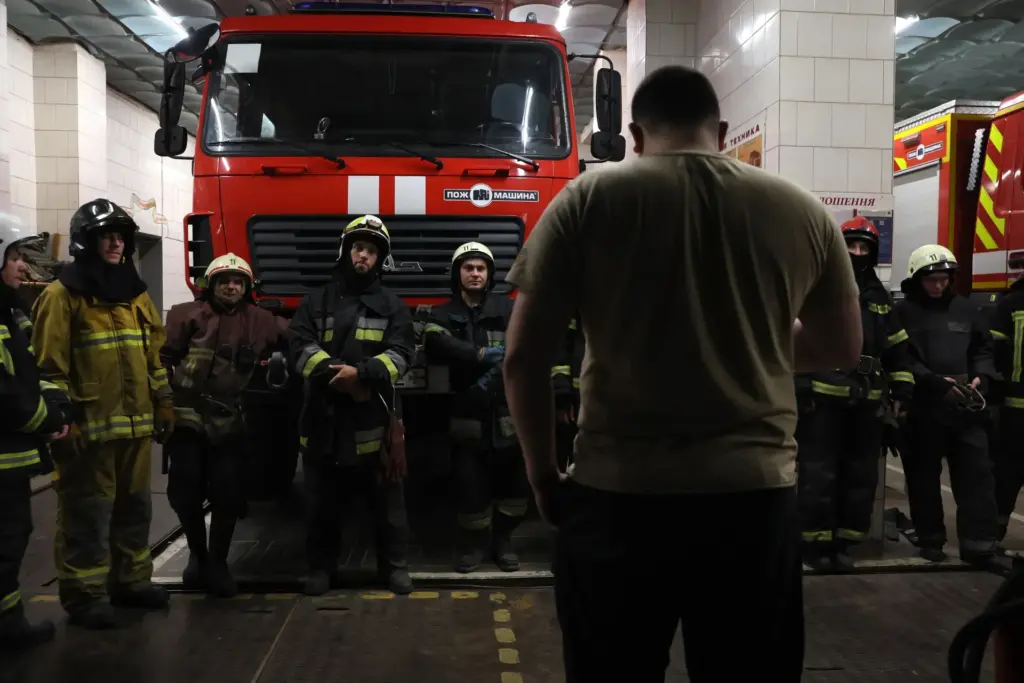
Ukrainian firefighters play a vital role amidst the chaos of the ongoing Russia-Ukraine conflict, bravely responding to devastating strikes on residential areas, such as the recent attack in Sumy. With each call, these heroes face perilous conditions exacerbated by relentless aerial bombardments and the ongoing energy crisis affecting the entire nation. Their courage shines through as they work tirelessly to save lives and restore safety in communities shattered by violence. As the Geneva peace talks attempt to address the turmoil, Ukrainian firefighters remain on the frontlines, battling not only fires but also the harsh realities of war. Every day, they embody resilience and hope while the conflict continues to unfold around them, highlighting their indispensable role in this harrowing scenario.
Amidst the ravages of war, the frontline defenders of Ukraine’s cities, often referred to as emergency responders, exemplify unwavering bravery in the face of danger. These heroic individuals confront the dual challenges of responding to fires caused by aggressive military actions, particularly in regions like Sumy, while navigating the complexities of an energy crisis. As discussions in Geneva aim to bring about resolution to hostilities, the firefighters’ commitment to safeguarding communities underscores the human cost of the conflict. Their efforts not only address immediate threats but also symbolize hope in a time marked by loss and uncertainty. As aerial assaults and drone strikes continue to threaten urban safety, the role of these dedicated emergency services has never been more critical.
Impact of Russian Strikes on Ukrainian Civilians
The ongoing strikes by Russia have had devastating effects on Ukrainian civilian life, particularly in regions such as Sumy, which have witnessed direct attacks on residential buildings. The most recent assault resulted in the loss of lives and left families grappling with the aftermath of destruction. The emotional toll on the survivors is immense as they navigate the rubble of their homes and seek shelter in a time of relentless conflict. These attacks underscore the urgent necessity for peace talks to address the ongoing horrors inflicted upon innocent civilians caught in the crossfire.
In the face of such aggression, Ukrainian firefighters have stepped up heroically, responding to emergencies and saving lives amid dire circumstances. Their efforts are a testament to local resilience and courage as they work to extinguish fires, evacuate residents, and provide essential aid. This highlights the harsh reality of the Russia-Ukraine conflict, where military actions directly target civilian infrastructure and communities, leaving the focus on humanitarian needs even more critical.
Geneva Peace Talks and Their Implications
The Geneva peace talks represent a crucial diplomatic effort to find a resolution to the prolonged conflict between Russia and Ukraine. With the prospect of a breakthrough remaining dim, as indicated by officials, the discussions underscore the complexities surrounding territorial disputes and security guarantees. Notable figures, including Ukrainian representatives like President Volodymyr Zelensky, are advocating for robust international support, reflecting a critical aspect of Ukraine’s strategy—ensuring that any agreements preserve national sovereignty.
Moreover, the input from international mediators like former Presidential envoy Steve Witkoff could affect the dynamics of negotiations. So far, Russia’s maximalist demands have hampered any meaningful progress, prompting experts to speculate that the geopolitical standoff may continue. The outcome of these talks is pivotal, not only for Ukraine’s immediate future but also for the broader regional stability impacted by ongoing Russian aggression and the energy crisis gripping Ukraine.
The Ongoing Energy Crisis in Ukraine
Ukraine is currently facing a severe energy crisis, exacerbated by relentless Russian attacks targeting critical infrastructure. With winter conditions intensifying, the implications for civilians are dire, as power outages affect heating and daily life. The damage inflicted upon facilities, particularly in cities like Odesa, has left thousands without electricity, and recovery efforts are hindered by ongoing hostilities and resource scarcity. Energy workers are risking their lives to restore access, adding to the toll of casualties that includes contractors working to repair damaged nodes.
The energy crisis not only highlights the urgent need for military support but also indicates a growing dependency on Western assistance. As attacks continue, there is an increased call for resilience strategies within Ukraine, such as diversifying energy sources and improving infrastructure against drone strikes. The ongoing crisis underscores a significant dimension of the Russia-Ukraine conflict, where military actions directly correlate with civilian struggles for basic necessities like heat and light.
Ukrainian Drone Strikes: A New Offensive Strategy
In a dramatic shift in tactics, Ukraine has ramped up its drone strikes targeting Russian facilities, marking a significant development in its counteroffensive strategy. The recent successful strikes, including those on oil refineries in Russia’s Krasnodar region, underscore a shift towards proactive defense measures. This capability not only serves to retaliate against Russian aggressions but also aims to disrupt supply lines crucial for sustaining military operations against Ukraine.
These actions have been met with mixed reactions internationally, raising questions about escalation and the potential for increased military responses from Russia. The effectiveness of such drone strikes demonstrates Ukraine’s innovation in warfare, leveraging technology in the fight for sovereignty. As the conflict drags on, the blend of aerial assaults and ground defenses reflects the adaptability of Ukrainian forces amid a protracted conflict scenario.
Civilian Casualties in the Ukraine-Russia Conflict
The tragic loss of civilian lives continues to be a harrowing feature of the Ukraine-Russia conflict, with reports indicating deaths and injuries from Russia’s barrage of strikes. Incidents like the recent residential strike in Sumy have brought attention to the indiscriminate nature of attacks, raising urgent humanitarian questions and obligations. The ongoing casualties illuminate the pivotal role of international bodies in assessing accountability and addressing war crimes.
The emotional and psychological impact on the Ukrainian populace is profound, as families mourn lost loved ones and communities rebuild shattered lives. Efforts to provide support to victims and survivors have become increasingly critical in this context, emphasizing not just immediate relief but long-term rehabilitation. The global community’s response will dictate the path towards future peace talks and the essential rebuilding of trust and safety within affected regions.
The Role of International Diplomacy in the Conflict
International diplomacy plays a pivotal role in the context of the Russia-Ukraine conflict, particularly with significant meetings such as the Geneva peace talks. The involvement of major global players aims at facilitating a resolution to hostilities, highlighting the importance of collaborative efforts. However, the entrenched positions held by both sides complicate these diplomatic endeavors, raising challenges in reaching agreements that satisfy both Russian and Ukrainian interests.
Furthermore, the growing pressure from the West on Russia to comply with international norms indicates a shift towards a more united front against aggression. Various diplomatic channels, including direct negotiations, sanctions, and public declarations, showcase the multifaceted approach being employed. As Russia continues its military campaign, the necessity for a robust international response and continued dialogue remains imperative in fostering an environment conducive to lasting peace.
The Humanitarian Response to the Conflict’s Effects
In light of the humanitarian crisis emerging from ongoing military operations, various organizations have mobilized to provide aid and relief to those affected by the war. This includes support for displaced persons, medical assistance for the injured, and emergency supplies for communities ravaged by bombings. The urgency of the situation demands a robust response from both the Ukrainian government and international NGOs, aiming to alleviate the suffering of countless civilians.
Aid workers, often at great personal risk, have been pivotal in delivering essential services and supplies. Their efforts illustrate the commitment to humanitarian principles even amidst conflict, focusing on saving lives and preserving dignity. While international attention can sometimes wane, the consistent urgency for aid shows the persistent need for solidarity and support for Ukraine as it faces the overwhelming medical and logistical challenges posed by continued hostilities.
The Escalation of Military Action in Ukraine
Recent escalations in military operations by Russia have raised alarms regarding the potential for a wider regional conflict. The proliferation of drone strikes, both from Ukrainian forces and Russian assaults, marks a dangerous turn in the dynamics of warfare, stirring fears of an ongoing cycle of violence. As military capabilities are tested, the international response will be tested as well, particularly through sanctions and support to Ukraine’s defense efforts.
The tense atmosphere surrounding military operations also complicates diplomatic efforts, with calls for de-escalation often falling on deaf ears. The significance of understanding these military strategies from both sides emphasizes the need for comprehensive analysis and predictions surrounding troop movements and planned offensives. Peace seems elusive amid such an escalation, necessitating strong international engagement to mitigate the conflict’s deepening crisis.
Prospects for a Lasting Peace in Ukraine
Amidst the chaos of conflict, the prospects for a lasting peace in Ukraine remain fragile. With the ongoing Geneva talks showcasing the complexities of negotiation, both parties appear entrenched in their positions. The conditions on the ground, characterized by continuous strikes and casualties, cast a shadow over the potential for meaningful dialogue, leading many to be skeptical about the viability of a peaceful resolution.
Yet, despite these challenges, there remains a glimmer of hope driven by the need for a sustainable solution that favors neither side overly but addresses the fundamental concerns of safety and sovereignty. Discussions about security guarantees and territorial integrity are pivotal for Ukraine, while Russia’s demands reflect its broader geopolitical ambitions. The road to peace may be long, requiring significant compromise, empathy, and international pressure to push both sides toward reconciliation and eventual stabilization in the region.
Frequently Asked Questions
What role do Ukrainian firefighters play during airstrikes in the ongoing Russia Ukraine conflict?
Ukrainian firefighters are crucial responders during airstrikes, particularly in areas like Sumy, where residential buildings are often targeted. They swiftly combat fires and rescue individuals trapped in debris, showcasing their bravery amidst the ongoing Russia Ukraine conflict.
How are Ukrainian firefighters affected by the energy crisis in Ukraine?
The energy crisis in Ukraine, exacerbated by Russian strikes, directly impacts Ukrainian firefighters. Frequent power outages hinder their operations, making it challenging to respond effectively to emergencies, particularly in winter when heating is essential.
What challenges do Ukrainian firefighters face in responding to drone strikes?
Ukrainian firefighters confront numerous challenges following drone strikes, such as navigating hazardous conditions, deteriorating infrastructure, and emotional distress due to the ongoing conflict. These challenges intensify their already demanding roles as first responders amidst the Russia Ukraine conflict.
How do Ukrainian firefighters coordinate with military efforts during conflict scenarios?
During conflict scenarios, Ukrainian firefighters coordinate closely with military personnel to ensure safety and efficiency in response operations. Their collaboration is vital, especially when addressing the aftermath of aerial attacks, including those that target energy infrastructure.
What measures are being taken to support Ukrainian firefighters amid the ongoing conflict?
Efforts to support Ukrainian firefighters amid the conflict include enhancing their training, providing essential equipment, and ensuring they have access to mental health resources to cope with the stress of their work during the Russia Ukraine conflict.
How do Ukrainian firefighters contribute to community resilience during crises?
Ukrainian firefighters play a pivotal role in fostering community resilience. By providing emergency response and public safety education, they help communities prepare for and recover from the impacts of attacks, like those seen during recent strikes on residential areas.
What impact do international negotiations, like the Geneva peace talks, have on Ukrainian firefighters?
International negotiations, such as the Geneva peace talks, can indirectly affect Ukrainian firefighters by influencing the overall security situation. Successful diplomacy may lead to a reduction in hostilities, thereby decreasing the frequency of emergencies requiring firefighter intervention.
What are the primary responsibilities of Ukrainian firefighters in areas like Sumy affected by military strikes?
In areas like Sumy, Ukrainian firefighters are primarily responsible for extinguishing fires, conducting search and rescue operations, and administering first aid to victims of military strikes, all while facing the ongoing challenges of the Russia Ukraine conflict.
How do fire safety regulations adapt in Ukraine amid the ongoing Russia Ukraine conflict?
Fire safety regulations in Ukraine are adapting in response to the conflict by emphasizing rapid response protocols and increased training for firefighters, ensuring they can effectively manage crises resulting from military actions and attacks on civilian infrastructure.
| Key Points | Details |
|---|---|
| Ukrainian Firefighters Respond to Strikes | Ukrainian firefighters responded to a strike on residential buildings in Sumy as part of ongoing Russian aerial attacks. |
| Talks in Geneva | Russian and Ukrainian delegations are meeting in Geneva for US-brokered talks, but expectations for breakthroughs are low. |
| Continued Russian Strikes | Russia’s nightly strikes further damage Ukraine’s power grid as subzero temperatures persist, causing civilian casualties. |
| Key Figures in Talks | The negotiations involve notable figures like Jared Kushner, Rustem Umerov and Kyrylo Budanov. |
| Energy Crisis | Ukraine faces an acute energy crisis due to damage from Russian assaults on its infrastructure. |
| Accountability for Aggression | Ukrainian officials emphasize that Russia must be held accountable for its aggression for peace to be achieved. |
Summary
Ukrainian firefighters play a crucial role in responding to emergencies caused by the ongoing strikes on residential areas. With the situation intensifying amid cold weather and continued hostility from Russia, it is imperative for Ukrainian firefighters to remain vigilant and equipped to handle the aftermath of such attacks effectively. As the conflict progresses, their courage and commitment will be essential in keeping communities safe and aiding in recovery efforts.

