
Listen to this article
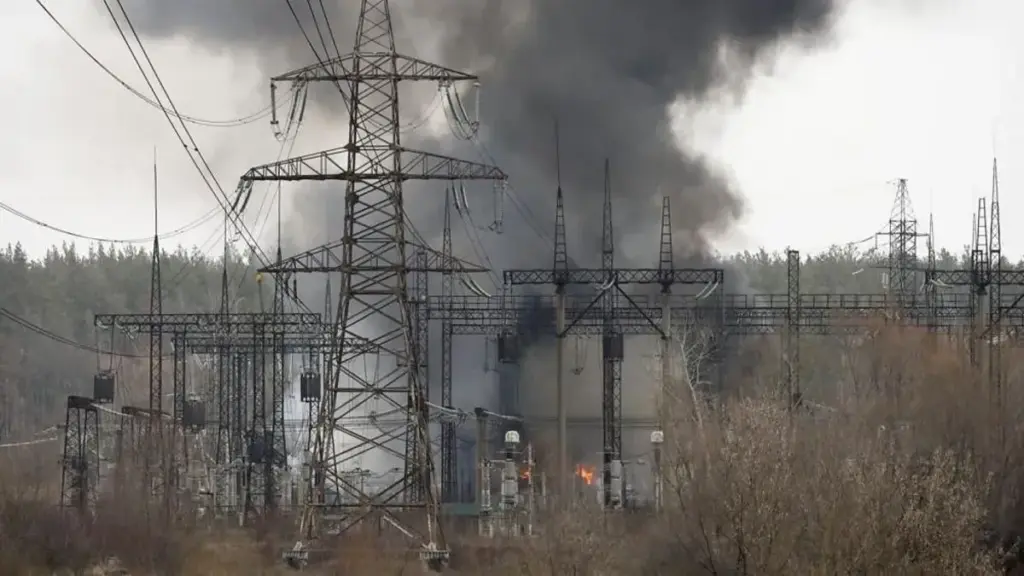
The Ukrainian energy crisis has reached a critical juncture, prompting President Volodymyr Zelensky to declare a state of emergency in the energy sector, with a particular emphasis on Kyiv. The escalating situation is largely a consequence of relentless Russian strikes, which have left many residents grappling with power outages amid frigid winter conditions, pushing temperatures in the capital down to a chilling -20°C. This ongoing conflict not only exacerbates energy supply issues in Ukraine but also reveals a strategic use of harsh weather by Moscow to further its military goals. As the civil population suffers through these challenging months, Zelensky’s administration is mobilizing efforts to restore power and heating, coinciding with the US response to a stalled peace deal with Russia. The recent attacks have left a staggering 70% of Kyiv’s populace without electricity for hours, highlighting the urgent need for a resilient energy strategy in the face of turmoil.
In recent months, the deterioration of energy resources in Ukraine has sparked alarm, as the nation grapples with severe shortages and infrastructure disruptions. The term ‘energy dilemma’ encapsulates the challenges faced by residents, particularly in the capital city, as power outages become commonplace due to sustained assaults from Russian forces. In a broader context, the ramifications of these disruptions are not confined to Kyiv; they extend across the country, intensifying the crisis as communities brace for the bleak winter ahead. Amid this turmoil, the urgent need for effective restoration measures and international support becomes ever more pressing, emphasizing the critical state of the energy landscape in Ukraine. Efforts to stabilizing heat and light have taken precedence, reflecting the profound impact of warfare on civilian lives.
The Ukrainian Energy Crisis: Understanding the Impact of Russian Strikes
The Ukrainian energy crisis has reached critical levels as President Volodymyr Zelensky declared a state of emergency in the energy sector, particularly affecting Kyiv. The ongoing Russian strikes have led to significant widespread power outages, which are especially disastrous in the context of the harsh winter conditions facing much of the country. As temperatures plummet to around -20C, many residents are left vulnerable without reliable heating or electricity, making the situation dire for households across the capital.
Efforts to mitigate these energy supply issues in Ukraine are complicated by the relentless nature of Russian aggression. Each drone and missile attack not only disrupts immediate power supplies but also poses long-term challenges for recovery and infrastructure repair. As the winter conditions worsen, the need for an effective response from the Ukrainian government becomes increasingly urgent to ensure the populace can endure the harsh weather.
Zelensky’s State of Emergency in Energy Supply and Its Implications
In response to the deteriorating energy situation exacerbated by Russian strikes, President Zelensky’s state of emergency signifies a crucial turning point in energy management for Kyiv and beyond. This declaration underscores the gravity of the energy supply issues plaguing the nation, prompting the government to take immediate and strategic action. Zelensky’s initiatives include the formation of a task force aimed at restoring electrical grid functionality and securing necessary resources to aid in recovery.
The implications of this state of emergency extend beyond just immediate power restoration; it reflects the government’s commitment to protecting citizens during wartime. The increased emergency assistance points aim to offer refuge and warmth to those most affected, especially in the face of freezing temperatures. However, these measures highlight a reactionary rather than proactive approach to an ongoing crisis, and the need for sustained and innovative energy solutions has never been more critical.
Kyiv Power Outage: A City Struggling to Cope
Kyiv is currently grappling with severe power outages that have left approximately 70% of the city’s residents in darkness following recent missile attacks. These outages are not merely inconveniences; they symbolize a larger breakdown of infrastructure inflicted by relentless Russian aggression. As authorities scramble to restore power, the daily lives of Kyiv’s citizens are unduly affected, impacting everything from heating systems to essential services such as water supply.
The resilience of the people in Kyiv is being tested as they endure not only cold temperatures but also the uncertainty of their energy resources. Community efforts to support those without heat and electricity have emerged, yet the inherent vulnerabilities of winter conditions in Kyiv accentuate the urgent need for mass recovery strategies. It is a stark reminder of the ongoing war’s reach into the very fabric of Ukrainian life.
Russian Strikes on Ukraine: The War Tactics Affecting Energy Supply
The ongoing Russian strikes on Ukraine are not just military tactics; they are calculated moves aimed at destabilizing essential services, particularly energy supplies. By targeting infrastructure critical for electricity and heating, Russia seeks to undermine the morale and resilience of the Ukrainian people. This strategy becomes painfully evident during winter, where the cold can serve as a weapon in a war where humanitarian conditions are deteriorating.
With each wave of drone and missile attacks, Ukraine’s energy crisis worsens, leading to an intricate web of complications for energy providers like DTEK. The striking patterns reveal an intention to prolong suffering, placing additional strain on companies already stretched thin. As the country prepares for the challenges of winter, the energy sector remains a significant battleground in the larger conflict with Russia.
Winter Conditions in Kyiv: Challenges for the Energy Infrastructure
Winter in Kyiv presents unique challenges, especially in the context of the recent energy crisis resulting from Russian strikes. With temperatures plunging and snow blanketing the landscape, the capacity to deliver consistent energy supply is further strained. The harsh conditions complicate repair efforts for energy providers, who face dangers both from the elements and ongoing military engagement, leading to a detrimental feedback loop of outages and increased energy shortages.
Moreover, the winter conditions necessitate an urgent governmental response to ensure that adequate resources are deployed to support both the infrastructure and the citizens in need. Zelensky’s initiatives to set up emergency assistance points indicate a recognition of these challenges; however, effective solutions must address the underlying vulnerabilities exposed by the winter crisis in Kyiv. It’s imperative for stakeholders to adapt and innovate in order to provide sustainable energy solutions during this critical period.
Emergency Measures in Kyiv: Zelensky’s Response to Energy Supply Issues
In the face of a brutal winter and ongoing aggressions from Russia, President Zelensky has rolled out emergency measures to combat the energy supply issues facing Kyiv. Establishing a 24/7 task force is a direct response to the urgent needs of the city’s residents who are struggling with severe power outages and lack of heat. This task force aims not just at immediate restoration but also at long-term energy resilience.
These proactive steps include securing equipment from international partners to enhance repair capabilities, indicative of a broader strategy to fortify Ukraine’s energy independence. However, with a significant percentage of the population still without power, the measures appear to be reactive amid a pressing crisis, highlighting the urgent need for both short-term relief and long-term strategic planning.
Global Response to the Ukrainian Energy Crisis and Support Mechanisms
The global community’s response to the Ukrainian energy crisis has become increasingly important as the situation continues to unfold. As Zelensky reaches out for international aid, countries worldwide are assessing how they can contribute to alleviating the energy supply challenges imposed by Russian strikes. Such international solidarity is essential, especially as winter conditions worsen and millions face unrelenting cold.
Efforts by other nations to provide energy supplies and necessary equipment reflect a growing recognition of the humanitarian impacts of the war in Ukraine. Additionally, these international support mechanisms are critical in fortifying Ukraine’s energy infrastructure against further attacks, emphasizing the role of global partnerships in times of crisis. The collective response indicates a shared commitment to safeguarding the needs of Ukrainian citizens amidst adversity.
The Role of DTEK in Mitigating Energy Supply Challenges
DTEK, as Ukraine’s largest private energy provider, plays a pivotal role in addressing the energy supply challenges exacerbated by the ongoing conflict. With the company’s infrastructure often under direct attack, CEO Maxim Timchenko has indicated that the frequency of missile and drone strikes complicates recovery efforts significantly. The crisis demands not only resilience from the company but also innovative solutions to restore power to millions of Ukrainians left in the dark.
DTEK’s continuous efforts to reroute and repair damaged systems underscore the difficulties in maintaining reliable electricity during such turmoil. The interplay between military aggression and energy supply issues showcases how critical energy infrastructure has become in the broader context of warfare. As the stakes rise, DTEK’s role becomes even more crucial in not just winter survival but in establishing long-term energy security for Ukraine.
Looking Ahead: Energy Resilience and Recovery for Ukraine
As Ukraine continues to navigate through the turbulent landscape created by Russian strikes, the importance of energy resilience becomes increasingly critical. The challenges faced this winter serve as a stark reminder of the vulnerabilities within the energy infrastructure and the urgent need for comprehensive recovery strategies. Officials are recognizing that to overcome these crises, a multifaceted approach combining immediate relief with long-term energy planning is essential.
Future strategies must focus on diversification and modernization of the energy supply to withstand not only current challenges but any forthcoming threats. The lessons learned during this period of crisis can inform how Ukraine builds a more robust and self-reliant energy sector going forward. In this fight for survival, energy independence may very well be key to Ukraine’s future stability and prosperity.
Frequently Asked Questions
What is the current status of the Ukrainian energy crisis?
The Ukrainian energy crisis has escalated due to continuous Russian strikes targeting key infrastructure. President Zelensky has declared a state of emergency, particularly in Kyiv, where residents have experienced prolonged power outages and heating shortages amidst severe winter conditions.
How have Russian strikes impacted energy supply issues in Ukraine?
Russian strikes have significantly impacted the energy supply issues in Ukraine, as many residential areas, particularly in Kyiv, have faced power outages and lack of heating. These attacks have left thousands without essential services, exacerbating the energy crisis.
What measures is the Ukrainian government taking to address the energy crisis?
In response to the energy crisis, President Zelensky has established a round-the-clock task force to mitigate damage from the strikes. This includes sourcing necessary energy equipment and enhancing emergency assistance points to provide heat and power to residents during this challenging winter.
How severe are the winter conditions in Kyiv affecting the Ukrainian energy crisis?
Winter conditions in Kyiv are extremely severe, with temperatures dropping to around -20°C. These harsh conditions have intensified the energy crisis, as many residents lack adequate heating amidst ongoing power outages caused by Russian attacks.
What support is being provided to those affected by the Kyiv power outage?
To support residents affected by the Kyiv power outage, the government plans to increase emergency assistance points that provide heating and power. Additional efforts are also being made to procure energy resources from abroad to help alleviate the ongoing energy supply issues.
How have the recent Russian attacks influenced the discussion around a peace deal in Ukraine?
The ongoing Russian attacks and the subsequent energy crisis have complicated discussions regarding a peace deal. President Trump has noted that Zelensky seems less inclined to negotiate than Putin, especially as Ukraine grapples with severe energy supply issues.
What role do private energy companies like DTEK play in the Ukrainian energy crisis?
Private energy companies like DTEK are at the forefront of addressing the Ukrainian energy crisis. However, they have faced continuous challenges due to the intensity of Russian strikes, which complicate recovery efforts and maintain essential services for millions of Ukrainians.
How many people are affected by the Ukrainian energy crisis outside of Kyiv?
Outside of Kyiv, over a million people in southeastern regions of Ukraine are severely affected by the energy crisis, facing challenges such as lack of heating and water due to Russian strikes on critical infrastructure.
What long-term effects might the Ukrainian energy crisis have on its citizens?
The long-term effects of the Ukrainian energy crisis on its citizens may include increased health risks due to harsh winter conditions without adequate heating, potential displacement from damaged homes, and a diminishing quality of life as essential services struggle to operate amid ongoing conflicts.
| Key Point | Details |
|---|---|
| State of Emergency | President Zelensky announced a state of emergency in the energy sector, primarily affecting Kyiv. |
| Impact of Russian Strikes | Ongoing Russian attacks have left many residents in Kyiv and other regions without power and heating. |
| Harsh Winter Conditions | Temperatures in Kyiv have dropped to around -20C, complicating the situation for residents and emergency services. |
| Response Measures | A task force has been created to address damage caused by strikes, and emergency assistance points are being increased. |
| DTEK’s Crisis | DTEK, Ukraine’s largest private energy provider, is in continuous crisis due to the severity of Russian attacks. |
| National Impact | More than a million people in southeastern Ukraine are affected by lack of heating and water. |
| Upcoming Events | Zelensky and Trump are expected to attend the World Economic Forum, but no formal meetings are planned. |
Summary
The Ukrainian energy crisis has reached critical levels as ongoing Russian attacks severely disrupt essential services and infrastructure. As winter conditions worsen, the government is mobilizing resources to combat the impact of these strikes on power and heating, emphasizing the need for international assistance. With millions affected and emergency measures being put in place, the situation remains dire as officials strive to provide for the people amid escalating challenges.

