Listen to this article
The ongoing Ukraine War Peace Talks are critical in shaping the future of a nation embroiled in conflict, especially in the war-ravaged Donbas region. As Russian forces continue their advance, the stakes are higher for both civilians and Ukrainian soldiers stationed in the besieged territories of Donetsk and Luhansk. The urgent discussions surrounding Ukraine-Russia peace negotiations have sparked hope and skepticism alike, particularly as they address the contentious issue of territory. In this volatile environment, families are seen desperately fleeing the Donbas, as civilians seek to escape the mounting dangers posed by the relentless fighting. Amidst these challenges, the prospect of a peace deal for Ukraine remains a pivotal topic for negotiation, with many holding onto the hope that an end to hostilities can be realized.
In light of the intense hostilities in the eastern regions, the negotiations aimed at achieving a resolution are regarded as Ukraine War Peace Talks. These discussions, reflecting the intricate dynamics of the Donbas conflict, focus on pivotal aspects of the ongoing strife, including the fate of vital territories and the future of soldiers serving on the front lines. As the possibility of cessation of hostilities looms, alternative avenues must also be explored to address the concerns of both battling nations. Moreover, the plight of civilians continues to take center stage, as many across the Donbas seek to escape the perils of war, hoping that diplomacy can pave the way for a lasting peace.
The Ongoing Struggle in Donbas: Understanding the Civilian Impact
The eastern Ukrainian region of Donbas has been at the center of a prolonged conflict that has devastated countless lives. As Russian forces continue to advance, civilians are caught in the crossfire, facing harrowing choices. Many families, like Yevheniy’s, flee from cities such as Kramatorsk, where the risks of drone strikes and artillery shelling loom large. The daily struggle for survival has led to an exodus, with hundreds arriving at reception centers in safer areas, reflecting the dire reality faced by civilians in the war-torn region.
In the last year, reports indicate an alarming increase in civilian casualties and displacement. With the Donbas conflict escalating, families have sought refuge beyond Ukraine’s borders, notably to countries like Germany and Poland. The necessity for an urgent peace deal for Ukraine is underscored by their plight—essentially a cry from desperate civilians seeking security and stability amid the chaos of war.
Military Perspectives: Soldiers’ Views on Peace Talks and Territory
Soldiers stationed in the Donbas region express a mix of exhaustion and determination. Denys, a soldier who has served for two years, reflects the prevailing sentiment among his comrades: the idea of ceding Donbas to Russia is simply unacceptable. This collective mentality among troops underscores the broader national sentiment that territories synonymous with their identity and sacrifices cannot be relinquished, even amid the ongoing Ukraine-Russia peace negotiations.
Conversely, some servicemen question the feasibility of their situation, grappling with the harsh realities of being outnumbered and outgunned. The chilling stories of deserted frontline soldiers, such as Serhii, reveal a deeper crisis within the military ranks—a lack of resources, training, and morale that challenges Ukraine’s prospects in the ongoing conflict. Soldiers, once committed to the fight, are now faced with dilemmas about the viability of continuing this costly war.
The Complex Path to a Peace Deal: Analyzing Current Proposals
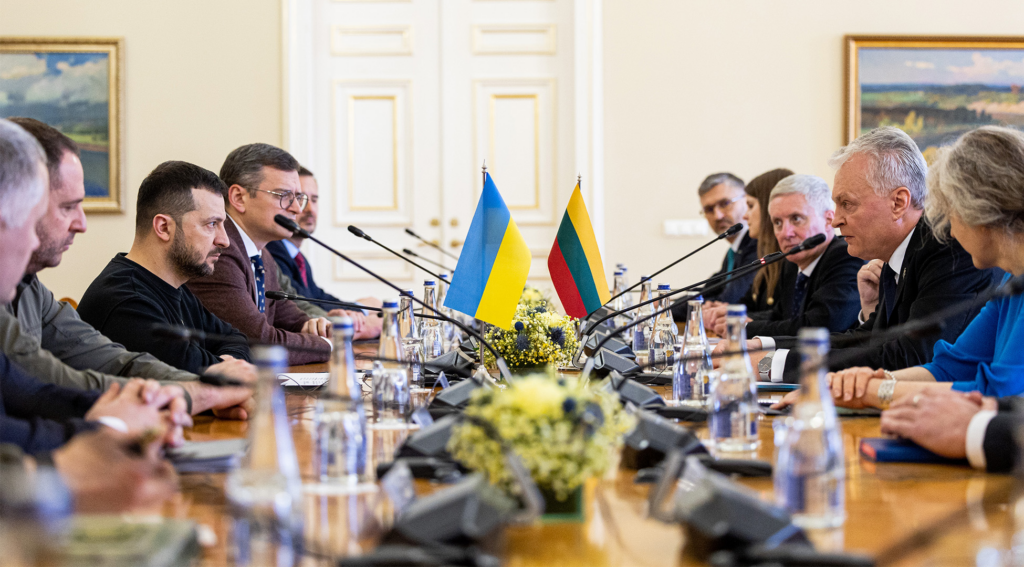
As Ukraine engages in US-led peace talks, the stakes hinge on territory, particularly for regions like Donbas. President Zelensky acknowledges that territorial disputes remain the most contentious issue impeding negotiations. The leaked proposals that suggest trading parts of Donbas for a cessation of hostilities have ignited intense debate within Ukraine, further complicating the delicate nature of peace talks. The reluctance to concede any area that houses a significant Ukrainian populace poses a formidable challenge to reaching an agreement.
Despite the intense negotiations, skepticism remains high among the soldiers and civilians alike. Many believe that the Russian side is unlikely to meet Ukraine’s terms, further dampening hopes for a sustainable peace deal. Ensuring the security and rights of civilians displaced by the conflict must remain at the forefront of these discussions, as the people of Donbas deserve not only peace but also the opportunity to rebuild their lives.
Civilians Fleeing Conflict: Escaping the Clutches of War
The harrowing journeys of civilians escaping from conflict zones like Kramatorsk depict the dire humanitarian crisis in Donbas. Families, including Oleksandr’s, are forced to make agonizing decisions to leave everything behind in search of safety. The dramatic rise in civilians arriving at reception centers highlights the desperate need for humane responses to this crisis. Each train that departs westward carries stories of fear, loss, and hope for a future unshackled by war.
Moreover, the challenges faced by these civilians extend beyond mere survival; they grapple with the trauma of displacement and the uncertainty of their future. Inna’s story, fleeing with her children from danger, sheds light on the emotional toil endured by many families hoping for peace. These narratives emphasize that any peace agreement must not only include military considerations but also address the needs of displaced civilians who seek refuge and support.
The Psychological Toll of War: Soldiers and Civilians Alike
The psychological effects of the ongoing conflict weigh heavily on both soldiers and civilians in Donbas. Soldiers like Denys express feelings of mental and physical exhaustion from the exhausting battles, compounded by the fear of escalating violence. Their commitment to defending their land comes with an emotional toll as they face the reality of constant danger, leading many to question the possibility of victory in the Ukraine Russia peace negotiations.
Civilians, too, bear a heavy psychological burden as they navigate the fear and uncertainty of life in a conflict zone. Parents like Yevheniy and Maryna endure the anxiety of protecting their children from the ever-present threats of war. The stark contrast between the desire for normalcy and the harshness of their daily survival illustrates the pervasive trauma that must be addressed comprehensively in any future peace deal.
Prospects for Renewal: Building a Post-War Ukraine
Beyond the immediate concerns of the war, discussions around a future for a post-war Ukraine are increasingly relevant. Civilians harbor aspirations for rebuilding their lives once peace is achieved, and this necessitates robust plans for economic recovery and social reintegration. Oleksandr’s willingness to consider peace negotiations indicates a yearning for a return to a semblance of normalcy—a future where families can once again thrive without the fear of conflict.
Moreover, the prospects of a comprehensive peace deal entail not just an end to hostilities, but also a roadmap for reconciliation. This includes addressing grievances, restoring damaged infrastructure, and ensuring the rights and safety of all those affected by the conflict. Achieving a sustainable peace in Ukraine will require participation from citizens and authorities alike to ensure a resilient future for the nation.
The Global Impact of the Ukraine War: International Perspectives on Peace
The Ukraine-Russia conflict has drawn international attention and involvement, particularly concerning peace negotiations and humanitarian aid. The conversations surrounding the Donbas conflict have profound implications not just for regional stability but also for global geopolitics. Countries watching closely are aware that the outcome will influence future international relations and security agreements across Europe.
Furthermore, the ongoing war emphasizes the need for a united global stance against aggression, suggesting that countries must collectively push for a resolution to prevent similar conflicts in the future. The imperative for a decisive peace deal in Ukraine reflects broader international interests in maintaining global order and security, indicating that the implications of these negotiations extend far beyond Ukrainian borders.
Navigating Military Challenges: Assessing Ukraine’s Strategic Position
As Ukraine continues to contend with the ongoing military challenges posed by Russian advancements in the Donbas, the strategic position of its forces comes under scrutiny. Reports indicate that Russian troops have gained control over significant portions of the territory, prompting questions about Ukraine’s capabilities to respond effectively. The insights from soldiers on the ground reflect a nuanced understanding of their precarious situation, raising concerns about the sustainability of ongoing military operations.
Additionally, the increasing desertion rates highlight deeper issues within the Ukrainian military’s infrastructure and morale. Understanding these dynamics is critical for evaluating the prospects of a successful response to the escalating conflict. As peace talks unfold, recognizing and addressing these challenges will be essential to fortifying Ukraine’s position in future negotiations and ensuring the efficacy of their defense against Russian aggression.
The Role of the International Community in Peace Efforts
The role of international diplomats and organizations in facilitating peace talks about the Donbas conflict is pivotal. peace advocates from various countries are actively engaged in discussions, putting forth proposals that aim to balance the competing interests of Ukraine and Russia. Their involvement underscores the recognition that a durable peace requires external support, diplomatic engagement, and incentives that resonate with both national and regional stakeholders.
However, calls for international intervention also bring forth complex dynamics surrounding national sovereignty and foreign influence. As parties navigate this delicate terrain, it becomes critically important to prioritize the voices of soldiers and civilians directly impacted by the conflict. Ensuring their narratives are woven into the fabric of diplomatic conversations is essential to crafting a peace deal that is not only conceptually sound but also widely accepted by those who have borne the brunt of the war.
Frequently Asked Questions
What are the current prospects for peace talks regarding the Ukraine War and the Donbas conflict?
The prospects for peace talks regarding the Ukraine War and the Donbas conflict remain uncertain. While discussions have been ongoing, both sides exhibit deep skepticism about reaching a comprehensive peace deal, particularly concerning territorial issues. Despite the US’s involvement, many Ukrainians believe that significant concessions, such as ceding parts of the Donbas, will not be acceptable.
How are Ukrainian soldiers affected by the ongoing peace talks in the Donbas region?
Ukrainian soldiers express skepticism about the peace talks regarding the Donbas region, fearing that their sacrifices may lead to unfavorable outcomes. Many soldiers, like Denys, assert that they will not agree to give up any territory, reflecting a strong resolve not to cede the Donbas to Russia in any peace deal.
What are the views of civilians fleeing the Donbas amidst the ongoing peace negotiations?
Civilians fleeing the Donbas exhibit a mix of despair and hope regarding peace negotiations. Many, such as Yevheniy and Oleksandr, are skeptical about the potential for a fair peace deal, while others like Inna are willing to accept territorial concessions in exchange for peace and security for their families.
What challenges do civilians face while escaping from conflict zones in Donbas during peace talks?
Civilians escaping from conflict zones in the Donbas face significant challenges, including danger from aerial attacks and a lack of resources. Many families are navigating treacherous situations to reach safety, often using heavy fog as cover from drones, while authorities at reception centers struggle to provide adequate support.
How does public sentiment in Ukraine influence the ongoing peace talks involving the Donbas conflict?
Public sentiment in Ukraine heavily influences the ongoing peace talks involving the Donbas conflict. Many Ukrainians staunchly oppose giving up territory, viewing it as a surrender of their homeland. This widespread reluctance to make concessions complicates the negotiation process and reflects the deep emotional and historical connections to the Donbas.
What role do international powers play in the Ukraine War peace negotiations concerning the Donbas?
International powers, particularly the US, play a crucial role in peace negotiations concerning the Donbas by facilitating dialogue and proposing frameworks for discussion. However, the effectiveness of these efforts is questioned by many Ukrainians who feel that the demands from Russia are maximalist and unacceptable.
What is the impact of the Donbas conflict on families and children during peace negotiations?
The Donbas conflict has a profound impact on families and children, with many fleeing to escape the violence. The traumatic experiences of living in a war zone lead to fears about safety and a desperate desire for peace. As families seek security, they often face difficult decisions about leaving their homes permanently in pursuit of safety.
What are the implications of desertion among Ukrainian soldiers during the ongoing conflict and negotiations?
Desertion among Ukrainian soldiers has significant implications for the conflict and ongoing peace negotiations. With nearly 300,000 cases of desertion reported, this creates accountability and operational challenges for the Ukrainian military, while also reducing morale. The safety and effectiveness of the troops may be compromised, making negotiations for peace even more complex.
| Key Points |
|---|
| Trains have ceased to operate in Ukraine’s Donetsk region due to the ongoing conflict, signaling a concerning Russian advance. |
| President Putin seems optimistic following discussions perceived to align with his demands, while President Zelensky identifies territorial issues as a major concern in peace negotiations. |
| Many soldiers and civilians express skepticism about the viability of peace talks, viewing them as mere ‘chatter’. |
| Russian forces currently control approximately 85% of the Donbas, including significant cities such as Pokrovsk. |
| Civilians continue to flee the Donbas due to the increasing dangers, with reception centers reporting daily arrivals. |
| Some civilians and soldiers show willingness to negotiate territorial concessions for peace, highlighting a divide in perspectives on the issue. |
| Desertion rates among soldiers are concerning, with near 300,000 cases reported since the invasion began, indicating morale issues. |
| Many express doubts about Ukraine’s chances in the war, particularly against a significantly larger Russian population. |
Summary
Ukraine War Peace Talks are at a critical juncture, with numerous perspectives emerging from both soldiers and civilians affected by the ongoing conflict. As the situation in the Donbas region continues to evolve, it’s evident that opinions on potential peace deals vary widely, particularly about territorial concessions. The challenges are compounded by the harsh realities faced on the ground, including overwhelming Russian advances and the relentless toll on human lives. While some express a cautious willingness to consider negotiations, many others remain steadfast in their resolve to defend Ukrainian sovereignty. The outcome of these discussions could shape the future of the region significantly.