
Listen to this article
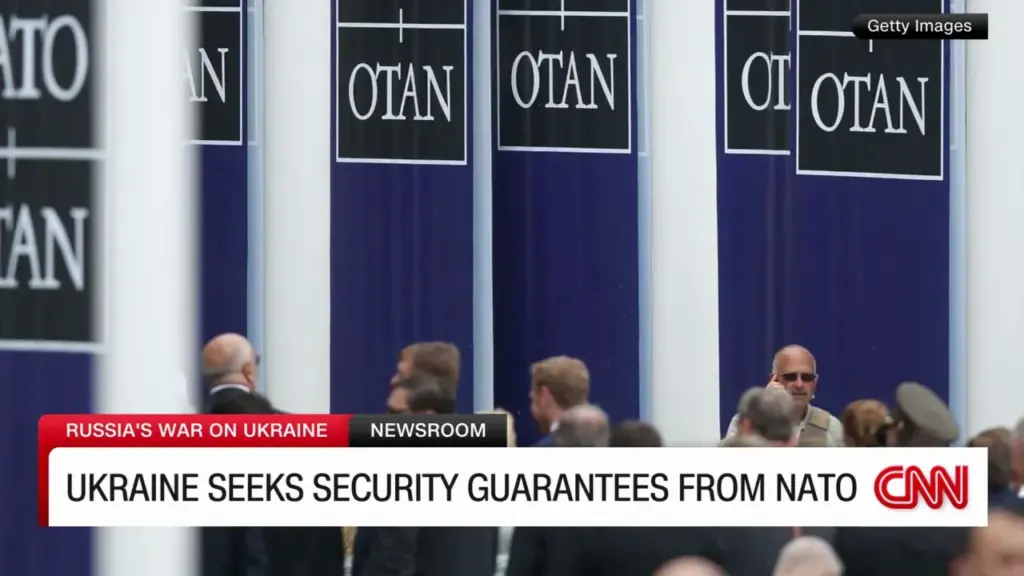
In recent developments, Ukraine security guarantees have become a pivotal topic in international negotiations as the US expresses its intent to offer what has been described as “NATO-like” protections for Ukraine amidst ongoing conflict. During talks in Berlin with European officials and a Ukrainian delegation, these guarantees were highlighted as transformative, aimed to facilitate ceasefire discussions and bring stability to the Eastern Donbas dispute. President Zelensky’s NATO aspirations intertwine with these security discussions, as he acknowledges the necessity of robust assurances to counteract potential Russian aggression. While US officials tout these security proposals as a “platinum standard,” they also indicate that time is of the essence in finalizing such arrangements. As the situation evolves, US Ukraine relations become increasingly significant in shaping the future security landscape of the region.
Emerging from the ongoing conflict, assurances for Ukrainian defenses have captured global attention, particularly in light of recent US initiatives to provide substantial military support. This concept of security guarantees not only encompasses the principles similar to NATO’s collective defense but also embodies a broader framework aimed at stabilizing the region amidst challenging geopolitical dynamics. The potential for a ceasefire is now intrinsically linked to these protective measures, leading to renewed discussions regarding the future of territories embroiled in the Eastern Donbas dispute. President Zelensky’s desire for NATO membership paints a picture of a nation seeking steadfast allies as it navigates complex relations with Russia. The urgency of these negotiations highlights a collective aspiration for peace and security that transcends mere military assistance.
Understanding Ukraine’s Security Guarantees
The concept of security guarantees for Ukraine has gained prominence as a crucial element in international negotiations aimed at achieving a ceasefire. The US has stepped forward with proposals for what’s described as ‘NATO-like’ security assurances, mirroring the collective defense clause in NATO’s Article 5. This initiative aims to create a robust security framework for Ukraine, designed to deter further aggression from Russia while fostering confidence among Ukrainian officials and citizens that their sovereignty will be upheld.
Ukrainian President Volodymyr Zelensky highlighted the necessity of these security guarantees amid his country’s ongoing struggle. By establishing a clear understanding of what these guarantees entail, Ukraine hopes to secure a firm commitment from NATO allies, essentially assuring that if Russia launches attacks again, it would trigger a collective defense response. Such guarantees are seen not only as protective measures but also as a framework within which Ukraine can negotiate peace, ensuring that any future terms respect its territorial integrity.
The Role of NATO-like Security in Ceasefire Talks
The proposed NATO-like security guarantees come at a pivotal moment in the peace discussions, particularly as Ukraine seeks to end hostilities with Russia over the Eastern Donbas region. These guarantees are intended to be a strong deterrent against potential future aggressions, and they are at the core of ongoing Ukraine ceasefire talks between US officials and European leaders. As the situation evolves, the prospect of an economic-free zone, coupled with robust security protocols, could be vital in creating a stable environment for negotiations.
However, the complexity of these discussions is underscored by challenges surrounding the Donbas conflict. With the US promoting the notion of an economic-free zone that requires concessions from Ukraine, Zelensky’s administration is keen on ensuring that any agreements do not undermine Ukraine’s sovereignty. Addressing these security dimensions within the framework of ceasefire talks is critical and must align with both military needs and economic considerations to foster long-term peace.
The Impact of US-Ukraine Relations on the Security Framework
US-Ukraine relations have entered a crucial phase, particularly as the US expresses readiness to bolster Ukraine’s security through favorable guarantees. The ongoing talks have indicated that the US is prepared to offer robust support in the form of military and economic assistance, which is seen as essential amidst Ukraine’s fight against Russian aggression. Zelensky’s recognition of the productive nature of these meetings emphasizes a shared commitment towards establishing a stable security environment.
Moreover, the US’s negotiation strategies are intertwined with broader geopolitical dynamics, reflecting a commitment not only to Ukraine’s immediate needs but also to reinforcing its relationship as a vital ally in Eastern Europe. As the eastern Donbas dispute continues to complicate diplomatic efforts, the importance of solid US-Ukraine relations cannot be overstated, particularly as both sides look for practical solutions that ensure Ukraine’s sovereignty and security.
Zelensky’s Aspirations for NATO Membership
Ukrainian President Volodymyr Zelensky has been vocal about his aspirations for NATO membership, which he views as crucial for ensuring long-term security against Russian threats. In exchanges with US and European leaders, he has indicated a potential willingness to reevaluate Ukraine’s NATO ambitions in favor of obtaining substantial security guarantees. This shift represents a strategic pivot that reflects both Ukraine’s current vulnerability and the pressing need for enhanced protective measures.
The implications of Zelensky’s stance on NATO membership hinge not only on immediate military support but also on the prospect of a comprehensive peace deal that respects Ukraine’s territorial claims. By negotiating with NATO allies, Zelensky aims to solidify a security architecture that transcends mere alliances, potentially establishing Ukraine as a key player in regional stability that could deter further Russian advances.
Exploring the Eastern Donbas Dispute
The Eastern Donbas region continues to be a flashpoint in the conflict between Ukraine and Russia, with ongoing tensions complicating peace efforts. US proposals, including the conceptualization of an ‘economic-free zone,’ aim to address territorial disputes while also attempting to lay the groundwork for economic recovery. However, this approach raises significant concerns for Ukraine, particularly regarding its sovereignty and the potential implications of territorial concessions.
Zelensky has voiced particular apprehensions about any agreements that might allow Russia to establish control over contested areas, emphasizing that Ukraine must not be pressured into unfavorable terms. The stark differences between the positions of Moscow and Kyiv on the Donbas issue require careful negotiation that takes into account the long-term security needs of the region while addressing immediate humanitarian concerns.
Challenges in Achieving a Ceasefire Agreement
Achieving a ceasefire agreement remains fraught with challenges as Ukraine navigates complex negotiations with both US allies and Russian officials. The prospect of implementing NATO-like security guarantees is built on the hope of creating a framework that promotes lasting peace while ensuring swift consequences should hostilities resume. Ukraine’s insistence on receiving these guarantees reflects a strategy to instill deterrence against future aggressions.
However, the specifics of these guarantees and their practical implications are yet to be fully articulated. As talks progress, there is a pressing need to define the types of military aid that would accompany these guarantees, thereby establishing clear lines of commitment among NATO allies. The success of ceasefire negotiations will ultimately hinge on balancing immediate security concerns with the broader necessity of fostering a stable political environment.
The Economic Consequences of the Conflict
The ongoing conflict in Ukraine has led to severe economic repercussions, driving the need for urgent financial support from international allies. The proposal to utilize frozen Russian assets, estimated at €90 billion, underscores the EU’s commitment to providing assistance to Ukraine as it grapples with the ongoing conflict and its effects on national infrastructure and economy. Mobilizing these funds could play a crucial role in sustaining Ukraine’s economy as it faces the dual pressure of wartime expenditures and rebuilding efforts.
Additionally, addressing the economic fallout is closely tied to the security guarantees being discussed. An economically stable Ukraine is better positioned to defend itself and engage in meaningful dialogue with Russia. As financial support discussions advance alongside security negotiations, it is essential that Ukraine is equipped not just with military aid but also with economic resources to support its recovery and resilience in the face of ongoing threats.
The International Response to Ukraine’s Security Needs
The international response to Ukraine’s security needs has garnered significant attention in recent months, particularly following renewed initiatives from the US and NATO allies. Security discussions have transcended military hardware, evolving into a comprehensive strategy that includes economic and infrastructural support. Global leaders recognize that addressing the unique challenges faced by Ukraine is critical for stability in Eastern Europe and the broader international security landscape.
Negotiations involving European authorities indicate a unified approach towards addressing Ukraine’s immediate security concerns, underscoring the geopolitical ramifications of the conflict. While the efficacy of proposed NATO-like security guarantees remains to be seen, the willingness of international partners to engage in these discussions signals a commitment to Ukraine’s sovereignty and the stability of the region.
Future Prospects for Peace in Ukraine
As peace talks continue to evolve, the future prospects for peace in Ukraine remain uncertain yet hopeful. The framework being shaped around Ukraine’s security guarantees presents an opportunity for a new chapter in the country’s history, one where sovereignty is prioritized, evidenced by Zelensky’s earnest efforts to secure strong international support. The integration of NATO-like security frameworks within peace negotiations could pave the way for a more stabilized Ukraine.
However, the path to peace will require the adept management of various stakeholders’ interests, including those of the EU, US, and Russia. While Zelensky’s government seeks to navigate these complex dynamics, the overarching goal remains: establishing durable security measures that protect Ukraine from future threats. If successful, these initiatives could foster a broader dialogue that not only ends the conflict but also lays the groundwork for long-term stability and cooperation in the region.
Frequently Asked Questions
What are Ukraine security guarantees proposed by the US?
Ukraine security guarantees refer to commitments by the US and allied countries to provide military and strategic support to Ukraine, modeled after NATO’s Article 5. These guarantees aim to enhance Ukraine’s defense capabilities, ensuring that Ukraine can effectively respond to any potential aggression, particularly from Russia.
How do NATO-like security guarantees affect Ukraine ceasefire talks?
NATO-like security guarantees are essential in Ukraine ceasefire talks as they offer a foundation for mutual defense assurances that could convince Russia to uphold a ceasefire agreement. These guarantees aim to create a safer environment for negotiations and to assure Ukraine of international support against potential aggressions.
What is the significance of Zelensky’s NATO aspirations in the context of security guarantees?
Zelensky’s NATO aspirations are significant as they underline Ukraine’s desire for formal membership in NATO, which would provide the strongest security guarantees. Security assurances discussed in parallel to NATO membership are critical for Ukraine to ensure protection and deter future attacks from Russia during the ongoing conflict.
What role do US-Ukraine relations play in forming security guarantees?
US-Ukraine relations are fundamental in forming security guarantees, as the US is one of Ukraine’s primary allies. These relations facilitate the provision of military aid, economic support, and strategic partnerships that strengthen Ukraine’s overall security framework amid its conflict with Russia.
What challenges does the Eastern Donbas dispute present for security guarantees?
The Eastern Donbas dispute complicates security guarantees because the region remains a contentious area where Russian and Ukrainian interests clash. Any security framework must address the conflict dynamics in Donbas, ensuring that security guarantees are effective and respected by both parties involved.
Will the proposed economic-free zone impact Ukraine’s security guarantees?
The proposed economic-free zone may impact Ukraine’s security guarantees by requiring territorial concessions, which could undermine Ukraine’s sovereignty and complicate the promises made by allies. This aspect creates friction in the negotiations and raises concerns about the long-term integrity of security guarantees.
How do international negotiations influence the future of Ukraine security guarantees?
International negotiations involving European leaders and organizations play a crucial role in defining the scope and effectiveness of Ukraine security guarantees. These discussions facilitate consensus on support mechanisms and pathways to strengthen Ukraine’s defense, significantly influencing the country’s security landscape.
What is the timeline for discussing security guarantees in light of current events in Ukraine?
The timeline for discussing security guarantees remains fluid, as ongoing events, such as military escalations and international diplomatic efforts, continuously evolve. As Ukraine faces critical challenges, security discussions are prioritized, especially in light of upcoming European summits and peace negotiations.
How might the winter impact Ukraine’s security negotiations and guarantees?
The winter months pose additional challenges for Ukraine, impacting its security negotiations as harsh weather conditions may exacerbate military and humanitarian crises. The urgency for robust security guarantees intensifies, as Ukraine needs reliable support to protect infrastructure and civilian lives during this vulnerable period.
| Key Points |
|---|
| The US is ready to provide Ukraine “NATO-like” security guarantees to support a potential ceasefire, modeled after NATO’s Article 5. |
| Ukrainian President Zelensky calls for a clear understanding of security guarantees to ensure compliance from Russia. |
| US officials propose these guarantees as the “platinum standard”, highlighting that the agreement may not be available indefinitely. |
| The Donbas region remains a key point of contention, with proposals for an “economic-free zone” causing tension between the US and Ukraine. |
| Discussions continue regarding a 20-point peace plan from Ukraine to establish long-term security and reconstruction efforts. |
| EU nations are considering using frozen Russian assets to provide economic support to Ukraine amidst ongoing financial challenges. |
Summary
Ukraine security guarantees are crucial for establishing a framework to ensure peace amid the ongoing conflict with Russia. These proposed guarantees, inspired by NATO’s mutual defense principles, aim to provide robust support for Ukraine’s sovereignty and territorial integrity in the face of Russian aggression. As discussions evolve, the focus on achieving a comprehensive peace plan remains vital, especially given the ongoing humanitarian crises and economic struggles Ukraine faces due to the war.

