
Listen to this article
Ukraine peace talks have become a focal point of international diplomacy as President Volodymyr Zelensky engages in crucial discussions with key US diplomats. Following a constructive dialogue with Donald Trump’s peace envoy, Steve Witkoff, Zelensky underscored the importance of ensuring that any peace agreement with Russia effectively halts the ongoing violence. With the backdrop of intensified military actions by Moscow, Ukraine remains dedicated to reaching a ceasefire in Ukraine and collaborating closely with allies. As the negotiations unfold, the involvement of leaders like French President Emmanuel Macron and discussions on post-war security highlight the complexities surrounding these negotiations. Ultimately, the success of the Ukraine Russia negotiations hinges on a genuine commitment to peaceful resolutions from all parties involved.
The ongoing negotiations involving Ukraine’s leadership and international stakeholders signify a pivotal moment for achieving stability in the region. As efforts to orchestrate a diplomatic resolution gain momentum, terms such as the peace dialogue surrounding the conflict and initiatives aimed at establishing a truce play a critical role in shaping the future. The engagement of prominent figures, including US peace envoys and European leaders, illustrates a collective commitment to resolving the hostilities. Through these discussions, the focus shifts to exploring strategies that not only foster a peace agreement Ukraine desires but also influence broader geopolitical dynamics. With each passing day, hopes for a durable ceasefire and renewed harmony continue to develop amidst challenging circumstances.
Zelensky US Talks: A Step Towards Peace
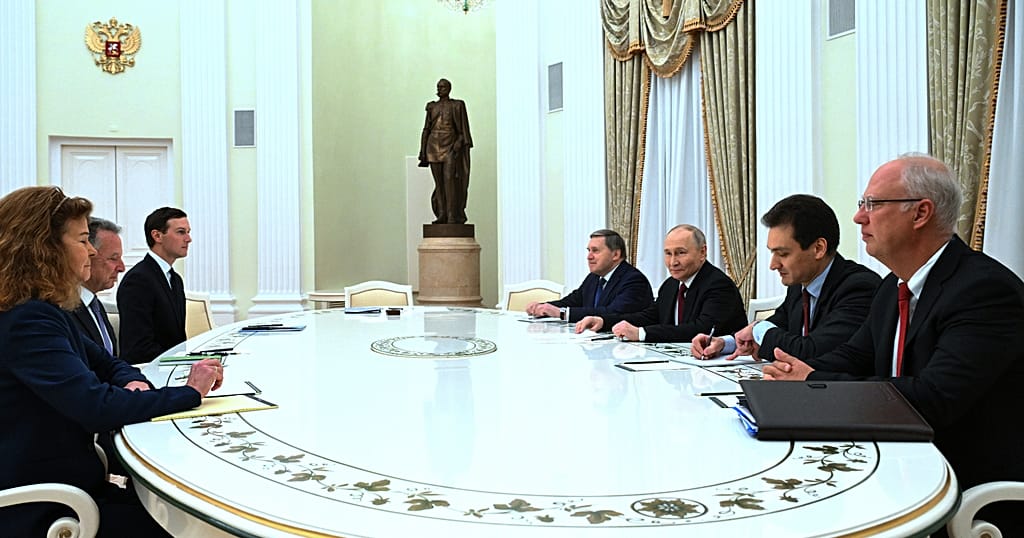
Recent discussions between Ukraine’s President Volodymyr Zelensky and US peace envoy Steve Witkoff have been described as ‘very constructive.’ The dialogue underscores the commitment of Ukraine to foster a collaborative relationship with the United States in seeking solutions to the ongoing conflict with Russia. Zelensky emphasized the importance of ensuring that any peace agreement reached is respected by Russia, indicating a proactive approach to establishing a framework for lasting peace. This engagement highlights the crucial role of diplomatic negotiations in resolving the tensions that have plagued Ukraine since the onset of hostilities.
As these talks unfold, they are taking place against the backdrop of continued aggression from Russia, which shows no signs of relenting. Despite the urgencies of securing a ceasefire in Ukraine, Moscow’s recent escalations through increased air and missile strikes only underline the complexity of the situation. Therefore, Zelensky’s dialogue with US officials is pivotal in aligning international efforts and garnering support to pressure Russia towards a more constructive position in negotiations.
Ukraine-Russia Negotiations: The Path to a Peace Agreement
The ongoing Ukraine-Russia negotiations have reached a critical juncture as various parties strive to bring about a peace agreement that can end the hostilities. The recent interactions among Zelensky, US officials, and European leaders like French President Macron reveal a concerted effort to formulate a multi-faceted strategy to address the conflict. These discussions are vital not only for immediate cessation of hostilities but also for the long-term security and rebuilding of Ukraine post-conflict.
However, challenges remain significant. Russia’s reluctance to demonstrate cooperative behavior or make concessions complicates the negotiation landscape. With Ukrainian officials openly advocating for a ceasefire in Ukraine, the international community continues to rally support for a robust framework that can ensure both an immediate end to violence and sustainable peace. The next few days in the negotiation process are crucial as the parties explore viable pathways to peace.
International Support in Ukraine’s Quest for Peace
The involvement of international allies, particularly from the United States and European nations, has become increasingly significant in Ukraine’s pursuit of a peaceful resolution. Leaders like UK Prime Minister Sir Keir Starmer and German Chancellor Friedrich Merz are collaborating with Zelensky to discuss strategies to bolster Ukraine’s post-war security. Their commitment to supporting Ukraine with a peacekeeping force, should a ceasefire be reached, is essential for ensuring stability and deterring future aggression.
This coalition of willing allies aims not only to provide military support but also to lend diplomatic weight to the negotiations. By participating in these discussions, the allied leaders send a strong message to Russia that its aggressive actions will not be tolerated. The united front of Western nations underlines the importance of maintaining international solidarity in addressing the crisis, ultimately striving for a peaceful and secure future for Ukraine.
The Role of US Peace Envoy in Ukraine’s Negotiation Process
Steve Witkoff, designated as the US peace envoy, plays a pivotal role in the ongoing peace negotiations involving Ukraine and Russia. His position places him at the forefront of discussions aimed at fostering understanding and progress on both sides. With fundamental discussions focusing on security arrangements and necessary deterrence capabilities, Witkoff’s efforts highlight the seriousness with which the US is approaching its involvement in the crisis.
The talks led by Witkoff with Ukrainian officials, such as Rustem Umerov, underscore the collaborative spirit necessary for achieving a breakthrough in discussions. The constructive dialogue aimed at framing security measures is crucial, especially in light of Russia’s persistent military actions. As the negotiation process advances, Witkoff’s role may become even more critical in aligning interests and ensuring that any agreements reached are adhered to, ultimately paving the way for lasting peace.
Ceasefire in Ukraine: Challenges and Opportunities
Achieving a ceasefire in Ukraine remains a complex and heavily contested objective amid the backdrop of ongoing military aggression from Russia. Zelensky’s recent communications have included calls for a sincere effort to establish peace, but the realities on the ground indicate a precarious situation. Russian bombardments and intensified military operations highlight the challenges faced in attaining a comprehensive ceasefire, prompting Ukrainian officials to appeal for international support.
However, the pursuit of a ceasefire also represents an opportunity for strategic regrouping and negotiations. If achieved, a ceasefire could open the door for more robust discussions on long-term peace and security, involving multiple stakeholders within the international community. Such efforts are essential to not only address the immediate cessation of hostilities but also to set a foundation for lasting peace and security in the region.
The Impact of European Leaders on Ukraine Peace Initiatives
The participation of European leaders in the discourse surrounding Ukraine’s peace initiatives is actively shaping the narrative and expectations of the negotiation process. Leaders such as Macron and Starmer have displayed a firm commitment to supporting Ukraine, emphasizing the necessity of collective action to attain a viable peace agreement. Their involvement exemplifies the interconnectedness of regional security and highlights the broader implications of the conflict on European stability.
European nations are advocating for diplomatic solutions that prioritize Ukraine’s sovereignty and future. By providing potential frameworks for peacekeeping forces, European leaders aim to create a buffer against further aggression and establish a trust-building mechanism that has been lacking. This collaborative approach affirms the critical role of solidarity in addressing the humanitarian and geopolitical crises stemming from the ongoing conflict.
The Consequences of Ongoing Aggression for Peace Talks
The escalating military actions perpetrated by Russia have significant consequences for the ongoing peace talks with Ukraine. With reports of bombings and strikes intensifying, the possibility of establishing a constructive dialogue diminishes. Each act of aggression not only exacerbates the humanitarian crisis within Ukraine but also complicates the diplomatic landscape, challenging negotiators to find common ground amidst destruction and loss.
Furthermore, the consequences of Russia’s actions extend beyond immediate military concerns; they shape public sentiment and political will on both sides. Without a genuine commitment from Russia to cease military operations, the pursuit of a peace agreement becomes increasingly fraught. International pressure on Moscow to honor discussions will be essential in steering the talks towards a resolution, where adherence to any agreed terms can pave the way for lasting peace.
Prospects for Lasting Peace in Ukraine
The long-term prospects for peace in Ukraine hinge on the willingness of both Ukraine and Russia to engage in meaningful dialogue and address the root causes of the conflict. As Zelensky continues to advocate for negotiations, the involvement of strategic partners, such as the US and EU nations, could play a pivotal role in reinforcing Ukraine’s position. It is essential for both parties to confront the underlying issues while finding common ground to build a framework for peace that prevents future escalations.
Moreover, the successful establishment of a peace agreement must incorporate security assurances that address both Ukraine’s sovereignty and the geopolitical interests of surrounding nations. The upcoming discussions aim to strike a delicate balance that not only ends the immediate conflict but also lays the groundwork for a stable and secure European region. Continued dialogue, backed by international support, remains key to transitioning from a protracted conflict to sustainable peace.
The Role of the US in Facilitating Ukrainian Peace Talks
The proactive role of the US in facilitating peace talks between Ukraine and Russia reflects its commitment to international stability and security. By dispatching peace envoys and engaging in high-level discussions, the US aims to offer strategic assistance while also holding Russia accountable for its aggressive actions. This approach signifies a larger commitment to fostering dialogue that aligns with Ukraine’s objectives for peace and sovereignty.
Additionally, the backup from the US in the form of diplomatic channels enhances the credibility of Ukraine on the global stage, showcasing its determination to seek a negotiated peace rather than succumbing to military pressures. As both parties navigate the complexities of the negotiation landscape, US involvement becomes a critical component in balancing the interests of regional allies and ensuring that any agreements reached are in line with international law and norms.
Frequently Asked Questions
What are the latest updates on Ukraine peace talks involving Zelensky and US officials?
Recently, Ukraine’s President Volodymyr Zelensky reported a “very constructive” call with US peace envoy Steve Witkoff and Jared Kushner. They discussed strategies to ensure that Russia adheres to any future peace agreement with Ukraine, aiming to end the ongoing conflict.
How is the US involved in the Ukraine Russia negotiations for peace?
The US is heavily involved in the Ukraine Russia negotiations by facilitating discussions through peace envoys like Steve Witkoff. These talks aim to develop a comprehensive peace agreement that addresses security concerns and promotes a ceasefire in Ukraine.
What is the significance of the peace agreement Ukraine is pursuing?
The peace agreement Ukraine is pursuing is crucial for achieving stability and security in the region. It aims to end ongoing hostilities and provide a framework for a lasting ceasefire in Ukraine amidst continuing Russian aggression and bombardments.
How are international leaders supporting Ukraine in its peace process with Russia?
International leaders, including French President Emmanuel Macron and UK Prime Minister Sir Keir Starmer, are supporting Ukraine by discussing collaborative efforts to enforce a ceasefire and ensure post-war security during the peace negotiations with Russia.
What is the role of the US peace envoy in the Ukraine peace talks?
The US peace envoy, such as Steve Witkoff, plays a pivotal role in the Ukraine peace talks by negotiating terms with Ukrainian officials and urging Russia to commit to a peaceful resolution, thereby facilitating the framework for a potential ceasefire in Ukraine.
What challenges does Ukraine face in achieving a ceasefire with Russia?
Ukraine faces significant challenges in achieving a ceasefire with Russia, particularly due to ongoing attacks and lack of concessions from Moscow. Despite constructive talks, the current military actions complicate the negotiations for a durable peace agreement.
What measures are being discussed to ensure lasting peace in Ukraine?
Discussions to ensure lasting peace in Ukraine include frameworks for security arrangements, necessary deterrence capabilities, and collaborative efforts from international partners to prevent future escalations and safeguard Ukraine’s sovereignty.
What impact do recent Russian attacks have on Ukraine’s peace negotiations?
Recent Russian attacks, particularly air and missile strikes, have intensified the conflict, complicating peace negotiations. These ongoing hostilities raise concerns about Russia’s commitment to de-escalation, which is crucial for reaching a sustainable peace agreement.
How does Zelensky’s approach affect the potential for a peace agreement in Ukraine?
Zelensky’s determination to work closely with US officials and engage in constructive dialogue significantly enhances the potential for a peace agreement in Ukraine. His proactive engagement aims to garner international support for a stable resolution to the conflict.
What future steps are necessary for progressing in the Ukraine peace talks?
Future steps necessary for the Ukraine peace talks include Russia demonstrating serious commitment to de-escalation, continuing dialogues with US and Ukrainian officials, and ensuring that any potential peace agreement addresses the security needs of Ukraine.
| Key Point | Details |
|---|---|
| Zelensky’s Phone Call | Zelensky had a constructive call with US envoy Steve Witkoff and Jared Kushner discussing peace strategies. |
| US Support | Zelensky expressed determination to collaborate with the US for a peace deal. |
| French Support | Emmanuel Macron expressed solidarity and commitment to peace efforts with Zelensky. |
| Upcoming Talks | Macron will join other leaders to discuss security measures for Ukraine’s future. |
| Russian Attacks | Russia has intensified its strikes, reportedly using drones and missiles. |
| Negotiations Progress | US and Ukrainian officials are seeking a peace plan after three days of discussions. |
| Need for De-escalation | Ukrainian officials are urging Russia to show commitment to peace. |
Summary
The Ukraine peace talks have shown significant progress, marked by President Zelensky’s constructive engagement with US officials. While challenges remain, especially concerning Russia’s ongoing aggression, the commitment from both American and European leaders emphasizes a united front for achieving a peaceful resolution. As discussions continue, the potential for a halt to hostilities depends on mutual trust and concrete steps towards peace from Russia.

