Listen to this article
Ukraine peace talks have entered a critical phase as Russian President Vladimir Putin prepares to meet with US special envoy Steve Witkoff in Moscow, potentially paving the way for a resolution to the ongoing conflict. After encouraging negotiations involving key figures such as Donald Trump’s son-in-law Jared Kushner, optimism is beginning to surface regarding a possible peace agreement. Ukrainian President Volodymyr Zelensky recently emphasized the importance of maintaining Ukraine’s sovereignty during these discussions, while also acknowledging the complexities surrounding territorial claims. The urgency of these talks is underscored by a pressing need for comprehensive security guarantees that would support Ukraine’s stability and future. With figures like French President Emmanuel Macron involved, the appetite for a robust diplomatic resolution is palpable, as leaders strive to overcome past grievances and establish a pathway towards lasting peace in the region.
The ongoing diplomatic dialogues concerning Ukraine’s future are crucial as international powers engage in complex negotiations aimed at resolving the conflict that has marred the region since 2014. With pivotal meetings between essential leaders, including Zelensky and Macron, the discussions focus on upholding Ukraine’s territorial integrity while navigating the intricate demands of Russia. Amid these Moscow diplomatic discussions, the involvement of influential mediators reflects a concerted effort to reach a comprehensive US-Russia peace agreement that prioritizes Ukraine’s security and sovereignty. As the situation evolves, the need for cooperative strategies remains essential to facilitate a constructive environment conducive to achieving lasting stability. With high-stakes negotiations at play, the world watches closely as resolution efforts unfold.
The Significance of Ukraine Peace Talks in Moscow
The upcoming peace talks in Moscow represent a crucial moment for international diplomacy regarding the Ukraine conflict. With President Putin meeting the US envoy Steve Witkoff, there is cautious optimism about concluding hostilities that have persisted since 2014. These negotiations aim to refine terms laid out in a draft peace agreement that heavily emphasizes Moscow’s demands, but the presence of American advisers like Jared Kushner signals a strong US interest in promoting peace while supporting Ukraine’s sovereignty. This dual approach could foster a more balanced outcome, addressing concerns from both parties.
The significance of these talks extends beyond bilateral relations; they could potentially reshape the geopolitical landscape in Europe. As Ukraine navigates its post-war future, the involvement of key players such as French President Macron highlights the need for European input in the peace process. Negotiations must ensure that Ukraine’s sovereignty is prioritized alongside the security guarantees that are critical to its long-term stability. The historical context of the conflict underscores the importance of these discussions, as they aim not only to resolve immediate territorial disputes but also to establish a framework for lasting peace.
Key Players in the Ukraine Negotiation Process
The Ukraine peace talks are characterized by the involvement of powerful figures from both Ukraine and the US, with Putin and Trump’s envoy playing pivotal roles. The negotiations represent an intersection of varying interests, where each actor seeks to navigate their diplomatic objectives. Trump’s son-in-law Jared Kushner has been instrumental in guiding the US approach, attempting to mediate a peace plan that balances Russian expectations with Ukraine’s imperatives. Each participant’s objectives reflect their broader geopolitical ambitions, influencing the direction and outcome of the negotiations.
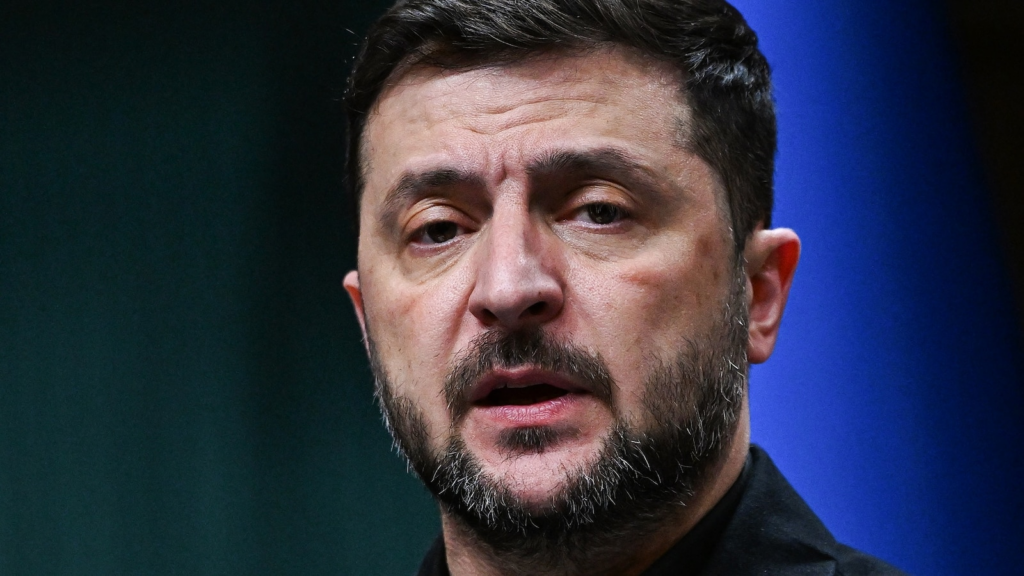
Ukrainian President Volodymyr Zelensky is adamant about maintaining Ukraine’s sovereignty while addressing the daunting issues surrounding territorial control. His recent meeting with President Macron suggests a united front among European nations in protecting Ukraine’s interests. The complexity of these discussions is further amplified by the input of various leaders, including UK Prime Minister Sir Keir Starmer, who are collectively advocating for Ukraine’s right to maintain its territorial integrity against ongoing Russian demands. Thus, the interplay among these key players is critical to shaping the narrative and eventual outcomes of the peace talks.
Revising the US-Russia Peace Agreement: Challenges Ahead in Moscow Talks and Perspectives of Key Leaders
The review of the US-Russia peace agreement in the context of the Moscow talks illustrates the fraught atmosphere surrounding the negotiations. While the US has shown a willingness to amend the draft proposal to be more inclusive, there remains significant skepticism from Ukrainian officials who perceive it to be overly favorable to Moscow. The concerns surrounding the initial draft reflect deep-seated mistrust and highlight the need for ongoing diplomatic adjustments as Ukrainian representatives feel pressure to concede to Russian territorial demands.
Additionally, the negotiations’ complexity lies in the necessity of aligning the preferences of multiple nations while respecting Ukraine’s perspective. Leaders like Macron have continually emphasized the importance of Ukraine’s input in any final agreement, acknowledging that territorial concessions cannot be made without Zelensky’s consent. This emphasis on sovereignty is critical in negotiating peace; without it, the potential for a sustainable agreement is undermined, leaving open questions about the effectiveness of any US-Russia peace resolution that does not honor Ukraine’s self-determination.
The Territorial Issue: A Major Sticking Point
The issue of territory remains a critical obstacle in the Ukraine peace talks. President Zelensky has explicitly identified territorial concessions as the most challenging aspect of negotiations, particularly concerning the regions controlled by Russia in eastern Ukraine. With Moscow’s demand for control over these areas, Kyiv finds itself in a precarious position, navigating national pride while seeking a resolution to the ongoing conflict. The territorial disputes touch on core issues of Ukrainian national identity, making concessions particularly contentious.
Moreover, as conversations progress, the emphasis on Ukraine’s territorial rights juxtaposed with Moscow’s initial proposals raises questions about the viability of the peace agreement. If Ukraine’s sovereignty is compromised, the implications could extend beyond just the immediate conflict, affecting regional stability in Eastern Europe. Therefore, achieving consensus on the territorial debate is paramount, not only for the future of Ukraine but also for broader European security, as the outcome could set a precedent for future disputes in the region.
The Role of European Leaders in Ukrainian Peace Initiatives
European leaders play an indispensable role in the Ukraine peace initiative, lending weight to diplomatic conversations that encompass not only Ukraine’s concerns but also the security of the entire region. Macron’s participation is a testament to France’s commitment to ensuring that the negotiations respect the sovereignty of Ukraine while facilitating a constructive dialogue with Russia. The meetings aim to incorporate the voices of various European leaders who express support for Ukraine’s aspirations without sidelining their own security interests within the continent.
Furthermore, the EU’s involvement is essential in addressing security guarantees that could prevent future aggressions against Ukraine. European officials, through platforms such as the EU foreign policy chief, have emphasized that any final agreement should stem from a collaborative effort involving all key players. The overarching goal is to create an environment that not only secures a peace treaty but also fortifies Ukraine’s position on the European stage, preventing future instability that may arise from unresolved territorial disputes.
Putin and Zelensky: Diverging Visions for Peace
The divergent visions for peace championed by Putin and Zelensky underscore the challenges faced in the ongoing negotiations. Putin’s perspective appears focused on territorial gain and influence within Ukraine, reinforcing Russia’s historical claims over certain regions. In contrast, Zelensky’s vision is centered on restoring Ukraine’s sovereignty and territorial integrity while securing binding agreements that protect the nation from future aggressions. This juxtaposition complicates the prospect of a unified peace agreement, as the fundamental goals of each leader collide.
The nationwide sentiment within Ukraine, as articulated by Zelensky, echoes the call for acknowledgment of territorial sovereignty—an essential condition for any peace talks to progress credibly. There lies a critical need for both leaders to reconcile these opposing views to pave the way for a sustainable resolution that respects Ukraine’s right to self-determination. Only through recognizing the complexity of their positions can a meaningful dialogue emerge that addresses the concerns of both nations.
Security Guarantees: A Central Theme in Diplomatic Talks
The negotiations surrounding security guarantees represent a central theme in the diplomatic talks between the US, Ukraine, and Russia. These guarantees are a vital component for Ukraine as it seeks assurances against future military aggression. President Zelensky’s persistent calls for NATO membership highlight the urgency felt in Kyiv regarding their national defense, particularly in light of the ongoing hostilities initiated by Russia. The discussions underscore the importance of not only achieving a cessation of current conflicts but also establishing frameworks that deterrent future aggressions.
On the other hand, Russia’s resistance to Ukraine joining NATO reflects its broader security anxieties and historical context of geopolitical rivalry. This standoff in perspectives complicates the diplomatic landscape, raising the stakes of achieving a mutually acceptable framework for security. European leaders, aware of these dynamics, advocate for guarantees that respect Ukraine’s sovereignty while assuaging Russia’s fears, aiming for a balanced approach that ensures regional stability and peace.
The Importance of International Support for Ukraine
International support for Ukraine is essential in navigating the complexities of current negotiations and creating a robust framework for peace. The collective backing from the US, NATO, and European nations galvanizes Ukraine’s position in the talks, providing a counterbalance to Russia’s demands and helping maintain pressure for a favorable resolution. This support is particularly significant as it reflects a commitment to upholding democratic values and international law, emphasizing that aggression against a sovereign nation cannot be tolerated.
Moreover, the commitment of international actors can enhance Ukraine’s strategic options in negotiations, allowing for greater flexibility without compromising on critical issues such as territorial integrity. Active engagement from allies demonstrates a collective stance against possible concessions that would violate Ukraine’s sovereignty. This unity among Western nations serves not only as a safeguard to Ukraine’s current challenges but also as a foundation for sustained support in building a more secure future.
Negotiating the Future: The Road Ahead for Ukraine and Russia
As negotiations progress, the road ahead for Ukraine and Russia remains fraught with challenges and opportunities. The willingness of both parties to engage in dialogue marks a critical juncture in the quest for peace. Yet, achieving a sustainable resolution will likely require considerable concessions and compromises that may test the limits of each nation’s redlines. The dynamics witnessed in the talks echo a complex interplay of diplomatic strategies, where both sides seek not to lose sight of their national interests while attempting to arrive at a mutually agreeable outcome.
Looking ahead, the importance of maintaining an open line of communication cannot be overstated. As both nations grapple with territorial disputes and security concerns, fostering an environment conducive to ongoing dialogue will be essential. This collaborative approach may facilitate confidence-building measures that could offer pathways to reconciliation. Ultimately, the success of these negotiations in shaping a stable future for Ukraine and Russia hinges on a commitment from both sides to prioritize peace and bilateral understanding over historical grievances.
Frequently Asked Questions
What are the key topics discussed in the Ukraine peace talks among world leaders?
The Ukraine peace talks focus on several key topics, including Ukraine’s sovereignty, territorial disputes, and security guarantees for Ukraine. Leaders like Zelensky and Macron emphasize that any agreement must respect Ukraine’s territorial integrity and involve serious discussions regarding the status of eastern regions occupied by Russia.
How do Putin and Trump’s negotiations influence the outcome of the Ukraine peace talks?
Putin and Trump’s negotiations significantly influence the Ukraine peace talks by positioning the US as a mediator and offering a US-backed peace plan viewed as more favorable to Russia. The involvement of US officials like special envoy Steve Witkoff indicates a strategic effort to create a working relationship that addresses both Ukrainian needs and Russian demands.
What concerns does Ukraine’s President Zelensky have regarding the current peace talks?
President Zelensky has expressed concerns regarding the territorial concessions that Russia demands, which he views as unacceptable. He insists that Ukraine’s sovereignty must be upheld in the peace talks, and he has highlighted the difficulty of navigating the territorial issues as the primary obstacle to a successful agreement.
What role does the US play in facilitating the Ukraine peace agreement?
The US plays a pivotal role in facilitating the Ukraine peace agreement by providing diplomatic support and proposing a peace plan. US officials, including Trump’s envoy, engage in negotiations that aim to refine the proposals to meet both Ukrainian and Russian expectations, reflecting the complex interests involved in the conflict.
How does the Zelensky-Macron meeting contribute to the Ukraine peace talks?
The Zelensky-Macron meeting contributes significantly to the Ukraine peace talks by clarifying Ukraine’s position and priorities, particularly regarding sovereignty and security guarantees. Macron’s insistence on European involvement underscores the need for a collective approach in drafting any peace agreement that involves Ukraine.
Why is the issue of Ukraine’s sovereignty critical in the peace negotiations?
Ukraine’s sovereignty is critical in the peace negotiations because any agreement that undermines it could lead to long-term instability and future conflicts. The demand for territory from Russia poses a direct challenge to Ukraine’s independence, making it a non-negotiable point for Ukrainian officials during discussions.
What are the implications of a US-Russia peace agreement on Europe?
A US-Russia peace agreement has significant implications for Europe, particularly in terms of security dynamics and economic stability. European leaders are concerned that an agreement favoring Russian demands could destabilize the region and undermine NATO’s security framework, making their involvement in negotiations essential.
How are security guarantees for Ukraine being addressed in the peace talks?
Security guarantees for Ukraine are a contentious issue being addressed in the peace talks, with Ukraine seeking NATO membership and the backing of European allies. The discussions focus on establishing robust guarantees to ensure Ukraine’s defense against future Russian aggression, which Russia opposes.
What is the significance of this week’s negotiations in Moscow for the future of Ukraine?
This week’s negotiations in Moscow are significant as they may determine the immediate future of Ukraine in its struggle against Russian aggression. The outcomes could influence the trajectory of peace efforts, the status of territorial disputes, and the broader geopolitical landscape in Europe.
What are the perspectives of European leaders on the peace negotiations?
European leaders, like Macron and Kaja Kallas, express the necessity of involving Ukraine in the peace negotiations and ensuring that any proposed agreements respect Ukraine’s sovereignty. They highlight the importance of collective European support in shaping the terms of any peace deal to ensure regional stability.
| Key Point | Details |
|---|---|
| Meeting of Key Players | Russian President Vladimir Putin is set to meet US special envoy Steve Witkoff and Jared Kushner in Moscow. |
| Negotiations Background | Previous talks in Florida involved Ukrainian and US officials focusing on a US-backed peace plan. |
| Ukraine’s Position | President Zelensky emphasized the need for sovereignty and security guarantees during peace talks. |
| Tough Negotiations Ahead | Zelensky described some issues in the negotiations as “tough” especially regarding territorial control. |
| International Involvement | European leaders, including Macron, are involved to ensure Ukrainian interests are prioritized. |
| Territorial Concerns | The territorial issue is a key sticking point, with Russia demanding control of eastern territories. |
| US-Russia Draft Plan | A US-proposed draft plan was shared but faced skepticism from both Kyiv and Moscow. |
| Future Security Guarantees | Guarantees for Ukraine’s security, possibly NATO membership, are contentious in negotiations. |
| Russian Military Movements | Reports of Russia capturing strategic towns, though Ukraine has not confirmed these losses. |
Summary
The Ukraine peace talks are currently at a pivotal moment as key leaders gather in Moscow to forge a resolution to the ongoing conflict. With discussions involving high-profile representatives from the US and Ukraine, including President Zelensky, the focus remains on achieving a viable agreement that respects Ukraine’s sovereignty. However, significant challenges lie ahead, particularly surrounding territorial concessions and security guarantees. The outcome of these negotiations could shape the future of Ukraine as it seeks stability and peace.