Listen to this article
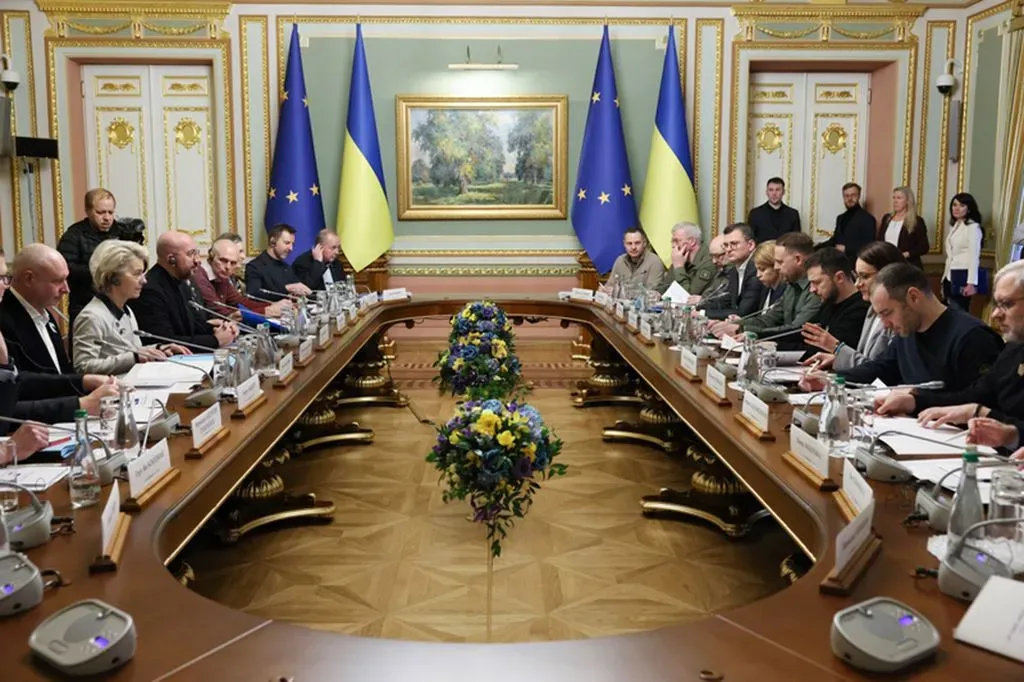
The Ukraine peace plan put forth by President Volodymyr Zelensky aims to bring a resolution to the ongoing conflict with Russia by proposing demilitarized zones and security guarantees. This plan outlines crucial negotiations involving the US and NATO, emphasizing Ukraine’s strategic interests, particularly in the Donbas region. The introduction of a 20-point framework focuses on establishing safe zones that would enhance regional stability and management of territorial disputes, a critical focal point for Ukraine-Russia negotiations. By seeking the withdrawal of troops and implementing a free economic zone, Zelensky’s strategy hopes to lay the groundwork for a sustainable peace that respects Ukraine’s sovereignty. Coupled with pledges from US security guarantees, the peace plan illustrates an ambitious effort to end hostilities and secure Ukraine’s future, including its potential NATO membership.
In efforts to resolve the conflict in Ukraine, the recent peace initiative serves as a beacon of hope for peace advocates worldwide. Zelensky has proposed a comprehensive strategy aimed at de-escalating tensions with Russia while ensuring the protection of Ukrainian sovereignty and territorial integrity. This diplomatic approach promotes the establishment of neutral zones and suggests economic solutions, particularly in areas like Donetsk, which have been deeply affected by the war. As discussions revolve around international guarantees and cooperative military frameworks, the prospect of Ukraine’s affiliation with NATO remains a topic of considerable interest. The call for a referendum highlights the democratic spirit underlying this negotiation process, fostering broad support among citizens for a peaceful resolution.
Zelensky’s Ukraine Peace Plan: Key Features and Implications
Ukrainian President Volodymyr Zelensky has unveiled a significant peace plan aimed at resolving the ongoing conflict in Ukraine. This 20-point plan, agreed upon by US and Ukrainian diplomats, proposes a framework for establishing demilitarized zones where Ukrainian forces would withdraw from the eastern territories currently under siege. The implications of this plan reach far beyond military strategy, as it incorporates comprehensive security guarantees from the United States, NATO, and European allies. These guarantees are particularly essential to ensure a coordinated response against any future aggression by Russia, reinforcing Ukraine’s commitment to its territorial integrity.
In detailing the peace plan, Zelensky emphasizes the importance of creating ‘free economic zones’ within the contested Donbas region. By doing so, he aims to revitalize the local economy while maintaining security oversight by Ukrainian forces. This approach reflects a strategic pivot towards negotiations that consider Russia’s demands, while simultaneously underscoring Ukraine’s sovereignty. Critics, however, remain skeptical of the plan’s viability, questioning whether Russia will reciprocate by honoring any demilitarization if it is short-lived. The success of this proposal remains contingent upon the ongoing negotiations and collaborative efforts among international stakeholders.
The Role of US Security Guarantees in the Peace Process
Central to Zelensky’s peace plan is the inclusion of robust security guarantees from the United States and NATO. The proposed guarantees are not only a protective measure for Ukraine but also represent a significant shift in US foreign policy regarding Eastern Europe. By committing to defend Ukraine, the US aims to deter further Russian aggression while solidifying its geopolitical interests in the region. This alignment is critical, especially given past incidents where US assistance has mitigated potential escalations.
These security assurances come as a response to Russia’s longstanding military posture and expansionist tendencies in Ukraine. As Zelensky articulated, should these guarantees be effectively implemented, Ukraine would be better positioned to navigate the complexities of the peace negotiations. Furthermore, with the assurance of military support, Ukrainian troops can focus on protecting their territorial claims, particularly in the Donbas region. The emphasis on these security guarantees underscores the importance of cooperative defense strategies in addressing threats to sovereignty and regional stability.
Demilitarized Zones: A Solution to Ongoing Conflicts?
The establishment of demilitarized zones, as proposed in Zelensky’s peace plan, holds potential as a practical solution to ongoing conflicts. These zones can provide a buffer between opposing forces, reducing the likelihood of skirmishes and unintended escalations. However, this approach is reliant on a high degree of trust and compliance from both sides, which has historically been a significant hurdle in the Ukraine-Russia negotiations. The efficacy of demilitarized zones thus depends not only on territorial limits but also on the enforcement mechanisms in place to maintain peace.
Critics of demilitarization argue that it may embolden Russian forces to assert further claims in the region while undermining Ukraine’s defensive capabilities. For a demilitarized zone to be successful, international oversight and monitoring would be required to ensure compliance and prevent violations of the peace agreement. Zelensky’s vision for the demilitarized zones includes the possibility of international forces to oversee the situation, underscoring the necessity of external involvement in ensuring a balanced and fair implementation.
Navigating Territorial Disputes in the Donbas Region
Territorial disputes have been at the heart of the Ukraine conflict, particularly concerning the Donbas region, which has seen significant military engagement over the years. Zelensky’s peace plan attempts to address these grievances by introducing the concept of a ‘free economic zone’ that would operate under Ukrainian jurisdiction. This approach reflects an effort to accommodate some of the demands from Russia while maintaining Ukraine’s sovereignty, which is a delicate balancing act required in these negotiations.
The success of establishing a free economic zone hinges on widespread support among Ukrainian citizens, as any change to territorial integrity must be endorsed by a referendum, according to Zelensky. This complicates the situation further, as public sentiment can vary significantly regarding negotiations perceived to favor Russian interests. The challenge will be ensuring that any outcomes are not only politically acceptable but also contribute to long-term peace and stability in the region.
Prospects for Ukraine’s NATO Membership Amidst Conflict
Amidst the discussions of peace plans and military de-escalation, the issue of Ukraine’s potential NATO membership remains a contentious topic. Zelensky’s peace proposals include considerations around NATO as a security partner, reflecting Ukraine’s ongoing aspiration to join the alliance. This aspiration has frequently been a point of contention with Russia, which views Ukraine’s NATO ambitions as a direct threat to its influence in the region.
The inclusion of NATO-related clauses in the peace plan may serve as both a reassurance for Ukraine’s sovereignty and a potential stumbling block in negotiations with Russia. While NATO membership could ultimately bolster Ukraine’s defense capabilities against aggression, it also risks provoking further hostility from Moscow. Zelensky’s balancing act involves leveraging NATO’s support while navigating the complexities of a peace deal that must also appeal to Russian interests for negotiations to progress.
The Importance of Economic Zones in the Future of Donbas
Establishing ‘economic zones’ in the Donbas region is a crucial element of Zelensky’s peace proposals. These economic zones are intended to foster stability and revive local economies, which have been severely impacted by the ongoing conflict. By allowing for increased economic activity, the hope is to create a foundation for long-term peace and integration, while simultaneously addressing the needs of individuals affected by the war.
Moreover, economic zones could serve as a vehicle for international investment, potentially drawing in funds that would facilitate reconstruction and development. However, to realize the full potential of these zones, solid governance and administrative frameworks must be in place. Zelensky’s vision emphasizes that these zones should remain under Ukrainian control to ensure that they effectively benefit local populations and contribute positively to regional peace efforts.
Challenges of a Referendum on the Peace Plan
One of the most significant challenges facing Zelensky’s peace plan is the necessity of conducting a referendum to gain public support for its key elements, especially the establishment of economic zones in Donetsk. A referendum serves as a democratic means to gauge public sentiment and validate the government’s decisions. However, it also presents substantial risks, as the political climate in Ukraine remains deeply polarized over issues related to territorial concessions and the impact of the war.
Conducting a referendum requires careful planning and a transparent process to ensure legitimacy. The government must address the concerns of citizens who might feel vulnerable in light of compromises made with Russia. Engaging with the public effectively and presenting compelling arguments for the benefits of the peace plan will be vital to achieve a positive outcome and secure the necessary backing for implementation.
Impact on Ukraine’s EU Accession Aspirations
The proposed peace plan by Zelensky also outlines a roadmap for Ukraine’s aspirations to join the European Union (EU). While the plan reflects a commitment to further integration with European structures, the accession process is multifaceted, often requiring comprehensive reforms and compliance with EU standards. Amidst the ongoing conflict, Ukraine’s bid for membership is complicated, highlighting the necessity of aligning internal capabilities with external expectations.
EU membership could offer Ukraine substantial economic and political stability, allowing it to rebuild post-war while benefiting from the collective security mechanisms offered by the union. However, this journey is fraught with challenges, including meeting the criteria set by existing EU member states and the geopolitical tensions with Russia, which may cause friction in negotiations. Successful navigation of this path requires both domestic unity and strategic diplomacy within the context of the ongoing peace efforts.
Future Military Strength and Defense Strategies for Ukraine
Zelensky’s peace plan emphasizes a substantial military presence for Ukraine, proposing a maximum strength of 800,000 personnel even in peacetime. This strategic approach aims to deter future aggression from Russia while asserting Ukraine’s sovereignty more forcefully. The continuous strengthening of the military is seen as vital for maintaining a defensive posture, particularly in light of Russia’s threatening maneuvers along the eastern border.
Additionally, reiterating military readiness in the peace plan speaks to the desire to uphold national security in a volatile region. While negotiations and political solutions are essential, the maintenance of a capable military force will serve as a deterrent against potential violations of peace agreements, securing both territorial integrity and autonomy for Ukraine in the face of ongoing threats.
Frequently Asked Questions
What are the key points of the Ukraine peace plan proposed by Zelensky?
The Ukraine peace plan proposed by Zelensky includes several crucial elements: the establishment of demilitarized zones in Donetsk, security guarantees from the US, NATO, and Europe, and the creation of a free economic zone in the Donbas region. This plan aims to halt hostilities and ensure a coordinated military response should Russia attack again.
How does Zelensky’s peace plan address security guarantees for Ukraine?
Zelensky’s peace plan emphasizes strong security guarantees for Ukraine from the US and NATO, mirroring Article Five of NATO, which commits members to mutual defense. These guarantees are vital to deter further Russian aggression while Ukraine seeks to maintain a military strength of up to 800,000 during peacetime.
What is the significance of demilitarized zones in the Ukraine peace plan?
The demilitarized zones proposed in Zelensky’s Ukraine peace plan are designed to reduce troop presence and tensions in contested areas, particularly in Donetsk. This approach aims to create a buffer that would help stabilize the situation while negotiations about territorial disputes continue.
What role does the Donbas region play in the Ukraine peace plan?
The Donbas region is central to Zelensky’s Ukraine peace plan, with discussions on establishing a free economic zone and demilitarized areas to facilitate peace negotiations. The plan recognizes the need for Ukrainian administration in any economic zones and outlines conditions for potential troop withdrawals.
Will the Ukraine peace plan affect Ukraine’s NATO membership ambitions?
The latest Ukraine peace plan does not include clauses that prevent Ukraine from joining NATO, which aligns with Ukraine’s long-standing goal of NATO membership. This response highlights the ongoing commitment of Ukraine to pursue closer ties with NATO amidst the conflict with Russia.
How does the US involvement shape the Ukraine peace negotiations according to Zelensky’s plan?
US involvement is crucial in Zelensky’s peace negotiations, as the plan includes security guarantees from the US, along with a coordinated military response to potential Russian aggression. The US aims to negotiate terms that ensure Ukraine’s sovereignty and territorial integrity.
What are the implications of a potential free economic zone in the Donbas region as per the Ukraine peace plan?
A free economic zone in the Donbas region, as outlined in the Ukraine peace plan, could provide economic stability and incentive for investment in a war-torn area. However, Zelensky stresses that it must be under Ukrainian administration and policing, ensuring it doesn’t fall under Russian control.
What are the next steps for the Ukraine peace plan according to Zelensky?
Following the proposal, Zelensky indicates that discussions will continue, and a referendum may be needed to solidify the peace plan, particularly regarding the establishment of a free economic zone. The plan’s success hinges on mutual agreement and compliance from Russia, as well as international support.
How does the Ukraine peace plan address the humanitarian situation in conflict zones?
Zelensky’s Ukraine peace plan indirectly addresses the humanitarian situation by aiming to stabilize regions through demilitarized zones and a free economic zone, which could lead to better living conditions. Ongoing negotiations will also need to focus on humanitarian aid and assistance for affected populations.
What challenges does the Ukraine peace plan face in achieving a lasting resolution?
The Ukraine peace plan faces significant challenges, including Russia’s insistence on territorial concessions and its opposition to international policing of the peace deal. Additionally, internal political dynamics and differing views on security guarantees will affect the potential success of the proposed framework.
| Key Point | Details |
|---|---|
| Demilitarized Zones | Proposal includes withdrawing Ukrainian troops and establishing a demilitarized zone. |
| 20-Point Plan | Updated plan agreed upon by US and Ukraine, focused on peace and security guarantees. |
| Security Guarantees | Involves commitments from US, NATO, and Europe against future Russian aggression. |
| Economic Zones | Potential establishment of ‘free economic zones’ in eastern Ukraine to aid local economies. |
| Territorial Disputes | Resolution of issues to be handled at leadership levels; Russian withdrawal conditional on Ukrainian concessions. |
| Military Force | Plan includes maintaining a Ukrainian military force of up to 800,000. |
| Nuclear Plant Proposal | Joint US, Ukraine, and Russia operation suggested, but Ukraine disagrees. |
| EU Membership | Ukraine is vying for EU membership with a specified date for accession. |
| Investment Fund | Proposal for a $200 billion investment fund by the US and Europe. |
| Referendum | A referendum is required to ratify the peace plan. |
Summary
The Ukraine peace plan, as laid out by President Zelensky, is a comprehensive framework aimed at establishing stability and security in the region. This plan seeks to address critical issues including demilitarized zones, economic zones, and territorial disputes, while securing international guarantees against future aggression. It emphasizes the importance of strong military capabilities for Ukraine in a post-war scenario and outlines the necessity for cooperation among Western allies. With the ongoing discussions and negotiations, this peace plan represents a significant step toward resolving one of Europe’s most pressing conflicts.