Listen to this article
The recent Ukraine peace negotiations have taken center stage as President Volodymyr Zelensky addressed the nation, suggesting that a peace agreement with Russia is now “90% ready”. In his New Year address, Zelensky emphasized the importance of the remaining 10%, which holds the key to peace not only for Ukraine but the broader European context. This crucial phase includes discussions on Ukraine’s security guarantees and the contentious issue of Donbas control, where Russia currently has significant territorial claims. Meanwhile, Kremlin statements regarding alleged Ukrainian drone attacks could complicate diplomatic efforts, casting a shadow over the negotiation landscape. As hopes rise for a breakthrough in Ukraine peace negotiations, the international community watches closely to see if these developments can indeed pave the way for lasting peace.
In light of ongoing diplomatic endeavors, discussions surrounding the resolution of the conflict in Ukraine are increasingly critical. The prospect of achieving a diplomatic settlement appears to hinge on the complex interplay between Russia and Ukraine, especially regarding territorial disputes and security arrangements. Notably, President Zelensky’s mention of security assurances highlights the necessity of robust commitments from world powers to support Ukraine’s sovereignty. As negotiating parties grapple with conflicting narratives and military incidents, the urgency for a cohesive peace strategy becomes paramount. The stakes are indeed high as analysts explore alternative pathways that may foster a more stable and secure European future.
Zelensky’s Vision for Ukraine: A Call for Security Guarantees
In his recent New Year address, President Volodymyr Zelensky articulated a compelling vision for Ukraine’s future. He emphasized that the search for a peace agreement to conclude the ongoing war with Russia is remarkably close to fruition, being ‘90% ready.’ Zelensky’s insistence on robust security guarantees reflects his understanding that Ukraine’s sovereignty hinges not just on a cessation of hostilities but on solid commitments from global allies. These security guarantees must be ratified to ensure long-term stability and protect the country from future threats. He pointedly remarked that ‘signatures under weak agreements only fuel war,’ underscoring his intent to avoid any compromises that might jeopardize Ukraine’s integrity and independence.
The fate of Ukraine significantly influences Europe, and Zelensky’s approach seeks to reinforce this connection. He believes that a genuine peace process cannot be piecemeal; it must encapsulate comprehensive security frameworks that deter any future aggressions. In light of the Kremlin’s ongoing assertions and aggressive posturing, the necessity for clear and enforceable agreements becomes even more pressing. Without a steadfast commitment from powerful allies such as the United States and EU nations, the prospect of enduring peace remains tenuous.
Moreover, Zelensky’s call for security guarantees was not just rhetoric; it was a strategic move to gain stronger backing from international partners. By highlighting this in his address, he aimed to shift the narrative towards a more proactive engagement from Western allies, ensuring that Ukraine isn’t left vulnerable. The support expressed by leaders during the talks post-address suggests that there is a collective acknowledgment of the need for unwavering support for Ukraine’s defense. As discussions progress, the establishment of these guarantees will be central to any negotiations moving forward, especially considering the delicate situation in the contested Donbas region, where Russian control remains a formidable barrier to peace.
The Implications of Russia’s Position in Peace Negotiations
The Kremlin’s statements regarding the ongoing peace negotiations and recent allegations against Ukraine reflect its desire to reshape the narrative surrounding the war. Amid discussions about a potential peace agreement, Russia has asserted that it will reassess its position following claims of drone attacks targeting President Putin’s residence. This announcement introduces an element of unpredictability into the negotiation process, as it suggests that Moscow is willing to use provocations to justify a hardline stance in talks. Given the volatile nature of the situation, any claim from Russia could substantially delay or derail progress toward a peace agreement, showcasing the fragility of diplomatic efforts amid escalating tensions.
Furthermore, the Kremlin’s attempts to label the conflict as a ‘special military operation’ while simultaneously presenting aggressively framed narratives indicates a strategic maneuver to garner domestic support. By painting Ukraine as a threat, Russia seeks to reinforce its justification for continued military action in the region, undermining international calls for peace. Analysts suggest that without a significant alteration in Moscow’s rhetoric or military strategy, achieving a favorable outcome for negotiations may prove elusive. This situation complicates Zelensky’s quest for security guarantees, as the unpredictability of the Kremlin’s engagement could thwart any diplomatic resolutions aimed at stabilizing the region.
Russia’s insistence on maintaining control over the Donbas further complicates peace efforts. As Zelensky pointed out, any concession in this area could lead to catastrophic outcomes for Ukraine. The balance of power in this region is crucial not only for military strategy but also for the psyche of the Ukrainian populace, which has suffered significantly under continuous assault. Peace negotiations that acknowledge the legitimacy of Russia’s territorial ambitions could weaken Ukraine’s sovereignty and embolden further aggression from the Kremlin. Thus, the Ukrainian position encapsulates both a desire for peace and a commitment to preserving its territorial integrity, making the forthcoming negotiations critical.
International Repercussions of the Ukraine Conflict
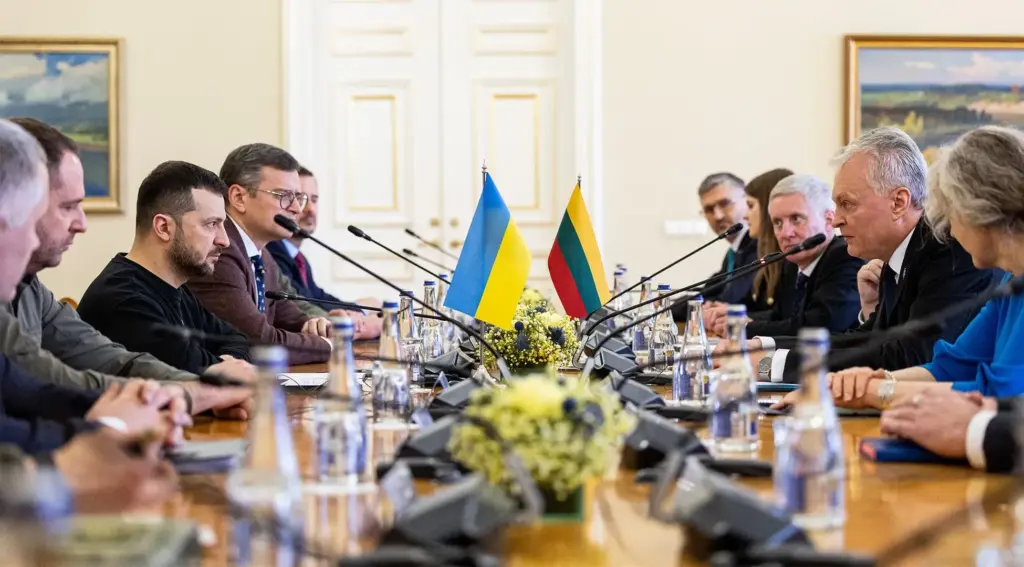
The conflict in Ukraine has implications that extend far beyond its borders, influencing global geopolitical dynamics. As leaders from various nations respond to President Zelensky’s New Year address and the evolving situation, the urgency for a comprehensive resolution has intensified. The involvement of major powers like the United States, exemplified by the recent talks among U.S. officials and European allies, highlights the global stakes attached to the conflict. These discussions are not only focused on peace negotiations but also on strengthening security guarantees that are vital for Ukraine’s defense, underlining a collective international resolve to safeguard Ukraine’s autonomy.
Moreover, the dynamics of the conflict have spurred increased military and strategic cooperation among allied nations, demonstrating a united front against potential Russian expansionism. Nations like France and Germany are stepping up their commitments, with plans to hold key meetings aimed at developing effective strategies that ensure Ukraine’s long-term security. However, the complexity of aligning diverse national interests while addressing the immediate needs of Ukraine underscores the challenges that lie ahead in achieving a lasting peace.
Furthermore, the involvement of nations such as North Korea, which has pledged support to Russia, complicates the landscape further. Kim Jong Un’s resonation of solidarity with Russia paves the way for potential military collaborations, thus threatening to exacerbate tensions not just in Ukraine but across broader international fronts. The intertwining of alliances highlights the conflict as a crucible of not just regional strife, but a battleground for competing ideologies and power structures on the world stage. As such, any resolution must consider the ramifications of these alliances, ensuring that the outcome does not inadvertently fuel larger conflicts globally.
Culmination of Determining Factors in the Peace Agreement
As the specifics of the peace negotiations between Ukraine and Russia unfold, it’s crucial to analyze the factors influencing the dialogue. President Zelensky’s emphasis on not accepting peace ‘at any cost’ underscores a pivotal moment in Ukraine’s war strategy. His resolve indicates a collective national sentiment against acquiescing to Russian demands that threaten the very fabric of Ukrainian sovereignty. This determination to protect territorial integrity, particularly in the contested Donbas region, is driven by the stark realities on the ground, where approximately 75% of Donetsk and nearly all of Luhansk are under Russian control. This scenario makes the negotiating table a delicate arena, where compromises could have far-reaching consequences.
Additionally, the influence of international actors in these negotiations cannot be understated. With U.S. and European nations closely monitoring the situation, any agreements reached will bear the weight of global expectations and scrutiny. The recent statements made by leaders regarding their commitment to supporting Ukraine highlight a crucial backing that could serve as a deterrent against further Russian aggression. The interplay of these elements will heavily affect the negotiations, making the quest for a definitive peace agreement increasingly complex.
Ultimately, the outcome of these negotiations will depend significantly on the mutual willingness of both parties to reach an acceptable conclusion. However, with the Kremlin’s continued assertion of its claims and the implications of recent events, the trajectory towards finding common ground appears fraught with challenges. Zelensky’s administration will need to navigate the intricacies of both regional dynamics and global pressures to cement a resolution that is not only immediate but also sustainable in the long term. Balancing the pursuit of peace with the necessity of sovereignty remains the central theme as negotiations continue to develop.
The Role of International Allies in Ukraine’s Future
In the wake of ongoing conflicts, the role of international allies has been pivotal in shaping Ukraine’s strategic response to Russia’s aggression. President Zelensky’s proactive approach in securing commitments from international leaders is a testament to his belief that Ukraine’s future stability depends largely on external support. Throughout his address, he recognized the significance of the backing from allies, calling for security guarantees that translate intentions into concrete actions. This mutual partnership is not only about providing military aid but also encompasses a broader strategy aimed at ensuring Ukraine’s political and economic resilience against external pressures.
As negotiations progress, the involvement of nations like the U.S., UK, and EU becomes increasingly critical. Joint discussions on enhancing security guarantees illustrate a united front that aims to deter further Russian advancements. The commitment to standing by Ukraine during these tumultuous times signifies an acknowledgment of shared democratic values and the necessity of defending them against authoritarianism. This solidarity can potentially bolster Ukraine’s bargaining power in negotiations with the Kremlin, reinforcing that any peace agreement must respect the principles of sovereignty and territorial integrity.
Moreover, the engagement of European leaders in upcoming meetings signifies a concerted effort by the EU to stabilize the situation in Ukraine. Initiatives such as the commitment to financial and logistical support serve to reinforce the understanding that Ukraine’s security is a collective concern that transcends national borders. Such international collaboration is vital not only for immediate defense but also for laying the groundwork for rebuilding and strengthening Ukraine post-conflict. With rising threats from Russia, the collective action taken by international allies reflects a decisive stand against aggression, ensuring that Ukraine is not standing alone in its pursuit of peace and stability.
Challenges Ahead: Negotiating with an Unyielding Kremlin
The prospect of negotiating with an unyielding Kremlin presents substantial challenges as Ukraine seeks a resolution to the ongoing conflict. President Zelensky’s acknowledgment of the complexities involved, particularly in light of Russia’s maximalist demands regarding the Donbas, sheds light on the intricacies that will define any peace agreement. With the Kremlin firmly entrenched in its position of wanting full control over the disputed regions, the Ukrainian leader’s commitment to sovereignty poses a significant obstacle in the path toward consensus. This situation necessitates a careful calibration of negotiation tactics to ensure that Ukraine does not compromise its territorial integrity in the guise of achieving peace.
In addition, the Kremlin’s unpredictability further complicates matters. As demonstrated by recent allegations regarding drone strikes, Russia may utilize strategic misinformation as leverage in talks, complicating the progress towards dialogue. Zelensky’s statements reflect a vigilant and calculated approach to these challenges, as he continually assesses the implications of Russian maneuvers on the negotiation landscape. The dynamic nature of the negotiation process necessitates that Ukraine remains steadfast while being adaptable to the shifts in Russian strategy.
Additionally, the global context surrounding the negotiations adds layers of complexity. The reactions of international allies to Russia’s latest claims will play a pivotal role in shaping both the negotiations and the public’s perception of the conflict. The calls from figures such as EU diplomats, who have labeled Russian claims as a distraction, are indicative of a broader strategy among allies to underscore their support for Ukraine during these talks. However, as long as the Kremlin continues its aggressive rhetoric and strategy, reaching a viable and sustainable agreement will remain an uphill battle. The challenges expressed by Zelensky reflect an understanding that the road to peace is fraught with barriers—demanding a tactical approach rooted in resilience and a clear vision for a democratic Ukraine.
The Future of the Conflict: Potential for Lasting Peace
The potential for lasting peace in Ukraine hinges on the confluence of effective negotiations, international support, and a commitment from both parties to achieve a resolution that respects Ukraine’s sovereignty. As outlined in Zelensky’s address, the notion of a peace agreement being ‘90% ready’ brings a glimmer of hope to a conflict that has created immense suffering and instability for years. The true test, however, lies in addressing the contentious issues that remain, primarily Russia’s demands for control over territory that is crucial to Ukraine’s identity and economic viability. The ability to navigate these discussions will be decisive in determining whether the fragile peace can be sustained.
Moreover, the involvement of key international allies will be instrumental in creating an environment conducive to lasting peace. The commitments made by leaders in the U.S. and EU to provide security guarantees and financial support are fundamental elements that can assist Ukraine in fortifying its defenses against any future threats. This collaborative effort creates a strong foundation for Ukraine as it engages in negotiations with Russia, signaling that it is not alone in this fight for democracy and sovereignty. As discussions proceed, the readiness of global allies to stand together will play a critical role in the success of any peace initiatives.
Ultimately, the future of Ukraine will depend on the balance struck during these peace negotiations. An agreement that takes into account the realities of the ground situation, while satisfying the security needs of Ukraine, will be paramount in achieving stability. The ongoing dialogue, impacted by both domestic aspirations and foreign interventions, should aim to establish a context where mutual respect and cooperation can flourish. With the right commitments and international solidarity, the vision for a peaceful and prosperous Ukraine can evolve from aspiration to reality, marking a significant milestone not just for Ukraine, but for Europe as a whole.
Frequently Asked Questions
What did Zelensky’s New Year address say about Ukraine peace negotiations?
Ukrainian President Volodymyr Zelensky, in his New Year address, stated that a peace agreement to end the war with Russia is ‘90% ready.’ He emphasized the importance of the remaining 10% in determining the fate of Ukraine and Europe amidst ongoing Ukraine peace negotiations.
How does the situation in Donbas impact Ukraine peace negotiations?
The control of the Donbas region remains a significant barrier in Ukraine peace negotiations. Zelensky warned that a Ukrainian withdrawal from Donbas could lead to dire consequences, as Russia seeks full control over this industrial area, currently holding about 75% of Donetsk and nearly 99% of Luhansk.
What security guarantees are being discussed during Ukraine peace negotiations?
During the Ukraine peace negotiations, Zelensky insisted that any security guarantees must be validated. He mentioned that Washington had proposed security guarantees for a duration of 15 years, but the timeline for their implementation is still uncertain as negotiations continue.
How have Kremlin statements influenced the progress of Ukraine peace negotiations?
Kremlin statements have created hurdles in Ukraine peace negotiations. Following alleged drone attacks on Putin’s residence, Russia has threatened to reassess its position, which could complicate the path to a finalized peace agreement between Ukraine and Russia.
What role do international leaders play in Ukraine peace negotiations?
International leaders are actively involved in Ukraine peace negotiations, as evidenced by discussions between Zelensky and U.S. officials, as well as meetings scheduled with European allies to ensure a just and lasting peace for Ukraine and the continent.
What are the implications of the alleged drone incident for Ukraine peace negotiations?
The alleged drone incident has the potential to stall Ukraine peace negotiations, as the Kremlin’s claims of Ukrainian aggression may distract from the current dialogue and diminish the chances of reaching a consensus between the parties.
What is the significance of Zelensky’s message regarding peace at any cost in negotiations?
Zelensky’s assertion that Ukraine does not want peace ‘at any cost’ highlights the country’s commitment to preserving its sovereignty and integrity in Ukraine peace negotiations, indicating that a favorable and secure outcome is paramount.
What updates are expected in the upcoming discussions regarding Ukraine peace negotiations?
Updates from upcoming discussions are anticipated to focus on strengthening security guarantees and creating effective mechanisms to deconflict tensions, which are crucial for advancing Ukraine peace negotiations.
| Key Points | Details | |
|---|---|---|
| Zelensky’s Statement on Peace Negotiations | Ukrainian President Volodymyr Zelensky claims that a peace agreement with Russia is “90% ready”, with the remaining 10% critical in determining Ukraine and Europe’s fate. | |
| Putin’s Confidence | Russian President Vladimir Putin expresses confidence in his troops and reiterates commitment to the ongoing conflict, framing it as a ‘special military operation’. | |
| Allegations of Drone Attacks | Russia alleges Ukraine used drones to target Putin’s residence, which Ukraine denies. This incident has resulted in Russia reassessing its stance on peace negotiations. | |
| Zelensky on Peace Terms | Zelensky emphasizes Ukraine’s insistence on establishing security guarantees rather than compromising sovereignty, making it clear that a withdrawal from Donbas is unacceptable. | |
| International Support for Ukraine | Zelensky receives support from world leaders. The U.S. offers security guarantees for 15 years, while discussions continue with European allies for peace commitments. | |
| Upcoming Diplomatic Efforts | European states and allies are set to meet in Paris to discuss commitments aimed at ensuring peace and protection for Ukraine. | |
| Peace Negotiation Barriers | The situation is complicated by the control Russia exerts over Donbas and recent escalations, hindering progress in peace negotiations. | |
Summary
Ukraine peace negotiations reached a critical juncture as President Zelensky declared a near-complete peace agreement with Russia. While optimism exists on the Ukrainian side, significant obstacles remain, particularly regarding territorial control in Donbas and allegations that could derail talks. The involvement of international stakeholders, including the U.S. and European allies, is crucial in navigating these complex negotiations and ensuring a lasting peace for Ukraine.