Listen to this article
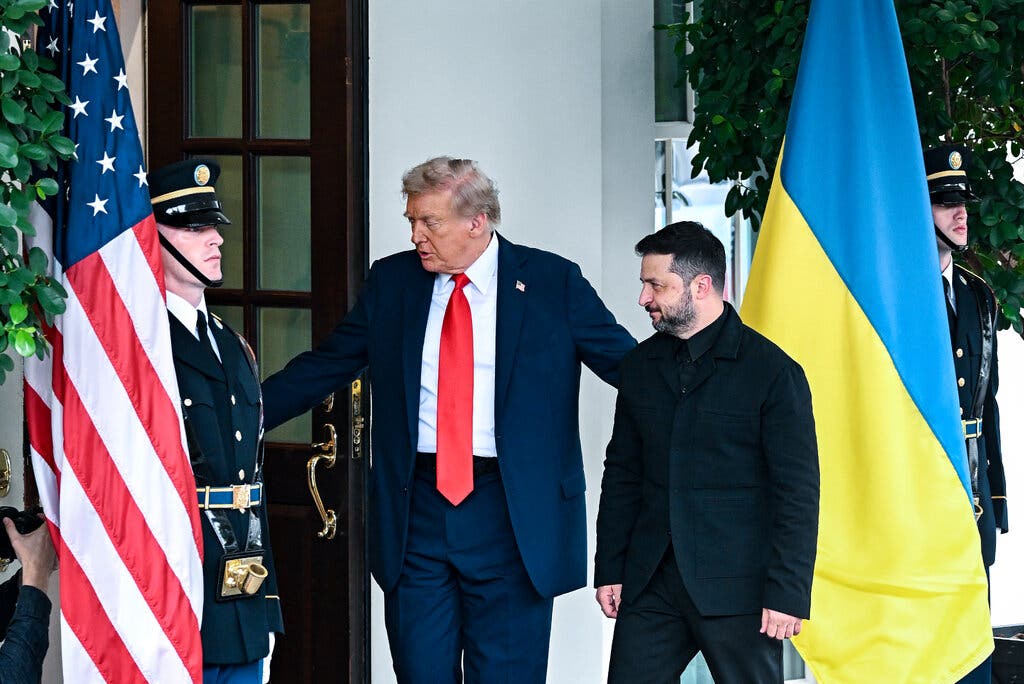
Ukraine peace negotiations are essential components of the ongoing effort to resolve the protracted Russia-Ukraine conflict. As President Volodymyr Zelensky prepares to meet with key European leaders in London, including those from France and Germany, the stakes are higher than ever in securing a future devoid of further aggression from Russia. The discussions are not just bilateral; they represent a broader commitment from NATO and partners to provide vital defense support to Ukraine. Meanwhile, the US is pushing for Kyiv to make concessions, complicating the landscape of the talks. With tensions running high, these negotiations could redefine not only Ukraine’s future but also the geopolitical dynamics of Eastern Europe, amid calls for security guarantees that deter future hostilities.
The prospect of negotiating peace in Ukraine features various diplomatic efforts among international stakeholders seeking to stabilize the region. President Zelensky’s upcoming meeting with key European allies marks a significant moment in the dialogue concerning an end to hostilities that have engulfed Ukraine following Russia’s aggressive maneuvers. As broader peace discussions unfold, the input from NATO allies, particularly the military support pledged by leading European nations, showcases a united front aimed at countering Russian strategies. Additionally, the complex interplay of US-led diplomacy emphasizes the intricate balance of reaching an agreement that ensures Ukraine can navigate its own path without undue influence from Moscow. Ultimately, these recent diplomatic engagements reflect an urgent desire to establish a secure and sovereign Ukraine amidst a backdrop of ongoing conflict.
Zelensky’s London Meeting and Its Implications
President Volodymyr Zelensky’s upcoming meeting in London with key European leaders emphasizes the importance of a united front among Ukraine’s allies as they confront ongoing challenges posed by Russia. The discussions will bring together the leaders of France, Germany, and the UK, focusing on how to effectively deter future Russian aggression through strategic peace negotiations. The intensity of this meeting arises from the need to respond to the increasing pressure from the US on Ukraine to make concessions, which many European leaders view as detrimental to Ukraine’s sovereignty.
This high-profile gathering comes at a crucial time, with reports suggesting that US proposals have leaned heavily in favor of Kremlin demands during recent negotiations. As Zelensky meets with French President Emmanuel Macron and German Chancellor Friedrich Merz, the discussions will likely navigate the fine line between achieving a diplomatic resolution and ensuring that Ukraine remains fortified against any resurgence of Russian military actions.
The Role of NATO in Supporting Ukraine
As Europe’s largest military alliance, NATO plays an essential role in providing defense support to Ukraine while also navigating the complexities of the Russia-Ukraine conflict. At the London meeting, leaders will strategize on how NATO can bolster Ukraine’s defense mechanisms, highlighting initiatives like the proposed Multinational Force Ukraine. This coalition aims to offer significant military support and security guarantees, amplifying Ukraine’s resilience against Russian advances.
While NATO’s involvement is crucial, the discussions about future troop deployments remain fraught with caution. European leaders, including those from Germany and Italy, are wary of sending ground troops, a move that could be perceived as an escalation by the Kremlin. Hence, the focus will be on finding non-confrontational methods to enhance Ukraine’s defense capabilities while ensuring that any commitments made do not exacerbate tensions further.
Challenges in US-Ukraine Peace Talks
The ongoing peace talks between the US and Ukraine have been characterized by significant tension and complexity. President Trump’s recent remarks regarding Zelensky highlight the diplomatic tightrope that Ukraine must walk as it navigates American pressures alongside its national interests. The US has proposed a peace plan requiring Ukraine to make territorial concessions in exchange for a cessation of conflict, which raises serious concerns for Ukraine’s sovereignty and territorial integrity.
As highlighted by the complexities surrounding the Zaporizhzhia nuclear power plant negotiations, the points of contention in these talks reflect the delicate balance of power. Not only do both the US and Ukraine recognize the need for an agreement, but they also acknowledge that concessions could set a precedent for future interactions with Russia that may undermine Ukraine’s long-term security.
Ukraine’s Path Forward Amidst Negotiation Pressures
Despite the mounting pressures to reach an agreement, Zelensky’s administration continues to advocate for a position that preserves Ukraine’s territorial integrity. The uncertainty of negotiations often stirs public debate within Ukraine, balancing calls for peace with the need to resist Russian encroachments. The London meeting could pave the way for a collective European understanding of the stakes involved, highlighting Ukraine’s right to determine its own future without undue influence from Moscow.
Furthermore, the strategic alignment of European nations is crucial, as they aim to navigate U.S. proposals while addressing their own concerns regarding regional security. The emphasis on security guarantees necessitates a robust collective response that underlines Ukraine’s agency and capacity to defend itself, forming a cornerstone of any future peace accord.
Regional Security Guarantees: A Necessity for Ukraine
In light of the ongoing conflict, the demand for substantial security guarantees for Ukraine has gained precedence in diplomatic discussions. As highlighted during the London summit, these commitments are vital to ensure any potential peace deal is not merely a fleeting truce but a durable arrangement that can withstand future crises. European leaders recognize that the stakes extend beyond Ukraine’s borders, affecting regional stability and NATO’s collective security posture.
While the exact nature of these guarantees is still up for debate, the Multinational Force Ukraine proposal signifies a proactive approach. This force, envisioned as a coalition of willing nations, could provide essential military support, further bolstering Ukraine’s defense capabilities in the face of persistent Russian aggression.
European Leaders Address Concerns Over US Involvement
The discussions in London also reflect European leaders’ apprehensions regarding the extent of US involvement in Ukraine’s peace negotiations. As they seek a united front, the leaders of France, Germany, and the UK may push back against proposals perceived as overly lenient toward Russia, which could potentially undermine continental interests. Their influence in these negotiations is crucial not just for Ukraine but for maintaining unified European responses to external threats.
Given the mixed signals from the US and the Kremlin’s ongoing military objectives, European nations are acutely aware that they must advocate for a diplomatic strategy that aligns with their long-term security interests. The outcome of the London meeting may well set a precedent for how European nations engage in future peace proposals and security arrangements.
Zelensky’s Position on Territorial Concessions
One of the most contentious points in negotiations is whether Ukraine will concede control over any territories as proposed by US-led frameworks. Zelensky has maintained a firm stance against trading away any parts of Ukraine’s sovereignty while recognizing the necessity of peace. However, the pressure to fulfill US expectations creates a challenging dynamic that could compromise Ukraine’s territorial claims.
The historic context of the Russia-Ukraine conflict fuels Zelensky’s reluctance, as losing territory could set a harmful precedent. Zelensky’s leadership will be vital in conveying the importance of upholding Ukraine’s territorial integrity to both domestic and international audiences during these negotiations. His ability to negotiate without conceding vital ground will be crucial for Ukraine’s future.
Implications of the Zaporizhzhia Nuclear Facility Negotiations
The future of the Zaporizhzhia nuclear power plant stands as a critical point in ongoing peace discussions. As both Ukraine and Russia eye control over this significant asset, negotiations surrounding its status have gained urgency. The proposed division of energy output between the two nations exemplifies the complexities involved, especially in a landscape where nuclear safety hangs precariously amid military engagements.
The implications of these negotiations extend beyond immediate tactical interests, affecting long-term energy security in the region and international perceptions of nuclear governance. Ensuring a stable and peaceful coexistence regarding the plant’s operation will be paramount in achieving any lasting peace deal between Ukraine and Russia.
Future Prospects for Ukraine’s Membership in NATO
NATO’s role in supporting Ukraine amid the conflict has been underscored during high-level discussions, but the path to Ukraine joining NATO remains fraught with challenges. Russia’s staunch opposition to Ukraine’s NATO aspirations complicates matters, as they perceive the alliance’s expansion as a direct threat. As such, European leaders must navigate these waters delicately, balancing support for Ukraine while addressing Russian security concerns.
The upcoming meeting in London may set the stage for reaffirming NATO’s collective commitment to Ukraine without directly antagonizing Russia. European leaders may advocate for long-term partnerships that include military and financial support, enhancing Ukraine’s capabilities without formally integrating it into the alliance at this juncture.
Frequently Asked Questions
What key topics will be discussed in the Ukraine peace negotiations during Zelensky’s London meeting with European leaders?
During the Ukraine peace negotiations in London, President Zelensky will meet with European leaders to discuss critical issues, including security guarantees for Ukraine, the ongoing situation in the Russia-Ukraine conflict, and potential territorial concessions. The leaders aim to formulate a response to the US proposals and ensure that any peace deal deters future Russian aggression, addressing concerns about NATO defense support for Ukraine.
How is the US influencing Ukraine peace talks through its negotiations with Zelensky?
The US is actively influencing Ukraine peace talks by proposing a multi-point plan designed to end the ongoing conflict. This includes suggestions for Ukraine to withdraw from eastern regions sought by Russia. The discussions in London follow previous talks in Florida, where Zelensky’s negotiator sought modifications to a White House proposal viewed as accommodating to Kremlin demands, reflecting the complex nature of US-Ukraine peace negotiations.
What role will NATO countries play in supporting Ukraine during the peace negotiations?
NATO countries, particularly the UK, France, and Germany, are poised to play a significant role in supporting Ukraine during the peace negotiations. They aim to establish a coalition of nations willing to provide defense support and security guarantees, ensuring Ukraine can secure its future independently. The ongoing discussions in London reflect the intent to solidify NATO’s position in backing Ukraine amid the protracted Russia-Ukraine conflict.
What are the implications of Zelensky’s meeting with European leaders for the outcome of peace negotiations?
Zelensky’s meeting with European leaders could significantly impact the outcome of peace negotiations by consolidating a unified stance among Ukraine’s Western allies. By addressing security guarantees and identifying pathways to deter further Russian aggression, these discussions are critical in shaping the strategy that Ukraine and its allies will adopt toward any proposed peace deal, ultimately influencing the resolution of the Russia-Ukraine conflict.
Why are territorial concessions a contentious issue in the Ukraine peace negotiations?
Territorial concessions remain a contentious issue in the Ukraine peace negotiations due to the significant stakes involved for both Ukraine and Russia. The US has proposed that Ukraine withdraw from certain regions, which Russia seeks to control, in exchange for Russian withdrawals elsewhere. This creates tension as Ukraine navigates its sovereignty and territorial integrity while facing pressures from negotiating parties, including US and European leaders.
What security guarantees are being considered for Ukraine in the context of the peace negotiations?
In the context of the peace negotiations, security guarantees for Ukraine are being actively discussed among European leaders and the US. The focus is on ensuring that any peace agreement includes meaningful commitments that prevent further aggression from Russia. These guarantees are intended to bolster Ukraine’s defense capabilities and provide assurance of support from NATO allies, addressing the need for lasting stability amid the ongoing conflict.
How are the discussions around the Zaporizhzhia nuclear power plant influencing Ukraine’s peace negotiations?
Discussions regarding the Zaporizhzhia nuclear power plant are significantly influencing Ukraine’s peace negotiations due to the facility’s strategic importance and the ongoing hostilities around it. The US-led peace plan includes proposals for sharing energy produced by the plant between Ukraine and Russia. The sensitive nature of these discussions reflects the complexities of negotiating peace, as both sides seek to address critical security and energy concerns.
What has been the response of European leaders regarding the US-led peace plan for Ukraine?
European leaders have expressed concerns about the US-led peace plan for Ukraine, particularly regarding its perceived leniency towards Russian demands. They have pushed back against earlier drafts, advocating for a more balanced approach that guarantees Ukraine’s security and territorial integrity. The ongoing negotiations led by Zelensky in London aim to solidify a response that aligns European interests with the overarching US strategies in the Russia-Ukraine conflict.
What are the potential outcomes of President Zelensky’s London meeting with European leaders?
The potential outcomes of President Zelensky’s London meeting with European leaders could include a strengthened coalition to support Ukraine, advanced discussions on security guarantees, and cohesive strategies for addressing the ongoing Russia-Ukraine conflict. The meeting may also lead to the formulation of a unified response to the US-led peace proposals and a clear commitment to ensure that Ukraine maintains its sovereignty and independence in the face of Russian aggression.
How does the ongoing Russia-Ukraine conflict affect international relations, particularly in Europe?
The ongoing Russia-Ukraine conflict has profound effects on international relations, especially in Europe. It necessitates a reevaluation of security policies and military commitments among NATO countries. European leaders are increasingly focused on consolidating defense strategies and security guarantees for Ukraine, which highlights the broader geopolitical implications, including relations with Russia and the alignment of European defense and foreign policies in response to threats in the region.
| Key Points | Details |
|---|---|
| Zelensky’s Meeting | President Zelensky will meet with European leaders including those from France, Germany, and the UK to discuss peace negotiations. |
| US Involvement | The US has been pushing for concessions from Ukraine in ongoing peace talks. |
| Negotiation Challenges | Tensions exist over territorial concessions and security guarantees as part of any peace deal. |
| Criticism from Trump | Trump expressed disappointment over Zelensky’s knowledge of the proposed peace deal, hinting at ongoing complexities in negotiations. |
| European Leaders’ Role | European leaders are advocating for a robust plan to ensure Ukraine can determine its own future and maintain security. |
| Zaporizhzhia Concerns | Discussions regarding the control of the Zaporizhzhia nuclear power plant are particularly complex and critical to peace talks. |
| Coalition Efforts | The UK and France are leading discussions to form a coalition to provide future defense support. |
Summary
Ukraine peace negotiations are at a critical juncture as President Zelensky meets with European leaders to formulate a unified strategy while navigating complex challenges. The involvement of the US and the ongoing discussions regarding territorial concessions and security guarantees play a significant role in shaping the future of these negotiations. Despite ongoing critiques and historical tensions, the commitment from European allies emphasizes the need for a concrete plan that ensures Ukraine’s sovereignty and security in the aftermath of conflict.