Listen to this article
The ongoing discussions surrounding a Ukraine peace agreement signify a crucial turning point in addressing the prolonged conflict with Russia. As global leaders work collaboratively to establish Ukraine security guarantees, significant emphasis is placed on a potential peace deal with Russia, aimed at ensuring lasting stability in the region. The commitment to enhance military support for Ukraine remains steadfast among its allies, emphasizing the role of international troops in Ukraine should an accord be reached. This peace initiative sheds light on the necessity of effective Ukraine conflict resolution mechanisms that prioritize sovereignty and territorial integrity. With tensions still high, the outcomes of these negotiations will reverberate beyond Ukraine, impacting global geopolitical dynamics.
In the quest for a comprehensive settlement to the strife in Ukraine, the notion of a ceasefire agreement looms large. Diplomatic talks aimed at fostering a peaceful resolution have garnered attention, particularly with the reinforcement of security commitments for Ukraine from allied nations. As discussions progress, the involvement of international forces on Ukrainian soil underscores the complexity of achieving a stable and enduring peace. The collective focus on addressing critical territorial disputes and establishing a framework for military cooperation highlights the intricate dance of diplomacy needed to avert the specter of continued warfare. Ultimately, the success of these diplomatic efforts hinges on the willingness of stakeholders to compromise and work towards a peaceful and secure future.
Potential Ukraine Peace Agreement Discussions
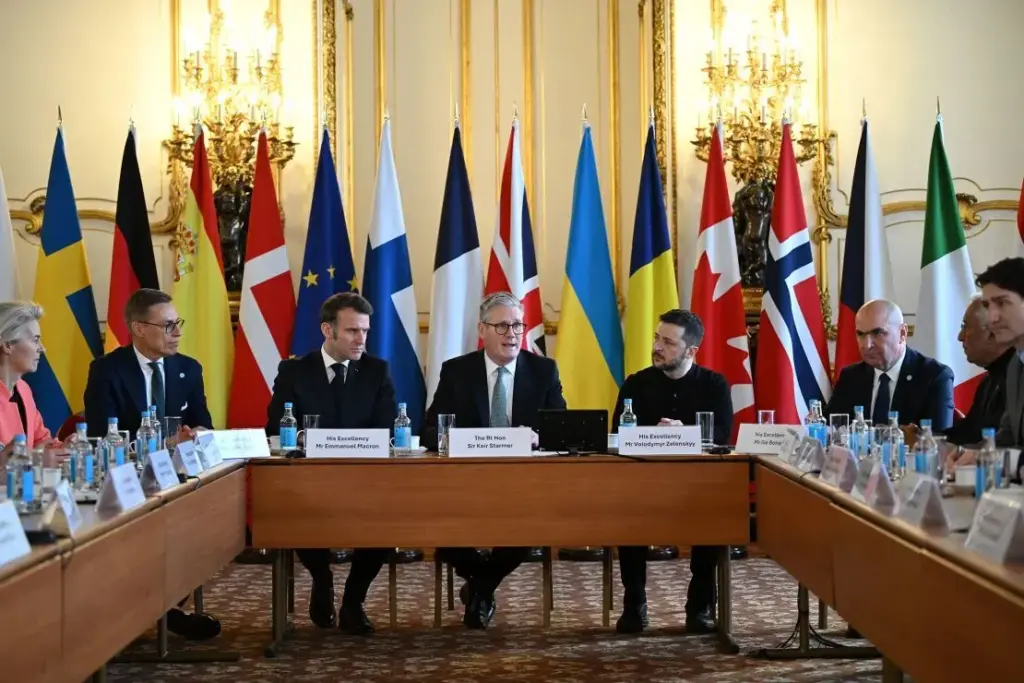
The ongoing discussions surrounding a potential Ukraine peace agreement are crucial in determining the future stability of the region. With UK and French leaders recently signing a declaration of intent for troop deployment, the aim is to establish a significant military presence that may act as a deterrent against further Russian aggression. The introduction of international troops to Ukraine could facilitate a framework of security guarantees, reinforcing the collective commitment of allied nations to support Ukraine’s sovereignty. As these discussions unfold, the landscape of the Ukraine conflict resolution remains dynamic, with various geopolitical implications.
However, reaching a viable peace deal with Russia is riddled with challenges, chiefly concerning territorial disputes that have long impeded progress. Ukrainian President Volodymyr Zelensky has indicated that negotiations are close, claiming that a peace agreement is ‘90% ready’. Yet, ensuring lasting peace hinges on addressing contentious issues, such as the status of Russian-occupied territories in Eastern Ukraine. The international community, especially the US, is seen as pivotal in spearheading the verification processes for any potential ceasefire, ensuring robust security agreements leading to a durable end to hostilities.
Role of Military Support in Conflict Resolution
In the context of the ongoing conflict in Ukraine, military support for Ukraine has been highlighted as a necessary component of effective conflict resolution. The commitment from the UK and France to deploy military hubs in the region reflects a strategic approach aimed at establishing formidable defenses that enhance Ukraine’s sovereignty. By bolstering military capabilities, allies are laying the groundwork for a sustainable security architecture that is integral to long-lasting peace. This military support also serves as a reassurance to the Ukrainian populace, affirming that international partners stand firmly in solidarity.
Moreover, as tensions with Russia persist, the international community’s military backing emerges as a tool for deterrence. Not only does this ensure that Ukraine can uphold its territorial integrity, but it also sends a clear message to Russia regarding the consequences of further aggression. The involvement of international troops, as proposed, is expected to monitor ceasefire agreements and oversee transitional processes, further stabilizing the region. Balancing military aid with diplomatic efforts is critical, as it serves to create a comprehensive strategy for ultimately achieving satisfactory peace terms.
Concerns Persist Over Territorial Disputes and Security Guarantees in Ukraine’s Future Peace Deal
Frequently Asked Questions
What are the key components of the Ukraine peace agreement being discussed?
The Ukraine peace agreement involves multiple crucial elements, including the establishment of robust security guarantees for Ukraine, the deployment of international troops contingent on reaching a peace deal with Russia, and the resolution of territorial disputes. The agreement aims to ensure long-term stability and prevent future conflicts by engaging allies in military support and ceasefire monitoring.
How would the proposed Ukraine security guarantees function?
The proposed Ukraine security guarantees would involve commitments from partnering nations, including the US, to provide military support and monitor the ceasefire. These guarantees are designed to reassure Ukraine of international backing in case of future aggressions, creating a legal framework for foreign forces to operate within Ukraine to bolster its defense capabilities.
What is the role of international troops in the context of a peace deal with Russia?
International troops are envisioned as a part of a comprehensive peace deal with Russia to safeguard Ukrainian sovereignty and deter future invasions. Their deployment, contingent upon a successful peace agreement, aims to provide immediate military support and enforce security protocols that reinforce Ukraine’s defense during the stabilization process.
What is the current status of military support for Ukraine amid peace negotiations?
Military support for Ukraine remains a top priority amid ongoing peace negotiations. The UK and France have committed to enhancing Ukraine’s defense capabilities by potentially establishing military hubs throughout the country, which indicates a strong commitment to ensuring that Ukraine is well-equipped to handle any threats during and after the conflict.
What challenges remain in achieving a successful Ukraine conflict resolution?
Several challenges persist in achieving a successful Ukraine conflict resolution, primarily territorial disputes and the need for Russian cooperation. The ongoing military aggression from Russia complicates negotiations, and the lack of a formal response from Moscow to proposed peace terms remains a significant obstacle in formalizing a peace agreement.
What has been said about the peace deal’s readiness by Ukrainian President Zelensky?
Ukrainian President Volodymyr Zelensky recently stated that the peace deal is “90% ready,” highlighting certain remaining issues that need resolution to finalize the agreement. He emphasized that progress in the negotiations is crucial, but the remaining unresolved matters could significantly impact the deal’s success and the future of Ukraine.
How do international negotiations influence the prospects of a Ukraine peace agreement?
International negotiations play a pivotal role in shaping the prospects of a Ukraine peace agreement by fostering consensus among allies, facilitating robust security guarantee frameworks, and aligning military support efforts. The cooperation between global partners enhances Ukraine’s position in peace talks with Russia and strengthens its capacity to build a sustainable resolution.
What assurances are being offered to Ukrainians regarding future security post-peace deal?
Assurances being offered include comprehensive security guarantees and robust military protocols that aim to prevent future hostilities. It is crucial for Ukrainian officials and allies to establish ‘real backstops’ to ensure long-term safety and stability, allowing for the rebuilding of trust and national security after the peace deal.
What are the implications of territorial disputes on the peace process in Ukraine?
Territorial disputes pose a significant challenge to the peace process in Ukraine, as both sides have conflicting positions on land control. The status of regions held by Russian forces remains contentious, and achieving mutual agreement on territorial integrity is essential for the peace deal’s acceptance and implementation.
What strategies might Ukraine consider to facilitate negotiations with Russia?
Ukraine might consider strategies such as proposing contingent withdrawals of forces alongside guarantees from Russia, fostering dialogue through international mediation, and incentivizing cooperation by involving allied nations to strengthen its bargaining position and ensure a comprehensive approach to conflict resolution.
| Key Aspect | Details |
|---|---|
| Declaration of Intent | The UK and France have signed a declaration regarding troop deployment to Ukraine, contingent on a peace agreement with Russia. |
| Military Hubs | Plans to establish military hubs across Ukraine to deter future invasions and to secure skies and seas. |
| Robust Security Guarantees | Consensus among allies to provide strong security guarantees for Ukraine, with the US leading ceasefire monitoring. |
| Russian Response | Russia warns foreign troops would be legitimate targets; no official reaction yet to the new agreements. |
| Zelensky’s Remarks | Zelensky claims a peace deal is 90% ready, but ‘thorny’ issues could jeopardize it. |
| Geopolitical Challenges | Russia maintains control over 20% of Ukrainian territory; territorial disputes remain unresolved. |
| American Involvement | US negotiators emphasize the need for security commitments; allies are nearing finalization of security protocols. |
| Future Prospects | Negotiators focus on territorial issues, with Zelensky ruling out territorial concessions while suggesting mutual withdrawals. |
| Conclusion on Peace Efforts | Pressure from both sides to reach a compromise is increasing, with the fate of Ukraine and Europe dependent on the peace agreement. |
Summary
The Ukraine peace agreement remains a critical focus as the UK and France take proactive steps toward deploying troops, contingent upon a lasting resolution with Russia. Despite significant progress, challenges such as territorial disputes and security assurances must be addressed to secure a peaceful future for Ukraine. As international support strengthens, the urgency for a collaborative peace solution becomes increasingly vital to ensure stability in the region.