
Listen to this article
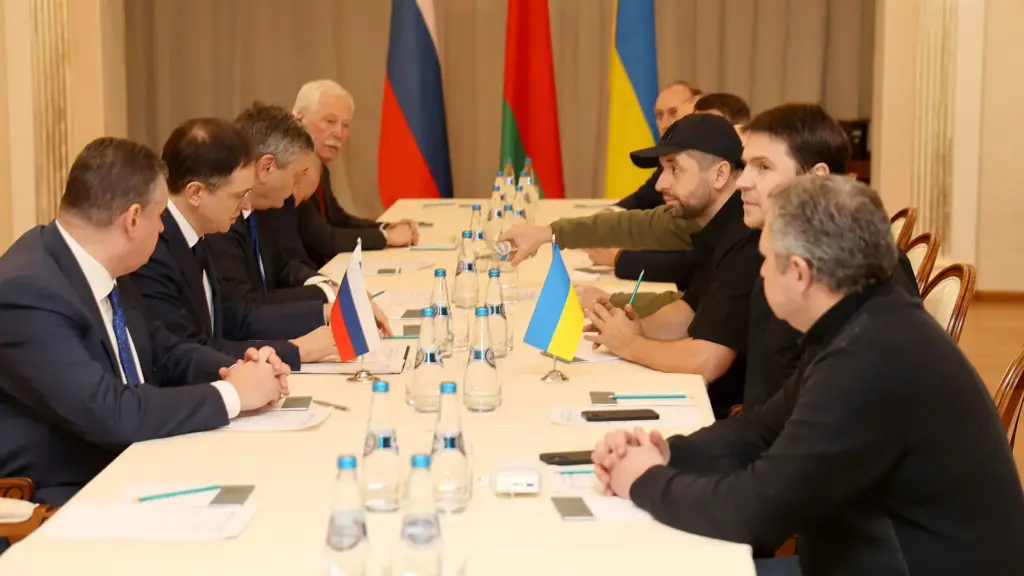
The ongoing Ukraine negotiations represent a critical juncture in the quest for peace, as talks between Ukrainian officials and Russian representatives continue in hopes of resolving the protracted conflict that has kept the region on edge. With recent discussions mediated by the United States, the dialogue aims to address complex issues stemming from the Russia Ukraine conflicts, particularly its impact on civilian lives. In an exclusive interview, Sergiy Kyslytsya, a key negotiator for Ukraine, sheds light on the intricate dynamics at play during these military negotiations with Russia. While the landscape remains fraught with tension, both sides are engaged in a delicate balancing act, seeking to establish clear protocols for future peace talks Ukraine. As pressure mounts for a resolution, the effectiveness of US mediation Ukraine becomes ever more crucial to ensuring a stable outcome that can pave the way for lasting peace in the region.
At the heart of the ongoing discussions is an urgent desire to achieve a cessation of hostilities that have plagued Ukraine for years. These important diplomacy efforts, often referred to as peace talks between Ukraine and Russia, are focused on disentangling the complex web of military and political challenges that have arisen from the conflict. Kyslytsya’s perspective offers a rare glimpse into the intricate negotiations, highlighting the significance of international involvement, particularly from US officials, in advancing dialogues aimed at achieving a lasting ceasefire. As the landscape evolves, the role of mediators and credible oversight becomes more pivotal, suggesting a pathway forward for Ukraine and, potentially, a new chapter in its relations with Russia.
The Complex Landscape of Ukraine Negotiations
The negotiations around the ongoing war in Ukraine are dictated by a complex landscape of military and diplomatic factors. At the core, the discussions often reflect critical issues arising from the Russia-Ukraine conflict, particularly as negotiators like Sergiy Kyslytsya face the pressing realities of warfare. As peace talks inch forward, many stakeholders are interested in how military negotiations with Russia unfold and evolve. This scenario amplifies the need for clear communication and well-laid protocols, ensuring that both sides can forge a reliable path towards a potential ceasefire.
Moreover, the backdrop of this dynamic involves not only the direct engagement of the Ukrainian delegation but also significant US mediation efforts. Recent discussions underscore the emphasis on creating a defined framework for peace. The understanding gained from direct military negotiations helps to bridge the gap between disparate positions, which is crucial when attempting to navigate the murky depths of diplomatic discussions. With terms like ‘military negotiations’ becoming commonplace, it’s clear that such talks hold the potential to influence the trajectory of the Ukrainian conflict.
Sergiy Kyslytsya’s Insights on Diplomatic Engagement
Sergiy Kyslytsya, who has served as a crucial voice in Ukraine’s diplomatic front, shares compelling insights from his experiences negotiating peace. His background as a former UN ambassador lends credence to his perspectives on how negotiations function amid high-stakes environments. In interviews, he often reflects on the psychological toll of sitting across from Russian diplomats who represent a regime willing to engage in warfare at a catastrophic human cost. The weight of responsibility on negotiators like Kyslytsya cannot be underestimated as they engage in discussions that could determine the fate of millions.
Kyslytsya highlights the vital role of consistent US mediation in these negotiations, indicating that the involvement of experienced officials has been paramount. As seen in the upcoming meetings in Geneva, the presence of key American figures is not merely symbolic, but serves as a foundational element that increases the likelihood of fruitful dialogue. By fostering an environment where military and diplomatic channels can effectively communicate, the chances of progress in the peace process are notably enhanced. This coordination reflects broader strategic objectives that align with hopes for a lasting resolution to the Ukraine crisis.
The Role of US Mediation in Ending the Conflict
US mediation in the Ukraine conflict has emerged as a crucial factor in driving discussions toward a resolution. The commitment shown by American officials to engage directly with both Ukrainian and Russian representatives exemplifies a unique diplomatic approach. This ongoing involvement represents an attempt not only to stabilize the situation but also to build a framework where peace can be seriously contemplated. Recent interviews with Kyslytsya and other negotiators reveal that US representatives contribute beyond mere observation; they are integral to formulating questions and suggesting pathways that advance dialogue.
The effectiveness of US mediation is underscored by the technological advancements applied to monitoring potential ceasefires and violations. As Kyslytsya noted, the infrastructure involved in overseeing these developments far surpasses what was available in previous years, reflecting the seriousness with which current peace efforts are approached. The combination of high-tech resources and proactive engagement sets the stage for a diplomatic environment that is conducive to meaningful negotiations. Ultimately, ensuring that all parties adhere to any agreements reached during these discussions will hinge on the US’s role as a trusted third-party mediator.
Challenges Faced in Military Negotiations with Russia
Military negotiations with Russia are fraught with complex challenges that underscore the difficulty of achieving a ceasefire. Kyslytsya alludes to the chaotic realities of the battlefield in eastern Ukraine, where continuous human and material costs complicate dialogues. Tensions are high as decisions are made not just on political grounds but also heavily influenced by ongoing military actions. Effective disengagement from conflict necessitates a carefully constructed series of protocols, and so far, establishing these has proven challenging given the evolving nature of warfare.
Moreover, the inherent unpredictability of Russian military tactics and strategies further complicates the negotiation landscape. As both sides grapple with the information battlefield, where intelligence can be manipulated or miscommunicated, the need for robust verification mechanisms becomes imperative. Negotiators must not only address immediate cessation of hostilities but also lay the groundwork for future trust and cooperation. This interplay of military and diplomatic efforts is essential in striving for stability and peace, highlighting the intricate balance that negotiators like Kyslytsya must maintain.
The Importance of Clear Communication in Peace Talks
Effective communication stands as a cornerstone in the negotiations aimed at resolving the conflict in Ukraine. Kyslytsya’s experiences illuminate the need for transparency and clarity, particularly when dealing with opposing parties like Russia. The stakes are high, and misunderstandings can lead to escalated tensions and further violence. Ensuring that all members of a negotiating team are aligned and equipped with the same information is critical for presenting a united front in discussions, reinforcing the notion that cooperation is preferable to conflict.
Additionally, establishing a clear set of rules and protocols for dialogue promotes a more predictable negotiation environment. As Kyslytsya asserts, consistency in communication aids in building trust between negotiators, which is essential in achieving any substantive agreements. These clear communication channels allow both sides to better navigate the complexities of the peace process while addressing the underlying issues driving the conflict. In the absence of clarity, peace talks risk devolving into mere formalities rather than productive dialogues aimed at tangible outcomes.
The Role of Technology in Modern Negotiations
Technological advancements have transformed the landscape of military negotiations, impacting how delegations engage and monitor compliance. Kyslytsya’s observations about US capabilities reveal the significance of high-tech resources, from drones to satellite surveillance, in overseeing ceasefire conditions and ensuring accountability. This level of technological engagement not only allows for immediate response mechanisms in case of violations but also helps monitor ongoing tensions without requiring an immediate physical presence on the ground.
The prevalence of modern technology in these discussions has raised the stakes, as both parties must remain cognizant of the surveillance and data collection occurring throughout negotiations. Ensuring that agreements are respected and enforced requires a new level of sophistication, thus necessitating that negotiators like Kyslytsya are well-versed in the implications of these technologies. It reinforces the need for negotiations to adapt to contemporary realities, where information warfare and technological capabilities can significantly influence geopolitical outcomes.
The Historical Context of Ukraine-Russia Negotiations
Understanding the historical context of Ukraine-Russia negotiations is vital to informing current diplomatic efforts. The backdrop of years of conflict, marked by Russia’s annexation of Crimea and subsequent military actions in Eastern Ukraine, shapes the perspectives of each negotiating party. Kyslytsya acknowledges that his previous experiences at the UN have equipped him to engage with Russian counterparts, reflecting the lessons learned from past diplomacy and the long-standing tensions between the two nations.
This historical understanding also impacts the frameworks that negotiators seek to establish for future peace talks. Recognizing the emotional and psychological burdens carried by both sides informs the dynamics of the discussions, compelling negotiators to engage with empathy while also pursuing firm stances on essential issues. As each round of dialogue unfolds, the weight of historical grievances looms large, reminding negotiators that the path to peace is often hindered by the shadows of the past.
The Future of Peace Talks in Ukraine
Looking forward, the future of peace talks in Ukraine remains uncertain yet hopeful. As Kyslytsya and his team prepare for upcoming negotiations, there is an increased awareness of the evolving geopolitical landscape, particularly the role of US involvement in diplomacy. The stakeholders understand that the longer the conflict continues, the more entrenched positions become, complicating any efforts for peace. Renewed commitment to dialogue is essential, as past attempts have often faltered due to lack of trust or political will.
Moving into future discussions, Kyslytsya emphasizes the necessity of adaptability and responsiveness to the current battlefield realities. The complexities of military negotiations demand that negotiators remain flexible and innovative in their approaches. The collective hope is that, through sustained efforts and collaboration among the international community, a lasting resolution to the conflict can finally be achieved, offering Ukraine a pathway toward peace and stability.
Frequently Asked Questions
What are the recent developments in Ukraine negotiations?
Recent developments in Ukraine negotiations include the ongoing peace talks facilitated by US mediation. Specifically, these discussions aim to establish a ceasefire amidst the protracted Russia-Ukraine conflict, with the expectation of military negotiations occurring in Geneva soon.
How does US mediation impact peace talks in Ukraine?
US mediation plays a critical role in Ukraine negotiations by providing strategic oversight and support. American officials actively participate in discussions, ensuring a structured approach to military negotiations and offering advanced monitoring capabilities for any ceasefire agreement.
What challenges do negotiators face during Ukraine peace talks?
Negotiators in Ukraine face significant challenges due to the complex battlefield dynamics, established military protocols, and the need for reliable communication lines with Russian counterparts. There is also difficulty in verifying commitments made during military negotiations.
Who is Sergiy Kyslytsya and what is his role in Ukraine negotiations?
Sergiy Kyslytsya is a prominent member of the Ukrainian negotiation team and a former UN ambassador. His role involves direct engagement in military discussions, where his experience informs the strategic approach to negotiations with Russia.
What is the significance of the military negotiations with Russia in the context of Ukraine?
The military negotiations with Russia are crucial for establishing a ceasefire and defining the terms of disengagement. Success in these talks is seen as a potential pathway to ending the ongoing conflicts and improving security for Ukrainian civilians.
How were the previous peace talks in Ukraine structured?
Previous peace talks related to Ukraine typically involved multilateral discussions with various international stakeholders. These included military-to-military interactions meant to formulate rules and verification protocols, particularly influenced by US mediation efforts.
What is meant by the ‘military-to-military discussions’ in the context of Ukraine negotiations?
Military-to-military discussions refer to direct dialogues between the armed forces of Ukraine and Russia, aimed at establishing technical measures for operations and ceasefire protocols, reflecting a professional exchange focused on actionable military strategies.
What role did the Organization for Security and Cooperation in Europe play before the US mediation in Ukraine negotiations?
Before US mediation, the Organization for Security and Cooperation in Europe was tasked with monitoring conflicts in Ukraine, although their limited resources hindered their effectiveness in preventing hostilities and enforcing agreements.
| Key Point | Details |
|---|---|
| Nature of Negotiations | Negotiations are described as business-like, lacking political grandstanding. |
| Complications | The situation involves complex military logistics and verification protocols. |
| US Involvement | The US plays a crucial role in negotiations and future monitoring of ceasefires. |
| Historical Context | Previous monitoring was ineffective; current improvements include advanced drone usage. |
| Personal Experience | Negotiator Kyslytsya has significant experience dealing with adversaries in negotiations. |
| Potential Resolution | A ceasefire could be achieved with a decisive communication from Putin. |
Summary
Ukraine negotiations are a complex and ongoing process, marked by military, political, and humanitarian challenges. As Ukraine and Russia remain entrenched in a conflict that has significantly impacted both nations, the importance of diplomatic dialogue continues to be emphasized. Key stakeholders, including US diplomats, play a vital role in facilitating these negotiations, striving for a resolution that may ultimately hinge on the decisions of high-level leaders. Despite the difficult nature of these discussions, there is hope for a resolution if communication lines remain open and effective.

