Listen to this article
The upcoming Ukraine elections are poised to become a pivotal moment in the nation’s tumultuous political landscape, especially with President Zelensky’s term set to end in May 2024. Amid ongoing conflict and martial law, questions about the potential for war time elections in Ukraine remain urgent. Zelensky has openly stated his readiness for elections, contingent on security guarantees from the U.S. and European allies. The political climate in Ukraine is currently charged, with Zelensky addressing claims that he is using the war as an excuse to delay the electoral process. As discourse surrounding the 2024 Zelensky elections intensifies, it intertwines with broader issues of democracy and governance in war-torn regions.
As Ukraine approaches a critical electoral juncture, discussions regarding the future of its political framework are at the forefront. The notion of holding elections under ongoing martial law raises significant concerns about voter participation and security measures. President Zelensky’s administration faces mounting pressure to adapt to the evolving Ukrainian political landscape, marked by conflicts with Russian interests. The potential impact of external factors, including U.S. election security aid, cannot be overlooked, as they influence the feasibility of conducting legitimate elections during wartime. With various stakeholders weighing in, the landscape of governance in Ukraine is becoming increasingly complex.
The Implications of Ukraine Elections Amid Martial Law
The recent statements from President Volodymyr Zelensky have reignited discussions regarding the potential for elections in Ukraine even as martial law remains in effect due to the ongoing conflict with Russia. With his presidential term approaching its end in May 2024, the feasibility of conducting elections under these conditions is fraught with challenges. In a country where 5.7 million citizens are displaced and many soldiers are on the front lines, ensuring that all Ukrainians can participate in the democratic process becomes complex. Martial law, initially instituted to maintain order during wartime, poses significant barriers to holding free and fair elections.
Moreover, public sentiment indicates a general reluctance towards the idea of holding elections during this tumultuous period. Recent polls suggest that most citizens believe elections should only occur after a ceasefire and with proper security guarantees in place. This widespread skepticism reflects an understanding of the political climate in Ukraine—a landscape that remains heavily influenced by ongoing military actions and external pressures, including the narrative put forth by opposition leaders and foreign allies.
Frequently Asked Questions
What are the implications of holding Ukraine elections during martial law?
Holding elections in Ukraine during martial law presents significant challenges. The ongoing conflict complicates logistics, as soldiers on the front lines may be unable to vote. Moreover, with approximately 5.7 million Ukrainians currently residing abroad due to the war, ensuring a fair and secure voting process becomes even more problematic. As President Zelensky stated, any elections would require robust security guarantees, primarily from the US and its European partners.
How does the Ukrainian political climate affect the feasibility of the Zelensky elections in 2024?
The Ukrainian political climate is heavily influenced by the ongoing war, which has resulted in a consensus among politicians and civil organizations against holding elections under martial law. As outlined by various opposition and ruling party members, the risks of conducting elections amidst conflict could exacerbate divisions and undermine stability. Currently, public sentiment also favors waiting until a ceasefire is achieved and security is guaranteed before considering elections.
What role does US election security aid play in the potential scheduling of Ukraine elections?
US election security aid is crucial for the potential scheduling of elections in Ukraine. President Zelensky has openly requested assistance from the US and its European partners to ensure the safety of the electoral process. This aid would help establish the necessary security conditions for elections to be conducted, especially given the ongoing threats posed by the conflict with Russia.
What do recent polls indicate about Ukrainian public support for elections during wartime?
Recent polls indicate limited public support for holding elections in Ukraine during wartime. A September survey revealed that approximately 63% of the population opposes elections unless there is a complete resolution to the conflict. The sentiment is that elections should wait for a ceasefire with security guarantees, which directly reflects the challenges and concerns surrounding the electoral process in the current context.
Are wartime elections in Ukraine likely to benefit President Zelensky or his opposition?
Wartime elections in Ukraine are viewed skeptically by both supporters and opponents of President Zelensky. Many politicians, including those from opposition parties, warn that conducting elections amidst conflict could lead to undue risks and further division within the country. There are concerns that any elections held under these circumstances might be perceived as illegitimate, which could harm Zelensky’s standing as well as that of his opponents.
What conditions did President Zelensky outline for potentially holding the elections in Ukraine?
President Zelensky has outlined that elections in Ukraine could potentially occur within 60 to 90 days if adequate security guarantees are provided. This would necessitate collaboration with the US and European allies to secure the electoral process. However, he emphasized that the decision to proceed with elections should primarily reflect the will of the Ukrainian people, rather than external pressures.
What challenges are associated with conducting elections in Ukraine amid the ongoing conflict?
Conducting elections in Ukraine amid ongoing conflict poses multiple challenges, including ensuring voter accessibility for military personnel and displaced citizens. The UN reports millions of Ukrainians are abroad, complicating their ability to vote. There are also logistical issues, such as providing secure polling stations and managing the effects of the war on both infrastructure and public perception of legitimacy.
How has President Zelensky responded to concerns about holding elections during the war?
In response to concerns about holding elections during war, President Zelensky has maintained that the decision is ultimately a matter for the Ukrainian populace, not foreign nations. He has publicly rejected narratives suggesting he is clinging to power for personal gain and emphasized the need for comprehensive security arrangements before any elections can be held.
What do experts say about the feasibility of elections in Ukraine during wartime?
Experts have expressed skepticism about the feasibility of holding elections in Ukraine during wartime. Analysts cite historical precedents, such as the suspension of elections in the UK during World War II, to underscore the impracticality of elections under such turbulent conditions. The prevailing opinion is that elections would require a stable environment and peace assurances, which are currently lacking.
What impact could Putin’s actions have on Ukraine’s election process?
Putin’s actions could significantly impact Ukraine’s election process by intensifying existing divisions and tensions. Some Ukrainian political leaders argue that conducting elections during the conflict could play into Russian strategies aimed at sowing discord. The risk is that elections perceived as divisive could provide further leverage for external adversaries, potentially undermining Ukraine’s sovereignty and stability.
| Key Points | Details |
|---|---|
| Readiness for Elections | President Zelensky states Ukraine is ‘ready for elections’ if security is guaranteed. |
| Elections Timeline | Potential elections could be held within 60 to 90 days with US and allied support. |
| Public Sentiment | Approximately 63% of Ukrainians believe elections are only feasible post-ceasefire with security guarantees. |
| Challenges to Elections | Conducting elections during wartime poses significant risks, including security measures for voting. |
| Opposition Views | Opposition MPs are against elections during war, citing impracticality and potential divisiveness. |
| Zelensky’s Position | Zelensky emphasizes that the question of elections must primarily concern the Ukrainian people. |
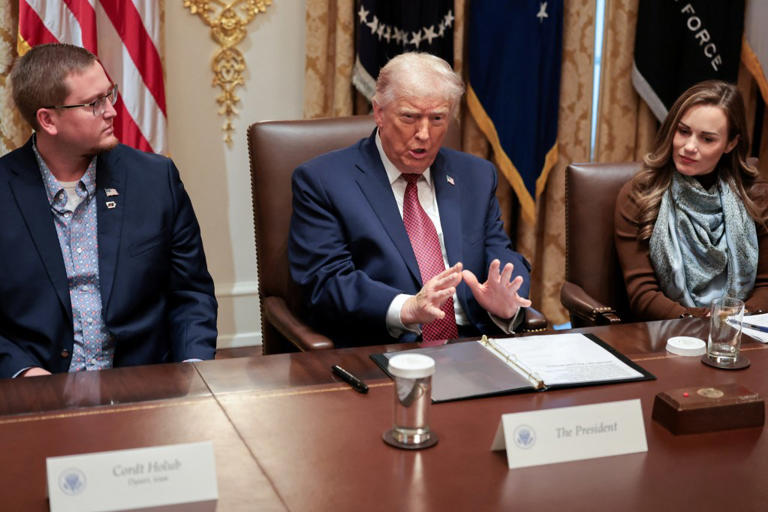
| International Pressure | Trump and others push for elections, framing it as a democratic necessity. |
Summary
The Ukraine elections topic highlights President Zelensky’s readiness to conduct elections contingent upon security guarantees from international partners. With military conflict ongoing, both public sentiment and practical challenges significantly impact the feasibility of holding elections. Importantly, the overwhelming majority of Ukrainians favor deferring elections until after a ceasefire has been established, underscoring the complexities of democratic processes amid war.