Listen to this article
The ongoing Ukraine conflict negotiations remain at a critical juncture, as tension continues to rise over control of the Donbas region and the prospect of peace. President Vladimir Putin has made it clear that he envisions a scenario where Ukrainian troops must either withdraw or face Russian military action, leaving little room for diplomacy. On the other hand, Ukrainian President Volodymyr Zelensky has staunchly resisted any compromise that requires ceding territory, highlighting the complexity of these discussions. As international interest gathers around potential resolutions, the U.S. peace plan for Ukraine emerges as a pivotal framework, seeking to address the volatile situation effectively. The interplay between Zelensky and Putin during negotiations could ultimately define the future of the Russia-Ukraine war and the sovereignty of Ukrainian territory.
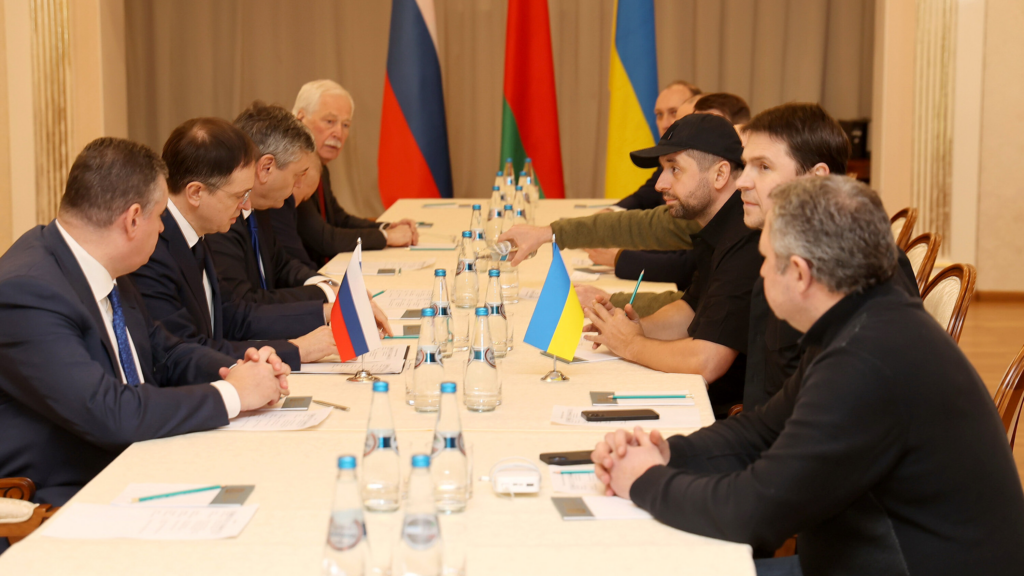
In the realm of diplomatic engagements to end the violent strife in Ukraine, the current talks on resolving the conflict have become increasingly essential. Recent statements from Russia’s leadership indicate a focus on the strategic Donbas region, a hotspot for territorial disputes between nations. The dialogue surrounding Zelensky and Putin illustrates the challenging dynamics of negotiation amidst ongoing military operations and geopolitical pressures. The involvement of an American delegational effort in seeking a resolution signals a layered approach to achieving peace amidst a backdrop of escalating tensions. As both sides weigh their options, the outcome of these negotiations is poised to have lasting implications for the region’s stability.
Current Status of the Donbas Region in the Context of the Ukraine Conflict
The Donbas region has been at the epicenter of the Russia-Ukraine conflict, with control shifting as military engagements continue. As of now, approximately 85% of the Donbas area is under Russian control, illustrating the gravity of the situation. Russian President Vladimir Putin’s recent statements have made it clear that he anticipates either a retreat by Ukrainian forces or a decisive military takeover by Russia. This stance has implications not just for the current military strategy but also for future negotiations regarding the region’s status.
For Ukraine, the Donbas represents not only a geographical area but also a symbol of sovereignty and national integrity. President Volodymyr Zelensky has vehemently rejected any suggestions to cede territory, which he argues would undermine Ukraine’s position in any future peace talks. Therefore, the resolution of the Donbas situation is seen as fundamental to Ukraine’s long-term stability and its geopolitical alliances, signaling that any form of Ukrainian territory loss would be unacceptable.
Zelensky and Putin Talks: A Path Towards Resolution?
The ongoing discussions between President Zelensky and President Putin exemplify the complexities of achieving peace in the Ukraine conflict. The recent remarks by Trump indicated that dialogues have been progressing, although both sides remain firm in their positions. The exchanges emphasize elements such as territorial integrity and security guarantees for Ukraine, raising questions about the feasibility of any agreement that includes ceding parts of the Donbas region to Russian control.
Zelensky’s insistence on solid security guarantees from international partners further complicates the negotiations. His administration appears to be navigating a precarious path where the stakes are high, and the consequences of failure could be dire. The perceptions surrounding the Zelensky-Putin talks illustrate the delicate balance between maintaining national sovereignty and the urgent need for a foreseeable peace, which continues to evolve amidst ongoing military developments.
Impact of the U.S. Peace Plan on Ukraine Negotiations
The proposed U.S. peace plan has become a focal point in the Ukraine conflict negotiations, triggering a series of discussions among key stakeholders. Initial drafts suggested the possibility of ceding portions of the Donbas region to Russia, a notion that has been met with staunch opposition from Ukraine. The sentiment expressed by Ukrainian officials reflects a larger concern over the potential compromise of Ukrainian territory, as they advocate for a more comprehensive and secure foundation for any agreements reached.
However, the U.S. peace plan is under scrutiny, prompting negotiations to potentially realign its terms to favor Ukraine while still engaging with Russia. The challenges inherent in this diplomatic effort have been outlined by figures like Yuri Ushakov, who noted that despite ongoing talks, no concrete agreements have been realized. These dynamics point to the intricate push-and-pull of war diplomacy where each side vies for advantages amidst fluctuating battlefield outcomes.
The Role of International Involvement in Conflict Resolution
International involvement remains crucial for Ukraine as it seeks to navigate the complexities of the ongoing conflict with Russia. With influential leaders such as U.S. envoy Steve Witkoff taking part in negotiations, there is a palpable hope that external pressure could modify Russia’s approach. Reports of dialogues in Geneva and Switzerland signal collaborative efforts to refine a balanced peace framework that prioritizes Ukrainian interests while addressing Russian demands.
Ukrainian officials have often pointed to the necessity for solidarity among their European allies, whose perspectives play a vital role in determining the trajectory of peace talks. Recent communications among European leaders underscore apprehensions regarding potential compromises that might endanger Ukrainian territory. As these negotiations unfold, Ukraine’s alignment with its allies could be the difference between maintaining its territorial integrity and facing a future dictated by external powers.
Challenges Facing Ukraine in Securing Territory and Security Guarantees
As Ukraine battles to reclaim control over its territories, the notion of security guarantees has become a pivotal topic in negotiations. President Zelensky insists that any potential agreement must be accompanied by concrete assurances from global powers that Ukraine’s sovereignty will be respected. This position stems from a historical context of insecurity, particularly following Russia’s annexation of Crimea in 2014 and ongoing encroachments in the Donbas region, amplifying the urgency for robust security frameworks.
However, challenges abound, with lingering concerns about the effectiveness and reliability of security guarantees from international players. Putin’s position that compromises are off the table complicates the landscape further. As discussions evolve, Ukraine must weigh the prospects of engaging with a peace plan that may require painful concessions against the backdrop of continuing Russian advances in Ukrainian territories.
Public Sentiment in Ukraine Regarding Territorial Compromise
The public sentiment in Ukraine remains steadfastly against any territorial compromise in the wake of the ongoing conflict. Polls indicate a significant majority of Ukrainians oppose ceding any portion of the Donbas region to Russia, reflecting a deep-rooted desire for sovereignty and national integrity. This collective sentiment places immense pressure on President Zelensky to ensure that sovereignty is preserved in the face of international diplomacy that may lean toward compromise.
This unwavering position is less about mere political rhetoric and more a reflection of the national psyche shaped by decades of conflict and instability. The memories of loss and the ongoing sacrifices made during the war have solidified a national consensus that ceding territory is not an option. As negotiations progress, the leadership must navigate these public expectations while striving for a resolution that honors the will of the people.
Negotiation Strategies in Light of the Evolving Battlefield Dynamics
As the battlefield dynamics evolve, negotiation strategies must adapt to the realities on the ground. Recent victories for Russian forces in southeastern Ukraine have bolstered their negotiating stance, as highlighted by key negotiators like Yuri Ushakov. Such developments can shift power dynamics during negotiations, making it increasingly challenging for Ukraine to hold firm on its positions regarding the Donbas region and territorial claims.
Ukrainian negotiators, aware of these shifting dynamics, are compelled to consider innovative strategies that encompass both military successes and diplomatic engagement. The importance of battlefield achievements cannot be understated—if Ukraine can stall or reverse Russian advances, they may gain leverage in future discussions. Thus, the intertwining of military strategy and diplomacy becomes evident, as Ukraine seeks to create a balance that will allow them to emerge from negotiations with a favorable outcome.
Positioning Ukraine in the Global Context of the Russia-Ukraine Conflict
The Ukraine conflict has garnered global attention, positioning Ukraine in a complex international narrative. The dynamics of Russia’s aggression and Ukraine’s resistance have sparked debates among world leaders, shaping the responses from the West and aligning countries with various geopolitical stakes. President Zelensky’s assertiveness in rejecting territorial compromises is not only significant for national pride but also serves to rally international support, highlighting Ukraine’s role as a frontline state in defending democratic values against autocratic aggression.
International partners have taken varied positions, with some calling for a diplomatic resolution while others advocate for increased military support. This global positioning has ramifications for Ukraine’s strategies, as reliance on allies could dictate the outcomes of negotiations. Engaging with key players, such as the U.S. and European nations, will be crucial for Ukraine to secure the necessary support in its struggle to maintain territorial sovereignty and ensure peace in the region.
Future Prospects for Peace in the Context of the Ukraine Conflict
The future prospects for peace in the context of the Ukraine conflict remain uncertain as negotiations continue to unfold. Key issues surrounding territorial claims, security guarantees, and historical grievances all factor into the complexities of potential agreements. The interplay between military outcomes and diplomatic engagements will likely shape what the peace landscape looks like moving forward. The question of whether a compromise is attainable remains, as Russia’s unwillingness to concede comes against Ukraine’s steadfast resolve.
Despite these uncertainties, there is a shared hope within the international community that a resolution could be achieved, particularly if pressure is maintained on Russia to engage in meaningful negotiations. As Ukraine and its allies continue to advocate for a solution that respects Ukrainian autonomy, the evolving situation will unfold, and the true potential for peace in the region may hinge on the ability of both sides to compromise and find common ground.
Frequently Asked Questions
What is the current situation regarding Ukraine conflict negotiations and the Donbas region control?
The Ukraine conflict negotiations are ongoing, with Russian President Vladimir Putin claiming that control over the Donbas region is essential, stating that Ukrainian troops must either retreat or face military action. Currently, Russia holds approximately 85% of the Donbas area, and the negotiations are focusing on territorial integrity and security assurances for Ukraine.
Are there any updates on Zelensky and Putin talks related to the Ukraine conflict?
Recent talks between Ukrainian President Volodymyr Zelensky and Russian President Vladimir Putin have not resulted in compromise, as Zelensky rejects any territory cession. These negotiations reflect the complexities of the ongoing Ukraine conflict, with Zelensky seeking strong international security guarantees.
What role does the US peace plan for Ukraine play in the current negotiations?
The proposed US peace plan for Ukraine has been contentious, particularly regarding the potential ceding of parts of the Donbas to Russia. Russian officials, including Putin, have indicated that certain aspects of the plan are unacceptable, adding to the challenges in the negotiation process amid the Ukraine conflict.
How does the international community view the Ukraine conflict negotiations?
The international community is closely monitoring the Ukraine conflict negotiations, with varying concerns about the impact of US proposals on Ukraine’s territorial integrity. Discussions among European leaders have raised red flags about potential compromises that may not include sufficient security guarantees for Ukraine.
What are the implications of recent military developments on Ukraine conflict negotiations?
Recent military developments, including Russia’s territorial gains in Ukraine, may impact its negotiating leverage. The Ukraine conflict negotiations may see shifts in power dynamics as battlefield successes influence the positions of both sides in the quest for a lasting resolution.
How are security guarantees being addressed in Ukraine conflict negotiations?
Security guarantees are a critical topic within the Ukraine conflict negotiations, with Zelensky emphasizing their importance for Ukraine’s future. These guarantees are seen as vital to ensuring Ukraine’s sovereignty amid ongoing threats from Russia.
What challenges are Ukrainian negotiators facing in discussions about territorial issues?
Ukrainian negotiators face significant challenges concerning territorial issues in the Ukraine conflict negotiations, particularly in relation to the Donbas region and areas under Russian control. These discussions are complicated by differing views on sovereignty and proposed compromises from international actors.
What are the prospects for peace in Ukraine as negotiations continue?
The prospects for peace in Ukraine remain uncertain as negotiations evolve. While there is a global consensus for seeking a resolution to the Ukraine conflict, Zelensky has insisted that practical pressure on Russia must accompany any ongoing dialogue to facilitate meaningful progress.
| Key Point | Details |
|---|---|
| Putin’s Stance on Donbas | President Putin demands either Ukrainian withdrawal from Donbas or full Russian control, indicating no room for compromise. |
| Zelensky’s Rejection of Territory Cession | President Zelensky firmly opposes any ceding of Ukrainian territory, reinforcing Ukraine’s stance. |
| Discussions with Trump | Former President Trump has suggested some Russian leaders may be seeking a resolution based on recent talks. |
| Control of Donbas Region | Russian forces currently assert control over approximately 85% of the Donbas area. |
| Status of U.S. Peace Plan | Controversies exist regarding the U.S. peace plan’s suggestions on territorial ceding and acceptable security assurances. |
| No Agreements Reached | Recent talks between negotiators have not yielded any agreements on concluding the war. |
| Zelensky on Security Guarantees | Zelensky emphasizes the need for solid security guarantees in any potential agreement. |
| Concerns Over U.S. Negotiations | European leaders express worries regarding U.S. negotiations potentially compromising Ukraine’s territorial integrity. |
Summary
Ukraine conflict negotiations reveal a deeply complex scenario where both leaders, Vladimir Putin and Volodymyr Zelensky, remain in stark opposition over territorial issues, with varying stances from international negotiators. The ongoing discussions emphasize the urgent need for concrete agreements, particularly regarding security guarantees for Ukraine, as external pressures potentially influence outcomes.