Listen to this article
UK youth unemployment has surged significantly as the overall unemployment rate climbed to 5.1% in recent months, catching the attention of policy makers and economists alike. This alarming trend reveals a stark reality for the youth job market, particularly affecting those aged 18 to 24, who faced an increase of 85,000 unemployed individuals in just three months. With employment statistics for 2023 showcasing a notable decline in job opportunities, young individuals are left to grapple with the economic impact of unemployment at an unprecedented scale. As firms slow hiring processes and contemplate the repercussions of recent budget decisions, the implications for teenage unemployment become increasingly dire. This complex scenario underscores the urgency of addressing UK youth unemployment in the broader context of a shifting labor landscape.
The rising tide of joblessness among the younger demographic in the UK presents a critical concern for both society and the economy. Young adults, particularly those entering the workforce for the first time, are finding themselves at a disadvantage in the current climate, referenced frequently as the youth labor crisis. The employment landscape reflects a challenging scenario, wherein fresh talent struggles to secure positions despite high levels of competition in the job market. These realities not only affect the immediate livelihoods of young Brits but also pose long-term risks to economic stability, drawing attention to the pressing need for effective interventions and support systems for this vulnerable group. Understanding these dynamics is essential for crafting policies that can foster a resilient workforce ready to meet future challenges.
The Rising Trend of UK Youth Unemployment
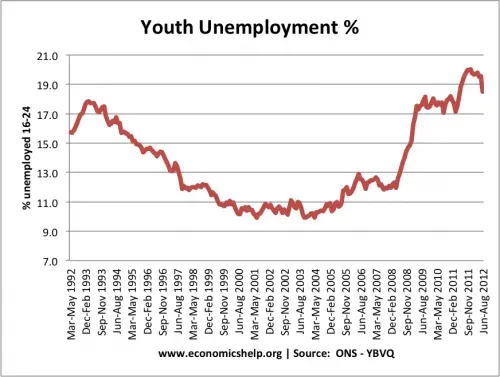
The recent increase in the UK unemployment rate to 5.1% has revealed a troubling trend, particularly for younger workers aged 18-24. In the preceding three months alone, this demographic faced an alarming increase of 85,000 unemployed individuals, marking the highest rise since November 2022. Such statistics underscore the stark reality of the youth job market, where competition for limited positions intensifies, leading to frustration and disappointment among many. Economic challenges continue to plague the youth, who find themselves on the receiving end of an increasingly sluggish labour market.
The economic impact of unemployment, especially among young workers, is multifaceted. Not only does it affect their financial stability and future prospects, but it also hampers overall economic growth. Youth unemployment creates a cycle where young individuals are unable to gain the necessary work experience, which further diminishes their employability. The overall employment statistics for 2023 suggest a trend of rising joblessness, reinforcing calls for targeted government interventions to combat this growing concern. Without strategic measures to address these issues, the long-term effects on the youth workforce could hinder economic recovery and growth.
Challenges Faced by Young Job Seekers
Young job seekers are navigating a tumultuous landscape rife with challenges, particularly in securing entry-level positions that can provide pivotal early career experiences. As highlighted by Meerah Nakaayi’s experience, the volume of applications for positions can reach dizzying heights, illustrating how competitive the job market has become. This intensification of competition can lead to feelings of inadequacy and frustration among potential candidates, many of whom may have impressive qualifications but struggle to find their footing in an increasingly saturated job market.
Employers are also feeling the effects of a ‘subdued labour market’ where hiring has slowed significantly. With the government’s recent economic policies making hiring more expensive, many businesses are reluctant to employ young, inexperienced workers. This creates a paradox where the very sectors that thrive on youthful enthusiasm, like hospitality and retail, become difficult avenues for youth employment. As the landscape evolves, it is crucial for both the government and employers to invest in training and apprenticeship opportunities tailored to younger generations, ensuring they are not left behind in a rapidly changing economy.
Government Initiatives to Combat Youth Unemployment
In response to the concerning rise in youth unemployment, the government has announced several initiatives aimed at enhancing job opportunities for young individuals. A commitment of £1.5 billion has been made to create 50,000 apprenticeships and an additional 350,000 workplace opportunities specifically targeted at the youth demographic. These initiatives are designed not just to reduce unemployment figures but to provide meaningful paths into employment that equip young people with the skills and experiences needed to thrive in competitive job markets.
Additionally, there is ongoing scrutiny of the government’s policies and their effectiveness in curbing youth joblessness. Critics argue that current measures may be too reactive rather than proactive, lacking a comprehensive strategy to tackle the roots of unemployment. As the economic impact of unemployment begins to ripple through society, the sincere involvement of both public and private sectors in creating inclusive employment policies will play a pivotal role in shaping the future landscape of youth employment in the UK.
The Economic Impact of Unemployment on Young Workers
The economic impact of rising unemployment rates among the youth stretches beyond the individuals affected; it has broader implications for the UK’s economic landscape. When a significant portion of the younger population is unemployed, their spending power diminishes, which ultimately stifles economic growth across various sectors. A sustained period of high youth unemployment can lead to long-term declines in productivity and innovation, as a new generation of workers becomes disillusioned and disengaged from the labour force.
Moreover, persistent unemployment rates affect the overall socio-economic fabric of society. Young individuals who remain unemployed for extensive periods suffer from skill erosion, making it increasingly difficult for them to reintegrate into the workforce later. This cyclical nature of unemployment further exacerbates socio-economic divides, as marginalized groups face compounded barriers to employment. Addressing these issues with substantial policy measures and community support systems is essential for not only ameliorating the current situation but also for fostering a more resilient economy in the years to come.
The Role of Employers in Addressing Youth Unemployment
Employers hold a critical responsibility in addressing the issue of youth unemployment, particularly in economic climates where hiring practices tend to tighten. With many companies expressing reluctance to invest in entry-level positions due to rising costs and regulatory burdens, it’s essential for employers to reevaluate their hiring strategies. Instead of viewing young workers merely as a short-term cost, businesses should recognise the long-term benefits that investing in this demographic can bring, such as fresh ideas, energy, and increased diversity.
Additionally, to effectively tackle youth unemployment, employers need to collaborate closely with educational institutions and government bodies to create pathways for young talent. This can be achieved through internships, apprenticeships, and mentorship programs that not only provide young individuals with much-needed experience but also offer companies an opportunity to nurture potential future employees. A concerted effort from employers, alongside supportive government policies, can help transform the current trends of youth joblessness into a hopeful narrative of opportunity and growth.
The Changing Landscape of the Teenage Job Market
The teenage job market is undergoing significant changes, driven by a myriad of economic and social factors. With the rise of online job hunting platforms and the shift towards remote work, teenagers are adapting to a workforce that operates very differently from previous generations. However, despite these opportunities, the rise in the unemployment rate signals that many teens are still struggling to secure meaningful positions. The competitive nature of job applications has heightened, making it imperative for young job seekers to differentiate themselves in an increasingly crowded field.
Moreover, the change in industries post-pandemic has resulted in a reconfiguration of typical teenage job roles. Many traditional entry-level jobs have either diminished or transitioned into more specialised roles that require specific skills or qualifications. Consequently, it is vital for educational institutions to equip students not only with academic knowledge but also with practical skills relevant to the current job market. Ensuring that teenagers are aware of industry trends and necessary skills will empower them to navigate their employment journeys more effectively.
The Impact of Educational Policies on Youth Employment
Educational policies play a pivotal role in shaping the employment landscape for youth, as they directly influence the skills and competencies that students acquire. While the focus has often been on academic achievements, there is an increasing recognition that practical skills and vocational training are equally essential in preparing young individuals for the workforce. Initiatives aimed at integrating career education into the curriculum can better align students’ education with the actual demands of the job market, thereby enhancing their employability.
Furthermore, educational institutions must partner with businesses to create internship and apprenticeship programs that allow students to gain hands-on experience while still in school. This collaboration can help bridge the gap between education and employment, providing students with a clearer understanding of industry expectations. As policies evolve to place greater emphasis on skills development rather than solely academic success, the future employment prospects for youth in the UK may improve significantly, reducing the troubling statistics linked to youth unemployment.
Understanding Employment Statistics for 2023
The employment statistics for 2023 reveal a concerning trend regarding the rise in the overall unemployment rate, particularly among younger populations. As the labour market continues to grapple with economic uncertainties, these statistics act as a barometer for understanding workforce dynamics and potential areas for intervention. Analysts closely monitor these figures to gauge the effectiveness of current policies and identify any emerging patterns that could signal a shift in economic conditions.
Interpretation of employment data requires not just an examination of the numbers, but also an understanding of the contextual factors at play. Variables such as economic growth, industry demands, and regional disparities can significantly influence employment outcomes. By analysing the 2023 employment statistics, stakeholders can develop informed strategies that address the needs of both job seekers and employers, ultimately fostering a more resilient labour market for young people.
The Future of Young Employment in the UK
Looking ahead, the future of young employment in the UK hinges on effectively addressing the challenges presented by rising unemployment rates. The government’s proactive measures, combined with input from employers and educational institutions, could pave the way for a more robust support system for young job seekers. If strategic investments are made in skills training and career development initiatives, young individuals may find themselves better equipped to navigate the fluctuating job market.
Furthermore, as industries evolve in response to technological advancements and changing consumer needs, the demand for new skills will only increase. This underscores the necessity for ongoing adaptation and revision of training programs to ensure that they meet the actual needs of the job market. The path towards reducing youth unemployment will require collaboration between all stakeholders to create an inclusive employment environment that prepares young people for the jobs of the future.
Frequently Asked Questions
What is the current UK youth unemployment rate in 2023?
As of October 2023, the UK youth unemployment rate stands at 5.1%, which reflects a significant increase from 4.3% over the past year, signaling a concerning trend in the youth job market.
How does the rising UK unemployment rate affect the youth job market?
The rising UK unemployment rate, now at 5.1%, has resulted in a surge of 85,000 unemployed individuals aged 18-24, indicating a challenging youth job market that is particularly affected by economic uncertainties.
What are the main reasons for the increase in teenage unemployment in the UK?
Teenage unemployment in the UK has increased due to several factors, including a subdued labor market, firms freezing hiring in response to economic conditions, and government policies that have made entry-level positions less appealing for employers.
What are the employment statistics for young workers in the UK for 2023?
Recent employment statistics for 2023 indicate a worrying trend for young workers, with a rise in youth unemployment due to companies reducing payrolls. The figures reveal a drop of 149,000 employees in total company payrolls, highlighting a weakening labor market.
What are the economic impacts of youth unemployment in the UK?
The economic impact of youth unemployment in the UK is significant, with rising joblessness among young people leading to increased frustration and competition in the job market, thereby affecting their future employment prospects and economic stability.
What action is the UK government taking to address youth unemployment?
In response to rising youth unemployment, the UK government has committed £1.5 billion to create 50,000 apprenticeships and 350,000 new workplace opportunities for young people to help improve their chances of finding stable employment.
How competitive is the current job market for young people in the UK?
The current job market for young people in the UK is extremely competitive, with reports of job openings attracting hundreds of applications, reflecting the difficult circumstances young job seekers face amidst rising unemployment rates.
What challenges do young job seekers face due to the current UK unemployment trends?
Young job seekers in the UK face challenges including heightened unemployment rates, increased competition for fewer jobs, and policy changes that may discourage employers from hiring individuals with minimal work experience.
| Key Point | Details |
|---|---|
| Increase in Unemployment Rate | UK unemployment rises to 5.1%, up from 4.3% last year, affecting particularly younger workers. |
| Youth Unemployment Surge | An increase of 85,000 unemployed individuals aged 18-24 in the last three months. |
| Impact of Hiring Freezes | Employers slow down hiring in response to taxation and spending uncertainty, particularly affecting youth jobs. |
| Competitive Job Market | High competition for roles, with reports of 290 applications for a single position in niche fields. |
| Government Response | Plans announced to investigate youth unemployment and provide more support for apprenticeships and new workplace opportunities. |
| Wage Growth Trends | Wage growth exists but is slowing; public sector workers see larger pay increases compared to private sector. |
| Interest Rate Considerations | Bank of England may cut interest rates amid high unemployment and inflation concerns. |
| Criticism of ONS Data Collection | The Office for National Statistics faces scrutiny over the quality and accuracy of economic data amid low response rates. |
Summary
UK youth unemployment is becoming an increasingly pressing issue as the unemployment rate has risen to 5.1%, significantly impacting younger workers. The recent data highlights a worrying trend of a rising number of unemployed individuals aged 18-24, as many employers hesitate to hire amidst economic uncertainty and changes in government policies. With competitive job markets leading to higher frustration among young job seekers, it is clear that immediate action is required to address the challenges faced by youth in securing employment. The government’s response to initiate investigations into youth unemployment and provide apprenticeship opportunities reflects a recognition of this issue, but more comprehensive strategies are necessary to ensure sustainable job creation for the younger generation.