Listen to this article
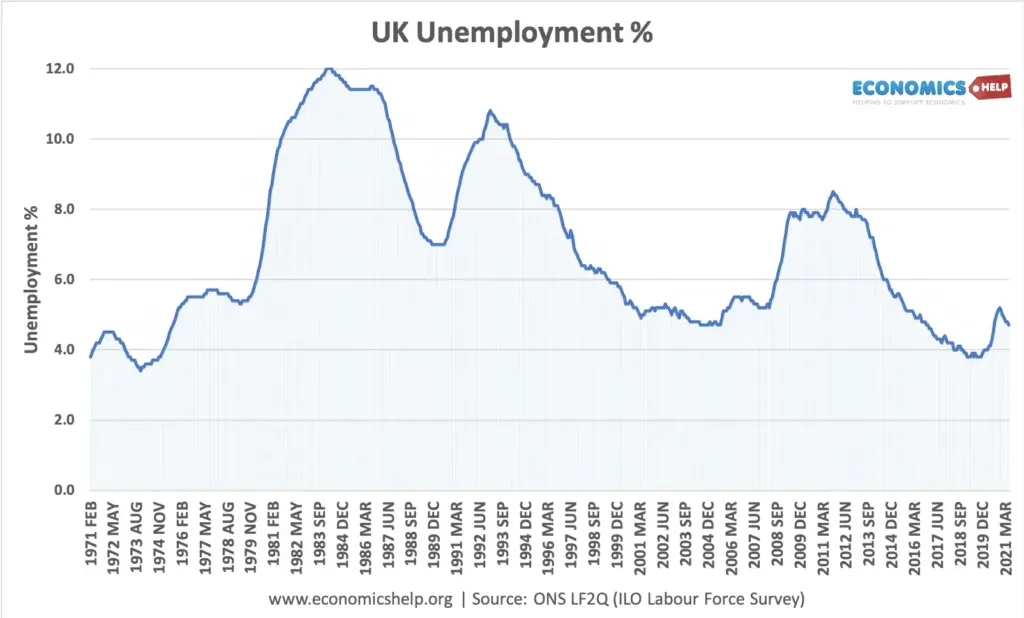
UK unemployment has recently risen to its highest level in nearly five years, reaching a concerning unemployment rate of 5.2% as reported by the Office for National Statistics (ONS). This surge reflects a troubling trend within the UK job market, particularly affecting young people, with youth unemployment climbing to 16.1%, the worst level seen in over a decade. As the number of job vacancies in the UK remains relatively stable, many individuals are finding themselves competing for fewer roles, exacerbating the economic impact on jobs across various sectors. The rising costs associated with employer National Insurance contributions and minimum wage increases have led businesses to slow their hiring processes, prompting government officials to prioritize strategies to tackle youth unemployment. As these statistics unfold, the implications for the future workforce and broader economy demand urgent attention and action.
The recent spike in unemployment within the United Kingdom signals significant challenges for the workforce, particularly among the youth demographic. With the jobless rate now standing at its highest point in five years, many young adults are struggling to penetrate the competitive job landscape. This trend not only highlights the barriers faced by first-time job seekers but also emphasizes the broader economic ramifications as firms reduce their recruitment efforts. The distressing state of the job market is further illustrated by the rise in unemployment rates among 16 to 24-year-olds, raising alarms about the sustainability of future employment opportunities. As policymakers grapple with these issues, the urgent need for effective measures to improve job access and create entry-level positions has never been more critical.
The Rise of UK Unemployment: Understanding the Current Trends
As of the end of 2025, UK unemployment has surged to 5.2%, marking the highest rate seen in almost five years. This worrying trend reflects broader issues within the UK job market, where economic factors and shifts in company hiring patterns are causing significant concerns for job seekers. The Office for National Statistics (ONS) reports a grim outlook, especially for young adults aged 16 to 24, where unemployment rates have skyrocketed to 16.1%. This age group is not just facing a higher unemployment rate but is also feeling the impacts of a highly competitive job market.
The economic landscape in the UK has changed drastically, with rising operational costs for businesses leading to a slowdown in hiring. Companies cite increases in National Insurance contributions and minimum wage as substantial burdens. Consequently, the work and pensions sector calls for urgent measures to address these trends, with efforts to improve youth employment prospects being paramount. With the number of job vacancies in the UK remaining stable yet high unemployment rates highlighted, it raises questions about the effectiveness of government measures to stimulate hiring and support job seekers.
Youth Unemployment Crisis in the UK
The alarming rise in youth unemployment in the UK underscores a critical social issue that has far-reaching consequences. As recent statistics indicate, the job market for young individuals is increasingly perilous, with entry-level positions diminishing rapidly, often blamed on tax hikes and economic policies that make hiring more expensive for employers. The ramifications are stark; many fresh graduates, like Lucy Gabb, find themselves caught in a cycle of applying for numerous positions yet struggling to secure interviews due to overwhelming competition and unattainable experience requirements.
This trend of rising youth unemployment is not merely a statistic, but a narrative of frustration and disenchantment. Young people who are meant to be the backbone of the future workforce are instead facing significant barriers that inhibit their career opportunities. The government’s focus on improving apprenticeship availability is a step in the right direction, but there is a considerable amount of work required to ensure that young people can enter the job market successfully. As businesses continue to navigate economic pressures, the necessity for supportive job policies cannot be overstated.
The Impact of Economic Changes on Job Vacancies in the UK
The economic impact of recent changes on job vacancies in the UK is becoming evident as both businesses and potential employees grapple with a decreasing number of entry-level positions. Despite Britain’s persistent effort to stabilize its economy post-pandemic, the number of job vacancies has stagnated, leading to an unprecedented number of applicants per available position. According to ONS, this trend is particularly troubling given the rising unemployment figures, indicating that the job market does not sufficiently reflect economic recovery.
Companies are increasingly hesitant to hire due to cost pressures, which has created a pronounced disconnect between job seekers and available opportunities. As redundancies rise and the number of vacancies decreases, individuals are finding themselves in a tough spot, resulting in a broader economic slowdown. Some economists even speculate that advancements in artificial intelligence may further complicate this scenario by reducing the demand for entry-level jobs traditionally occupied by young workers, intensifying the challenges they face in this already strained job market.
Wage Growth Trends Amid Rising Unemployment
While the rise in unemployment is concerning, it’s notable that wages are still growing, albeit at a decelerated pace. The average wage growth has dropped to 4.2%, highlighting a complex interplay between job availability and earnings potential. Even though public sector workers have seen more substantial pay increases at 7.2%, the broader workforce feels the squeeze as inflation continues to outpace real wage growth, causing purchasing power to stagnate. This reality prompts a reevaluation of how wage policies can support not only unemployment but also sustainable economic growth.
The stranglehold inflation has on true wage growth is another layer of complexity in this economic landscape. With inflation currently sitting at 3.4%, real wages are failing to keep pace, with the average pay growth merely reaching 0.8% when adjusted for inflation. This scenario paints a dire picture across UK households, especially for young workers entering a tumultuous job market where costs continue to rise and opportunities diminish. The challenge remains for policymakers to create an environment that fosters both wage growth and job creation, addressing these intertwined issues effectively.
The Long-Term Effects of Unemployment on the Workforce
The long-term implications of rising unemployment rates, particularly among young people, could reshape the UK workforce for years to come. Economic experts warn that consistent job losses coupled with high youth unemployment may lead to a generation struggling to achieve economic stability. Young individuals who find themselves in an enduring cycle of unemployment may begin to view work opportunities with scepticism, leading to decreased engagement in the job market. This detachment from workforce participation could have severe ramifications for both personal financial development and the overall economy.
Furthermore, the potential for long-term dependency on benefits systems grows with each passing year of high youth unemployment. Stories, like that of Lucy Gabb, reveal the real human element of this crisis, where youth are left feeling disillusioned and undervalued. As young workers witness few avenues for securing meaningful employment after considerable education investments, it raises critical questions about the sustainability of future public finances and the social fabric of the nation. Addressing these issues requires a concerted effort from both government and industry to forge pathways for stable employment and economic resilience.
Apprenticeships and Their Role in Reducing Unemployment
Apprenticeships in the UK have been heralded as crucial to combating the rising trends in unemployment, especially for the younger population. Various government initiatives aim to enhance the apprenticeship framework, making it easier for young people to transition from education to employment. By combining practical experience with academic learning, apprenticeships equip individuals with the skills and knowledge necessary to thrive in today’s dynamic job market. Nevertheless, significant work must still be done to ensure that these programs are accessible and adequately meet the demands of various industries.
However, there remains an uphill battle to ensure that businesses recognize the value of investing in apprenticeships amid economic uncertainties. For young job seekers facing high levels of competition for each available apprenticeship, the benefits need to align with organizational incentives for companies. Encouraging businesses to develop robust and well-funded apprenticeship programs can not only alleviate some pressures off the job market but also embolden younger generations with relevant skills, ultimately contributing to a decrease in youth unemployment and helping to reshape the economic outlook.
Government Solutions to Address Unemployment Challenges
Addressing the pressing issues surrounding unemployment, particularly for youth, requires targeted government interventions. The actions by the current administration, including measures to facilitate recruitment and training, aim to respond to the rising unemployment rates. By creating incentives for businesses to hire young employees, the government is tasked with reversing the worrying trend of youth joblessness. Initiatives such as subsidized employment programs can potentially encourage companies to take on younger workers, nurturing the next generation’s economic potential.
In conjunction with expanding apprenticeship opportunities, government strategies need to maintain long-term stability by focusing on education reforms that enhance employability. Empowering schools and colleges to prioritize vocational qualifications aligned with market needs will prepare young job seekers more effectively. The articulation of clear pathways from education into the workforce can elevate skills development and ultimately shift the trajectory of current employment trends, ensuring that younger generations do not fall victim to high unemployment rates.
Technological Disruption: The Future of Jobs in the UK
As the UK navigates through economic uncertainty, the rapid advancement of technology poses unique challenges and opportunities for the job market. The rise of artificial intelligence and automation is reshaping traditional roles, particularly affecting entry-level positions predominantly suited for young workers. Analysts warn that while technology may streamline operations and lead to productivity gains in the short term, it could simultaneously diminish job opportunities for some segments of the workforce, complicating the already fragile youth unemployment landscape.
In response to this technological disruption, there is a pressing need for educational systems and businesses to adapt. Training and upskilling initiatives become indispensable to preparing the youth for a future increasingly defined by technology. Emphasizing digital literacy and adaptability will support young job seekers in navigating an evolving job market, ensuring they remain competitive. Engaging curriculum designers, policymakers, and corporate leaders in collaborative efforts is crucial to developing a workforce ready for the challenges posed by burgeoning technologies.
Public Perception of the Job Market and Mental Health
Public sentiment towards the current job market significantly influences individual motivation and mental health. With rising unemployment rates, especially among the youth, the pervasive feeling of hopelessness can lead to deteriorating mental well-being. Young people entering the workforce face relentless pressures to secure employment while experiencing rejection and stagnation, contributing to feelings of anxiety or depression. The culture that surrounds job searching, as shared by graduates like Lucy Gabb, can be disheartening, leading many to question their self-worth and future prospects.
Moreover, the stigma surrounding unemployment furthers mental health challenges, potentially alienating those who struggle to find work. It’s crucial for communities and mental health services to acknowledge and address these challenges. Supporting those who are unemployed, particularly young people, through counselling services and community programs can alleviate some of the psychological burdens they face. By fostering a supportive environment, there can be a gradual rebuilding of confidence and resilience, encouraging young job seekers to persist in their employment pursuits despite the prevailing economic barriers.
Frequently Asked Questions
What factors are contributing to the rise in the UK unemployment rate?
The recent increase in the UK unemployment rate to 5.2% has been attributed to several factors, including economic measures in the governmental budgets that have resulted in higher costs for employers. This includes an increase in National Insurance contributions and minimum wage, which has caused businesses to reduce hiring and slow down in job creation in the UK job market.
How is youth unemployment impacting the UK economy?
Youth unemployment in the UK has climbed to 16.1%, its highest level in over 10 years, creating significant challenges for the economy. Young people, often facing a lack of experience required for entry-level positions, are finding it increasingly difficult to enter the workforce, resulting in a ‘downward escalator’ effect on their future economic prospects. This trend not only affects individual livelihoods but also hinders economic growth and productivity in the long run.
What are the current job vacancies in the UK amid rising unemployment?
Despite the increase in the unemployment rate, the number of job vacancies in the UK has remained stable since mid-2025. However, the rising unemployment rate indicates that there are more unemployed individuals per available job, creating a challenge for job seekers. As more people are actively looking for jobs, the competition for existing job vacancies in the UK is becoming increasingly intense.
How does the UK government plan to address youth unemployment?
The UK government has recognized the urgent need to tackle youth unemployment, identifying it as a priority. Measures include making it easier for young people to find apprenticeships and enhancing support for entry-level job seekers. However, criticism has arisen regarding the economic impacts of tax increases that may inadvertently hinder job creation for youth.
What economic effects are contributing to the current unemployment trends in the UK?
The economic effects influencing the unemployment trends in the UK include rising costs for businesses due to tax hikes, which lead to decreased hiring. Additionally, factors like redundancy trends and a slowing wage growth can demotivate job seekers, further exacerbating the situation in the UK job market. Analysts are also concerned about the impact of AI technology on reducing the number of entry-level positions available.
| Key Point | Details |
|---|---|
| Unemployment Rate | 5.2%, highest in nearly 5 years – increased from 5.1% (Nov 2025) |
| Youth Unemployment | 16.1% for ages 16-24, the highest in over a decade |
| Wage Growth | Wages rising but at a slowing pace; average pay growth at 0.8% after inflation |
| Business Impact | Hiring slowing due to increased costs from tax hikes and minimum wage rise |
| Government Response | Focus on tackling youth unemployment, making apprenticeships easier to access |
| Criticism | Labour accused of causing unemployment rises through poor policies |
| Concerns Over AI | AI investment might lead to job losses, especially in entry-level positions |
| Optimism | Cooling inflation and interest rates may boost business confidence |
Summary
UK unemployment has reached alarming levels, with the rate climbing to 5.2% as of December 2025. This trend is particularly concerning for young people, whose unemployment has spiked to 16.1%, a significant rise that underscores the challenges facing today’s job market. While wages continue to grow, their rate is decelerating, and many businesses are holding back on hiring due to rising costs stemming from tax increases and wage policy changes. The government aims to address these issues, especially youth unemployment, while criticism lingers regarding the effectiveness of current policies. Furthermore, the potential impact of artificial intelligence on job availability raises further concerns for entry-level positions. As the UK faces these diverse challenges, understanding and addressing the changing landscape of employment remains crucial.