
Listen to this article
When examining UK train stations crime rates, the latest figures from the British Transport Police reveal alarming statistics. Over the past year, nearly 18,000 crimes were reported at the country’s busiest railway stations, with notable incidents ranging from thefts to violent attacks. Major hubs like London Bridge and Euston have been identified with the highest crime rates, raising concerns about passenger safety. These crime statistics, particularly in London train stations, highlight the pressing need for increased security measures and police presence. As train journeys serve millions of commuters daily, understanding these crime trends is vital for ensuring a safer travel experience across the UK.
Delving into the issue of crime at railway hubs, it is crucial to consider the security landscape in these vital transit points. The data from the British Transport Police not only spotlights troubled areas across key train stations but also reflects broader trends in public safety within transportation networks. With reports of anti-social behavior, theft, and more serious offenses, passengers are increasingly concerned about their safety while traveling. It raises questions about the effectiveness of ongoing protective strategies and the need for dedicated law enforcement resources to safeguard travelers. As such, discussions around the intricacies of crime prevention in these environments are more relevant than ever, particularly in densely populated regions like London.
Understanding Crime Rates at UK Train Stations
The latest figures released by the British Transport Police reveal alarming trends regarding crime rates at UK train stations. Statistics show that nearly 18,000 crimes were reported over the past year across the 30 highest-affected stations, indicating an average of around 50 incidents daily. This significant number raises concerns for passengers and transport workers alike, prompting calls for increased security measures to ensure safety on the railways.
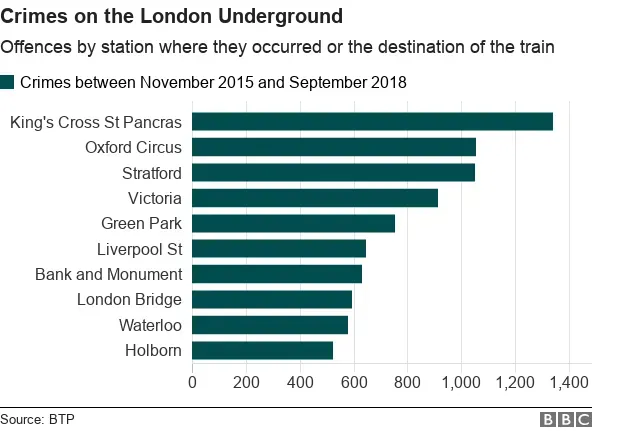
Crime statistics indicate that areas in London dominate the list of UK train stations with the highest crime rates. Notably, King’s Cross train station reported a staggering 1,479 offences, while stations such as Euston and London Bridge also contributed significantly to these figures. This information is crucial for understanding the safety challenges faced by rail users and the need for vigilant measures to deter criminal activities.
The Safest and Most Dangerous Train Stations in the UK
Examining the list of stations reveals a stark contrast between the safest and most dangerous places for commuters. While London’s bustling hubs like Waterloo and Kings Cross showcase high passenger numbers, they equally bear the brunt of crime-related incidents. Conversely, some regions outside of London are also grappling with escalating crime, such as schools and hospitals near key stations, reflecting broader societal issues.
However, it is important to highlight that most train stations in the UK are considered safe environments, particularly due to proactive measures implemented by British Transport Police. Stations typically have surface-level security, including CCTV surveillance and visible patrols, which contribute to deterring crime. According to Network Rail, the chances of becoming a crime victim in these areas remain remarkably low, providing passengers with a sense of security on their journeys.
In recent years, increasing public awareness of crime statistics at UK train stations, such as theft and violent acts, has heightened concerns among travelers. Reports have shown that incidents may surge during peak times or special events, which necessitates ongoing assessment and adjustment of policing strategies to ensure rider safety. This dynamic environment highlights the need for constant vigilance and collaboration among various stakeholders, including rail authorities and law enforcement.
Many train operators emphasize ongoing improvements in passenger security and infrastructure, with initiatives aimed at bolstering safety in crowded transit areas. These measures often include increased police presence and additional training for staff on risk management and safety protocols, aimed at minimizing crime and enhancing overall commuter experience.
A Focus on London Train Stations and Crime Statistics
As central hubs in the UK’s transportation network, London train stations are often the focal point for crime statistics. Data reveal that iconic stations like Euston and Birmingham New Street have recorded significant numbers of offences, including theft and drug-related crimes. Euston particularly stands out with around 650 reported thefts last year, alongside a worrying number of violent incidents.
In addressing these concerning figures, London’s primary stations have been under scrutiny, with public calls for additional policing and preventative measures. The British Transport Police has committed to deploying officers in high-traffic areas, responding to the public’s demands for a safer travel experience on the network.
Public Response and Police Strategies to Combat Crime
The British Transport Police have taken significant strides in addressing public safety concerns stemming from the rising crime rates at UK train stations. Their efforts include conducting awareness campaigns to inform passengers about their reporting options, utilizing tools like the text-to-report service 61016. Such initiatives aim to engage the community in ensuring railway safety and encouraging prompt reporting of any suspicious activity.
Moreover, police strategies have become increasingly dynamic, adapting to real-time data and insights gathered from crime reports. Officers are deployed based on spike trends, ensuring a robust law enforcement presence at risk-prone stations. This proactive approach not only aims to deter crime but also reassures passengers that their safety is the utmost priority for railway operators.
Implications of High Crime Rates on Railway Transportation
High crime rates at certain UK train stations have broader implications for public transportation and commuter trust. Passengers may start to reconsider their travel choices, affecting the volume of riders and, subsequently, railway revenues. Significant drops in commuter traffic could pose challenges for the continuity of services, ultimately impacting the economy.
To mitigate these adverse effects, railway authorities are actively implementing strategies aimed at reassuring passengers. This includes enhancing partnerships with local law enforcement agencies, increasing visibility for police presence, and engaging in community outreach to boost confidence among travelers. By demonstrating a commitment to tackling crime, authorities hope to restore trust and encourage patronage of UK train services.
The Role of CCTV and Surveillance in Enhancing Security
CCTV and surveillance measures have become critical components in enhancing security at UK train stations, especially amidst rising crime figures. With comprehensive camera systems deployed in key areas, authorities can effectively monitor activities around the stations. These systems serve as vital tools for crime prevention and help authorities respond promptly to incidents.
Moreover, surveillance footage plays a critical role in investigations and in gathering evidence against offenders. By increasing coverage in identified risk areas, train stations can significantly deter criminal activities, reassuring the public about their safety while using rail services. As technology continues to advance, innovative solutions will emerge, further enhancing public security across the rail network.
Government and Transportation Authorities’ Commitment to Safety
In response to the rising crime rates at UK train stations, government and transportation authorities recognize the urgent need for comprehensive safety strategies. Establishing a long-term funding plan for British Transport Police is essential to maintain an adequate presence on the railways and effectively respond to passenger safety concerns. Ensuring the safety of both passengers and staff is paramount in fostering a trusting and secure environment.
Besides funding, policy changes to legislate harsher penalties for crimes against transport workers are also on the agenda. This step aims to deter potential offenders and promote a safer working environment for railway staff, ultimately benefitting the overall safety of the rail network and its users. By prioritizing these critical safety measures, transport authorities are taking the necessary steps to create a safer travel experience for everyone.
The Community’s Role in Reporting and Preventing Station Crime
The role of the community cannot be overstated when it comes to crime prevention at UK train stations. Engaging the public through awareness programs encourages riders to be vigilant and proactive in reporting any suspicious activity. Initiatives like community engagement campaigns by British Transport Police help foster a collaborative environment where both passengers and law enforcement work together to combat crime.
When communities feel empowered to participate in safety efforts, it not only results in a heightened sense of security among passengers but also leads to lower crime rates overall. Encouraging dialogue between transport authorities and the public helps build trust and a collective determination to advocate for safety improvements, ultimately contributing to a more secure railway system.
Frequently Asked Questions
What are the crime statistics for UK train stations in 2023?
In 2023, crime statistics from the British Transport Police revealed a concerning rise in crime rates at UK train stations, with nearly 18,000 incidents reported across the 30 most affected stations. Major cities like London, Manchester, and Birmingham feature prominently in these crime statistics, showing significant rates of offences ranging from theft to violent crimes.
Which train stations in the UK have the highest crime rates?
The latest data indicates that London train stations dominate the list of the highest crime rates, with Euston, King’s Cross, and London Bridge reporting the most offences. For instance, Euston station recorded 1,479 offences last year, more than any other station in the UK, highlighting the pressing safety concerns at these major transport hubs.
How does the British Transport Police address crime at train stations?
The British Transport Police focuses on enhancing safety at UK train stations through regular patrols, extensive CCTV coverage, and community engagement initiatives. Their commitment is further reflected in campaigns to raise public awareness about reporting incidents, including utilizing the 61016 text-to-report service, ensuring timely responses to any reported crime.
Are UK train stations safe for passengers amid rising crime rates?
Despite rising crime rates at several UK train stations, the consensus among authorities is that the chances of becoming a victim of crime remain low. Stations are staffed throughout the day, with a visible presence of police officers and a robust network of surveillance to deter criminal activities, promoting a safer travelling experience.
What types of crimes are most commonly reported at UK train stations?
Common types of crimes reported at UK train stations include theft, violent assaults, public order offences, and drug-related crimes. For example, Euston station reported 650 thefts and numerous violent incidents in the past year, signaling the diverse nature of criminal activities at these major rail hubs.
How can passengers report crime at train stations in the UK?
Passengers can report crimes or suspicious activities at UK train stations by contacting the British Transport Police via their 61016 text service, calling 0800 40 50 40, or approaching on-site officers. This proactive reporting is vital for maintaining safety and allowing authorities to respond effectively to crime incidents.
What measures are being taken to increase safety at the highest crime rate train stations in the UK?
To enhance safety at high crime rate train stations in the UK, initiating increased police presence, improving staff training for handling incidents, and upgrading surveillance systems are crucial measures being implemented. The British Transport Police emphasizes the importance of consistent patrols and community feedback to adapt strategies accordingly.
How do crime rates at London train stations compare to those in other UK cities?
London train stations, such as Euston and King’s Cross, typically exhibit higher crime rates compared to stations in other UK cities like Manchester and Birmingham. This disparity can be attributed to the volume of passengers and the urban environment, which can contribute to increased opportunities for crime.
| Station Name | Recorded Offences | Key Facts |
|---|---|---|
| Finsbury Park | 626 | Serves both mainline and Underground services. |
| Kings Cross St Pancras Underground | 736 | One of London’s busiest hubs with 77.13 million passenger movements. |
| Waterloo | 778 | Biggest train station in the UK with 24 platforms. |
| Manchester Piccadilly | 827 | Notable for a recent assault case witnessed by passengers. |
| Paddington | 852 | First served by Underground trains in 1863. |
| Birmingham New Street | 958 | High public order incidents, trailing London Bridge. |
| St Pancras International | 1,035 | Serves as a hub for Eurostar services. |
| London Bridge | 1,074 | Highest for weapons-related crimes and public order offences. |
| Kings Cross | 1,479 | Served by multiple train operators including Grand Central. |
| Euston | 1,227 | Noteworthy for violent and drug-related crimes. |
Summary
UK train stations crime rates remain a pressing concern, with recent statistics revealing that some of the nation’s major transport hubs have alarmingly high incident reports. As highlighted by the British Transport Police, areas such as Euston and King’s Cross exhibit some of the highest crime figures, prompting calls for increased policing and safety measures. The data shows a pressing need for ongoing attention to ensure the safety of both passengers and railway staff.