Listen to this article
The recent UK state pension changes have introduced critical updates that can significantly affect your retirement planning. With the launch of the new UK state pension system, there is much to understand regarding state pension eligibility, including essential contributions and qualifying years. Individuals nearing retirement must take note of these amendments as they could lead to an increase in state pension amounts, helping to maintain a better standard of living. As the landscape of state pension tax evolves, it’s vital to stay informed about your rights and responsibilities, especially if you’re self-employed and making national insurance contributions. This overview aims to simplify these changes, ensuring that every retiree can maximize their benefits and enjoy financial peace in their golden years.
Understanding the latest amendments to the pension framework is crucial for retirees and those approaching retirement age. The updated structure of the state pension system in the UK reflects a shift from previous policies, focusing on streamlined eligibility criteria and enhanced benefits for contributors. As individuals navigate through the evolving landscape of retirement finances, it is essential to be familiar with the various factors influencing pension amounts, such as voluntary contributions and age thresholds. Additionally, changes to the way self-employed individuals contribute to their pensions are noteworthy, as they can impact overall retirement income. This guide will help clarify these intricate aspects of the pension system, paving the way for a more secure and informed retirement.
Key Features of the New UK State Pension
The New UK State Pension, introduced in April 2016, is designed to provide a simpler and fairer system for determining retirement benefits. It replaces the old basic state pension and aims to ensure that long-term contributors receive enhanced benefits. One of the key features is the move towards a flat-rate pension, meaning that individuals are rewarded based on their qualifying years of National Insurance contributions rather than the amount contributed. This shift simplifies the process of determining pension amounts, allowing for a more transparent and equitable distribution of benefits.
Additionally, the introduction of the new pension system has led to an increase in the maximum weekly payout to £179.60 for the 2023/24 fiscal year. This increase is a response to the rising cost of living and the need for retirees to maintain a reasonable standard of living. Furthermore, the emphasis on having a minimum of 35 qualifying years encourages consistent contributions over a working lifetime, which aligns with the government’s strategy to create a sustainable and fair pension system.
Understanding State Pension Eligibility Changes
State pension eligibility has evolved with the introduction of the new UK state pension. To be eligible for any degree of the new state pension, individuals must have a minimum of ten qualifying years of National Insurance contributions, and to receive the full amount, they are required to have contributed for at least thirty-five years. This significant change highlights the government’s intention to promote responsible saving behaviours among future retirees.
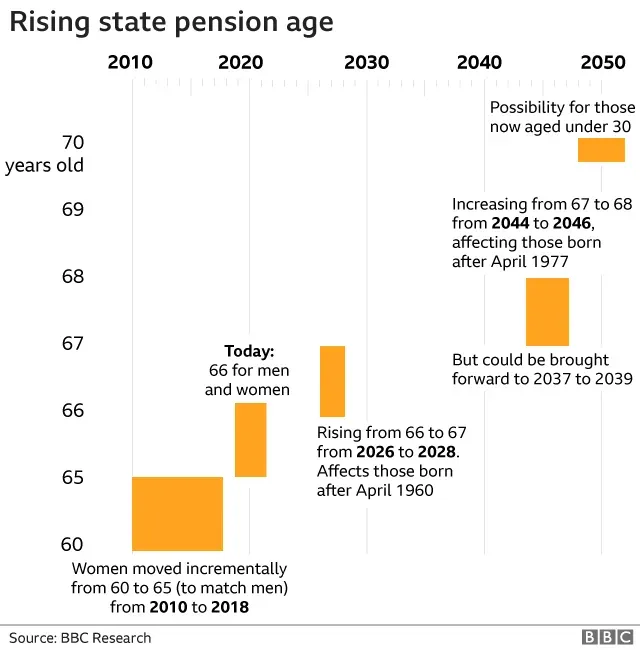
Moreover, there is an incremental increase in the state pension age, with current plans pushing the age to 67 for those born on or after April 6, 1960. This adjustment reflects demographic shifts and aims to ensure the pension system’s sustainability in the long run. For future planning, it’s vital for individuals to check their National Insurance records regularly and understand how their contributions affect their entitlement to the state pension.
Individuals who missed contributions during their working lives due to valid reasons like caregiving or health issues can make voluntary contributions to fill these gaps. This has become a crucial part of preparing for retirement and ensuring eligibility for the maximum pension benefits.
Increasing Your State Pension: Strategies to Consider
For individuals who wish to enhance their state pension benefits, several strategic options are available. One effective strategy is to make voluntary National Insurance contributions if you fall short of the required thirty-five qualifying years. This proactive approach can significantly increase your future pension payout and ensure that you receive the financial support you need in retirement.
Another method to increase the amount you receive is to delay your pension claim. By postponing your claim, you can boost your pension payments, as they increase for every 5 weeks that you delay. This approach allows you to accumulate a larger weekly payment, thus providing greater financial security during retirement. For those who can afford it, this strategy can be particularly beneficial, allowing retirees to maximise their state pension.
Tax Implications of the State Pension
Understanding the tax implications of the state pension is crucial for effective retirement planning. The state pension is classified as taxable income, which means that retirees must consider their tax liabilities when calculating their net income after retirement. For many individuals, the state pension could push them into a higher tax bracket, so it’s essential to be aware of how much tax may be owed.
Retirees should also explore tax relief opportunities available to them, especially if they are receiving additional income from employment or personal pensions. It’s advisable to consult with a tax professional to effectively navigate these implications, ensuring that retirees do not face unexpected tax bills that could erode their planned retirement income.
The Importance of Checking Your National Insurance Record
Regularly checking your National Insurance record is a critical step in managing your retirement planning. An accurate record helps you understand how many qualifying years you have and identifies any gaps that may exist due to unreported earnings or employment breaks. The UK Government provides an online service that makes it easy for individuals to access their records and ensure they are on track to meet eligibility criteria for the state pension.
Should you discover gaps in your contributions, you have options available to rectify this. Making voluntary contributions can fill these discrepancies, allowing for a smoother qualification path towards the full state pension. By staying informed and up-to-date with your National Insurance contributions, you can better prepare for your financial future and avoid any surprises at the time of retirement.
Seeking Professional Financial Advice for Retirement Planning
As retirement approaches, many individuals find it beneficial to consult with a financial advisor. The complexities of the UK state pension system, combined with personal financial circumstances, necessitate a tailored approach to planning. A financial advisor can provide insights into maximizing pension benefits, navigating tax implications, and integrating other savings strategies into your retirement plan.
Furthermore, financial advisors can evaluate your current situation, help you manage investments, and ensure your retirement funds are allocated appropriately. This guidance is especially valuable for self-employed individuals, as they have different considerations regarding pension contributions and eligibility. Engaging with a professional can lead to more informed decisions, ultimately contributing to a secure and fulfilling retirement.
Frequently Asked Questions
What are the key changes to the UK State Pension system introduced in 2016?
The UK State Pension system saw significant modifications in April 2016 with the introduction of the new state pension. Notable changes include the abolishment of the basic state pension, the implementation of a flatter rate of benefits based on qualifying years, and the potential for some individuals to receive enhanced payments if they qualify under the new criteria.
How does the new UK State Pension affect eligibility requirements?
Under the new UK State Pension rules, individuals must be at least 66 years old and have made a minimum of 10 years of national insurance contributions to qualify for any pension benefits. To receive the full new state pension, you must achieve 35 qualifying years of contributions.
How can I increase my UK State Pension amount before retirement?
You can increase your UK State Pension by making voluntary national insurance contributions to cover any gaps in qualifying years or by delaying your pension claim. Delaying your claim can result in a larger weekly payment, increasing your overall retirement income.
What are the tax implications on the UK State Pension income?
The UK State Pension is considered taxable income. Therefore, it is vital to take into account how it fits into your overall income for tax purposes, as this can influence your net earnings during retirement.
How do self-employed individuals contribute to the new UK State Pension?
Self-employed individuals must pay Class 2 national insurance contributions to qualify for the new UK State Pension. Keeping accurate financial records and ensuring timely contributions are essential for maximizing entitlement to state pension benefits.
How do I check my national insurance record in relation to the UK State Pension?
To verify your national insurance record and understand your contribution history, visit the official UK Government website, where you can use their online service to check your national insurance contributions and see if there are any gaps that need addressing.
| Key Point | Details |
|---|---|
| Overview | The UK state pension system has evolved, moving from the old to the new system since April 2016. |
| Key Changes | Replacement of the Basic State Pension with a new, clearer structure based on qualifying years. |
| Current Rates | The new state pension rate is currently £179.60 per week. |
| Eligibility Requirements | Minimum age of 66; at least 10 years of contributions for any pension, and 35 years for the full amount. |
| Retirement Age Changes | Gradual increase to 67 for those born after April 6, 1960. |
| Self-Employed Considerations | Self-employed individuals must pay Class 2 national insurance contributions to qualify. |
| Check National Insurance Record | Verify contributions online through the UK Government website. |
| Increasing Your Pension | Options include making voluntary contributions or delaying your pension claim. |
| Tax Implications | The state pension is taxable and this affects your net earnings. |
| Future Considerations | Stay updated on potential reforms and use calculators for retirement forecasting. |
| Professional Advice | Consider consulting a financial advisor for personalized pension planning. |
Summary
The UK state pension changes introduce essential adjustments impacting eligibility, rates, and financial planning for retirees. Navigating the new UK State Pension Changes effectively ensures you understand the revised eligibility criteria and how these shifts affect your financial future. It is vital to remain informed about your contributions, consider ways to enhance your pension, and seek professional advice for a more secure retirement. By staying proactive, you can make informed decisions to secure your financial well-being as you enter retirement.