Listen to this article
The UK State Pension changes have sparked a wave of discussions and concerns among those preparing for retirement. As the government updates its policies, understanding the implications of these adjustments becomes crucial for effective retirement planning. Throughout this article, we will demystify state pension myths that may cloud perceptions of the UK pension system, revealing the realities that affect retirement income. With government’s pensions playing a major role, it is essential to stay informed about how these changes may influence your financial security in retirement. Join us as we explore the nuances of UK State Pension changes and provide insights that can help shape a better future for retirees.
Navigating the intricacies of pension reforms in the UK can sometimes feel overwhelming, especially as adjustments to retirement benefits come into play. Many individuals nearing the end of their careers may feel uncertain about their entitlements and how recent developments might impact their financial future. This discourse will address prevalent misconceptions regarding the state pension, often considered a primary component of retirement income in the UK. By clarifying the relationship between government pensions and effective retirement planning, we aim to provide valuable context for individuals preparing for this transitional phase of life. Let’s delve into the key elements surrounding these pension modifications and separate the facts from fiction.
The Importance of Understanding Your UK State Pension
Understanding your UK state pension is crucial for effective retirement planning. Many retirees rely on this pension as a primary source of their retirement income, making it essential to grasp how the system works. By familiarising oneself with the intricacies of the state pension scheme, individuals can avoid common misconceptions and plan better for their future finances.
It’s not just about knowing the amount you will receive, but also understanding the criteria that impact your eligibility and the potential adjustments based on the government policies. Awareness of the system can help individuals maximise their retirement benefits and prepare more robustly for the years to come.
What Changed with the New State Pension?
The introduction of the new state pension in 2016 marked a significant shift in the UK pension system. This reform aimed to create a simpler and more equitable pension structure that reflects individual contributions more accurately. The flat-rate compensation is designed to provide a clearer picture for retirees, letting many know exactly what to expect based on their National Insurance contributions.
Additionally, the new state pension is subjected to an earnings link, ensuring gradual increases to match living costs, which is pivotal for maintaining the purchasing power of pensioners. For those new to the system, recognising these changes is vital for understanding the benefits and conditions associated with their future retirement funding.
Myth: Everyone Receives the Same Pension Amount
One prevalent myth surrounding the UK state pension system is the belief that everyone receives the same amount upon retirement. In reality, pension amounts vary significantly based on individual work histories and National Insurance contributions. Those with less than the requisite number of qualifying years or who were previously contracted out of the pension scheme will find their pensions to be lower than the flat-rate amount.
This misunderstanding leads to unrealistic expectations for many approaching retirement. It highlights the necessity for transparent communication regarding individual contributions and entitlements in the pension system, thus empowering individuals to make informed decisions about their retirement income strategies.
Addressing State Pension Age Variability
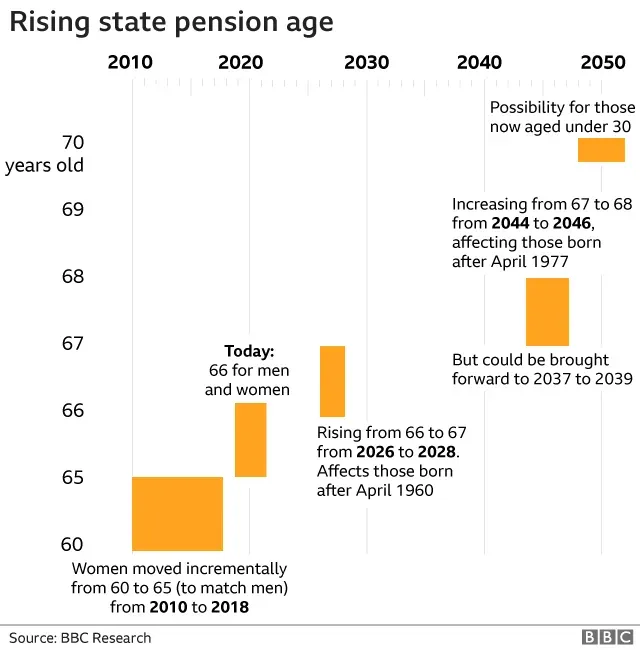
Another common misconception is that the state pension age remains constant once reached. This is far from the truth, as the UK government regularly reviews and adjusts the pension age in response to demographics and life expectancy trends. Many individuals may not anticipate that their planned retirement age could shift, potentially impacting their overall retirement strategy.
It is important for future retirees to remain aware of such changes, as these decisions are made based on broad economic analyses and are subject to governmental scrutiny. Monitoring these adjustments allows individuals to adapt their retirement plans accordingly.
Inflation and State Pension Increases Explained
The belief that a pension will automatically increase with inflation is another myth that needs addressing. While part of the new state pension framework allows for annual reviews that can account for inflation, these adjustments are not guaranteed and can be influenced by various economic factors. Retirees may find that the actual increases do not suffice to keep pace with the rising cost of living.
Understanding this aspect of the state pension is key for retirees as it underscores the importance of diversifying their retirement income. Individuals might need to bolster their pensions with private savings or investments to ensure financial stability throughout their retirement.
Maximising Your Retirement Income Through Additional Savings
To ensure a comfortable retirement, it is crucial to understand that the state pension may not be sufficient on its own. As studies indicate, the state pension often only covers a fraction of the typical living expenses, particularly in urban areas with a higher cost of living. Therefore, it is recommended to start supplementing the state pension with additional savings or private pension schemes.
Exploring various investment options, such as personal savings accounts and pension plans, also provides a financial safety net that can alleviate the pressures of relying solely on government pensions. Developing a well-rounded retirement strategy that includes these elements is instrumental in achieving one’s desired lifestyle post-retirement.
Frequently Asked Questions
What are the recent changes to the UK state pension system?
Recent changes to the UK state pension system include the introduction of the flat-rate pension in 2016, which established the new state pension, currently set at £203.85 per week. The new system is tied to average earnings, and individuals need at least 35 years of National Insurance contributions to qualify for the full amount.
What myths exist about the UK state pension changes?
Common myths regarding UK state pension changes include the belief that everyone receives the same pension amount, the state pension age will remain fixed, and that the pension will automatically increase with inflation. It’s crucial to distinguish fact from fiction to make informed retirement planning decisions.
Can I work while receiving my UK state pension?
Yes, you can work while receiving your UK state pension. There are no restrictions on earning additional income once you have reached the state pension age (SPA). However, continued employment may affect your National Insurance contributions and future pension eligibility.
Is the state pension enough for a comfortable retirement in the UK?
Unfortunately, the state pension alone is often not sufficient to cover living expenses for a comfortable retirement in the UK. Retirees are generally encouraged to consider additional savings options, such as private pensions, to supplement their retirement income.
How does the new state pension address inflation?
The new state pension includes provisions for annual increases linked to inflation but is subject to government discretion. The pension may rise based on the highest of the Consumer Price Index (CPI), average earnings, or a guaranteed increase of 2.5% (triple lock), although this can be suspended during economic hardship.
What steps should I take to prepare for my retirement under the UK state pension changes?
To prepare for retirement under the UK state pension changes, it’s important to check your National Insurance record for qualifying years, consider additional savings through private pensions, and stay informed about any future changes to the pension system that could affect your retirement income.
| Key Aspect | Myth | Reality |
|---|---|---|
| Pension Amount | Everyone gets the same pension amount | Pension amount varies based on National Insurance contributions. |
| State Pension Age | State pension age will remain the same | State pension age is subject to change based on government reviews. |
| Pension Increase | Pension will automatically increase with inflation | Increases are not guaranteed and depend on government discretion. |
| Working with Pension | You can’t work while receiving your pension | You can work and receive your pension without reductions. |
| Sufficiency of State Pension | State pension is enough to live on | State pension alone often does not cover living expenses. |
Summary
UK State Pension Changes have been a significant topic of discussion, especially among retirees and those nearing retirement age. The shifts in the pension system, including the introduction of the flat-rate New State Pension, have clarified some misconceptions while creating new questions. It is essential to understand that the amount of pension one receives is contingent on individual National Insurance contributions, and the state pension age is subject to governmental changes. Moreover, while the pension may be linked to inflation, retirees should not rely solely on it to meet their living expenses. Adequate preparation and continued savings are crucial for ensuring a comfortable retirement.