Listen to this article
The UK State Pension Changes 2023 have brought forth important updates that will significantly affect millions of retirees across the nation. As we delve into this year, it’s vital for individuals to grasp the nuances of these adjustments to ensure effective retirement planning. With the State Pension increase 2023 set to rise in alignment with inflation, many pensioners are poised to see a marked enhancement in their weekly income. Additionally, understanding benefits like Pension Credit could provide extra financial support to those in need. In this overview, we’ll explore everything you need to know about the new State Pension 2023 and how to navigate these changes successfully.
In light of the recent reforms, the alterations to the UK’s pension system in 2023 call for a closer examination of retirement income frameworks. This year’s enhancements not only encompass a rise in the State Pension amount but also include adjustments to eligibility criteria as well as potential benefits that could assist retirees. Understanding terms such as retirement income enhancements and supplementary financial assistance is critical for those approaching their golden years. As we explore various aspects of these regulatory changes, the focus will also include how retirees can better position themselves with informed financial choices. Ensuring clarity on the New State Pension 2023 and its implications will empower individuals as they plan for a secure future.
Understanding the Recent UK State Pension Changes 2023
In 2023, the UK State Pension saw notable enhancements aimed at increasing financial security for retirees. These changes are not just numbers; they represent a significant shift in how the government supports its ageing population. With rising living costs, the importance of having a robust State Pension cannot be overstated. Those nearing retirement or already benefitting from the pension need to be aware of these updates to ensure they maximize their financial resources.
The 2023 adjustments were driven mainly by the inflation rate and wage growth, which directly inform the ‘triple lock’ mechanism. As a result, retirees can expect an uplift in their weekly payments—transforming the financial landscape for many households. For speakers of the UK’s economy, especially in times of financial uncertainty, understanding these changes will aid individuals in retirement planning and supplementing their current earnings effectively.
State Pension Increase 2023: How Much More Will You Receive?
The 2023 increase in the UK State Pension amounts to a substantial rise, with the new maximum for the New State Pension reaching £203.85 per week compared to last year’s amount of £185.15. This increase aligns with government promises to protect pensioners against inflation, thereby ensuring that their purchasing power remains stable as costs of essential goods rise. Knowing the new figures allows retirees to budget more effectively, making it imperative for individuals to stay updated on these changes.
Moreover, this increase isn’t just beneficial for new retirees; those already in receipt of the pension will see adjustments automatically reflected in their payments starting from April 2023. This shift means that existing pensioners do not have to take any additional steps to receive these enhanced benefits, reflecting the government’s commitment to improving the lives of its older citizens as they navigate through financial challenges.
Eligibility Criteria for the State Pension in 2023
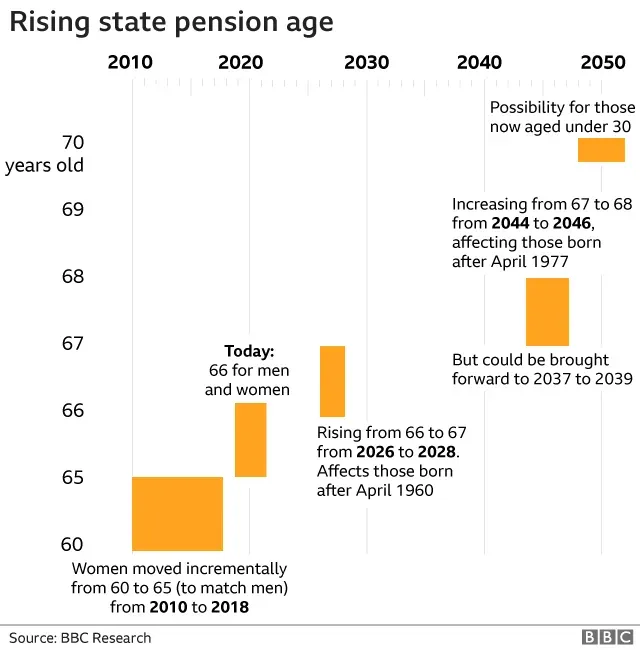
As part of the changes introduced in 2023, the eligibility criteria for the UK State Pension will affect how individuals plan their retirements. The current age for accessing the State Pension is set at 66, with plans to gradually increase to 67 by 2028. Understanding when you qualify for your pension—and how long you must contribute—is critical for anyone looking to retire in the coming years.
Changes in the National Insurance contributions have also been implemented, requiring individuals to have at least 35 qualifying years to obtain the full New State Pension. Those who fall short of this threshold can still claim a pension, albeit at a reduced rate. This alteration places greater emphasis on the importance of consistent contributions during one’s working life, making it essential for workers to be aware of their contribution history and to plan accordingly.
Navigating Transitional Protections for Near-Retirees
The introduction of transitional protections is one of the most significant changes for those who are nearing retirement. This adjustment is designed to shield those who were close to retirement age when the New State Pension scheme was introduced, allowing them to secure a higher pension amount under the old system. This means that anyone affected by the transition is recommended to review their entitlements, as it could have a substantial impact on their monthly income.
Transitional protections can mitigate the financial pressure on individuals who may be left in tougher circumstances due to changes in pension entitlement. Therefore, it is crucial for potential retirees to take proactive measures to assess their situation. By consulting official resources or financial advisors, individuals can ensure they maximize the benefits available to them during this pivotal stage in their lives.
Benefits Available for Existing Retirees in 2023
For current retirees, the increase in State Pension payments is a welcome relief, particularly in the face of global economic challenges. According to government guidance, these adjustments to the pension payments will automatically occur, meaning retirees will not have to engage in any additional processes to receive their increased income. Understanding this process allows pensioners peace of mind, knowing that they will not face a gap in their expected income.
Additionally, the UK government continues to promote supplementary benefits, such as Pension Credit, which assists those living on lower incomes. This support mechanism is crucial for many pensioners who may find themselves financially struggling due to rising costs. Therefore, retirees should actively engage with these support services, ensuring they are receiving all the help available to secure their financial wellbeing during their retirement years.
Retirement Planning: Essential Steps for 2023
As we navigate the new terrain of the UK State Pension in 2023, effective retirement planning becomes more critical than ever. Individuals preparing for retirement should review their finances, taking into account the new State Pension rates as well as any potential income from private pensions or savings. Ensuring a diversified income stream can provide additional security and peace of mind as they enter this phase of life.
Staying informed about the latest changes to pension regulations and understanding how they affect your financial situation is also essential. The government frequently updates policies which could impact your financial readiness for retirement. Seeking guidance from financial advisors enables individuals to tailor their approach, helping to clarify uncertainties and providing personalized strategies for a secure retirement.
Frequently Asked Questions
What are the UK State Pension Changes 2023 that retirees should be aware of?
The UK State Pension Changes 2023 include a significant increase in the New State Pension to £203.85 per week, adjustments in eligibility criteria requiring 35 qualifying National Insurance years, and the introduction of transitional protections for those nearing retirement.
How does the State Pension increase 2023 affect current pensioners?
Current pensioners will see an automatic increase in their State Pension payments starting April 2023, reflecting the rising inflation rate, which is a key feature of the triple lock mechanism.
What is Pension Credit and how does it relate to the UK State Pension Changes 2023?
Pension Credit is an additional benefit for those with low incomes, aimed at enhancing retirement income. The government has emphasized the importance of applying for Pension Credit, especially in light of the economic challenges faced by many pensioners following the State Pension changes in 2023.
What is the significance of the New State Pension 2023 for those close to retirement?
The New State Pension 2023 changes have introduced transitional protections that can provide higher payments for those nearing retirement age, ensuring that they receive fair compensation as they transition to the new pension system.
How can I check my State Pension entitlement after the UK State Pension Changes 2023?
To check your State Pension entitlement post-UK State Pension Changes 2023, you can review your National Insurance record to ensure contributions are correctly recorded and use the Government Gateway online service for a detailed forecast of your State Pension amount.
What steps should I take for retirement planning in light of UK State Pension Changes 2023?
For effective retirement planning considering the UK State Pension Changes 2023, review your overall financial situation, stay informed about pension law updates, and consider seeking professional advice to optimize your retirement savings and entitlements.
| Key Point | Details |
|---|---|
| State Pension Increases | State Pension to increase to £203.85 per week, reflecting the highest of average wage growth, inflation, or a 2.5% increase. |
| Changes in Eligibility | State Pension age is now 66, rising to 67 by 2028. At least 35 qualifying years needed to claim full New State Pension. |
| Transitional Protections | Individuals closer to retirement may benefit from higher amounts under the old pension scheme. |
| Impact on Existing Retirees | Current pensioners automatically receive increased payments from April 2023. |
| Additional Pension Benefits | Pension Credit available for low-income pensioners to boost income during rising costs. |
Summary
The UK State Pension Changes 2023 represent critical updates that affect both current and future retirees. With the increase in weekly payments to £203.85, changes in eligibility requirements, and the availability of additional benefits like Pension Credit, it is essential for individuals to be well-informed. These modifications are designed to enhance the financial security of pensioners against the backdrop of rising living costs. Staying updated on these changes and assessing personal financial plans will aid in maximizing retirement outcomes.