Listen to this article
UK state pension changes are poised to significantly impact the financial landscape for future retirees. As the government implements new legislation regarding the state pension, it’s crucial for individuals to understand how these adjustments may influence their retirement plans. With modifications such as increases in the UK retirement age, cost of living adjustments, and pension credit changes, staying informed has never been more vital. These developments affect how much income retirees can expect and how they should approach financial planning for retirement. By grasping these complexities now, individuals can better prepare for a secure financial future as they transition into retirement.
The modifications to the UK pension system are garnering attention as they hold considerable ramifications for retirement strategy. Understanding the recent alterations to pension eligibility, along with the adjustments in government benefits aimed at seniors, is essential for those nearing or contemplating retirement. With the rising age threshold for receiving state pensions and the ongoing inflation adjustments impacting payouts, many are re-evaluating their financial frameworks. Moreover, the recent changes to pension credit policy may redefine support options for low-income retirees. As we explore these essential topics, gaining clarity on retirement benefits is critical for effective long-term financial planning.
The Importance of Understanding UK State Pension Changes
As you approach retirement, understanding the nuances of the UK state pension changes is more critical than ever. The alterations in state pension policy can significantly influence your financial security during your retirement years. With the increasing state pension age and adjustments to pension credit, these changes demand careful consideration. This knowledge enables you to effectively plan your retirement, ensuring that your financial future remains stable and secure.
Moreover, keeping abreast of the latest developments in pension regulations can help you navigate potential pitfalls that may arise due to unpredicted shifts in legislation. By leveraging resources and seeking professional financial advice, you can better understand how these state pension changes will impact your retirement plan and prepare adequately for your golden years.
Navigating the Increasing State Pension Age
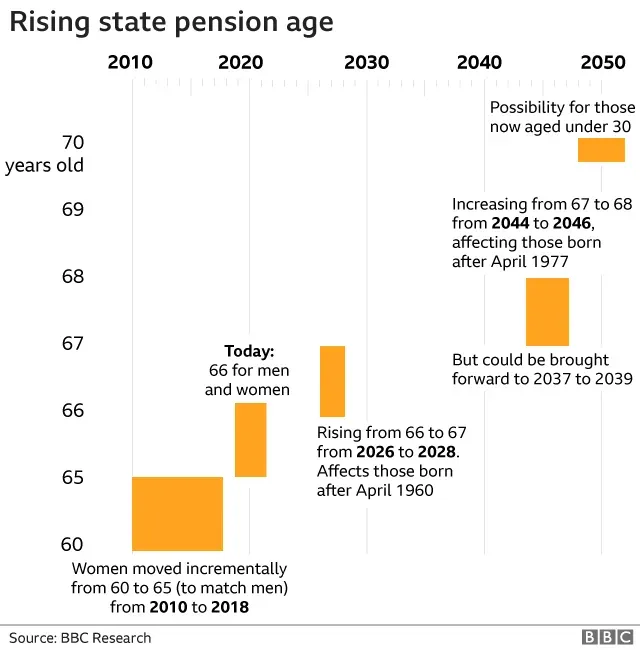
The gradual increase in the state pension age in the UK has been a significant shift for current and future retirees. By 2028, the state pension age will reach 67, necessitating many individuals to work longer before they can claim their benefits. This adjustment requires a reevaluation of both your retirement age and savings strategies. For those planning to retire early, this could mean extending your career or finding alternative means of income until reaching the new pension age.
In light of this, it becomes essential to consider how this prolonged working life affects your lifestyle and personal fulfillment. Adjusting your career plans accordingly might require a more strategic approach to financial planning, ensuring that you set aside enough savings to maintain your desired quality of life during retirement.
Understanding the Cost of Living Adjustments Impact on Pensions
The shift in how the UK state pension is adjusted to reflect the cost of living is another vital aspect that cannot be overlooked. Previously tied to the Retail Prices Index, the transition to the Consumer Prices Index means that increases in your state pension may not keep pace with rising living costs. This change could dampen your financial outlook if not strategically addressed.
Therefore, it is crucial to re-evaluate your retirement budget in light of these adjustments. Consider factoring in additional income sources such as workplace pensions or private savings to help mitigate the impact of these changes. By doing so, you can ensure that your retirement plans align with the financial realities of living costs.
Navigating Pension Credit Changes
The changes to pension credit eligibility can create uncertainty for many retirees who rely on this financial support. Adjustments in the criteria can lead to changes in the support available for low-income pensioners, necessitating a clear understanding of how these alterations might affect your financial status now and in the future.
Being informed about the new pension credit guidelines is crucial for retirees looking to secure adequate financial support. If you believe you may qualify under the new regulations, consider reaching out to financial advisers or local services that specialize in pension advice to maximize your benefits and ensure financial peace of mind.
The Role of Financial Planning in Retirement
Effective financial planning is foundational to a successful retirement, particularly in light of state pension changes. As you assess the modifications to pension structures, it’s the perfect opportunity to analyse your entire financial picture, including savings, investments, and other income streams. Establishing a comprehensive retirement plan that takes into account all your income sources will provide you with a clearer understanding of your financial health.
Creating a robust financial plan also involves setting clear retirement income targets. With the potential changes to the state pension and cost of living adjustments, identifying the amount needed for a comfortable retirement will help ensure you are adequately prepared to meet your needs.
Seeking Professional Guidance for Retirement Security
With ongoing changes in the UK state pension system, strategically engaging with a financial advisor is an important step for anyone nearing retirement. A financial professional can assist you in navigating the complexities of pension options, investment strategies, and other key considerations that will safeguard your financial future. They will help you build confidence in your retirement strategy, ensuring you stay aligned with your long-term goals.
Furthermore, professional guidance can unveil opportunities such as optimising contributions to pensions or exploring alternative income avenues. With expert advice, you can adjust your financial plan to offset the challenges posed by pension changes, providing a stronger foundation for your retirement years.
Frequently Asked Questions
What recent UK state pension changes affect retirement plans for those nearing age 67?
The recent UK state pension changes include an increase in the state pension age to 67 by 2028, which impacts retirement plans by requiring individuals to potentially work longer before claiming their pensions. This shift necessitates a reassessment of savings strategies and lifestyle expectations.
How do cost of living adjustments impact the UK state pension and retirement budgeting?
Cost of living adjustments to the UK state pension, now indexed to the Consumer Prices Index (CPI), may influence the actual value received. This change means retirees must budget carefully, considering how the adjusted income aligns with rising living costs.
What are the implications of pension credit changes for low-income retirees in the UK?
Changes to pension credit eligibility can significantly affect low-income retirees by altering financial support structures. Those nearing retirement should review their eligibility and consider these adjustments in their overall retirement planning.
How will rising national insurance contribution rates influence financial planning for retirement in the UK?
Increasing national insurance contribution rates may diminish available funds for personal savings, impacting overall pension income. Future retirees should factor these potential increases into their financial planning and savings strategies.
What should individuals consider about their retirement age in light of UK state pension changes?
With the increase in the state pension age, individuals must reconsider their planned retirement timing, potentially delaying their exit from the workforce and adjusting their financial strategies to accommodate this longer working life.
Why is engaging with financial advisors important when navigating UK state pension changes?
Engaging with financial advisors is crucial as they can provide personalized insights into navigating UK state pension changes, helping retirees devise comprehensive plans that account for state benefits, personal savings, and future financial needs.
| Key Points | |||
|---|---|---|---|
| Understanding the State Pension and its components (Basic and New State Pension) | The Basic State Pension provides £141.85 per week; New State Pension provides £203.85 per week for those reaching pension age after 6 April 2016. | ||
| Recent Changes to the State Pension | Increase in State Pension Age to 67 by 2028, altering retirement timing for many. | State pension adjustments now based on CPI, impacting future income. | |
| Important Considerations for Retirement Plans | Reassess retirement timing and savings strategy due to increased pension age. | Explore supplemental income sources and adjust expectations for state pension benefits. | |
| Strategies for Securing Retirement Income | Stay informed about changes, calculate retirement needs, and optimize savings contributions. | Engage with a financial advisor to develop a comprehensive retirement plan. | |
Summary
UK state pension changes are significant and require careful consideration as you plan for retirement. Understanding the impact of these changes on your financial future is crucial. With the rise in state pension age and adjustments to cost-of-living calculations, your retirement plans may need substantial revisions. It’s essential to stay informed about these developments, adjust your savings and investment strategies, and seek financial advice to ensure you can maintain your desired lifestyle in retirement. By proactively managing your retirement preparations, you can navigate these changes successfully and work towards a stable and comfortable future.