Listen to this article
The recent UK State Pension changes have brought vital updates that every current and future retiree must consider when planning for their financial future. As adjustments are made to the State Pension age and the requirements for National Insurance contributions, understanding these shifts is crucial for effectively navigating your retirement planning. In 2023, new state pension rules highlight the importance of qualifying years necessary for receiving the full pension, impacting millions across the UK. With the cost of living rising annually, staying informed about UK pension updates can empower you to maximize your benefits. This comprehensive overview will not only clarify the implications of the state pension changes but also guide you in making proactive decisions for a secure retirement.
Recent adjustments to the pension system in the UK are essential for individuals nearing retirement age, influencing how they approach their financial security. The modifications in retirement age and contribution requirements redefine the landscape of state benefits, affecting many across the nation. Understanding the essentials of the new pension framework is critical for effective retirement strategies, as many now grapple with altered eligibility criteria. Additionally, with the increasing expenses of daily living, individuals must stay abreast of the latest updates in the UK pension landscape to safeguard their incomes. Through informed planning and awareness, one can navigate these changes confidently and enhance their retirement outcomes.
Understanding the New UK State Pension Changes
The new State Pension, which was introduced in April 2016, has been a significant shift in how pensions are managed within the UK. This system replaced the old basic and additional State Pension, streamlining the process and aiming to provide a fairer means of calculation. For individuals to receive the full new State Pension, they must possess a minimum of 35 qualifying years of National Insurance contributions. This requirement marks a key change from the previous systems, where eligibility was somewhat less stringent, which means future retirees must actively ensure they are contributing effectively to their pension.
Moreover, understanding the implications of these changes cannot be overstressed. The guides and documentation provided by the UK government outline what the new State Pension entails, alongside the future projections of income available for retirees under this updated scheme. Current workers should familiarize themselves with these guidelines to avoid surprises when approaching retirement age, especially since the new system aims to support individuals more fairly based on their contributions.
Impact of State Pension Age Increase
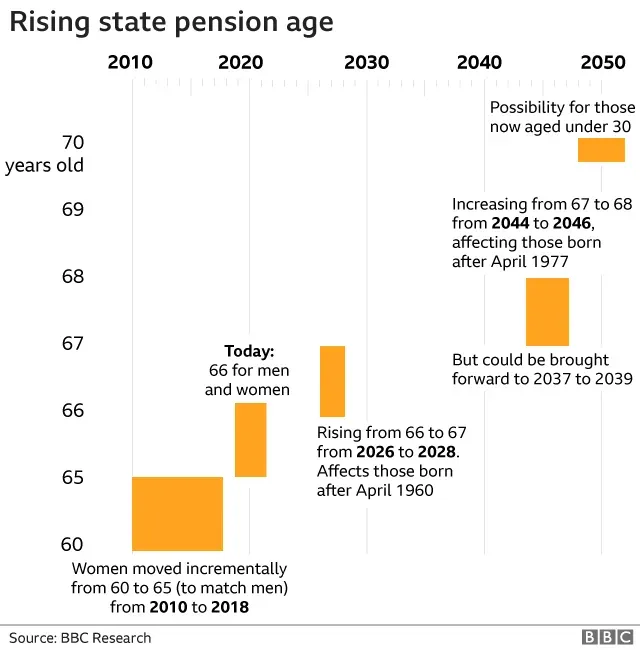
The gradual increase of the State Pension age stands as one of the most critical adjustments within the UK pension landscape, now set to climb to 67 by 2028. This change affects millions of individuals, especially those who are nearing retirement. With a minimum age of 66 currently in place, it is crucial for individuals to verify their specific State Pension age, tailored according to their date of birth. Knowing this information will help individuals plan more effectively, making crucial decisions regarding employment, retirement savings, and investment strategies.
Incorporating these adjustments into one’s life choices is a vital aspect of retirement preparedness. Individuals may need to reconsider their financial strategies, possibly working longer or increasing savings to ensure a comfortable retirement. While the government provides tools to calculate expected pensions based on these shifts, personal planning and proactive approaches become essential as the retirement landscape evolves.
Importance of National Insurance Contributions
National Insurance contributions form the backbone of the State Pension entitlement in the UK, profoundly influencing the amount individuals receive during retirement. With the recent changes, such as increasing the qualifying years needed for full entitlement, maintaining a consistent record of National Insurance payments has never been more critical. Failure to do so can significantly diminish pension benefits, leaving future retirees with less financial security than expected.
To combat potential pitfalls related to National Insurance breaches, individuals are encouraged to regularly check their National Insurance records online. Monitoring these contributions allows for timely actions to be taken if any discrepancies arise or if gaps are identified. As government advisements suggest, proactive management of National Insurance contributions assures that individuals are adequately prepared to receive their entitled State Pension.
Navigating State Pension Payment Rate Changes
An essential feature of the State Pension system is the annual review of payment rates, primarily influenced by the triple lock system. This system ensures that pensions increase according to the highest of: inflation rates, average earnings growth, or a fixed rate of 2.5%. Consequently, from April 2023, the adjustments made according to these criteria can provide a financial cushion for retirees as living costs continue to rise.
Understanding how these payment rates fluctuate is crucial for effective retirement planning. For many individuals, the State Pension may form the foundation of their retirement income. Therefore, knowing when and how much your pension will increase can aid in managing individual finances and expectations. Staying informed about these adjustments positions individuals better to adapt their budgets according to the financial landscape.
Strategic Retirement Planning for Future Generations
Retirement planning is not simply an act of saving money; it involves a broader strategic approach that encompasses understanding State Pension regulations. The recent changes in the UK State Pension scheme underscore the importance of creating a comprehensive financial strategy that integrates various pension sources, investments, and savings. To achieve financial stability, prospective retirees should begin their planning early, including keeping abreast of the fluctuating State Pension rates and how these can impact their overall financial health.
Additionally, consulting a financial advisor can prove invaluable in navigating the complexities surrounding the State Pension and other pension options. Tailored advice ensures individuals understand all aspects of their pensions, providing a roadmap that includes potential retirement dates, savings goals, and necessary contributions. By collaborating with professionals, retirees can feel empowered to make informed decisions about their financial futures.
Staying Informed About UK Pension Updates
Understanding UK pension updates is imperative in the rapidly changing landscape of retirement policy and financial security. With significant changes to the State Pension, individuals must stay informed of any alterations that could impact their retirement plans. Regularly accessing government resources and monitoring news related to pension updates is paramount, as these may provide crucial insights into future financial implications.
Furthermore, engaging with community resources or workshops focused on retirement planning can bolster knowledge. Many local councils or financial institutions offer free sessions that delve into State Pension changes and other retirement strategies. By continually educating oneself about UK pension trends and best practices, individuals can better prepare for secure and fulfilling retirements.
Frequently Asked Questions
What are the recent UK State Pension changes 2023 I should be aware of?
In 2023, key changes to the UK State Pension include an increase in allowances through the triple lock system, where pensions are raised by the highest of inflation, average earnings, or 2.5%. Additionally, the State Pension age is set to gradually rise to 67 by 2028, impacting when future retirees can claim their pensions.
How will the increase in State Pension age impact my retirement planning in the UK?
The increase in State Pension age means that individuals will need to adjust their retirement planning timelines. If you are approaching retirement, it’s crucial to ascertain your specific State Pension age to effectively plan your savings and ensure financial stability when transitioning into retirement.
What is the new State Pension UK format and how does it differ from the previous system?
The new State Pension UK, effective from April 2016, replaced the old system, aiming for simplicity and fairness. To qualify for the full pension, you now need at least 35 qualifying years of National Insurance contributions. This contrasts with the old system, where fewer qualifying years were required, potentially disadvantaging those who close to retirement.
How do National Insurance contributions affect my UK State Pension eligibility?
National Insurance contributions directly influence your State Pension eligibility and the amount you receive. Regular checks of your contributions record are vital, as any gaps could lead to a reduced pension. Staying informed on your contributions can help maximize your future State Pension benefits.
What can I do to stay informed about UK pension updates and changes?
To remain informed about UK pension updates, regularly check the UK government’s official website for announcements regarding State Pension changes. Subscribing to pension news updates or consulting with a financial advisor can also help you stay updated on any important changes affecting your retirement.
How can I prepare for the State Pension changes in the UK?
To prepare for upcoming UK State Pension changes, regularly review your National Insurance record to ensure you have sufficient contributions. Additionally, staying updated with government guidelines, consulting financial advisors, and planning your retirement savings early are essential steps to secure a comfortable financial future.
| Key Point | Details |
|---|---|
| State Pension Definition | A regular payment from the government to individuals upon reaching State Pension age, designed to provide income during retirement. |
| Increase in State Pension Age | The State Pension age is increasing gradually to 67 by 2028, impacting retirement planning. |
| The New State Pension | Introduced in April 2016, requiring 35 qualifying years of National Insurance contributions for full benefits. |
| Changes in Payment Rates | Payment reviews occur annually, with the pension increasing by the triple lock system which factors in inflation, earnings growth, or 2.5%. |
| Impact of National Insurance Contributions | Entitlement largely depends on National Insurance contributions, emphasizing the need to check records regularly. |
| Importance of Staying Informed | Regularly check your National Insurance record, stay updated with government announcements, and consider consulting a financial advisor. |
| Planning Ahead for Retirement | Begin planning early to secure a stable financial situation when reaching retirement age. |
Summary
The UK State Pension Changes are significant for anyone anticipating retirement. With changes to the age at which you can claim your pension, alongside the requirements for National Insurance contributions, it’s more important than ever to stay informed. Understanding these updates allows individuals to strategically plan for their financial future, ensuring they know exactly what to expect from their State Pension and how to optimize their contributions. As the system evolves, being proactive in checking your entitlements and seeking the proper advice can lead to greater financial security during retirement.