Listen to this article
The recent UK state pension changes have prompted significant attention as they reshape the landscape of retirement planning for millions. With vital updates in the UK pension system, particularly the gradual increase in the state pension age and adjustments under the pension regulations of 2023, individuals must adapt to this new reality. The government’s reforms include enhancements to National Insurance contributions and a review of the Triple Lock pension, which guarantees reliable income amid inflationary pressures. For pensioners living abroad, these changes can significantly affect financial stability, as understanding new regulations is crucial for safeguarding pensions. It’s imperative for both current and future pensioners to stay informed on how these updates may impact their retirement savings and income.
Recent updates regarding pension structures in the UK have ushered in changes that will influence the financial futures of countless citizens. These adjustments relate not only to the scheduled rise in the state retirement age but also to the rules governing how pensions are indexed and the impact on National Insurance contributions. As individuals approach their golden years, it’s essential to grasp these developments to make informed retirement decisions. Furthermore, those considering life abroad will need to navigate the implications of overseas pension arrangements. Understanding the nuances of these pension changes is critical in ensuring a secure financial foundation for retirement.
The Fundamentals of the UK Pension System
To grasp the implications of the recent UK state pension changes, it’s important to first understand the fundamentals of the UK pension system. At its core, the state pension serves as a foundational economic support for retirees, funded primarily through National Insurance contributions made during an individual’s working life. In essence, the amount you receive upon retirement is closely tied to how consistently and sufficiently you’ve contributed to this fund throughout your career.
The UK pension system operates under specific regulations that dictate eligibility, the pension age, and the amounts disbursed. These regulations have seen notable adjustments in recent years, particularly as the government aims to ensure that the system remains viable in the face of changing demographics and shifting life expectancies. Understanding these basics is crucial for future pensioners to make informed retirement decisions.
Navigating the Changes in State Pension Age
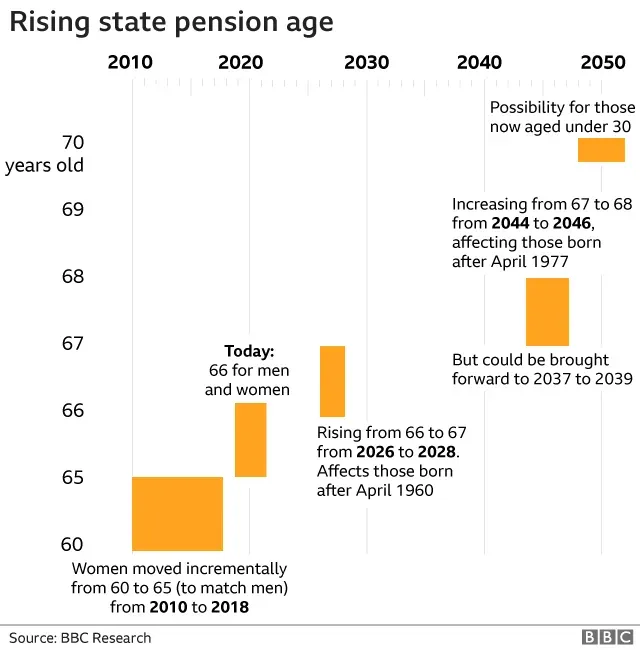
The increase in state pension age has become one of the most significant and debated topics within the current framework of the UK pension regulations 2023. This increase, moving gradually from 66 to 67 by 2028, and potentially to 68 in subsequent years, reflects the government’s response to rising life expectancy and the need for a sustainable pension system. For current employees in their 30s and 40s, this change necessitates a recalibration of future retirement planning, urging them to expect a longer professional timeline.
With this adjustment, the impact on financial preparedness cannot be understated. Workers now have to plan for a longer wait before accessing state pension benefits, prompting the need for supplementary retirement savings. This shift not only changes how individuals save but also introduces uncertainty around their quality of life post-retirement, compelling them to rethink their financial strategies to accommodate a longer working life.
Impact of the Triple Lock Mechanism
Recent updates to the UK state pension amounts have been considerably influenced by the Triple Lock mechanism, which ensures that pensions grow based on the highest of inflation rates, average wage growth, or 2.5%. The substantial increase to £203.85 per week illustrates the government’s commitment to safeguarding pensioners’ purchasing power in light of rising living costs driven by inflation. For many, this increase is a vital lifeline, particularly as traditional savings yield lower returns in an unpredictable economy.
However, the sustainability of the Triple Lock mechanism faces scrutiny amidst fiscal pressures. Critics argue that such generous stipulations could falter in the long term, potentially subject to governmental revisions. As pensioners navigate these changes, understanding how policy fluctuations may affect their income becomes crucial to effective retirement planning.
Understanding National Insurance Contributions
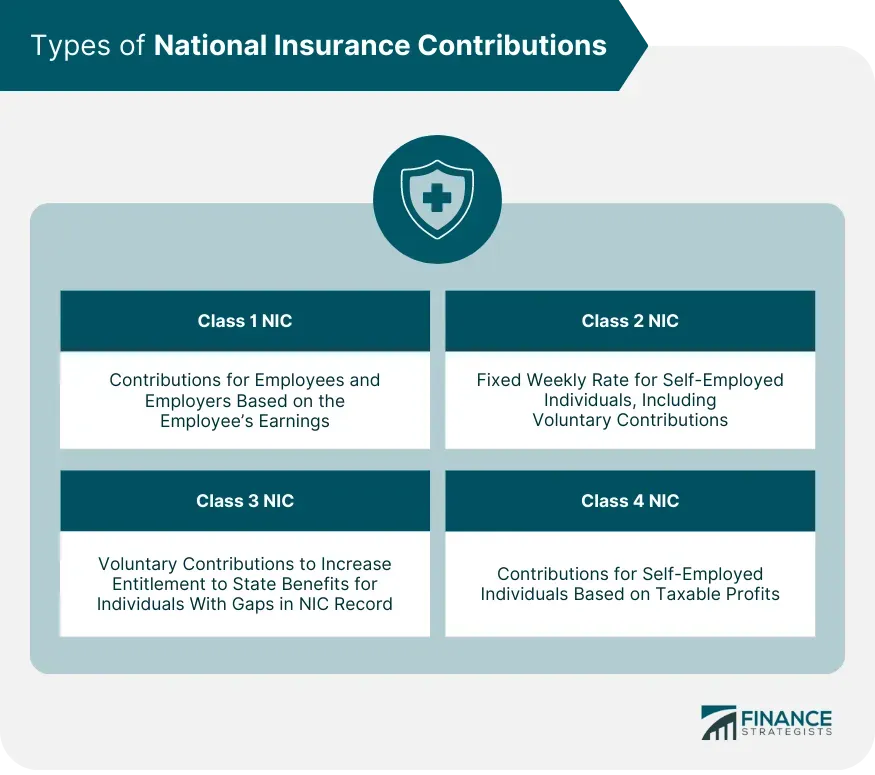
The rising significance of National Insurance contributions comes hand in hand with changes in the state pension age. With the growing emphasis on ensuring adequate contributions for a full state pension, individuals must maintain awareness of their eligibility and entitlements. Personal accountability in monitoring NI contributions is essential, particularly for self-employed individuals, who face different rules regarding pension rights under the evolving pension regulations.
Additionally, citizens should proactively verify their contributions regularly. This habit not only ensures they meet qualification thresholds but reinforces the importance of National Insurance as a pillar of the UK’s pension system. A thorough understanding of one’s contributions can greatly affect long-term retirement outcomes, ensuring retirees have the necessary income to support themselves in their later years.
Pensions for UK Citizens Living Abroad
The updates in UK pension regulations also extend their reach to pensioners residing abroad, an often-overlooked population that requires particular attention. Changes related to the ‘frozen’ state pension system can result in significant implications for retirees living in countries where the UK government does not allow automatic annual increases in pension payments. Consequently, expatriates must remain vigilant and informed about their rights and the prevailing regulations to ensure they are receiving the appropriate benefits.
For UK citizens who choose to retire overseas, understanding the currency fluctuations can further complicate their financial planning. It is imperative for these individuals to routinely assess the impacts of global economic changes on their pensions and, if necessary, seek guidance from financial advisors who specialize in expatriate issues. By doing so, they can develop a robust strategy that accounts for both domestic and international fiscal dynamics.
Financial Advisory: Planning for Change
In light of the UK state pension changes, seeking professional financial advice has never been more important. As adjustments to pension regulations unfold, it’s beneficial to consult with a financial advisor who can provide tailored insights into individual retirement strategies. This proactive approach allows individuals to align their savings with their evolving retirement needs, ensuring they remain financially secure as they transition into retirement.
Advisors can also offer guidance on leveraging supplementary retirement savings options, such as personal pensions or employer-sponsored schemes, which can bridge the financial gap left by changes to the state pension. By staying informed and engaged with their financial plans, individuals can better prepare for unexpected shifts in the pension landscape and create a more secure future.
Frequently Asked Questions
What are the latest UK state pension changes regarding the retirement age?
The latest changes in the UK state pension regulations include a gradual increase in the state pension age, which is set to rise from 66 to 67 by 2028, and potentially to 68 by the late 2030s. This adjustment aims to sustain the system due to increasing life expectancies.
How has the Triple Lock mechanism impacted the UK state pension amount in 2023?
In April 2023, the UK state pension increased to £203.85 per week, thanks to the Triple Lock mechanism, which ensures pensions rise by the highest of inflation, wage growth, or 2.5%. This increase is crucial for pensioners to cope with the rising cost of living.
What should self-employed individuals know about National Insurance contributions under new pension regulations?
Self-employed individuals must pay adequate National Insurance contributions to qualify for the full state pension. Recent pension regulations emphasize the importance of these contributions to secure retirement benefits, differing from employed individuals’ obligations.
How do UK state pension changes affect pensioners living abroad?
UK state pension changes have introduced adjustments for expatriate pensioners, particularly regarding the ‘frozen’ state pension rule, which may affect those living in certain countries. It’s vital for these individuals to verify their pension rights and understand how currency fluctuations might impact their income.
What steps can individuals take to prepare for recent UK pension reforms?
To prepare for the recent UK pension reforms, individuals should obtain a State Pension Statement to understand their entitlements, consider additional retirement savings beyond the state pension, stay informed about new regulations, and consult a financial advisor for personalized retirement planning.
Why are recent changes in the UK pension system being implemented?
Recent changes in the UK pension system are motivated by the need for sustainability, fairness for future generations, and economic stability. Increasing life expectancies combined with a declining birth rate create financial strain, necessitating reforms to maintain the viability of the pension system.
| Point | Details |
|---|---|
| State Pension Age Increase | The state pension age is rising from 66 to 67 by 2028 and potentially to 68 by the late 2030s, impacting future retirees. |
| Changes in Pension Amounts | As of April 2023, the new full state pension is £203.85 per week, influenced by the Triple Lock mechanism. |
| National Insurance Contributions | Increased focus on adequacy of National Insurance contributions is crucial for qualifying for the full pension. |
| Addressing Expat Pensioners | Regulations affecting pensioners living abroad highlight the importance of understanding frozen pensions based on location. |
Summary
UK state pension changes are a critical area of concern that impact current and future retirees, making it essential for individuals to become informed. The new regulations include an increasing state pension age, significant adjustments to pension amounts, and a focus on National Insurance contributions. Understanding these changes ensures retirees can adequately prepare for their financial future, whether they are nearing retirement or still in the workforce. Staying updated and prepared is vital to navigate the evolving landscape of the UK state pension system.