Listen to this article
As we enter 2023, the landscape of the UK State Pension changes 2023 is transforming, carrying significant implications for retirees and those planning their futures. With the State Pension increase set to raise the full amount to £203.85 per week, understanding these adjustments is crucial for effective UK pension planning 2023. Changes in National Insurance contributions and a raised retirement age signify a shifting paradigm that requires serious consideration for financial security. This year, millions across the UK will need to navigate the complexities of their State Pension benefits to ensure they remain on track for a comfortable retirement. Staying informed about these crucial developments is essential to making strategic decisions about your retirement age UK and long-term financial planning.
The modifications to the public retirement scheme in 2023 symbolize a decisive moment for those approaching the end of their working lives. These revisions, characterized by an overall rise in pension payouts and adjustments in National Insurance obligations, demand careful attention. As the eligibility criteria evolve and retirement timelines shift, individuals must reassess their readiness for the upcoming changes. Understanding the nature of these adjustments will help prepare for the social security benefits that underpin many’ financial strategies in retirement. This year is pivotal for anyone contemplating their old-age financial portfolio, reinforcing the need for proactive engagement with their pension planning.
Understanding the UK State Pension System
The UK State Pension is a crucial financial component for individuals transitioning into retirement. This government initiative provides a basic income for those who have accumulated sufficient National Insurance contributions during their working life. By fulfilling these contributions, retirees can ensure a stable financial footing post-retirement, enabling them to maintain a decent standard of living. Understanding the mechanics of the State Pension system is essential for effective UK pension planning in 2023.
As individuals approach their retirement age, comprehending the State Pension benefits becomes paramount. This system not only supports direct income but also plays a significant role in broader financial planning strategies. With changes expected in national policies every year, keeping abreast of developments in the State Pension will empower individuals to make informed decisions regarding savings and investments, ultimately establishing a more secure retirement.
Key Changes to the State Pension in 2023
The 2023 financial year heralds several important adjustments to the UK State Pension framework. Notably, the new State Pension amount has risen to £203.85 per week, as per the government’s Triple Lock policy, which aims to ensure pensions keep pace with inflation, earnings growth, or a minimum rate of 2.5%. This increase signifies the government’s commitment to supporting retirees amidst the rising cost of living, making it vital for individuals to understand how these changes may bolster their retirement savings.
Additionally, updates regarding the National Insurance contribution rates will directly impact the amount individuals need to pay in order to qualify for the maximum State Pension benefits. As of April 2023, adjustments to these rates require careful consideration and evaluation of one’s financial obligations. Individuals must actively track their contributions to ensure they meet the thresholds necessary for a secure pension, particularly as the landscape of these contributions continues to evolve.
Impact of Delayed Retirement Age on Pension Planning
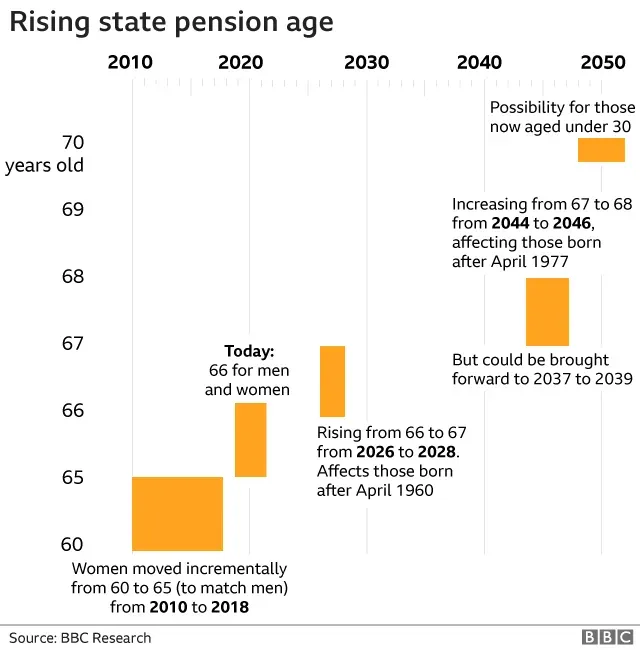
The anticipated increase in the retirement age reflects the government’s strategy to manage pension resources more effectively. For individuals born after April 1970, the retirement age is now set to rise to 67, with further increases to 68 expected in subsequent years. This significant adjustment necessitates a reevaluation of personal financial plans, especially for those nearing retirement.
Those affected by the delayed retirement age might find that working longer could affect their financial readiness for retirement. It’s essential to assess long-term savings strategies, potentially increasing private pension contributions or seeking alternative income sources. By preparing financially for a longer working life, individuals can mitigate the impact of any delays and ensure they remain comfortable throughout their retirement.
Reassessing National Insurance Contributions
With the changes in National Insurance contribution rates introduced in 2023, it is more important than ever to assess your contributions thoroughly. Individuals should be proactive in understanding their National Insurance records to ensure they qualify for the full State Pension. As contributions directly influence pension amounts, maintaining accurate records and strategizing future financial goals becomes essential in UK pension planning.
Regularly reviewing your contributions and understanding how they relate to the new pension guidelines will help in making informed decisions about future payments. Additionally, being aware of any potential benefits or entitlements based on your National Insurance contributions will allow you to plan a more secure financial future as retirement approaches.
Financial Tools for Effective Retirement Planning
To navigate the evolving landscape of pensions, individuals should leverage various financial tools designed to enhance retirement planning. Pension calculators can provide estimates of future State Pension benefits based on the current National Insurance contributions and expected retirement age. Utilizing these online tools empowers users to visualize their potential pension income and plan effectively for their retirement.
Furthermore, securing a State Pension statement online offers clarity regarding individual entitlements, allowing users to see precisely how much they can expect to receive based on their contributions. Regular consultations with financial advisors proficient in retirement planning can further augment one’s strategy, enabling personalized approaches tailored to individual financial goals and circumstances.
Final Thoughts on State Pension Changes in 2023
As we approach the latter part of 2023, understanding the comprehensive changes to the UK State Pension system is paramount for effective retirement planning. Keeping track of increases in the State Pension and adjustments to National Insurance contributions not only enhances financial security but also prepares individuals for potential challenges associated with delayed retirement.
In conclusion, being aware of these changes and proactively planning for them can provide peace of mind as individuals transition into retirement. Being informed about your rights and obligations concerning the State Pension will empower you to make essential decisions regarding investments, savings, and overall financial strategies, ensuring a satisfying and worry-free retirement experience.
Frequently Asked Questions
What are the main UK State Pension changes in 2023?
In 2023, the UK State Pension has seen an increase to £203.85 per week, aligning with the Triple Lock policy. Additionally, National Insurance contribution rates have changed, and plans to increase the retirement age to 67 for those born after April 1970 are in effect.
How does the State Pension increase affect my retirement planning in 2023?
The State Pension increase in 2023 provides a higher weekly income, which can positively impact your retirement planning. It’s essential to evaluate your National Insurance contributions to ensure eligibility for this increased State Pension, enhancing your financial security in retirement.
What should I know about the delayed retirement age in the UK for 2023?
In 2023, the retirement age in the UK is increasing to 67 for those born after April 1970, with further increases anticipated. This change necessitates adjusting your retirement plans to accommodate working longer and enhancing savings or private pensions.
How do National Insurance contributions affect State Pension benefits in 2023?
National Insurance contributions are crucial for qualifying for the UK State Pension benefits in 2023. Changes in rates mean individuals may need to adjust their contributions to ensure they meet the qualifying years necessary for the maximum pension entitlement.
What financial tools can help with UK pension planning in 2023?
For effective UK pension planning in 2023, utilize pension calculators to estimate future State Pension entitlements, request a State Pension statement for accurate figures, and consult with financial advisors for tailored retirement strategies.
How can I ensure I qualify for the full State Pension in 2023?
To qualify for the full State Pension in 2023, ensure you have accrued the required qualifying years through National Insurance contributions. Regularly check your National Insurance record, and consider making up any gaps to maximize your pension benefits.
| Key Points | Details |
|---|---|
| UK State Pension Overview | The UK State Pension provides income for retirees based on National Insurance contributions. |
| Increase in Pension Amount | Full new State Pension rises to £203.85 per week, effective from 2023/2024 tax year, due to the Triple Lock policy. |
| Changes in National Insurance Contributions | Revisions to National Insurance rates from April 2023 require individuals to assess contributions for future pension entitlements. |
| Delayed Retirement Age | The State Pension age will increase to 67 for those born after April 1970, with potential further increases to 68 aimed at budget management. |
| Impact on Retirement Plans | Individuals need to evaluate their pension entitlements, possibly work longer, and adjust financial planning strategies accordingly. |
Summary
UK State Pension Changes 2023 have introduced significant reforms affecting how soon and how much individuals can expect to receive upon retirement. With the new State Pension amount set at £203.85 per week, it’s vital to understand the implications of these increases alongside changes to National Insurance contribution rates and the delayed retirement age. The planned adjustments to the State Pension age require individuals nearing retirement to prepare for an extended working life, vital in securing future financial stability. Therefore, staying informed of these changes is crucial for effective retirement planning, as proactive steps can ensure a comfortable and secure future.