Listen to this article
UK research funding decisions are facing unprecedented scrutiny as the government dictates a need for prioritization in how the UK’s £8 billion research fund is allocated. The head of UK Research and Innovation, Ian Chapman, reveals that upcoming choices will significantly impact various research sectors, leading many to question the future of scientific research funding in the UK. Adjustments in UKRI funding changes are anticipated, with a shift towards focusing on fewer initiatives and placing greater emphasis on commercialization. This development may lead to cuts in essential areas, raising concerns about the impact of research funding cuts on groundbreaking projects and the vitality of UK startups. As the landscape of funding evolves, ensuring that curiosity-driven research remains a priority is crucial for maintaining Britain’s innovative edge.
Decisions regarding research financing in the UK are currently under intense evaluation, as the governing bodies adapt to new governmental directives. With an emphasis on streamlining funding processes, UKRI is tasked with redefining its approach to grant allocations, essentially reshaping the landscape of scientific inquiry and innovation. As these alterations unfold, the implications extend beyond research institutions, affecting startups and SMEs reliant on grants and support services to thrive. The potential withdrawal or reduction of funding from established projects could destabilize the pivotal advances in medicine, technology, and the sciences. Fostering a balanced allocation approach will be vital for sustaining the UK’s reputation as a leader in global research initiatives.
The Impact of UKRI Funding Changes on Scientific Research
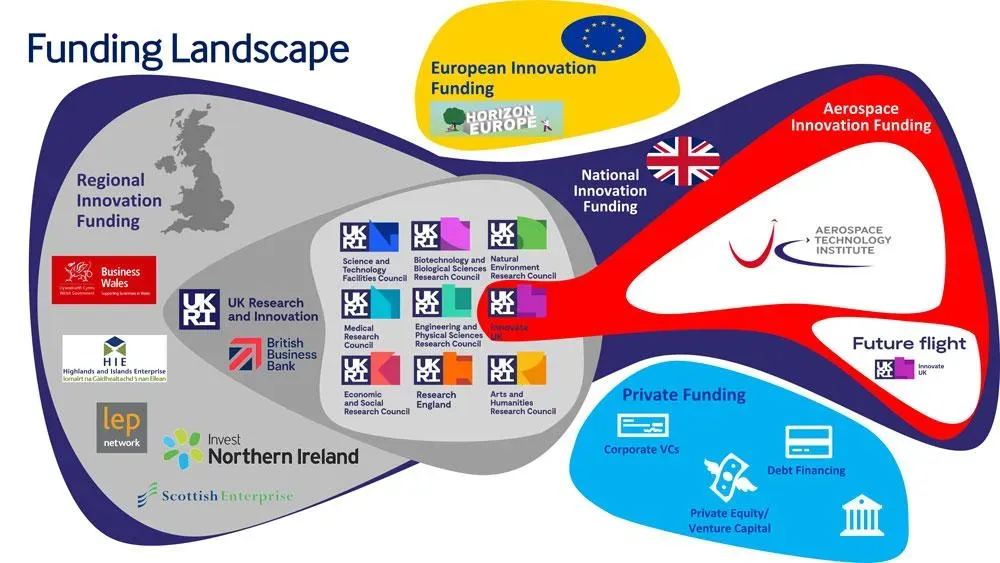
Recent shifts in UK Research and Innovation (UKRI) funding are set to redefine the landscape of scientific research in the United Kingdom. With annual allocations of approximately £8 billion, the decisions made by UKRI will influence which research projects receive support in the coming years. These changes come on the heels of a directive from the government instructing UKRI to focus its efforts, leading to hard choices that may leave many promising projects unfunded. The expected emphasis on commercialization may foster innovation in certain sectors, but it also raises concerns about cuts affecting broad areas of scientific inquiry traditionally upheld by UKRI, like curiosity-driven research that forms the backbone of exploratory science in the UK.
Furthermore, the predicted stabilisation of funding for curiosity-driven initiatives means that while the basic funding levels might not dramatically decline, they may effectively represent a real-terms reduction given inflation and rising costs in research operations. This shift in focus could threaten groundbreaking studies, such as advancements in blood clot detection and infant learning processes, which have long benefited from UKRI’s support. The research community is facing uncertainty as the landscape narrows, potentially stifling scientific diversity and innovation – hallmarks of the UK’s established reputation in global scientific academia.
Challenges Faced by Scientific Research Funding Bodies
As UKRI and its affiliated councils, such as the Science and Technologies Facilities Council (STFC), grapple with the need to make tough financial decisions, the implications for the scientific community are profound. The STFC, historically ambitious in its pursuits, now faces the chilling reality that funding isn’t sufficient to support its operational goals or ongoing commitments. The council’s task of identifying savings of £162 million showcases the stark difficulties in aligning aspirational research goals with the practical limitations of available financial resources. This precarious balancing act could lead to project delays or cancellations, jeopardising scientific advancements that rely on steady funding cycles.
Moreover, the necessity to pause new grant allocations to manage existing budgets poses additional risks not only for active researchers but also for the broader scientific community. With many councils suspending new grants, future generations of scientists, and potentially groundbreaking discoveries, may experience prolonged periods without the necessary funding to initiate or continue research efforts. This stagnation not only hampers innovation but also detracts from the UK’s status as a leader in scientific exploration and technology advancement, ultimately defining the trajectory of future research and educational initiatives in the nation.
Curiosity-Driven Research in the UK: A Vulnerable Sector
Curiosity-driven research has long been celebrated in the UK for its ability to generate innovative solutions to pressing societal challenges. However, with UKRI signalling an intent to withdraw some funding levels from this vital area, concerns are rising about the future of exploratory research in the country. Historically, curiosity-driven projects have led to remarkable scientific achievements, including developments in sustainable materials and transformative medical technologies. As UKRI recalibrates its funding priorities to align with governmental policies, the inherent risks associated with de-prioritising such research could have far-reaching implications.
Experts within the academic and scientific communities have voiced their fears that curtailing funding for exploration-themed studies could stymie the creative genius that propels science forward. The notion that fewer projects will receive financial backing can lead to a culture of risk aversion, where researchers shy away from audacious inquiries in favour of more certain, immediate returns. Such a shift undermines the foundational principles of scientific inquiry, which thrives on the unknown and the potential for revolutionary breakthroughs that, while unpredictable, have historically yielded transformative benefits for society.
The Future of Grants for UK Startups
With funding for startups being reconsidered, the consequences for emerging businesses in the scientific and technological sectors could be dire. Innovate UK, the primary agency providing grants and advice to SMEs, is pivoting towards supporting fewer companies with potentially greater resources per firm, leaving many fledgling enterprises without access to crucial early-stage funding. As echoed by industry experts, this decision could discourage innovation and entrepreneurship within the UK startup ecosystem, where many practical solutions to contemporary issues—ranging from sustainability to healthcare—rely on the financial support that small companies require to grow.
This approach of offering less financial support to a broader base could ultimately create a bottleneck effect, where only more established ventures gain the benefits of UKRI’s assistance. The negative ramifications may also be felt nationwide, as the startup community thrives on a diverse range of ideas and innovations. An overemphasis on established companies could diminish the variance of new concepts entering the market, thereby limiting the UK’s ability to become a hotbed for groundbreaking technologies and businesses in the near future.
The Role of Collaboration in Research Funding
In light of tightening budgets and increasing competition for funding, collaboration within the scientific community becomes more crucial than ever. It is imperative that researchers, universities, and industry leaders unite to forge alliances that can strengthen proposals for UKRI funding. By leveraging shared resources and expertise, collaborative efforts can amplify the impact of research projects, enhance credibility, and improve the chances of securing funding in an increasingly difficult landscape. Through partnerships, interdisciplinary approaches can address complex challenges, ensuring that exciting scientific inquiries continue to be supported, even amid a restrictive funding environment.
Moreover, collaborative networks can also help bridge the gap between academia and industry, fostering an environment where innovative ideas transition seamlessly into practical applications. Recognising the value of shared goals will invigorate the UK’s research and development landscape while maximizing the impact of each pound spent on scientific inquiry. Facilitating such collaboration could mitigate some of the adverse effects anticipated from funding cuts while promoting a more integrated and cohesive approach to addressing societal needs through scientific advancement.
Concerns Over Research Funding Cuts and Innovation
The impact of research funding cuts cannot be underestimated, particularly in a landscape that relies heavily on public investment to drive innovation. The anticipated reduction of financial support poses a significant threat to the UK’s scientific progress and its ability to stay at the forefront of global research. As scientists and researchers express their fears over the stability of funding, the potential for a decline in groundbreaking innovations grows, as less funding means fewer opportunities for exploration and experimentation. This lack of investment in research may eventually create a skills gap, making the UK less competitive in the global innovation arena.
Furthermore, the repercussions of these funding cuts extend beyond immediate project delays, affecting the development of future technologies and solutions to pressing societal challenges. A decrease in investment in scientific research can lead to diminished job opportunities within the sector, stifling the potential pool of talent cultivated in academic institutions. The grand implications suggest that the UK may lose its edge in scientific breakthroughs if proactive measures are not considered to sustain and enhance the financial resources dedicated to innovative research initiatives.
The Importance of Long-Term Planning in Research Funding
In an ever-evolving scientific landscape, the necessity for long-term planning in research funding cannot be overstated. During periods marked by fiscal constraint, stakeholders must implement comprehensive strategies that encompass not only the immediate allocation of funds but also sustainable support structures that ensure the continuity of critical research paths. The future of scientific innovation in the UK hinges on the provision of steadfast funding that allows researchers to explore bold hypotheses while aligning with the larger objectives of the nation’s science and technology agenda.
This foresight is crucial as it provides stability for existing projects and confidence for upcoming talent entering the field. A robust planning framework will also facilitate the integration of diverse voices and areas of expertise, allowing the UK to adapt dynamically to emerging trends in research funding. It is imperative for UKRI and other funding bodies to consider the long-term consequences of their financial decisions, as the potential disadvantages of short-term cost savings could result in irreversible setbacks for the entire scientific community.
Resilience in the Face of Funding Challenges
As the landscape of research funding transforms, the need for resilience among researchers and institutions becomes increasingly vital. Scientists and innovators must adapt to the challenges posed by reduced funding allocations, cultivating a sense of agility that allows them to navigate financial constraints while continuing to pursue ambitious scientific goals. Fostering a mindset that embraces adaptability will enable researchers to pivot toward alternative funding sources, including corporate partnerships and philanthropic contributions, which could supplement governmental resources.
Moreover, resilience within the scientific community can inspire a culture of collaboration that encourages sharing knowledge and resources. This cooperative spirit can fortify relationships with industry partners and external stakeholders, ensuring a collective push towards sustainable innovation even amidst growing uncertainties. By bolstering this resilient mindset, the UK’s research ecosystem can better withstand the pressures of funding cuts while working to sustain the momentum of technological and scientific advancements.
Navigating the Future of UK Scientific Research
Looking ahead, navigating the future of UK scientific research will require strategic foresight and collaborative efforts among stakeholders ranging from government authorities to academic institutions and private companies. Engaging in open dialogue about funding policies will foster a deeper understanding of the needs and challenges faced by researchers, creating a roadmap for future investments that aligns with national priorities and leverages the strengths of Britain’s scientific community. Through this collaborative approach, the UK can enhance its global standing as a leader in scientific exploration and innovation.
Equally important is the commitment to rectify the balance between commercialization and curiosity-driven research to ensure that the former does not overshadow innovative exploratory projects. By designing funding mechanisms that support both paradigms, the UK can cultivate a vibrant research landscape that capitalizes on groundbreaking discoveries while spurring economic growth. The healthcare, technological, and environmental sectors are poised for growth; thus, investing in the diverse capabilities of UKRI and its funded bodies will provide a holistic approach to sustaining long-term research success.
Frequently Asked Questions
How are UK research funding decisions being impacted by recent UKRI funding changes?
Recent UKRI funding changes indicate that future UK research funding decisions will prioritize fewer projects, focusing on commercialization. This shift may lead to cuts in some areas of scientific research funding in the UK, particularly ‘curiosity-driven’ research, despite these projects being historically significant.
What is the impact of research funding cuts on scientific communities in the UK?
The impact of research funding cuts in the UK is significant as they lead to reduced support for various scientific fields. With UKRI’s focus on fewer, larger projects, many researchers may face challenges in securing grants for innovative ideas, leading to potential setbacks in scientific advancements.
Will curiosity-driven research in the UK receive adequate funding amid changes in UKRI funding strategies?
Although UKRI has stated that funding for curiosity-driven research will maintain its current level, it’s effectively a reduction in real terms due to inflation. This means that while the funding appears steady, the purchasing power will likely decrease, affecting ongoing and future projects in the UK.
How do UK research funding decisions affect grants for UK startups?
UK research funding decisions are currently impacting grants for UK startups, as Innovate UK has shifted its focus to support a smaller number of companies more intensively. This change could hinder many startups from gaining early-stage funding, critical for their growth and innovation.
What are the long-term consequences of UKRI’s pause on new grants for scientific research funding in the UK?
The long-term consequences of UKRI’s pause on new grants could lead to a stagnation in research innovation, as essential funding will be concentrated on fewer projects, potentially sidelining groundbreaking research and leaving many emerging scientists without support. This could diminish the UK’s standing in the global scientific community.
| Key Points | Details |
|---|---|
| Funding Overview | UKRI allocates £8 billion annually for research and innovation. |
| Directive for Change | UK Government has advised UKRI to focus on fewer projects, leading to potential negative outcomes for some. |
| Impact on Future Projects | UKRI plans to implement changes by April 2027 but has not specified selection criteria for future projects. |
| Emphasis on Commercialization | Funding allocation will focus on commercial applications, while basic research will remain at current levels. |
| STFC Funding Issues | The STFC faces a £162 million savings requirement and is uncertain about future project funding. |
| Effect on Innovate UK | Innovate UK is reducing support for SMEs, which could hinder innovation and growth. |
| Concerns from Experts | Scientists express worries about diminishing funding and its impact on the UK’s scientific standing. |
Summary
UK research funding decisions are undergoing significant changes as the government instructs UKRI to focus on fewer but more impactful projects. This shift raises concerns among researchers and innovators about the future of scientific exploration and support for SMEs in the UK. With an emphasis on commercialization, the need for careful allocation of resources is apparent, placing the UK’s vibrant research landscape at a crossroads where the balance between current projects and future innovation will dictate its success.