
Listen to this article
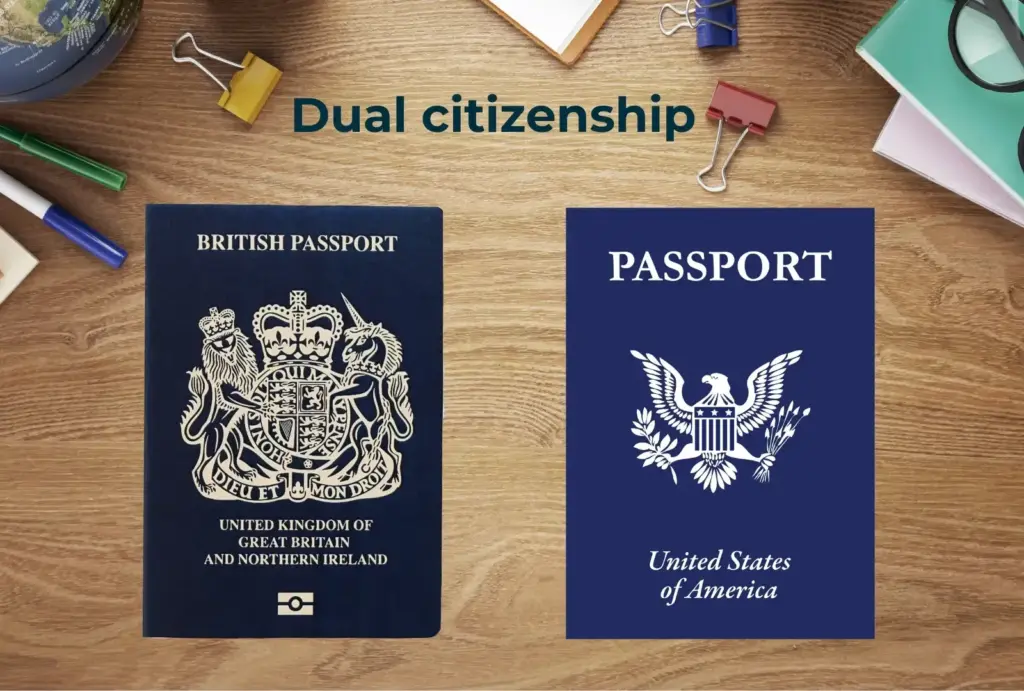
UK passports for dual nationals are becoming a critical topic as new rules regarding passport use are set to take effect on February 25. With recent border changes aiming to modernize the UK immigration system, those holding dual citizenship are facing significant challenges, particularly regarding their eligibility to re-enter the country. The new dual nationals passport rules will mandate that individuals provide either a British passport or a certificate of entitlement to gain entry, a shift that has many feeling anxious and unprepared. As the deadline approaches, several dual citizens who have resided in the UK for years are scrambling to secure their documentation, prompted by the imminent changes to the country’s immigration landscape. It comes as the British passport application process becomes essential for those dual nationals wishing to avoid the feeling of being stranded abroad as they navigate this unforeseen bureaucratic transformation.
The complexities surrounding dual nationality in the UK are being thrust into the spotlight with the introduction of new immigration regulations. As individuals with multiple citizenships navigate the evolving rules for entry into the UK, the ramifications of these alterations are sending shockwaves through communities. The requirement for a British passport or an official certificate of entitlement highlights the growing intricacies of maintaining a life in the UK as a dual citizen. Many people are now questioning their travel plans, faced with the daunting task of securing the necessary travel documentation under heightened scrutiny. As the landscape shifts for those who identify as dual nationals, the landscape of travel and citizenship in the UK becomes even more complex.
Understanding New UK Passport Rules for Dual Nationals
The recent overhaul of UK passport rules has caused significant concern among dual nationals. Effective from February 25, individuals holding a dual nationality now face stricter entry requirements. Previously, dual nationals could enter the UK using their foreign passport; however, new regulations dictate that they must produce either a British passport or a digital certificate of entitlement. This shift aims to align the UK’s immigration protocols with those of other nations, but the impact on affected individuals can be dire, particularly for those who may not have obtained a British passport despite living in the UK for years.
For many, the process of applying for a British passport can be lengthy and costly. The application fee is approximately £100 for adults, a significant burden for those already juggling expenses related to travel and living. Moreover, the requirement for new documentation does not consider individuals’ varied circumstances, such as travel plans or prior commitments. The frustration is palpable, with dual nationals stressing that the government’s last-minute implementation of these rules has left them scrambling for documentation—something that feels unjustified given their long-standing ties to the UK.
Impact of New Immigration Rules on Dual Nationals
The introduction of the Electronic Travel Authorisation (ETA) system further complicates the journey for dual nationals. With this new system, visitors from countries that do not require visas will need to obtain an entry document before arriving in the UK. Unfortunately, dual nationals are ineligible for the ETA and must instead comply with the newly imposed documentation requirements. This has created a situation where many individuals, already out of the country on pre-planned trips, are now at risk of being unable to return home without the necessary paperwork.
Critics of the new immigration rules contend that inadequate communication from the government has exacerbated the challenges faced by dual nationals. Many individuals only became aware of the changes through social media or news outlets, leaving them little time to prepare. As highlighted by those affected, such as British-Latvian and UK-German dual citizens, this lack of clear messaging and support from the Home Office has resulted in a frustrating and disheartening experience for individuals who have called the UK home for years.
The Scramble for British Passports: Real-Life Experiences
The experiences of dual nationals like Jelena and Petra shed light on the emotional turmoil associated with the new passport regulations. After investing years into their lives in the UK, they now face the prospect of being denied entry simply due to bureaucratic changes they were not adequately informed about. Jelena’s planned trip to South America highlights the unexpected consequences of the passport rule changes; she may not be able to return home to a country where she has built a life, worked, and paid taxes. Such situations amplify feelings of betrayal and frustration among those who feel they have contributed significantly to society.
Similarly, Petra’s account illustrates the stressful logistics of obtaining the British passport from abroad. The need to navigate through complicated documentation requirements—compounded by the fact that she must provide original certificates while away from home—has turned her simple quest for a passport into a daunting challenge. Both women exemplify the emotional and logistical hurdles triggered by these new rules, raising vital questions about the support systems in place for dual nationals and the perceived loss of their rights as residents in the UK.
Communicating Changes: The Role of Government
A significant point of contention surrounding the new passport regulations is the apparent lack of effective communication from the government. Despite claims of public messaging regarding the rule changes, many dual nationals report that they were unaware of the requirements until it was too late. Campaign groups, like the3million, have voiced their concerns about how these changes can significantly disrupt the lives of EU citizens and dual nationals, calling for better communication strategies to ensure individuals are informed ahead of time. This breakdown in communication has left many feeling vulnerable and unvalued as residents of the UK.
The government has insisted that information campaigns commenced well in advance of the rule changes, though many dual nationals feel these efforts fell short of reaching the impacted population. Urging the government to introduce a cost-effective travel authorization for those caught in this predicament could serve as a meaningful step towards restoring trust. As the UK continues to navigate its immigration policies in a post-Brexit landscape, the experiences and sentiments of dual nationals should be central to discussions about reform.
Navigating the New Landscape: Advice for Dual Nationals
For dual nationals facing the uncertainty of the new passport rules, timely action is vital. Individuals should begin the process of applying for their British passports as soon as possible to avoid disruptions in their travel plans. Comprehensive advice from various government and community resources could offer guidance on the documentation needed for applications and outline what steps to take if faced with unanticipated travel challenges. This is particularly critical for those who may already be overseas and need to make arrangements for their return to the UK.
Additionally, keeping abreast of any updates regarding immigration policies through reliable channels will help dual nationals stay informed. Engaging with peer support groups can also provide communal insight and shared experiences that help navigate this new landscape. Understanding the repercussions of the new immigration rules may empower dual nationals to advocate for their needs and rights within the UK, advocating for clearer government support systems as they adjust to these recent changes.
Cost Implications of the New UK Passport System
The financial burden associated with obtaining a British passport and certificate of entitlement has drawn considerable criticism in light of the new rules. For many dual nationals, the immediate costs may not only impact their current financial situation but also create long-lasting implications regarding their ability to travel freely and maintain ties to both their home countries and the UK. This situation amplifies existing disparities, making citizenship changes particularly challenging for those who may already be struggling financially.
The added expense of approximately £589 for a certificate of entitlement, alongside the fees for applying for a British passport, compounds the challenges faced by dual nationals. Those who have already invested in their lives in the UK often feel the shock of these sudden financial demands as they rush to comply with new regulations. As the situation evolves, advocacy for lower-cost or streamlined processes for documentation may become a focal point for those seeking to ease the strain on dual nationals navigating this critical juncture of their lives.
Broader Implications of Immigration Reforms in the UK
The overarching landscape of immigration in the UK is shifting as the government implements new rules aimed at modernizing border control. While the stated intention is to create a more efficient and secure immigration process, the immediate effects on dual nationals raise concerns about inclusivity and fairness. Many argue that instead of simplifying the entry process, these changes create unnecessary barriers for those who have long integrated into British society through their work, family, and community ties.
As the government aligns UK immigration policies with global standards, the impact on vulnerable populations must be carefully considered. Ongoing discussions about the rights of dual nationals could foster a more inclusive environment as the UK navigates its post-Brexit identity. Creating policies that balance security with the recognition of the contributions of dual nationals will be crucial in shaping a compassionate and equitable immigration framework moving forward.
Dual Nationals and Their Rights: A Call for Awareness
Awareness of one’s rights as a dual national in the UK has become critically important as the new passport rules take effect. Many citizens may not fully understand the implications of their citizenship status or the processes in place that could affect their ability to return to the UK. There is an urgent need for better dissemination of information pertaining to the rights of dual nationals and ongoing support as they navigate these changes.
Empowering dual nationals through targeted outreach campaigns can significantly alter their experience within the changing landscape of UK immigration law. Engaging community organizations and government bodies in these efforts will ensure that those who hold dual citizenship are informed and ready to take action as required. As the UK moves forward, the voices of dual nationals must be amplified to ease their transition and reinforce their foundational ties to the country that many consider home.
Future of Dual Citizenship in the UK
The future of dual citizenship in the UK may be undergoing significant changes that could redefine the landscape for individuals holding multiple nationalities. As new immigration reforms are put in place, those with dual nationality must advocate for their rights and continue to raise awareness about the implications of these new regulations. The continued evolution of citizenship laws can have profound effects, not only for dual nationals but for future generations as well.
The dialogue surrounding dual citizenship must remain open, considering its broader implications for community cohesion and international relationships. By fostering a spirit of inclusion and acknowledgment of the contributions made by dual nationals, the UK can work towards a more harmonious integration of diverse cultures, which ultimately enriches society as a whole. As stakeholders in this process, dual nationals should be engaged in discussions that shape their future and the regulatory framework that governs their status.
Frequently Asked Questions
What are the new rules for UK passports for dual nationals?
The new rules for UK passports for dual nationals, effective from 25 February, require British dual nationals to present either a British passport or a digital certificate of entitlement linked to their second nationality passport when entering the UK. Previously, dual nationals could use their foreign passport if it was from a visa-exempt country.
How will dual citizenship UK affect entry into the UK?
Under the recent changes concerning dual citizenship UK, individuals must adhere to stricter documentation requirements. Without a British passport or certificate of entitlement, dual nationals risk being denied entry into the UK, impacting their travel plans significantly.
What steps should British passport application involve for dual nationals?
Dual nationals planning to apply for a British passport should gather necessary documents, such as proof of citizenship and identification. The application process can take several weeks and includes a fee of approximately £100 for adults, so early application is advised to avoid travel disruptions.
Will the new immigration rules UK apply to all dual nationals?
The new immigration rules UK will apply to all dual nationals who do not hold an Irish passport. This means that dual citizens from other countries will face the same entry documentation requirements as previously mentioned.
Can I apply for a British passport if I have dual citizenship?
Yes, individuals with dual citizenship can apply for a British passport. However, it is crucial to do so before traveling to avoid complications when trying to enter the UK, as the new passport rules for dual nationals demand specific documentation.
What is the impact of UK border changes on dual nationals planning to travel?
UK border changes mean that dual nationals must now meet specific documentation criteria that could complicate their travel plans. Those without a British passport or certificate of entitlement risk being stranded outside the UK, which has raised concerns among the affected individuals.
What alternative documents are available for dual nationals under the new rules?
Aside from a British passport, dual nationals can use a certificate of entitlement that links their second nationality passport to their British citizenship. This document costs £589 and can take time to process, so it is advisable to apply as early as possible.
How can dual nationals prepare for the upcoming rule changes regarding UK passports?
Dual nationals can prepare for the upcoming rule changes regarding UK passports by applying for a British passport or certificate of entitlement well in advance. They should ensure they have all necessary documents ready and anticipate potential processing delays.
What should dual nationals do if they are currently outside the UK and affected by the new rules?
Dual nationals currently outside the UK should contact the nearest British consulate or embassy to apply for a British passport or certificate of entitlement. They must act quickly to ensure they have the required documentation to return home.
What is the cost of obtaining a British passport as a dual national?
The cost of obtaining a British passport for dual nationals is approximately £100 for adults. Additionally, a certificate of entitlement for dual nationality costs £589, which might be necessary under the new rules.
| Key Point | Details |
|---|---|
| New Passport Rules | From 25 February, dual nationals must present a British passport or a certificate of entitlement to enter the UK, instead of using their foreign passport. |
| Impact on Dual Nationals | Many dual nationals are facing uncertainty and anger due to the sudden changes, leaving some unable to return to the UK after travel. |
| Cost and Processing Time | A British passport costs around £100, while a certificate of entitlement costs £589 and both can take several weeks to obtain. |
| Affected Groups | Irish passport holders are exempt, but other dual nationals, especially EU citizens, are significantly impacted. |
| Criticism of the Changes | Critics highlight insufficient communication from the government and express concerns over the lack of time for affected individuals to prepare. |
Summary
UK passports for dual nationals are undergoing significant changes designed to tighten entry requirements into the UK. This decision has created a wave of frustration particularly among long-term residents who are dual nationals. With the neccessity of holding a British passport or certificate of entitlement to enter the UK from 25 February, many fear they may be unable to return home after travel due to either the expense or processing delays associated with these documents. Critics are calling for urgent government action to rectify the lack of communication and assist those affected by these abrupt changes.

